Source Electric Adjustment Car Seat for Trucks, Cars, and Buses
Find 30 Electric Adjustment Car Seat options for trucks, cars, and buses. Compare mechanical and micro control types from brands like Sinotruk and Britax. Review specifications including leather materials, ISO certifications, and OEM customization for repair and replacement needs; compare the available evidence and request quotations based on your requirements.
Key considerations
Products List


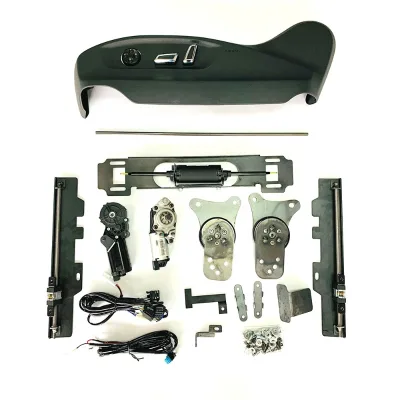
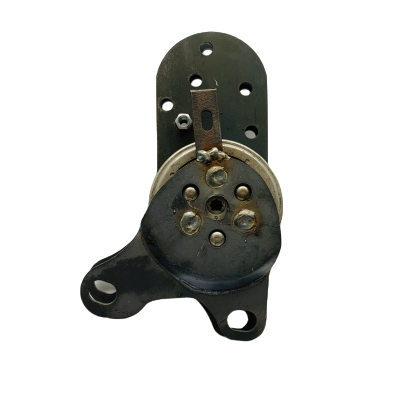
Programmable Turning Seat for Wheelchair Occupant to Get on Car Easily
$3500.00 - $3700.00
MOQ: 1 Sets

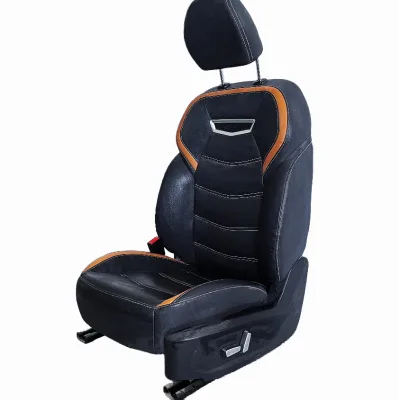
Swivel Car Seat for Disabled People Transfer From Wheelchair to Vehicle
$3500.00 - $3700.00
MOQ: 1 Pieces


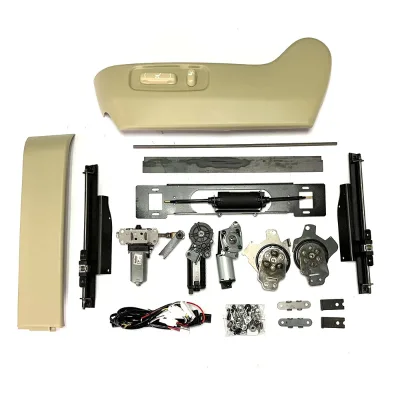
Electric Turning Car Seat Combined with Portable Wheelchair Vehicle Accessibility Seat
$1850.00 - $2400.00
MOQ: 1 Pieces


Foldable Integrated Car Turning Seat Programmable Control Wheelchair Seat
$1850.00 - $2400.00
MOQ: 1 Pieces




Comprehensive Sourcing Guide
Electric Adjustment Car Seat Sourcing Guide
The market for electric adjustment car seats presents a diverse range of options, from specialized massage cushions to heavy-duty replacement units for commercial vehicles. Buyers must distinguish between consumer-grade comfort accessories and industrial-grade seating components designed for specific truck models like Sinotruk HOWO. The observed product landscape includes items with mechanical control methods alongside advanced micro-control systems, indicating a need for precise specification matching before procurement.
Sourcing decisions should prioritize the intended application, whether for replacing damaged seats in heavy trucks or adding multi-function heating and massage features to passenger vehicles. The available data highlights products with varying origins, such as Jinan and Fujian, which may influence logistics and lead times. Understanding the specific customization capabilities, such as OEM branding or custom logos, is essential for aligning the purchase with brand identity and functional requirements.
Product Scope and Observed Listing Signals
Buyers should carefully evaluate the physical attributes of listed products, noting that some items are described as rectangular or designed with specific tilt adjustments for neck support. The observed listings include products with leather materials rated as A Class, alongside others utilizing knitted fabrics or HDPE components. This variation suggests that the term "electric adjustment" covers a broad spectrum of technologies, from simple heating elements to complex massage mechanisms with multiple heads.
It is critical to verify the actual condition and origin of the seat, as some listings specify "New" condition while others imply repair or replacement purposes. The presence of specific model numbers like YG, C-1100, and G301 indicates that buyers must cross-reference these identifiers with their vehicle compatibility requirements. Additionally, the packing dimensions and standard quantities per container vary significantly, requiring careful calculation of shipping volume and storage needs.
Technical Specifications to Verify
Technical due diligence must focus on the control mechanisms and power requirements, as observed products range from mechanical controls to micro-control systems powered by AC supply. Buyers need to confirm the number of massage heads and the extent of tilt adjustments, such as the 180-degree capability noted in specific listings, to ensure the product meets ergonomic standards. The distinction between general connectors and ISOFIX connectors is particularly vital for child safety seats versus adult seating applications.
Material composition and structural integrity are equally important, with some units featuring leather finishes while others rely on knitted fabrics or high-density polyethylene. The load capacity of 110kg observed in specific baby seat listings serves as a benchmark for verifying the weight limits of adult seating options. Procurement teams should request detailed schematics to validate the electrical integration and ensure the seat can be safely installed within the vehicle's existing framework.
Compliance and Safety Documentation
Safety compliance is non-negotiable, especially for products intended for child transport or heavy-duty vehicle use where structural failure could be catastrophic. Buyers must verify that listed items carry recognized certifications such as CE and RoHS, which indicate adherence to European safety and environmental standards. For child seats, specific standards like ECE R44 must be confirmed, as these are legally required in many jurisdictions to ensure the seat can withstand impact forces.
Documentation should also include proof of material safety and manufacturing quality, such as ISO or TSM certifications where applicable. The absence of specific test results in general listings requires buyers to demand third-party verification reports before finalizing orders. Ensuring that the product origin and manufacturing location align with the claimed standards is essential for maintaining liability protection and regulatory compliance in the destination market.
Cost Drivers and Commercial Terms
Pricing in this sector is highly variable, with observed ranges extending from low-cost accessories to high-value industrial components. The minimum order quantity (MOQ) is a significant cost driver, ranging from single-piece orders for testing to bulk requirements of 200 units or more. Buyers must calculate the total landed cost by factoring in the specific packing dimensions and container quantities, which can drastically affect the per-unit price when shipping large volumes.
Lead times also play a crucial role in budgeting and inventory planning, with observed durations spanning from 30 to 40 days depending on the supplier and customization level. Customization options, such as adding a specific logo or altering the fabric type, often incur additional fees and extend the production schedule. Procurement teams should negotiate clear terms regarding payment schedules and penalties for delays to mitigate the financial risks associated with extended lead times.
Supplier Qualification and Quality Control
Supplier qualification requires a rigorous assessment of their manufacturing capabilities and their ability to meet specific customization requests. The presence of OEM branding capabilities for major brands like Sinotruk suggests that some suppliers have established relationships with large automotive manufacturers, which can be a proxy for quality and reliability. Buyers should verify the supplier's history of fulfilling orders for similar products, particularly those with complex electrical or mechanical integration.
Quality control protocols must be established to ensure consistency across batches, especially given the variation in materials and finishes observed in the market. Implementing pre-shipment inspections is essential to verify that the final product matches the agreed-upon specifications regarding dimensions, material quality, and functional performance. Regular communication with the supplier regarding production milestones helps identify potential issues early and ensures that the final delivery meets the buyer's strict quality standards.
Long-Term Procurement Checks
Establishing a long-term partnership requires ongoing monitoring of product performance and supplier responsiveness to market changes. Buyers should track the durability of the seats in real-world conditions, noting any issues with electrical components or material degradation over time. This feedback loop is essential for refining future specifications and ensuring that the selected products continue to meet the evolving needs of the end-users.
Regular audits of the supplier's production lines and quality assurance processes help maintain high standards and prevent quality drift. It is also important to review the supplier's ability to adapt to new regulations or technological advancements in the automotive seating industry. By maintaining a proactive approach to supplier management, buyers can secure a reliable supply chain that supports their long-term business objectives and minimizes operational disruptions.
FAQs
Can I customize the logo on electric adjustment car seats?
Yes, custom logos are acceptable for these products. Buyers can request specific branding to align with their business identity. This customization option allows for unique market positioning. The supplier accepts custom logo requests to meet specific client needs. This feature supports brand differentiation in competitive automotive accessory markets.
What certifications do these car seats hold?
These products hold CE and RoHS certifications. These standards ensure compliance with safety and environmental regulations. Buyers can verify these credentials for quality assurance. The certifications indicate adherence to recognized industry benchmarks. This documentation supports import processes and regulatory compliance in various markets.
What is the minimum order quantity for these seats?
The minimum order quantity varies by product type. Some items have an MOQ of one piece, while others require two hundred units. Buyers should check specific product listings for exact requirements. This flexibility accommodates both small trial orders and bulk purchases. Understanding MOQs helps in planning inventory and budgeting effectively.
Where are these car seats manufactured?
These seats are manufactured in China. Specific origins include Jinan, Shandong Province, and Fujian, Ningde. Buyers can trace the production location for supply chain transparency. The manufacturing hubs are known for automotive component production. This geographic information aids in logistics planning and supplier verification.
What is the lead time for production?
Lead times typically range from thirty to forty days. This duration depends on the specific product model and order volume. Buyers should account for this timeframe in their procurement schedule. The lead time covers production and preparation for shipment. Planning around these dates ensures timely delivery and inventory management.
What materials are used in these car seats?
Materials include leather, HDPE, and knitted fabric. The leather is classified as A Class quality. HDPE is used for structural components in some models. Knitted fabric provides comfort in other variants. These material choices balance durability, comfort, and cost-effectiveness for different applications.