Source Plug-in Hybrid MPV Car For Family And Business
Source a Plug-in Hybrid MPV Car from 30 verified listings. Compare key specifications including electric range, fuel efficiency, and seating configurations to find the ideal vehicle for family transport, corporate fleets, or commercial logistics; compare the available evidence and request quotations based on your requirements.
Key considerations
Products List


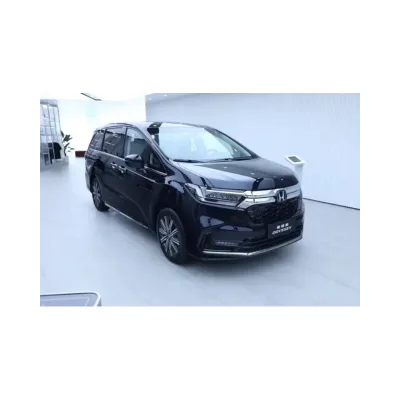

Right Hand Great Wall Weipai Gaoshan Plug-in Hybrid MPV Vehicle Chinese New Car
$40600.00 - $40800.00
MOQ: 1 Pieces


Hybrid Changan Electric Car Automotive New Energy EV Electric Vehicle Chinese Cars
$9000.00 - $10500.00
MOQ: 1 Pieces

New Car Wuling Starlight Adult Automobiles Hybrid New Energy Car Plug-in Hybrid Phev Sedan
$10500.00 - $14500.00
MOQ: 1 Pieces

China Byd Xia Plug in Hybrid New Energy Vehicle Smart Drive Medium and Large MPV
$33500.00 - $37500.00
MOQ: 1 Pieces

Trumpchi E8 2.0L 140PS L4 103kw/180n. M 170km/H 5 Door 7 Seats Plug-in Hybrid Medium MPV
$31000.00 - $35000.00
MOQ: 1 Pieces


U-Tour Hybrid Vehicles Electronic Power Braking System MPV Gasoline Car
$21000.00 - $23000.00
MOQ: 3 units

Forthing U-Tour Plug-in Hybrid Car Factory Direct Sales 7-Seater MPV
$21000.00 - $23000.00
MOQ: 3 units

Manufacturer Supply U-Tour 7 Seats MPV Low Speed High Torque Hybrid Car
$21000.00 - $23000.00
MOQ: 3 units

Family Hybrid MPV Dongfeng V9 Phev 7 Comfortable Seats Large Cabin Space
$33500.00 - $35000.00
MOQ: 5 units

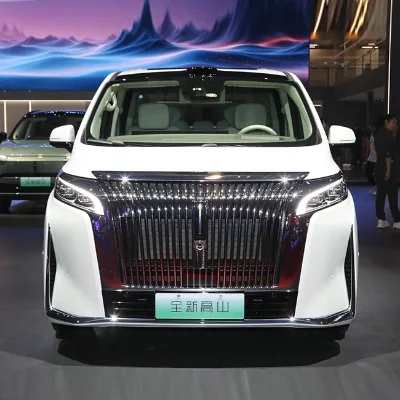


China Factory Compact Plug-in Hybrid Car for Global Wholesale Trade Business
$3500.00 - $5100.00
MOQ: 4 A vehicle


Energy Saving Plug-in Hybrid Car Adapt Long Distance Cross City Travel
$14500.00 - $18500.00
MOQ: 1 Pieces

Premium Plug-in Hybrid Sedan with Advanced Driving Assistance System
$14500.00 - $18500.00
MOQ: 1 Pieces

High Quality Hybrid Power Vehicle Easy Driving System Worldwide Supply
$3500.00 - $5100.00
MOQ: 4 A vehicle

Stylish Compact Hybrid Car Trustworthy Automobile From Chinese Factory
$3500.00 - $5100.00
MOQ: 4 A vehicle
Comprehensive Sourcing Guide
Plug-in Hybrid MPV Car Sourcing Guide
Procuring plug-in hybrid MPVs requires balancing electric efficiency with extended range capabilities, a configuration increasingly popular for fleet operations and family transport. Buyers must navigate a complex landscape where manufacturers offer varying degrees of electrification, from mild hybrids to full plug-in systems. The core appeal lies in the ability to operate on pure electric power for short commutes while retaining a gasoline engine for longer journeys, thereby reducing fuel costs and emissions without range anxiety. This dual-powertrain approach demands careful evaluation of battery capacity, charging infrastructure compatibility, and the seamless integration of mechanical components.
Sourcing decisions should be driven by specific operational needs, such as urban delivery routes versus intercity passenger transport. The market offers diverse body styles, including closed MPVs designed for seven or more passengers, which necessitate verifying interior configurations and cargo space alongside technical specs. Buyers must also consider the time-to-market for new models, as newer releases often feature updated software and improved energy management systems. Understanding these nuances ensures that the selected vehicle aligns with both immediate logistical requirements and long-term sustainability goals, preventing costly mismatches between vehicle capabilities and intended use cases.
Product Scope and Observed Listing Signals
The current market presents a wide array of plug-in hybrid MPVs, with observed listing prices ranging significantly from entry-level models to premium variants. Listings indicate a minimum order quantity (MOQ) flexibility, often starting from single units, which facilitates trial purchases for small fleets or individual buyers. Key attributes frequently highlighted include front-wheel drive (FWD) and all-wheel drive (AWD) configurations, automatic gearboxes, and specific curb weights that impact handling and fuel economy. Buyers should note that some listings specify left-hand steering while others offer right-hand drive options, reflecting global market demands and regional regulatory differences.
Technical observations reveal diverse powertrain options, including 2.0L gasoline-electric hybrids and pure electric variants with substantial battery ranges. Some models boast impressive acceleration times and high maximum speeds, catering to performance-oriented segments, while others prioritize fuel efficiency with low consumption rates under standardized testing cycles. It is crucial to distinguish between different energy types, as some listings may conflate hybrid and pure electric specifications. Buyers must carefully cross-reference these signals with official manufacturer data to ensure accuracy, particularly regarding claimed ranges and charging times, which can vary based on testing standards like CLTC or WLTC.
Technical Specifications to Verify
Verifying technical specifications is paramount to ensuring the vehicle meets operational requirements. Buyers should confirm the exact dimensions, such as length, width, and height, to ensure compatibility with parking facilities and loading docks. For instance, some MPVs measure approximately 5145mm in length, while others are slightly more compact. Additionally, the suspension system, often featuring front MacPherson struts and rear multi-link setups, significantly influences ride comfort and handling dynamics. Understanding these mechanical details helps in assessing the vehicle’s suitability for rough roads or urban environments, ensuring passenger comfort and vehicle durability over time.
Powertrain performance metrics, including maximum power output, torque, and acceleration times, must be validated against real-world conditions. Listings may cite maximum speeds of up to 200 km/h or acceleration from 0-100 km/h in under six seconds, indicating high-performance capabilities. However, buyers should also verify the displacement of the internal combustion engine, which typically ranges from 1000cc to 2500cc in these segments. Furthermore, charging specifications, such as fast-charging times and percentage thresholds, are critical for fleet management. Ensuring that the vehicle supports rapid charging can minimize downtime and maximize operational efficiency, particularly for high-utilization scenarios.
Compliance and Safety Documentation
Compliance with local safety and emissions standards is non-negotiable for importing and operating plug-in hybrid MPVs. Buyers must ensure that the vehicles meet the specific regulatory requirements of their target market, including crash test ratings, emission limits, and electrical safety standards. Documentation such as type approval certificates, homologation papers, and environmental compliance certificates are essential for customs clearance and registration. Without these documents, vehicles may be detained at borders or deemed illegal for road use, leading to significant financial losses and operational delays.
Safety features, including braking systems and structural integrity, must also be thoroughly documented. Some listings mention electromagnetic braking systems, which may offer advanced control features but require verification of their reliability and maintenance requirements. Buyers should request detailed safety reports and test results from the manufacturer or independent testing bodies. Additionally, understanding the warranty terms and after-sales support structure is crucial, as it impacts long-term ownership costs and vehicle uptime. Ensuring that the supplier provides comprehensive documentation and support guarantees a smoother procurement process and safer vehicle operation.
Cost Drivers and Commercial Terms
Several factors influence the total cost of ownership for plug-in hybrid MPVs, including the initial purchase price, financing options, and ongoing maintenance expenses. The observed price range suggests that buyers can find options at various budget levels, but the cheapest option may not always offer the best value. Buyers should consider the cost of charging infrastructure, battery replacement warranties, and fuel efficiency over the vehicle’s lifespan. Additionally, commercial terms such as payment methods, delivery schedules, and return policies play a significant role in the overall procurement strategy.
Negotiating favorable commercial terms can significantly reduce upfront costs and mitigate risks. Buyers should seek clarity on shipping costs, insurance, and import duties, which can vary widely depending on the origin and destination. Understanding the supplier’s production capacity and lead times is also essential for planning fleet deployments. Some suppliers may offer customization options, which can add value but also increase costs and lead times. By carefully evaluating these commercial aspects, buyers can optimize their procurement strategy and achieve better financial outcomes.
Supplier Qualification and Quality Control
Selecting a qualified supplier is critical to ensuring the quality and reliability of plug-in hybrid MPVs. Buyers should verify the supplier’s manufacturing capabilities, quality control processes, and track record in the automotive industry. Suppliers with established production lines and rigorous testing protocols are more likely to deliver vehicles that meet specified standards. Additionally, buyers should assess the supplier’s ability to provide technical support, spare parts, and after-sales service, which are vital for long-term vehicle maintenance.
Quality control measures, such as pre-delivery inspections and third-party audits, can help identify potential defects before shipment. Buyers should request detailed quality reports and inspection certificates from the supplier. Furthermore, establishing clear communication channels and regular updates can help monitor production progress and address any issues promptly. By prioritizing supplier qualification and robust quality control, buyers can minimize the risk of receiving substandard vehicles and ensure a successful procurement outcome.
Long-Term Procurement Checks
Long-term procurement success depends on continuous monitoring and evaluation of vehicle performance and supplier reliability. Buyers should establish key performance indicators (KPIs) to track fuel efficiency, maintenance costs, and vehicle uptime. Regular feedback from drivers and maintenance teams can provide valuable insights into real-world performance and potential issues. Additionally, staying informed about technological advancements and regulatory changes in the plug-in hybrid sector can help buyers make informed decisions about future purchases and upgrades.
Building a strong relationship with the supplier is also essential for long-term procurement success. Regular reviews of supplier performance, including delivery times, product quality, and customer service, can help identify areas for improvement. Buyers should also consider diversifying their supplier base to mitigate risks associated with supply chain disruptions. By implementing a proactive approach to long-term procurement, buyers can ensure a steady supply of high-quality plug-in hybrid MPVs and maintain operational efficiency over time.
FAQs
What is the curb weight of the Plug-in Hybrid MPV Car?
The curb weight is 2650kg. This mass supports the vehicle's closed body structure and seating capacity. The weight distribution is managed by a front Macpherson and rear multi-link suspension system. This setup ensures stability for a mid-size MPV while accommodating the hybrid powertrain components effectively.
How much fuel does the Plug-in Hybrid MPV Car consume?
The fuel economy is 5.3L/100km in Nedc Hybrid Mode. The WLTC consumption is 5.88L/100km. These figures apply to the 2.0L gasoline-electric hybrid configuration. The system optimizes energy use by switching between electric and gasoline power sources to maintain efficiency during various driving conditions.
Can the Plug-in Hybrid MPV Car be customized for buyers?
Customization is available for this vehicle model. Buyers can request specific modifications to meet their operational needs. The product is supplied in nude packing or by container. This flexibility allows purchasers to tailor the MPV to their fleet requirements or specific market demands without compromising the core vehicle integrity.
What is the maximum speed of the Plug-in Hybrid MPV Car?
The maximum speed is 160km/h for the standard model. Another variant reaches 200km/h with higher power output. These speeds are achieved through automatic gearbox systems and efficient motor configurations. The vehicle maintains safe and stable performance at these velocities while adhering to standard MPV design parameters.
What are the dimensions of the Plug-in Hybrid MPV Car?
The standard dimensions are 5145mm length, 1970mm width, and 1805mm height. Another model measures 4861x1820x1712mm. A third variant is 5050x1960x1505mm. These sizes define the interior space and exterior footprint. The closed body type ensures passenger comfort and cargo utility across different MPV configurations.
What is the production origin of the Plug-in Hybrid MPV Car?
The place of origin is Chongqing, China. The products are manufactured in this region. This location supports the supply chain for hybrid MPVs. Buyers sourcing from this origin benefit from established manufacturing infrastructure. The vehicles are ready for export with standard packing methods to ensure safe international delivery.