Source Compact Retroreflective Photoelectric Sensor for Automation
Find and compare 30 Compact Retroreflective Photoelectric Sensor options from Chinese manufacturers. These NPN output devices, including laser and diffuse reflection types, are designed for reliable object detection in industrial settings. Review specifications like IP ratings and operating voltages to select the right component.
Updated
Key considerations
Products List
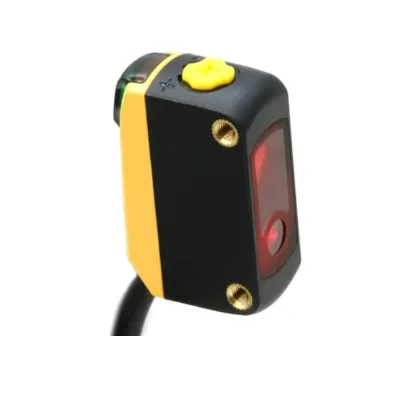
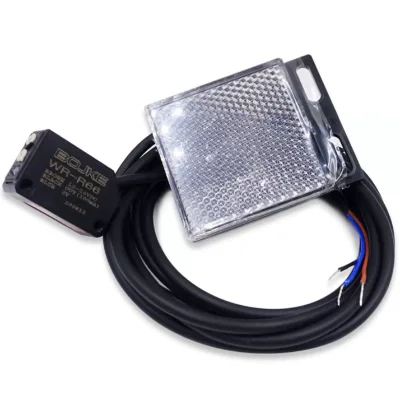
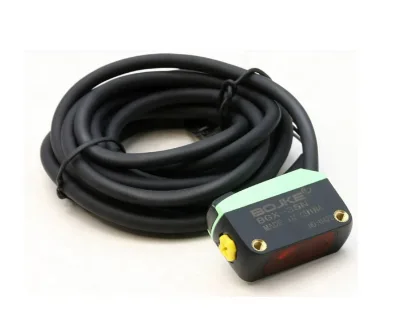


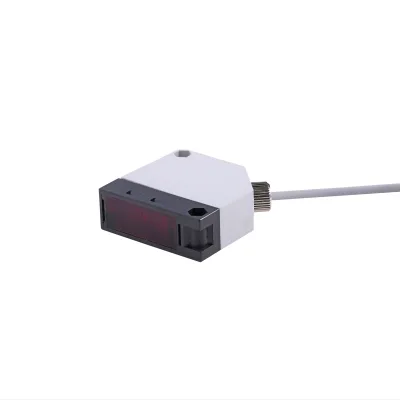
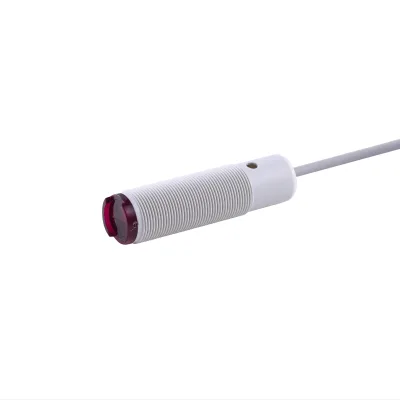
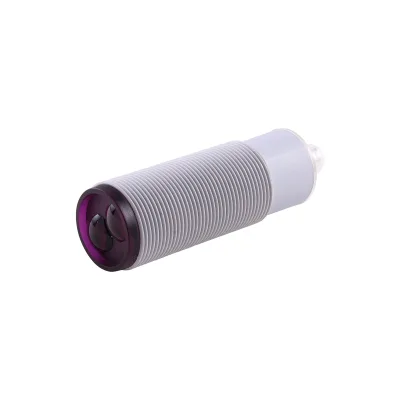


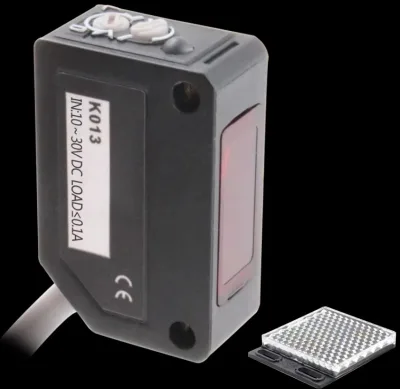
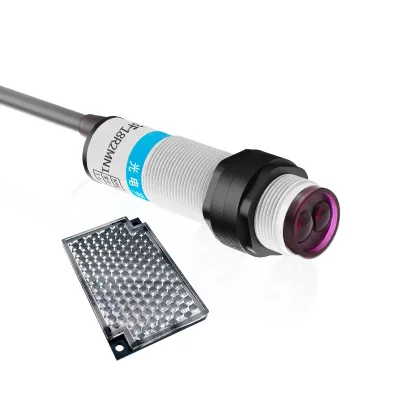
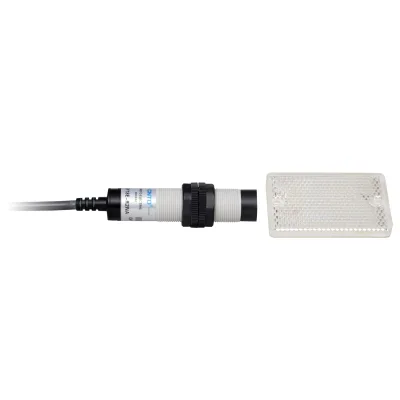
CNTD Infrared Retro Reflective Photoelectric Sensor Switch With Reflector
$7.86 - $8.65
MOQ: 100 pieces
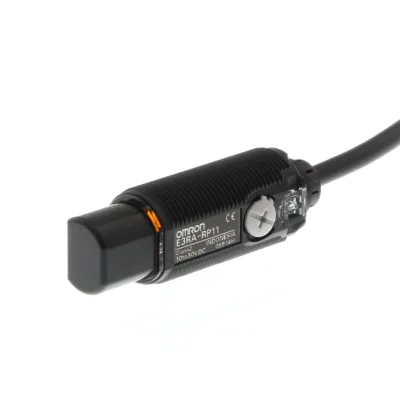
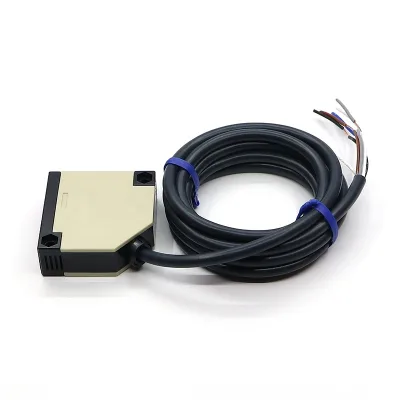
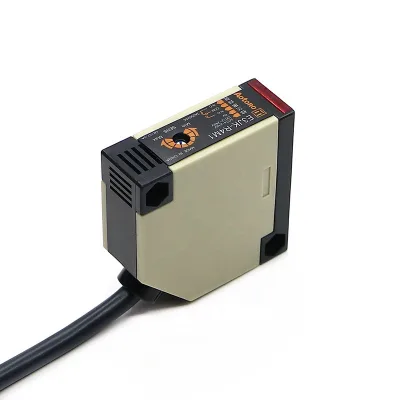

E39-R1 Photoelectric Reflector Electronic Component Photoelectric Sensor
$2.30 - $12.50
MOQ: 100 Pieces


Comprehensive Sourcing Guide
Compact Retroreflective Photoelectric Sensor Sourcing Guide
Buyers evaluating compact retroreflective photoelectric sensors must first distinguish between the specific sensing theories available in the current market. The supplied data indicates a clear divergence where some units operate on laser principles while others rely on diffuse reflection or standard retroreflective methods. This distinction is critical because a laser-based sensor, such as those described with specific model numbers like BGX-40N, offers different detection capabilities for transparent objects compared to standard diffuse types. Procurement teams must verify the exact theory of operation listed in the product description to ensure the sensor matches the target application's material properties.
The physical form factor and mounting requirements also vary significantly across the observed listings, influencing installation feasibility. While some products are described as miniature sensors with specific dimensions like 22 x 33.5mm, others are categorized simply as square photoelectric sensors with different packaging profiles. Buyers need to confirm whether the unit requires manual installation or if it integrates into a specific housing, as the listed mounting types range from general manual setups to specialized integration processes. Understanding these physical constraints early prevents costly mismatches between the sensor's mechanical design and the intended machinery layout.
Product Scope and Observed Listing Signals
The market for compact retroreflective photoelectric sensors presents a wide range of model numbers and series that define their specific utility. Listings frequently cite series such as BGX-35N or WR-61/WR-66R, which often carry distinct functional specifications regarding object detection. For instance, certain models are explicitly noted for detecting transparent objects, while others are designed for non-transparent targets. This variation means that a generic search for "retroreflective" may yield sensors with incompatible detection ranges, requiring buyers to scrutinize the model number and specific description text for every potential supplier.
Commercial listing signals further complicate the scope by introducing inconsistent packaging and unit definitions. Some suppliers list the selling unit as a single item in a poly bag, while others utilize white boxes or cartons with specific gross weights like 0.200 kg. These packaging differences often correlate with the sensor's size and the intended volume of the order, affecting logistics planning. Buyers must carefully review the single package size and gross weight details to estimate shipping costs accurately, as the listed dimensions can vary from compact 23x13x15 cm packages to larger industrial units depending on the specific model selected.
Technical Specifications to Verify
Electrical compatibility is the primary technical hurdle when sourcing these sensors, as operating voltage ranges differ between manufacturers. The observed data highlights a common range of 10-30VDC, yet other listings specify 12-24VDC, creating potential integration issues with existing control systems. Procurement teams must verify the exact operating voltage and output signal type, which can be NPN, PNP, or a combination of both. Confirming the output signal type is essential to ensure the sensor interfaces correctly with the programmable logic controller or relay system without requiring additional signal conditioning hardware.
The physical construction and environmental ratings also demand rigorous verification to ensure long-term reliability in industrial settings. While some materials are listed as metal, others are described as plastic, and IP ratings are sometimes noted as "IPMaterial:Plastic," which requires clarification. Buyers should confirm the actual ingress protection rating and the material composition to determine if the sensor can withstand the specific dust, moisture, or chemical exposure of the application environment. Additionally, the manufacturing date code, observed as 2022 or 2022-2-13 in some listings, serves as a proxy for inventory freshness and should be checked to avoid sourcing aged components that may have degraded performance.
Compliance and Safety Documentation
Certification status is a critical factor in validating the safety and regulatory compliance of the purchased sensors. The available data explicitly mentions CE and ISO certifications for certain models, indicating adherence to specific European and international standards. However, not all listed products carry these marks, and buyers must request proof of certification for every batch to ensure legal compliance in their target markets. Relying on a general claim of compliance without specific documentation can lead to regulatory penalties or safety liabilities in the final assembly.
Beyond formal certifications, the manufacturing origin and production process provide insight into the quality control framework behind the product. Listings indicate origins in Guangdong, Wenzhou, and Hunan, China, with production processes described as integration or standard manufacturing. Buyers should verify if the supplier maintains consistent quality standards across these different geographic locations, as regional manufacturing practices can vary. Ensuring that the production process aligns with the buyer's quality requirements is essential for maintaining product consistency, especially when sourcing from multiple suppliers in different provinces.
Cost Drivers and Commercial Terms
Pricing in this sector is influenced by the specific technology used, with laser-based sensors often commanding different price points than standard photoelectric units. The observed price range spans from 0.1 to 9999 USD, reflecting the vast difference between miniature components and specialized industrial systems. Buyers must correlate the price with the specific features listed, such as the ability to detect transparent objects or the use of laser technology, to avoid overpaying for unnecessary capabilities or underestimating the cost of high-performance units. Understanding the value proposition of each feature is key to budgeting effectively.
Minimum Order Quantities (MOQ) and customization options significantly impact the total cost of ownership and procurement flexibility. The data shows an MOQ range of 1 to 100 units, with some suppliers offering customization while others sell non-customized standard items. Buyers should assess whether the required customization, such as specific wiring or mounting configurations, justifies the potential increase in unit cost or lead time. Additionally, the warranty period, observed as 18 months in some listings, should be factored into the commercial terms to mitigate the risk of early failure and ensure long-term value for the investment.
Supplier Qualification and Quality Control
Supplier qualification requires a deep dive into the manufacturing capabilities and the specific product attributes they can guarantee. The listed attributes include features like "Conductor" and specific model numbers like FM18DC300AIJ, which suggest a diverse portfolio of sensor types. Buyers must verify that the supplier can consistently deliver the exact model number and specifications required, rather than relying on generic descriptions that might mask inferior alternatives. Confirming the supplier's ability to meet the specific model requirements is the first step in establishing a reliable supply chain.
Quality control processes must be validated through the supplier's production standards and material specifications. The data mentions standards such as nickel-plated brass and specific production processes like integration, which indicate the level of engineering involved. Buyers should request detailed quality control reports that verify these material standards and production methods for each shipment. Ensuring that the supplier adheres to these specific standards is crucial for maintaining the performance and durability of the sensors in demanding industrial applications.
Long-Term Procurement Checks
Sustaining a reliable supply chain for compact retroreflective photoelectric sensors requires ongoing monitoring of manufacturing date codes and inventory freshness. The observed date codes, such as 2022, highlight the importance of tracking the age of the components to prevent the use of degraded electronics. Buyers should implement a system to verify the manufacturing date code upon receipt of every shipment, ensuring that the sensors are within their optimal operational lifespan. This proactive approach helps maintain consistent performance and reduces the risk of field failures due to component aging.
Future-proofing the procurement strategy involves staying informed about changes in product series and model availability. The market shows a variety of series, including square photoelectric sensors and miniature types, which may evolve or be discontinued over time. Buyers should maintain open communication with suppliers to anticipate changes in model numbers or specifications and plan for potential transitions. Establishing a long-term relationship with a supplier who can provide consistent updates on product availability and technical support ensures that the procurement strategy remains robust and adaptable to future needs.
FAQs
What is the operating voltage for these sensors?
The operating voltage is 10-30VDC for the NPN output models. This range ensures compatibility with standard industrial control systems. The sensors feature switching type output signals for reliable detection. They are designed for manual installation in various automation setups. Always verify the specific model number for exact electrical requirements before integration.
Which certifications do these photoelectric sensors hold?
These sensors hold CE and ISO certifications. The CE mark indicates compliance with European health, safety, and environmental protection standards. The ISO certification reflects adherence to quality management principles. These credentials support their use in regulated industrial environments. Buyers should request specific certificate documents for audit purposes during procurement.
Can these sensors detect transparent objects?
Yes, specific models like the WR-R66 are designed to detect transparent objects. Other models, such as the WR-R61, are intended for non-transparent objects. The detection capability depends on the specific model number selected. These are retroreflective laser photoelectric sensors with diffuse reflection types. Select the correct model based on the target material properties.
What is the warranty period for these units?
The warranty period is 18 months for these photoelectric sensors. This coverage applies to manufacturing defects and operational failures under normal use. The sensors are manufactured in Guangdong and Zhejiang provinces in China. Buyers should retain purchase records to validate warranty claims. Contact the supplier directly for any repair or replacement procedures.
What is the minimum order quantity for these sensors?
The minimum order quantity ranges from 1 to 100 units. This flexibility allows for both sample testing and bulk procurement. The selling units are listed as single items per package. Packaging includes poly bags and cartons for protection. Contact suppliers directly to negotiate specific MOQ terms for large volume orders.
What is the output signal type for these sensors?
The output signal type is switching type, available in NPN or PNP configurations. This allows integration with various PLCs and controllers. The sensors operate on 10-30VDC power supply. The NPN output is common for the BGX series models. Verify the wiring diagram for your specific controller compatibility before installation.