Source Composited Yarn Clutch Facing for Cars and Tractors
Find 30 listings for Composited Yarn Clutch Facing suitable for cars, tractors, and heavy-duty trucks. Compare specifications such as DC24V voltage, dry-type structures, and materials like glass and Kevlar fiber to identify the right friction clutch components for your machinery needs.
Key considerations
Products List


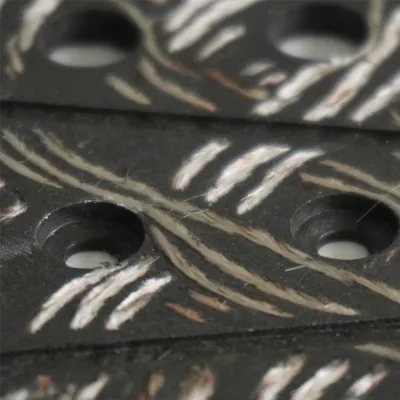
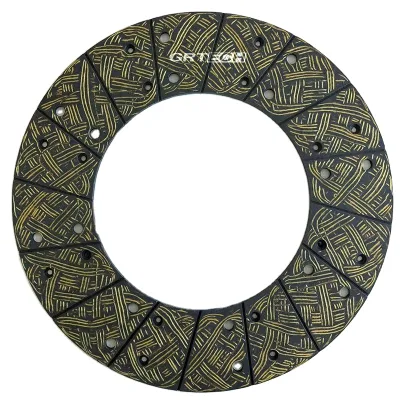
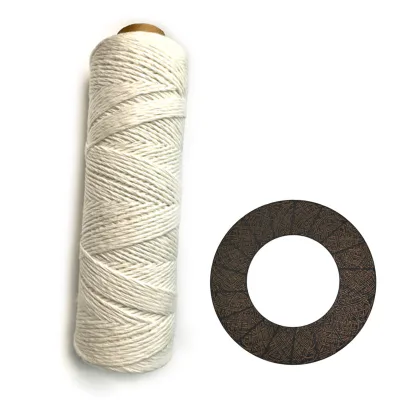
OEM Quality Composite Yarn Clutch Facing Car Clutch Facing Wholesale Price
$1.90 - $2.20
MOQ: 300 Pieces




Comprehensive Sourcing Guide
Composited Yarn Clutch Facing Sourcing Guide
Procurement teams must first distinguish between dry-type multidisc and single-plate electromagnetic clutch configurations when sourcing composited yarn facing materials. The observed product data indicates that specific models utilize galss fiber and Kevla fiber blends to achieve the necessary friction characteristics for high-stress environments. Buyers should verify that the selected facing material aligns with the intended working mode, such as power combining or linkage states, to ensure operational compatibility.
The application scope for these components spans diverse sectors including cars, farm machinery, tractors, heavy-duty trucks, and racing cars. Sourcing strategies must account for the specific structural requirements of the yarn, such as ring spun techniques or yarn form structures, which directly influence the final clutch performance. It is critical to match the fiber coarseness and ply count to the specific vehicle class to prevent premature wear or failure under load.
Product Scope and Observed Listing Signals
Buyers should analyze the observed price range of 0.75 to 10,000 USD to understand the variance in product complexity and material quality. This wide spectrum suggests that some listings may represent raw yarn components while others include fully assembled clutch units or specialized high-copper content variants. Procurement teams must scrutinize the specific product model, such as GPIHP028 or FW-628, to determine if the listing price reflects a simple facing material or a complete assembly with advanced features.
Minimum Order Quantity (MOQ) data ranging from 1 to 21,000 units indicates significant flexibility in supplier capacity but requires careful inventory planning. Small MOQs allow for prototype testing of different fiber blends like staple fiber yarn or ultra-fine yarn, whereas large orders necessitate strict quality control to maintain consistency across the batch. Buyers must align their order volume with the supplier's production capabilities to avoid delays or quality degradation associated with rushed high-volume manufacturing.
Technical Specifications to Verify
Technical verification must begin with the precise dimensional standards, such as the 3802205.0 or 2401803.3 specifications observed in the product listings. These measurements are critical for ensuring the clutch facing fits the specific housing and pressure plate geometry of the target vehicle or machinery. Procurement teams should request detailed engineering drawings to confirm that the physical dimensions match the application requirements before finalizing any purchase agreement.
The electrical and mechanical working states, including DC24V voltage requirements and stroke counts like 2 Stroke, must be validated against the system design. Buyers need to confirm whether the clutch operates in a linkage or no linkage state, as this dictates the control logic and actuation mechanism required for the final assembly. Additionally, verifying the fiber length and number of shares ensures the material possesses the tensile strength needed for the intended high-speed or heavy-duty applications.
Compliance and Safety Documentation
Compliance verification requires checking for recognized industry standards such as GB/T 5764-2018 or GB/T 5764-1998, which govern the performance and safety of friction materials. These standards provide a baseline for testing the wear rate and friction stability of the composited yarn facing under various operating conditions. Buyers should request test reports that explicitly reference these standard numbers to ensure the product meets the regulatory requirements for the target market.
Certification status, such as ISO/TS16949, serves as a vital indicator of the supplier's quality management system and adherence to automotive industry protocols. While the presence of this certification is a strong positive signal, it does not guarantee that every individual product batch meets the same high standards without ongoing audit verification. Procurement teams must ensure that the supplier maintains active certification and provides traceability documentation for every shipment to mitigate supply chain risks.
Cost Drivers and Commercial Terms
Cost structures are heavily influenced by the raw material composition, particularly the inclusion of high-copper content or specialized fibers like Kevla fiber. These premium materials increase the unit cost but often deliver superior thermal stability and lower wearing rates, which can reduce total cost of ownership over the product lifecycle. Buyers should evaluate the trade-off between initial material costs and long-term performance benefits when negotiating pricing with potential suppliers.
Packaging and logistics terms, ranging from standard cartons to wooden cases or palletized shipments, significantly impact the final landed cost and handling requirements. The observed origin locations, including China and Dalian, suggest specific shipping routes and potential tariff implications that must be factored into the total cost analysis. Procurement teams must clarify whether the quoted price includes packaging materials and insurance to avoid unexpected expenses during the delivery phase.
Supplier Qualification and Quality Control
Supplier qualification should prioritize manufacturers with a proven track record in producing specific clutch models like SJ414 or GTFB-Covering yarn. The ability to customize products is a key differentiator, allowing buyers to tailor the fiber structure and color to specific branding or performance needs. Teams must assess the supplier's capacity to handle custom orders while maintaining the strict tolerances required for high-performance automotive and industrial applications.
Quality control processes must be robust enough to handle the variability inherent in natural and synthetic fiber blends. Buyers should verify that the supplier conducts regular inspections for defects such as inconsistent coarseness or improper yarn spinning techniques. Establishing a clear protocol for rejecting non-conforming batches, especially those with issues like the observed "Galss Fiber" spelling variations, is essential for maintaining product integrity.
Long-Term Procurement Checks
Long-term procurement strategies must include regular re-verification of the supplier's adherence to the agreed-upon standards and material specifications. Market fluctuations in raw material costs, such as Kevla or copper, can impact the supplier's ability to maintain consistent quality without renegotiating terms. Buyers should schedule periodic audits to ensure that the production processes remain stable and that the supplier continues to meet the evolving demands of the automotive and machinery sectors.
Performance monitoring of the installed clutch facings is critical for validating the initial selection and identifying any emerging quality issues. Tracking metrics such as wearing rate and friction stability over time provides data-driven insights into the supplier's reliability and the product's durability. Procurement teams should maintain a feedback loop with end-users to quickly address any performance deviations and adjust future sourcing decisions accordingly.
FAQs
What materials are used for the clutch facing?
The clutch facing utilizes glass fiber and Kevlar fiber as primary materials. These composites ensure high durability and friction performance. The product is designed for various vehicles including cars and heavy-duty trucks. This material selection supports the requirement for low wearing rates in demanding applications.
Which certifications does the product hold?
The product holds ISO/TS16949 certification for friction clutches. This standard ensures quality management in automotive production. The certification applies to the specific classification of the friction clutch. Buyers can rely on this standard for compliance in automotive and tractor manufacturing sectors.
Can the product be customized for specific needs?
Yes, customization is available for this clutch facing product. Buyers can request specific modifications to meet unique operational requirements. The product supports various working modes and states including linkage and no linkage. This flexibility allows adaptation for different machinery types like racing cars and farm equipment.
What is the standard specification for the model?
Standard specifications include dimensions like 380 by 220 by 5.0 millimeters for certain models. Other models follow standards such as GB/T 5764-2018. The product models vary, including GPIHP028 and FW-628. These specifications define the physical and performance characteristics for industrial use.
How is the product packed for shipment?
The product is typically packed in cartons or wooden cases. Some items use carton plus pallet packaging for stability. The packing method depends on the specific model and order size. This ensures safe transport to destinations like Dalian or other global locations.
What is the working state of the clutch?
The clutch operates in linkage or no linkage working states depending on the model. Some versions function with power combining modes. The working state is selected based on the application requirements. This versatility supports usage in cars, tractors, and heavy-duty trucks effectively.
Which industries use this clutch facing product?
This product is used in cars, farm machinery, tractors, and racing cars. It also serves heavy-duty trucks and motorcycles. The material composition supports high-performance needs in these sectors. The wide usage range makes it suitable for diverse mechanical applications globally.