Source Manual Transmission Gearbox for Machinery, Motors, and Cars
Source a Manual Transmission Gearbox from 30 verified listings. Compare specifications such as torque, speed ratio, and installation types for applications in machinery, motors, and automotive sectors. Evaluate options based on customization, packing, and origin details to find the right fit.
Key considerations
Products List


Front End Loader Drive-Train Transmission Assembly Power Shift Gearbox
$1000.00 - $12000.00
MOQ: 1 Pieces

Construction Equipment Gearbox Assembly Power Shift Transmission Analogue
$1000.00 - $12000.00
MOQ: 1 Pieces


Super Low Price Transmission Gearbox/Torque Converter/Axle From China
$1000.00 - $12000.00
MOQ: 1 Pieces

High Performance Powershift Transmission Gearbox with CE Certificate
$1000.00 - $12000.00
MOQ: 1 Pieces

Hot Sales China Top Brand Transmission/Gearbox/Torque Converter/Axle
$1000.00 - $12000.00
MOQ: 1 Pieces



Comprehensive Sourcing Guide
Manual Transmission Gearbox Sourcing Guide
Procuring manual transmission gearboxes requires a clear understanding of the specific mechanical architecture and application demands, as the market offers diverse configurations ranging from simple worm gear boxes to complex cycloidal units. Buyers must distinguish between products designed for general machinery and those intended for specialized sectors like agricultural equipment or marine applications, where load characteristics differ significantly. The observed product data indicates a wide spectrum of models, including specific series like DH-2410312 and FLF-001, which serve distinct functional roles in power distribution and torque conversion.
Sourcing decisions should prioritize the alignment between the gearbox's physical attributes and the operational environment of the end-use machinery. Factors such as installation type, whether torque arm or oscillating base, and the hardness of the tooth surface directly influence longevity and maintenance frequency. Since customization is available for many listed units, buyers should define their exact requirements for layout, step type, and motor coupling early in the process to ensure the selected component integrates seamlessly with existing drive systems without requiring extensive modification.
Product Scope and Observed Listing Signals
The current market landscape for manual transmission gearboxes reveals a broad range of product types, including worm gear boxes, cycloidal reducers, and transmission series designed for specific motor powers. Listings indicate that these components are often categorized by their layout, such as three-ring or cycloidal designs, and their functional application in distributing power to motors, cars, or agricultural machinery. The variety in observed models suggests that buyers must carefully filter options based on whether they need a stepless unit or a single-step reducer to match their specific speed ratio requirements.
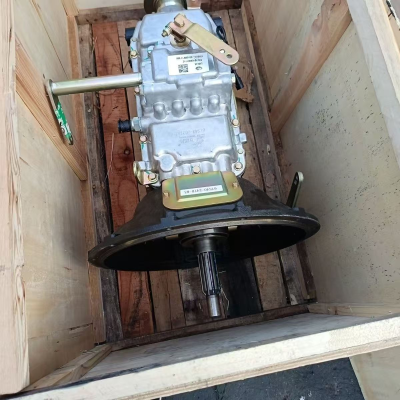
Packaging and origin data provide critical logistical signals for international procurement, with products originating from regions like Wuxi Jiangsu and Zhejiang, China, utilizing diverse packing methods from wooden crates to cartons. The observed weight ranges, spanning from 0.7 to 80 kilograms, highlight the significant variance in unit size and capacity, necessitating precise selection based on the load-bearing needs of the target application. Buyers should verify the specific model series, such as DGD or SMRV040-71, to ensure the physical dimensions and output torque capabilities align with their engineering specifications before finalizing any purchase order.
Technical Specifications to Verify
Technical verification must begin with the input and output parameters, specifically the motor power ratings and speed ratios, which are fundamental to the gearbox's performance. Observed data points to motor power ranges between 0.25kw and 4kw, with input speeds typically set at 1400 Rpm or other custom values, while output torque capacities vary from 3.0n.M to 500n.M. Buyers should confirm that the selected unit's speed ratio, such as the observed 2.73, matches the required reduction for their specific machinery to prevent inefficiencies or mechanical failure under load.
Material composition and surface treatment are equally critical, as the standard for many units involves a combination of aluminium alloy and cast iron, with tooth surfaces classified as soft. The installation method, whether torque arm type or oscillating base, must be compatible with the mounting structure of the host equipment to ensure stability during operation. Additionally, the color options, ranging from blue to silver or custom finishes, may be relevant for branding or identification purposes, but the primary focus must remain on the mechanical integrity and the specific application suitability for sectors like electric cars or marine environments.
Compliance and Safety Documentation
Compliance verification is essential when sourcing industrial components, as the market data indicates varying standards such as CE, DI, and ISO 9001 for quantity control. Buyers must explicitly request and validate certification documents to ensure the product meets the regulatory requirements of their destination market, particularly since some listings specify standards like "Comstoms' Request" which may require further clarification. The presence of ISO 9001 certification for new condition products suggests a baseline for quality management, but this should be cross-referenced with specific safety standards relevant to the machinery's intended use.
Safety documentation should also address the production cycle and the specific conditions under which the gearboxes are manufactured, as lead times can range from 7 to 25 days depending on the customization level. Buyers need to ensure that the supplier provides clear documentation regarding the production process, including any quality control measures that guarantee the unit's reliability. It is crucial to verify that the product condition is explicitly stated as new and that any customizations provided do not compromise the structural integrity or safety ratings of the final assembly.
Cost Drivers and Commercial Terms
Cost structures for manual transmission gearboxes are heavily influenced by the level of customization, material selection, and the complexity of the required specifications. The observed MOQ range of 1 to 1800 units indicates that pricing models vary significantly between small-batch custom orders and large-scale production runs, with buyers needing to negotiate terms that reflect their volume requirements. Factors such as the specific model series, the inclusion of custom features like unique layouts or motor couplings, and the origin location will directly impact the final unit price and overall procurement budget.
Commercial terms must clearly define the production cycle, which is observed to be between 7 and 25 days, and the packaging requirements, which can range from individual boxes to wooden crates and wood pallets. Buyers should establish clear agreements on the unit of measure, typically listed as PC or PCS, and ensure that the pricing includes all necessary logistics for the specified origin, whether from Wuxi Jiangsu or Zhejiang. Understanding these variables is vital for accurate cost forecasting, as the complexity of the request, such as specific feed types or power sources, can introduce additional costs that must be accounted for in the total landed cost.
Supplier Qualification and Quality Control
Supplier qualification should focus on verifying the manufacturer's adherence to recognized quality management systems, such as the ISO 9001 standard noted in the product data. Buyers must confirm that the supplier maintains consistent quality control processes, particularly for custom orders where specifications like the "Differs" standard or specific model requests require rigorous attention to detail. The availability of customization services suggests that the supplier has the engineering capacity to adapt products, but this capability must be backed by a proven track record of delivering units that meet the stated technical and safety requirements.
Quality control checks should extend to the physical attributes of the delivered goods, including the hardness of the tooth surface, the color consistency, and the integrity of the packaging. Since the observed data includes specific production cycles and origin locations, buyers should implement a verification protocol that includes pre-shipment inspections to ensure the units match the agreed-upon specifications. It is also important to validate that the supplier can consistently provide the required output torque and speed ratios, ensuring that the final product performs reliably in its intended application without premature wear or failure.
Long-Term Procurement Checks
Long-term procurement strategies should prioritize the establishment of a reliable supply chain that can consistently meet the evolving needs of the buyer's machinery fleet. Given the wide range of applications observed, from toy manufacturing to marine and agricultural machinery, buyers must ensure that their suppliers have the capacity to scale production and maintain quality over time. Regular audits of the supplier's production facilities and quality control records are essential to verify that the ISO 9001 certification and other standards remain valid and effectively implemented throughout the production process.
Buyers should also plan for the long-term availability of spare parts and technical support, as the specific models and customizations may require specialized components for maintenance. The observed variety in product models and standards suggests that a robust relationship with the supplier is necessary to navigate future changes in technology or regulatory requirements. Establishing clear communication channels for feedback on product performance and potential improvements will help ensure that the manual transmission gearboxes continue to meet the operational demands of the machinery for years to come.
FAQs
What customization options are available for manual transmission gearboxes?
Customization is available for manual transmission gearboxes to meet specific operational needs. Buyers can request tailored layouts, such as three-ring or cycloidal designs, and choose from various installation types like torque arm or oscillating base. Production cycles typically range from 7 to 25 days, allowing for flexible manufacturing schedules based on the requested specifications and standard requirements.
Which certifications apply to Manual Transmission Gearbox suppliers?
Suppliers often provide ISO 9001 certification for quality management and CE certification for product standards. Some manufacturers also adhere to ISOOEM standards and specific quantity control protocols. These certifications ensure that the manual transmission gearboxes meet international quality and safety benchmarks, providing buyers with confidence in the reliability and consistency of the supplied mechanical components.
How does the MOQ vary for Manual Transmission Gearbox orders?
The minimum order quantity for manual transmission gearboxes ranges from 1 to 1800 units, depending on the supplier and product model. This flexibility allows buyers to place small trial orders or large bulk purchases. The unit is typically counted in pieces, and packaging methods vary from cartons to wooden crates, accommodating different logistical requirements for the ordered quantity.
Can manual transmission gearboxes be sourced from specific locations?
Yes, manual transmission gearboxes can be sourced from specific manufacturing hubs in China, including Wuxi Jiangsu and Zhejiang. These regions are known for producing various gearbox models with distinct specifications. Buyers can filter suppliers by these locations to align with their supply chain preferences, ensuring proximity to established industrial clusters that specialize in mechanical transmission components.
What specifications define the Manual Transmission Gearbox models?
Manual Transmission Gearbox models are defined by specifications such as speed ratios, input speeds, and output torque. For instance, some models feature a speed ratio of 2.73 and an input speed of 1400 RPM, with output torque ranging from 3.0 to 500 Nm. These technical parameters help buyers select the appropriate gearbox for their machinery, motor, or automotive applications.
What packaging methods are used for manual transmission gearboxes?
Packaging methods for manual transmission gearboxes include cartons, wooden crates, and individual boxes. Some suppliers use one piece per box, while others utilize wooden pallets for bulk shipments. The choice of packaging depends on the product size and shipping requirements, ensuring that the gearboxes are protected during transit and arrive in optimal condition for installation and use.