Source Inner Cv Joint for Audi, Santana, and OEM Standard
Compare 30 Inner Cv Joint listings from Zhejiang manufacturers. Buyers can evaluate steel materials, OE numbers, and dimensions for Audi and Santana applications before requesting quotes. Detailed specifications include hardness, spline counts, and package sizes to ensure compatibility with various vehicle models.
Key considerations
Products List
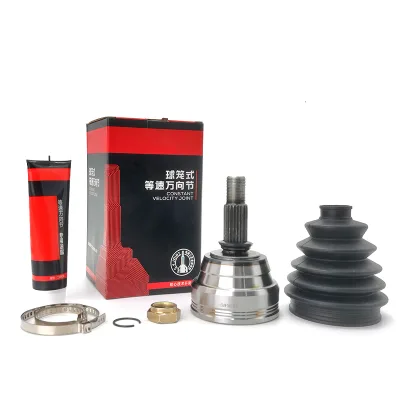


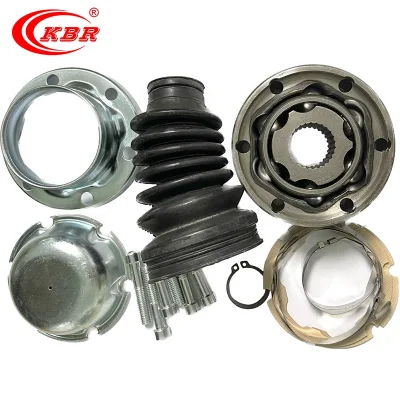

Front Axle Transmission Drive Shaft End Inner Joint Kit for Honda Mazda Hyundai Ford
$9.00 - $15.00
MOQ: 100 Pieces


Auto Parts Customized Car Accessories Multi-Specification Flexibility CV Joint
$25.00 - $50.00
MOQ: 1000 Pieces


Hot Die Forging Flexibility Hardware Construction Machinery Auto Joint
$25.00 - $50.00
MOQ: 1000 Pieces


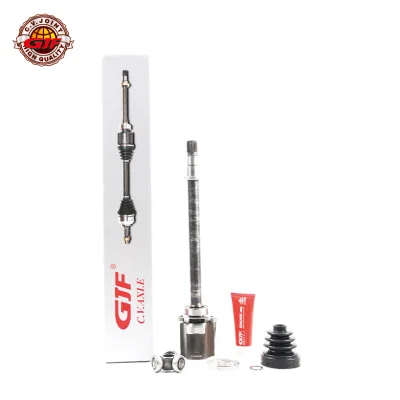
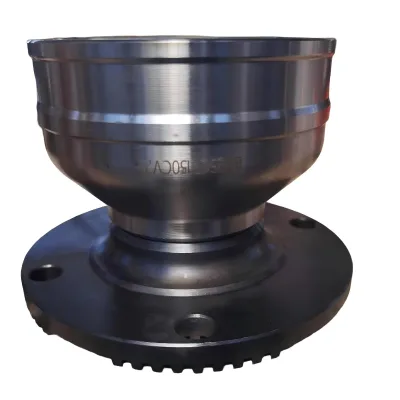
Ball Joint Replacement. Constant Velocity (CV) Joint.Wheel Hub Assembly
$97.49 - $100.57
MOQ: 10 pieces
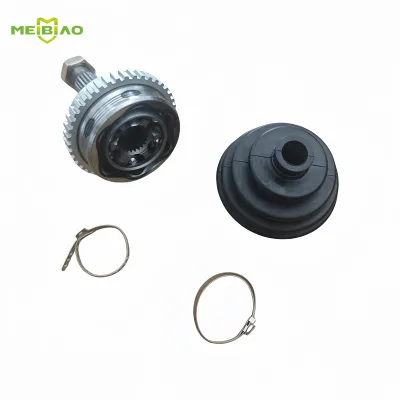
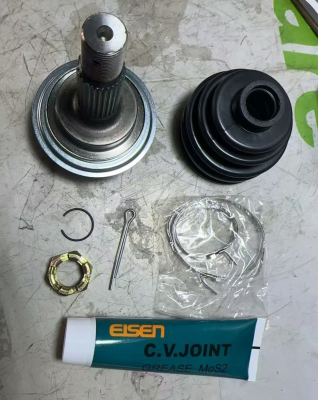


Durable Constant Velocity Universal Joint Drive Shaft for Heavy-Duty Applications
$10.00 - $20.00
MOQ: 1000 Pieces

Comprehensive Sourcing Guide
Inner Cv Joint Sourcing Guide
Sourcing inner constant velocity joints requires a disciplined approach to technical verification and supplier qualification. These critical drivetrain components transmit torque while accommodating angular displacement, making precision manufacturing essential for vehicle safety and performance. Buyers must navigate a market where specifications vary significantly by vehicle platform, necessitating rigorous cross-referencing of original equipment manufacturer numbers against available inventory. The complexity of inner joint designs, which often include splined shafts and specific ball track geometries, demands that procurement teams prioritize exact dimensional matches over generic compatibility claims.
This guide outlines the essential steps for evaluating Inner Cv Joint suppliers, focusing on technical accuracy, commercial terms, and quality assurance protocols. By understanding the key attributes such as material hardness, spline counts, and packaging standards, buyers can mitigate the risk of receiving non-conforming parts. The following sections provide a structured framework for assessing supplier capabilities, verifying product specifications, and establishing long-term procurement strategies that ensure consistent supply of high-quality drivetrain components for automotive repair and manufacturing applications.
Product Scope and Observed Listing Signals
The current market landscape for inner CV joints reveals a diverse range of offerings, primarily sourced from manufacturing hubs in Zhejiang, China. Listings indicate a strong presence of customizable branding options, allowing distributors to private-label products while maintaining access to established manufacturing capabilities. The observed product range includes both inner and outer CV joints, with specific models tailored for various automotive platforms, including Audi and Santana vehicles. This variety suggests that suppliers are equipped to handle specific OEM replacements as well as broader aftermarket demands, providing flexibility for buyers seeking targeted solutions for specific vehicle makes.
Observed listing signals highlight a focus on high-quality materials and durable construction, with steel being the predominant material used in manufacturing. Products are typically presented as new condition items, complete with warranty coverage and sample availability to facilitate initial testing and validation. The single package dimensions and gross weights provide insight into logistics planning, with compact packaging designed to optimize shipping efficiency. Buyers should note that while many listings offer customizable options, the core product attributes remain consistent with industry standards for replacement parts, ensuring that the functional integrity of the joint is maintained across different branding configurations.
Technical Specifications to Verify
Verifying technical specifications is paramount when sourcing inner CV joints, as even minor deviations can lead to premature failure or drivetrain damage. Key attributes to confirm include the number of splines, which may vary between 26 teeth and other configurations, and the precise distance between steel balls, such as 79.8mm in specific models. The pitch circle diameter (PCD) and hole dimensions, like 6 holes with an 8.5mm diameter, must match the vehicle’s axle requirements exactly. Additionally, the hardness of the material, often specified as HRC58-62 for 20Cr steel, ensures durability under high stress, while overall dimensions such as outer diameter and height must align with the original part’s geometry to ensure proper fitment.
Buyers should also pay close attention to the OE numbers provided by suppliers, such as 8KO498099YF or 191407331YF, to ensure compatibility with specific vehicle models. These numbers serve as critical reference points for cross-referencing parts and avoiding mismatches. The type of joint, whether inner or outer, must be clearly identified, as inner joints often have different structural requirements compared to their outer counterparts. Confirming the car model compatibility is essential, as some listings may require direct consultation to verify fitment for specific applications. Ensuring that all these technical details are accurately documented and verified before placing orders will prevent costly returns and operational delays.
Compliance and Safety Documentation
While specific certification statuses are not explicitly detailed in the provided listings, buyers must ensure that suppliers adhere to relevant automotive industry standards for safety and quality. The emphasis on features such as safety, stability, and durability suggests that manufacturers prioritize robust construction, but formal documentation is necessary to validate these claims. Buyers should request evidence of quality management systems and any applicable industry certifications that demonstrate compliance with international standards for automotive components. This due diligence helps mitigate risks associated with product liability and ensures that the sourced parts meet the necessary safety benchmarks for installation in vehicles.
Additionally, the provision of warranty coverage, typically lasting one year, offers a layer of protection for buyers against manufacturing defects. This warranty should be clearly defined in the commercial agreement, outlining the terms for returns or replacements in case of non-conformance. Buyers should also verify the supplier’s ability to provide test results or quality assurance reports that confirm the hardness, material composition, and dimensional accuracy of the joints. Establishing clear communication channels for addressing quality issues and ensuring that the supplier has a robust process for handling customer complaints is essential for maintaining a reliable supply chain and protecting the buyer’s interests.
Cost Drivers and Commercial Terms
Several factors influence the cost of inner CV joints, including material quality, manufacturing complexity, and order volume. The use of high-grade steel and precise machining processes contributes to the overall cost, ensuring that the joints meet the required performance standards. Minimum order quantities (MOQs) typically range from 200 to 1000 pieces, which can impact pricing tiers and inventory management strategies for buyers. Understanding these MOQ requirements is crucial for optimizing order sizes and balancing inventory costs with supply continuity, especially for smaller procurement volumes or specialized applications.
Commercial terms such as sample availability and customization options also play a significant role in the procurement process. Suppliers often accept samples to allow buyers to verify product quality before committing to larger orders, which can reduce the risk of purchasing non-conforming goods. Customization options, including branding and packaging, may incur additional costs but can enhance brand visibility and market positioning for distributors. Buyers should negotiate clear terms regarding payment methods, shipping responsibilities, and lead times to ensure a smooth transaction process. Establishing a transparent pricing structure and understanding the cost implications of various commercial terms will help buyers make informed decisions and manage their procurement budgets effectively.
Supplier Qualification and Quality Control
Evaluating supplier qualifications is a critical step in ensuring the reliability of Inner Cv Joint sourcing. Buyers should assess the supplier’s manufacturing capabilities, including their production capacity and quality control processes. The observation that suppliers are both manufacturers and exporters suggests a direct supply chain, which can offer advantages in terms of pricing and communication. However, buyers must verify the supplier’s track record, including their experience in producing automotive components and their ability to meet specific technical requirements. Requesting references or case studies from previous clients can provide valuable insights into the supplier’s reliability and performance.
Quality control measures should be rigorously evaluated to ensure that the products meet the specified standards. Buyers should inquire about the supplier’s inspection processes, including incoming material checks, in-process inspections, and final product testing. The emphasis on features such as durability and quality assurance indicates that suppliers prioritize these aspects, but formal documentation of these processes is necessary for validation. Establishing a clear quality agreement that outlines acceptance criteria, defect rates, and corrective action procedures is essential for maintaining consistent product quality. Regular audits and performance reviews can help ensure that the supplier continues to meet the buyer’s expectations and maintains high standards of manufacturing excellence.
Long-Term Procurement Checks
Establishing long-term procurement checks is essential for maintaining a stable and reliable supply of inner CV joints. Buyers should implement regular performance reviews to assess the supplier’s adherence to quality standards, delivery timelines, and customer service responsiveness. Monitoring key performance indicators such as defect rates, on-time delivery percentages, and response times to quality issues can provide valuable insights into the supplier’s overall performance. These metrics should be tracked over time to identify trends and areas for improvement, ensuring that the supply chain remains robust and resilient to potential disruptions.
Continuous communication and collaboration with the supplier are also vital for long-term success. Buyers should maintain open lines of communication to address any emerging issues promptly and to discuss potential improvements or changes in product requirements. Regular feedback sessions can help strengthen the partnership and ensure that both parties are aligned on quality expectations and business goals. Additionally, buyers should stay informed about industry developments and technological advancements that may impact the sourcing strategy, allowing them to adapt to changing market conditions and maintain a competitive edge in their procurement operations.
FAQs
What is the minimum order quantity for inner CV joints?
The minimum order quantity is 200 pieces per item. This standard MOQ applies to new condition products sourced from Zhejiang, China, ensuring efficient bulk procurement for automotive repair needs.
Can I request samples before placing a large order?
Yes, samples are accepted for verification purposes. Buyers can request individual items to confirm quality and specifications before committing to larger volumes, supporting a cautious purchasing strategy.
Which car models are compatible with these inner CV joints?
These joints fit Audi, Santana, and other models based on OEM standards. Specific compatibility requires contacting the manufacturer directly to confirm the exact car model against the provided OE numbers.
What material is used to manufacture these steering universal joints?
The product is manufactured using high-quality steel, specifically grade 20Cr. This material ensures durability and stability, meeting the high-quality standards required for automotive replacement and repair applications.
How long is the warranty period for these automotive parts?
A one-year warranty is provided for all new condition products. This coverage applies to the inner CV joints and outer CV joints, offering assurance for the purchased automotive replacement parts.
What are the specific dimensions of the Inner Cv Joint package?
The single package size measures 10x10x20 cm with a gross weight of 3 kg. Packaging includes a polybag and carton, ensuring safe transport for the 90.8x94x100 mm product dimensions.
Is customization available for the brand name on these parts?
Customization is available for the brand name and product standards. Buyers can request specific branding or standards to meet their demand, provided the manufacturer and exporter can accommodate these requirements.