Source For Volvo Truck Exhaust Pipe for Fleet Repair
Find reliable For Volvo Truck Exhaust Pipe options from verified suppliers. Compare 30 listings featuring steel flexible pipes, IATF16949 certified components, and custom sizes for efficient fleet maintenance and replacement needs; compare the available evidence and request quotations based on your requirements.
Key considerations
Products List
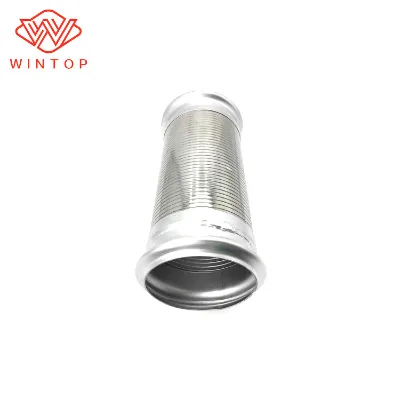


1628883 Engine Exhaust Pipe for Volvo Truck Fh/FM/Fmx/Nh 9/10/11/12/13/16
$8.00 - $888.00
MOQ: 100 Pieces

for Scania Truck P-/G-/R-/T-Series 2260787 1852050 Engine Exhaust Pipe
$8.00 - $888.00
MOQ: 100 Pieces


1734040 Front Exhaust Pipe for Scania Truck 4-Series P-/G-/R-/T-Series
$8.00 - $888.00
MOQ: 100 Pieces


Comprehensive Sourcing Guide
For Volvo Truck Exhaust Pipe Sourcing Guide
Procuring replacement exhaust components for heavy-duty commercial vehicles requires a disciplined approach to technical alignment and supply chain reliability. The global market for truck exhaust systems is dominated by specialized manufacturers who focus on durability, thermal resistance, and precise fitment for specific chassis models. Buyers must navigate a complex landscape where generic listings often obscure critical dimensional differences, making it essential to verify part numbers against original equipment manufacturer (OEM) specifications before committing to any purchase. This guide provides a structured framework for evaluating suppliers, ensuring that the selected components meet the rigorous demands of commercial fleet operations.
The following sections outline the key considerations for sourcing high-quality exhaust pipes, focusing on material integrity, certification standards, and commercial terms. By adhering to these guidelines, procurement teams can mitigate the risks associated with incompatible parts, premature failure, and non-compliant manufacturing practices. The objective is to establish a robust sourcing strategy that balances cost efficiency with the long-term reliability required for maintaining fleet uptime and operational safety.
Product Scope and Observed Listing Signals
Market listings for Volvo truck exhaust components frequently display a wide range of product attributes, including flexible steel pipes, rigid sections, and custom-style assemblies. Observations indicate that suppliers often list multiple OEM numbers, such as 1605629, 8152590, and 208334, alongside proprietary model codes like WT-VLV-8034. Buyers should treat these identifiers as reference points rather than definitive guarantees of compatibility, as some listings may also claim fitment for other brands like Freightliner. It is crucial to cross-reference these numbers with the specific truck model and year to ensure accurate part selection.
Packaging and physical specifications vary significantly across different suppliers, with gross weights ranging from 8.0 kg to 19.0 kg and dimensions such as 76x32x34 cm or 55x25x20 cm. These variations reflect differences in product length, material thickness, and packaging methods, which can impact shipping costs and handling requirements. Some listings specify ocean freight packaging, while others use standard cartons or wooden boxes. Procurement teams must account for these logistical details when calculating total landed costs and planning warehouse storage, ensuring that the physical characteristics of the product align with internal handling capabilities.
Technical Specifications to Verify
Dimensional accuracy is paramount when sourcing exhaust pipes, as even minor deviations can lead to installation failures or exhaust leaks. Key specifications to verify include the pipe diameter, which is often listed as 5 inches, and the wall thickness, which may be specified as 1.5 mm or customized to meet specific performance needs. Buyers should request detailed technical drawings or CAD files from suppliers to confirm internal and external diameters, flange dimensions, and bend radii. These measurements must match the original equipment specifications to ensure proper alignment with the engine and after-treatment systems.
Material composition and surface treatment are also critical factors that influence the longevity and performance of the exhaust system. Listings often describe the material as standard steel or stainless steel, with surface finishes ranging from polished and brushed to raw or customized options. The choice of material affects resistance to corrosion and thermal cycling, which are common stressors in heavy-duty trucking applications. Buyers should confirm the exact alloy grade and coating type to ensure that the component can withstand the high temperatures and harsh environmental conditions typical of commercial truck operations.
Compliance and Safety Documentation
Certification status is a primary indicator of a supplier’s commitment to quality management and regulatory compliance. Many reputable manufacturers hold IATF 16949 certification, which is the international standard for quality management in the automotive industry. This certification ensures that the supplier has implemented rigorous processes for design, production, and continuous improvement. Buyers should request valid certification documents and verify their authenticity through the issuing body, as counterfeit certificates are not uncommon in the global trade of automotive parts.
In addition to quality certifications, buyers must ensure that the exhaust components comply with local environmental and safety regulations. While specific emission standards vary by region, components must generally meet the requirements for noise reduction and pollutant control applicable to the vehicle’s operating jurisdiction. Suppliers should provide documentation confirming that their products meet these regulatory benchmarks, including any necessary test reports or compliance statements. Failure to verify this documentation can result in legal liabilities and operational disruptions for fleet operators.
Cost Drivers and Commercial Terms
Pricing for truck exhaust components is influenced by several factors, including material costs, manufacturing complexity, and order volume. Observed price ranges in the market can vary widely, reflecting differences in product quality, brand reputation, and supplier location. Buyers should request detailed quotations that break down costs for materials, labor, and packaging, allowing for a transparent comparison between different suppliers. It is also important to consider the minimum order quantity (MOQ), which can range from 50 to 1000 pieces, as this affects inventory management and cash flow.
Warranty terms and return policies are critical components of the commercial agreement, providing protection against defective products or premature failures. Most suppliers offer a warranty period of 12 months, but the specific coverage and claim process should be clearly defined in the contract. Buyers should also clarify the lead times for production and delivery, as delays can impact fleet maintenance schedules. Understanding these commercial terms helps in negotiating favorable conditions and establishing a reliable supply chain partnership.
Supplier Qualification and Quality Control
Supplier qualification involves a thorough assessment of the manufacturer’s production capabilities, quality control processes, and financial stability. Buyers should conduct on-site audits or request virtual tours to verify the supplier’s manufacturing facilities and equipment. Key areas to inspect include welding quality, dimensional inspection tools, and testing procedures for thermal and pressure resistance. A robust quality control system ensures that every batch of exhaust pipes meets the specified standards before shipment.
Communication and responsiveness are also important indicators of a supplier’s reliability. Buyers should evaluate the supplier’s ability to provide timely technical support, handle custom orders, and resolve issues promptly. Clear communication channels facilitate better collaboration and help in addressing any discrepancies or concerns during the procurement process. Establishing a strong relationship with a qualified supplier enhances the overall sourcing experience and contributes to long-term supply chain resilience.
Long-Term Procurement Checks
Continuous monitoring of supplier performance is essential for maintaining the quality and reliability of the exhaust component supply chain. Buyers should implement a regular review process to assess key performance indicators such as on-time delivery, defect rates, and customer satisfaction. This data-driven approach helps in identifying potential issues early and taking corrective actions to prevent disruptions. Regular feedback loops with the supplier foster a culture of continuous improvement and mutual growth.
Adapting to market changes and technological advancements is another critical aspect of long-term procurement strategy. The automotive industry is constantly evolving, with new materials and manufacturing techniques emerging to improve performance and sustainability. Buyers should stay informed about these developments and evaluate their potential impact on their sourcing strategy. By remaining agile and proactive, procurement teams can ensure that their supply chain remains competitive and aligned with the evolving needs of their fleet operations.
FAQs
What is the warranty period for this steel flexible exhaust pipe?
The warranty period is 12 months for this new condition steel flexible pipe. This coverage applies to the component under normal operational use. Buyers should retain proof of purchase to validate the warranty terms. The product is designed for replacement or repair purposes, ensuring reliability during the covered timeframe.
Can I customize the diameter and surface finish of the exhaust pipe?
Yes, customization is available for both diameter and surface finish. The standard diameter is 5 inches, but customized options are supported. Surface finishes include polished, brushed, raw, or other custom styles. Buyers can specify their exact requirements to match specific truck models or aesthetic preferences during the ordering process.
Which certifications does the manufacturer hold for this exhaust component?
The manufacturer holds IATF16949 and ISOCE certifications for this exhaust component. These credentials indicate adherence to international quality management standards. Buyers can rely on these certifications to ensure consistent product quality and manufacturing processes. The certifications are verified and documented for transparency in the supply chain.
What is the minimum order quantity for this Volvo truck part?
The minimum order quantity is 50 pieces for this Volvo truck part. This MOQ applies to standard orders placed through the supplier. Buyers requiring smaller quantities may need to check for alternative options or negotiate directly. Bulk orders may offer better pricing efficiency per unit.
Where is this steel flexible pipe manufactured and shipped from?
This steel flexible pipe is manufactured and shipped from Zhejiang, China. The origin is clearly stated for logistics and sourcing transparency. Buyers should account for international shipping times and customs procedures when planning their supply chain. The location supports efficient production and distribution for global markets.
What packaging options are available for this exhaust pipe shipment?
Packaging options include carton, wooden box, or customized solutions for this exhaust pipe. Standard shipments typically use carton packaging for protection. Wooden boxes may be selected for heavier or more fragile items. Customized packaging can be arranged to meet specific logistical or branding requirements during the procurement phase.