Source Compostable Herb Clamshell Plastic Container for Fruit, Vegetable, To Go Food
Find 30 listings for the Compostable Herb Clamshell Plastic Container designed for fruit, vegetable, and to-go food packaging. Buyers can compare dimensions, material types like PET, and customization options from suppliers in Shandong, China.
Key considerations
Products List


Factory Price Plastic Herb Clamshell Customized Blister Packaging Box
$0.03 - $0.04
MOQ: 100000 Pieces
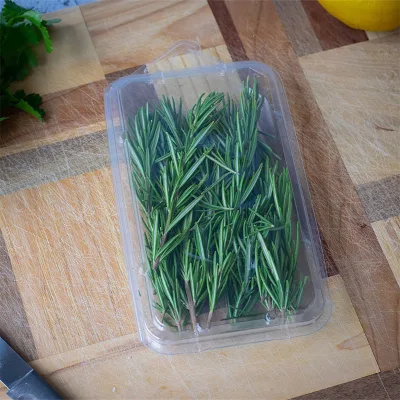
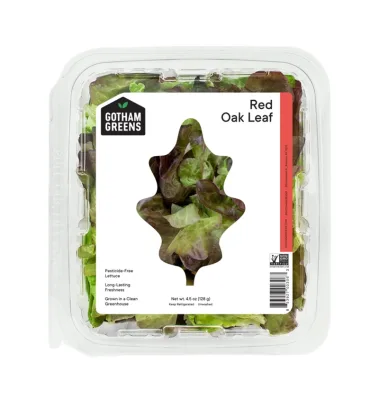

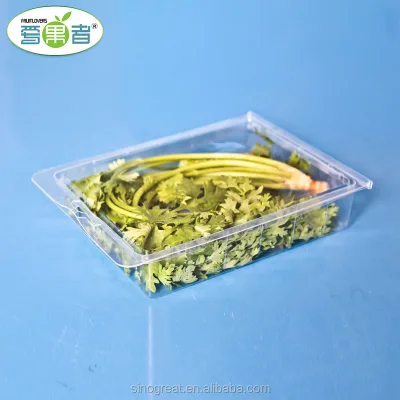
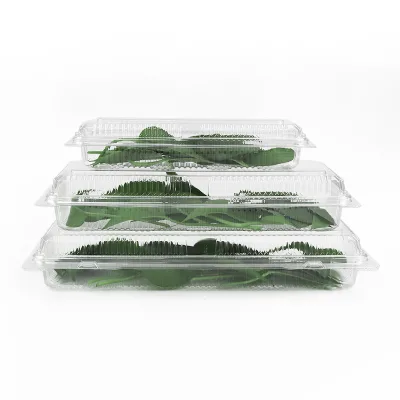
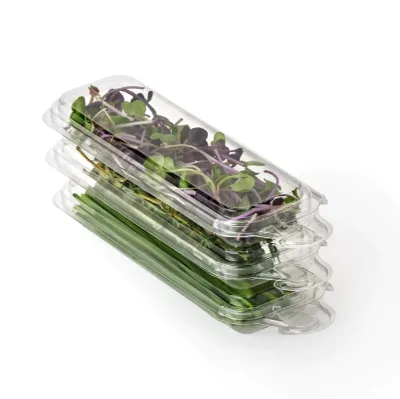
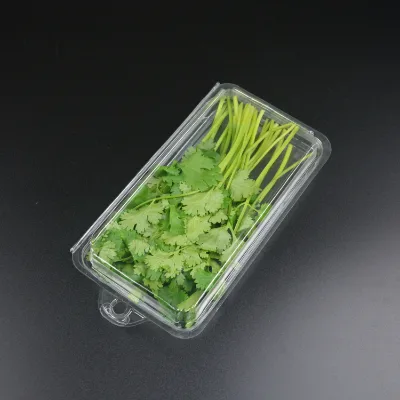
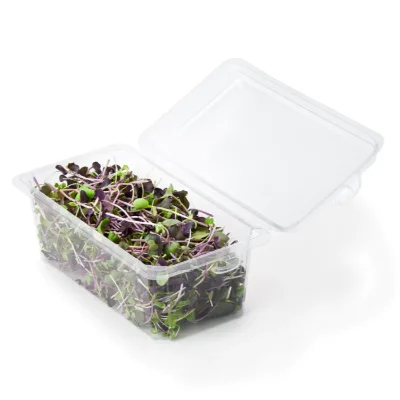
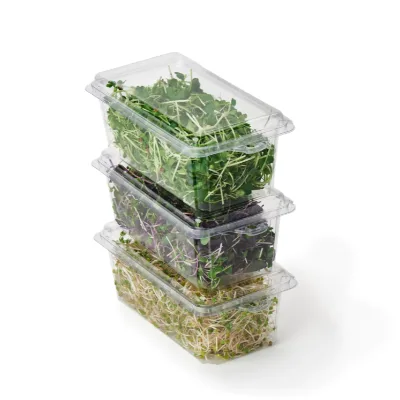
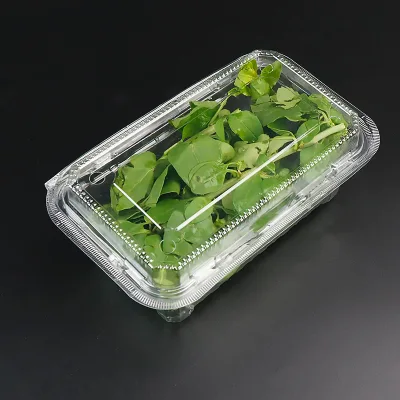

Reusable Plastic Clamshell Container for Eco-Friendly Packaging Solutions
$0.10 - $1.00
MOQ: 50000 Pieces

Disposable Plastic Clamshell for Herb Clear and Durable Food Packaging
$0.10 - $1.00
MOQ: 50000 Pieces


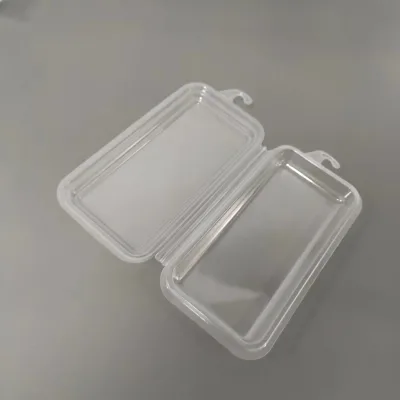

Comprehensive Sourcing Guide
Compostable Herb Clamshell Plastic Container Sourcing Guide
Sourcing packaging for fresh produce requires a careful balance between material performance, regulatory compliance, and commercial viability. The market for clamshell containers is diverse, ranging from rigid, transparent PET structures designed for fruit display to specialized formats for herbs and vegetables. Buyers must navigate a landscape where terminology can be ambiguous, particularly when distinguishing between standard plastic packaging and truly compostable alternatives. This guide provides a structured approach to evaluating suppliers, verifying technical specifications, and ensuring that the selected packaging meets both operational needs and sustainability goals.
The procurement process begins with a clear definition of the product’s intended use and the specific physical requirements of the packaged goods. Whether sourcing for high-volume fruit distribution or niche herb retail, the container must provide adequate protection, visibility, and ease of handling. By focusing on verified attributes such as material type, dimensional accuracy, and customization options, buyers can filter out irrelevant listings and identify suppliers capable of delivering consistent quality. This disciplined approach minimizes the risk of receiving packaging that fails during transit or does not meet end-consumer expectations.
Product Scope and Observed Listing Signals
The observed product landscape includes a variety of clamshell formats, with specific models identified for fruit and herb applications. Listings frequently highlight features such as transparency, disposable nature, and competitive pricing, which are critical for high-volume retail environments. For instance, specific model numbers like HB22 and GLT-HB22 are associated with fruit packaging, while other entries explicitly mention herb clamshells. These signals indicate that suppliers often maintain distinct product lines tailored to different produce types, requiring buyers to carefully match the container’s structural integrity and ventilation needs to the specific commodity being packaged.
Material composition is a primary differentiator in this category, with Polyethylene Terephthalate (PET) being a commonly observed plastic type. PET offers excellent clarity and rigidity, making it suitable for displaying fresh produce, but it is important to distinguish between standard recyclable PET and compostable variants. Some listings mention "compostable" in the keyword context, yet the observed attributes often specify PET or generic plastic types. Buyers must verify whether the container is designed for industrial composting facilities or if it is a standard plastic alternative, as this distinction significantly impacts disposal compliance and environmental claims.
Technical Specifications to Verify
Dimensional accuracy is paramount for automated packaging lines and shelf stability. Observed specifications include sizes such as 19011585mm, 1909930mm, and 8312930mm, indicating a range of form factors available in the market. Buyers should verify that the selected model number corresponds precisely to the required internal volume and external footprint to ensure compatibility with existing filling and sealing equipment. Customization is frequently available, allowing for tailored dimensions, but this may impact lead times and minimum order quantities. It is essential to confirm that the supplier can maintain tight tolerances across large production runs to prevent jams or misalignments in high-speed packaging operations.
Structural features such as cover design, hole patterns, and surface handling also play a crucial role in product performance. Some listings note the presence of covers and holes, which are vital for ventilation and moisture control, particularly for fresh herbs and leafy greens that require airflow to maintain freshness. Surface treatments like embossing may be offered to enhance grip or brand visibility. Buyers should request physical samples to test the hinge durability, seal integrity, and clarity of the material. Additionally, the hardness of the plastic should be assessed to ensure it can withstand stacking pressures without deforming, which is critical for logistics and warehouse storage.
Compliance and Safety Documentation
Food safety compliance is non-negotiable for any packaging intended for direct contact with fresh produce. Buyers must ensure that the supplier provides documentation confirming that the material meets relevant food-grade standards. While some listings mention certifications such as EEC, it is crucial to verify the specific scope and validity of these certifications. For compostable claims, buyers should look for recognized standards such as ASTM D6400 or EN 13432, which define the requirements for materials to be considered compostable in industrial facilities. Without these specific certifications, claims of compostability may not hold up to regulatory scrutiny or consumer expectations.
Transparency in material sourcing and manufacturing processes is equally important. Buyers should request material safety data sheets (MSDS) and migration test results to ensure that no harmful substances leach into the food product. The origin of the material, whether it is virgin plastic or recycled content, should be clearly stated, as this affects both the environmental footprint and the regulatory compliance in different markets. For international trade, understanding the specific regulatory requirements of the destination country, such as FDA compliance in the United States or EU regulations in Europe, is essential to avoid customs delays or product recalls.
Cost Drivers and Commercial Terms
Pricing in the clamshell packaging market is influenced by several factors, including material costs, order volume, and customization requirements. Observed price ranges can be quite low, but buyers should be cautious of prices that seem disproportionately low, as they may indicate inferior material quality or hidden costs. Minimum Order Quantities (MOQs) vary significantly, with some listings suggesting MOQs as high as 100,000 pieces, while others may be more flexible. Understanding the MOQ structure is critical for cash flow management and inventory planning, especially for smaller buyers or those testing new product lines.
Commercial terms such as sample availability, lead times, and shipping methods also impact the total cost of ownership. Samples are typically available within 3-7 days, allowing buyers to evaluate quality before committing to large orders. Shipping is often by sea for bulk orders, which requires careful planning to align with production schedules and shelf-life constraints. Buyers should negotiate clear terms regarding payment methods, warranty policies, and liability for defective goods. Additionally, packaging details such as plastic bag and carton packing should be confirmed to ensure efficient storage and handling at the destination.
Supplier Qualification and Quality Control
Supplier qualification involves a thorough assessment of their manufacturing capabilities, quality control systems, and track record. Buyers should verify the supplier’s place of origin, with Shandong, China, being a notable hub for plastic packaging production. This regional concentration can offer advantages in terms of supply chain efficiency and competitive pricing, but it also requires due diligence to ensure that the supplier adheres to international quality standards. Requesting references from existing clients and reviewing case studies can provide insights into the supplier’s reliability and consistency.
Quality control processes should be clearly defined and documented. Buyers should inquire about the supplier’s inspection protocols, including in-process checks and final random inspections. The ability to customize shapes and designs is a valuable feature, but it requires robust engineering support to ensure that the final product meets the specified requirements. Buyers should also assess the supplier’s responsiveness to issues and their willingness to collaborate on continuous improvement initiatives. Establishing a strong relationship with a qualified supplier can lead to better pricing, priority production slots, and faster resolution of any quality concerns.
Long-Term Procurement Checks
Sustainability is becoming a central factor in procurement decisions, driving demand for eco-friendly packaging solutions. Buyers should regularly review their suppliers’ sustainability practices, including their use of recycled materials, energy-efficient manufacturing processes, and waste reduction strategies. For compostable products, it is essential to verify that the end-of-life infrastructure in the target market can actually process the packaging as intended. Misalignment between packaging claims and local waste management capabilities can lead to greenwashing accusations and regulatory penalties.
Continuous monitoring of market trends and regulatory changes is necessary to stay ahead of evolving requirements. Buyers should stay informed about new standards for compostable plastics, recycling mandates, and consumer preferences for sustainable packaging. Regular audits of supplier performance and quality metrics can help identify areas for improvement and ensure that the procurement strategy remains aligned with business objectives. By maintaining a proactive approach to supplier management and sustainability, buyers can mitigate risks and secure a competitive advantage in the marketplace.
FAQs
What material is used for the Compostable Herb Clamshell Plastic Container?
The herb clamshell containers are made from PET plastic, formed through a blister process. PET provides a clear, rigid structure that displays herbs, fruits, and vegetables well. Buyers who require compostable or biodegradable properties should confirm material and certification details with suppliers before ordering, since the listed product attribute identifies the plastic type as PET.
What sizes are available for the herb clamshell container?
Listed sizes include 190*99*30 mm, 83*129*30 mm, and 17*15.5*6 cm, with a larger 190*115*85 mm option also shown. Custom sizing is available because customization is supported. When requesting custom dimensions, provide your product dimensions and packaging requirements so the factory can confirm tooling and sample feasibility.
Can the clamshell container be customized in size and shape?
Yes, customization is available, and the shape can be customized according to your packaging needs. You can request specific dimensions, ventilation holes, or cover configurations such as the cover-and-holes design. Note that some listed products are marked non-customized, so confirm the customization scope with each supplier before placing an order.
What is the typical MOQ for a fruit or herb clamshell container?
The listed MOQ is 100,000 pieces for the fruit clamshell, which reflects typical thermoformed packaging volumes. MOQs vary by product, with observed listings ranging from as low as 2 pieces to 100,000 pieces. Always confirm the exact MOQ with the supplier for your chosen size and any custom tooling requirements.
How long does it take to receive a sample?
Samples take 3 to 7 days according to the listed product information. This lead time generally applies before mass production begins, and shipping time by sea should be added for delivery. Contact the supplier to confirm sample cost, courier options, and whether sample fees are deducted from bulk orders.
How are the clamshell containers packed for shipment?
Packing is typically a plastic bag plus carton, and some listings offer packing on request. Containers are shipped by sea, which suits bulk B2B orders. If you need specific carton dimensions, stacking requirements, or retail-ready inner packing, state these in your inquiry so the supplier can confirm the packing plan.
Which certifications apply to these plastic clamshell containers?
EEC certification is listed for one product in this category, and other food-contact attributes indicate use for food applications. Certification requirements differ by destination market, so buyers should request the applicable certificates for each specific product rather than assuming all items share the same compliance status. Verify certificates before confirming orders.
What uses suit this clamshell container besides herbs?
The stated uses include fruit, vegetable, and to-go food, with applications for fresh produce packaging. Common uses cover berries, grapes, salads, herbs, and prepared Western or Chinese food styles. The transparent hard PET design supports retail display, and disposable options fit single-serve food service, while some listings are non-disposable.