Source Compressed Pineapple Bear Towel for Hotel, Travel, and Spa
Find 30 options for the Compressed Pineapple Bear Towel, featuring spunlace non-woven fabric in portable sizes. Compare GSM weights, packaging styles, and customization options for hotel, travel, and spa applications; compare the available evidence and request quotations based on your requirements.
Key considerations
Products List


$0.01
MOQ: 100000 Pieces


Disposable Compressed Towel Compressed Face Towel Magic Compressed Towel
$0.01 - $0.03
MOQ: 100000 Pieces



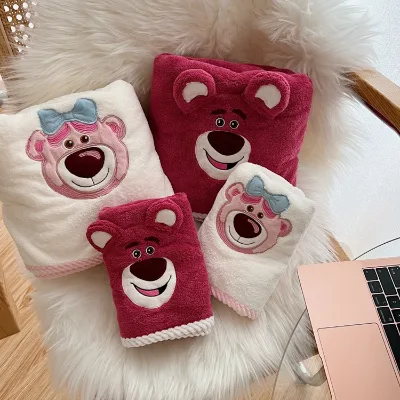

Bamboo Fiber Compressed Towel Softly Felling Degradable Compressed Towel
$0.04 - $0.07
MOQ: 300000 Pieces


Bamboo Fiber Compressed Towel Cleaning Disposable Towel for Traveling for Hotel
$0.03 - $0.03
MOQ: 100000 Pieces


Comprehensive Sourcing Guide
Compressed Pineapple Bear Towel Sourcing Guide
Procurement teams evaluating compressed pineapple bear towels must first distinguish between standard compressed wipes and novelty-shaped products, as the supplied data indicates a primary focus on functional compressed towels rather than specific animal-shaped variants. The observed product attributes confirm a market dominated by spunlace and non-woven fabric materials designed for portability, with open sizes ranging from 18x22cm to 22x24cm. Buyers should verify if the "pineapple bear" descriptor refers to a specific mold or packaging shape, as the core technical specifications provided emphasize standard compressed dimensions of 2cm diameter and GSM weights between 40 and 100.
Strategic sourcing requires aligning the novelty aspect with the functional requirements of the target application, such as hotels, offices, or travel scenarios. The available data highlights features like biodegradability, compostability, and a lack of alcohol or flavor, which are critical for brands targeting eco-conscious consumers. While the product list confirms customization availability and OEM services, buyers must explicitly confirm that the desired pineapple bear shape does not compromise the structural integrity or the quick-dry performance inherent to the compressed towel format.
Product Scope and Observed Listing Signals
The observed market signals indicate a diverse range of packaging formats, including OPP bags, candy bags, sealed bags, tubes, and foil wrappers, which directly influences the perceived value and retail presentation of the compressed towel. The quantity per bag often exceeds 80 units, suggesting high-volume wholesale opportunities, while the MOQ flexibility allows for small quantity orders to test market response. Buyers should note that the texture variations, such as mesh holes, jacquard, diamond, and pearl patterns, offer distinct tactile experiences that can be leveraged for different market segments, from budget-friendly travel kits to premium spa products.
Application scope extends across restaurants, hotels, offices, coffee bars, and spas, with specific mentions of airplane and sports usage, indicating a versatile product suitable for various hospitality and travel contexts. The absence of a cover and the plain or patterned styles suggest a focus on utility and cost-efficiency, though the "Magic Tissue" style implies potential for enhanced user experience. Procurement teams must ensure that the selected product matches the specific application environment, as the "Children" age group designation suggests a need for extra safety and softness verification in certain product lines.
Technical Specifications to Verify
Technical due diligence must focus on the GSM weight range, which spans from 40GSM to 100GSM, with specific listings noting 53GSM and 65GSM as common benchmarks for durability and absorbency. The open size specifications vary between 18x22cm and 22x24cm, requiring buyers to confirm the exact dimensions to ensure the towel fits standard packaging or dispenser requirements. The compressed size is consistently listed as 2cm in diameter, a critical metric for logistics and storage efficiency, yet the layer count is specified as 1 Ply, which may necessitate a discussion on whether multi-ply options are available for premium applications.
Material composition is a primary verification point, with spunlace and non-woven fabric identified as the standard materials, ensuring the product is biodegradable and compostable as claimed. Buyers should verify the texture consistency, as options include mesh holes, jacquard, honeycomb, and diamond patterns, which affect the cleaning efficacy and softness against the skin. The color is typically white or natural white, but customization is available, so procurement teams must confirm the colorfastness and dye safety standards before finalizing orders for specific branding requirements.
Compliance and Safety Documentation
Compliance verification is essential given the product's direct contact with skin and its use in food service environments like restaurants and hotels. The supplied data lists CE, FDA, MSDS, ISO9001, and SGS as available standards, which buyers must request as valid certificates for each production batch to ensure regulatory adherence in their target markets. While OEKO-TEX is mentioned in background notes, it should not be assumed as a standard certification without explicit confirmation from the supplier, and buyers should prioritize the listed standards to mitigate liability risks associated with skin irritation or chemical exposure.
Safety documentation must also address the "Without Alcohol" and "Without Flavor" attributes, which are crucial for consumers with sensitive skin or allergies. The MSDS (Material Safety Data Sheet) is particularly important to confirm the absence of harmful substances and to validate the biodegradable and compostable claims against local environmental regulations. Procurement teams should ensure that the supplier provides up-to-date test results for the specific production run, as the "Disposable" nature of the product requires strict adherence to hygiene standards to prevent cross-contamination in high-traffic applications like airports and spas.
Cost Drivers and Commercial Terms
Cost structures are heavily influenced by the customization level, packaging complexity, and the specific GSM weight selected, with observed prices ranging from $0.01 to $8.22 per unit depending on the configuration. The MOQ flexibility, ranging from 5 to 300,000 units, allows buyers to scale orders based on demand, but the unit price will likely decrease significantly as volume increases. Buyers should analyze the trade-off between the "Small Quantity Is Accepted" policy and the potential for higher per-unit costs, ensuring that the initial order volume aligns with the budget constraints while maintaining sufficient stock for the lead time.
Commercial terms must account for the delivery timeline, which is listed as within 10 days, a competitive advantage for urgent restocking needs in the hospitality sector. The availability of free samples is a standard offering that allows buyers to physically verify the texture, compression quality, and packaging integrity before committing to a large order. Procurement teams should negotiate clear terms regarding the "OEM" capabilities, including mold costs for the pineapple bear shape if applicable, and clarify who bears the cost of shipping and insurance to avoid unexpected expenses in the final landed cost calculation.
Supplier Qualification and Quality Control
Supplier qualification should prioritize manufacturers located in Zhejiang, China, as this region is identified as the origin for the majority of the listed products, indicating a concentrated supply chain with established logistics networks. Buyers must verify the supplier's capacity to maintain consistent quality across the 30 observed product variations, ensuring that the "Small" MOQ does not compromise the production line's ability to meet the required GSM and texture specifications. The presence of ISO9001 certification suggests a baseline for quality management, but on-site audits or third-party inspections are recommended to validate the actual production processes and material sourcing.
Quality control protocols must specifically address the "Compressed Towel" integrity, ensuring that the 2cm diameter product does not crumble or expand unevenly during transit. The "Disposable" nature of the product requires rigorous checks for foreign matter and consistent sealing of the packaging, whether it is a poly bag, box, or tube. Buyers should establish a clear acceptance criteria for the "Without Cover" and "Plain/Mash Hole/Diamond Pattern" variations, as these aesthetic and functional details are often the first points of failure in customer satisfaction surveys for travel and hotel amenities.
Long-Term Procurement Checks
Long-term procurement strategies should focus on the sustainability claims, specifically the biodegradable and compostable features, which are becoming increasingly critical for corporate social responsibility goals. Buyers must regularly audit the supplier's supply chain to ensure that the raw materials, such as spunlace and non-woven fabric, continue to meet the environmental standards required for these claims. The "Customization" availability offers a pathway for brand differentiation, but long-term contracts should include clauses that protect the buyer's intellectual property regarding the pineapple bear design and packaging specifications.
Supply chain resilience is another key consideration, given the potential for fluctuations in raw material costs and the specific lead times associated with compressed products. Buyers should maintain a diversified supplier base to mitigate risks associated with the "Within 10 Days" delivery window, which may be impacted by seasonal demand spikes in the travel and hospitality sectors. Regular performance reviews should assess the supplier's ability to maintain the "Free Sample" policy and the consistency of the "OEM" service, ensuring that the partnership remains viable as the product evolves to meet changing market expectations.
FAQs
What materials are used for compressed pineapple bear towels?
These towels are primarily made from spunlace non-woven fabric. This material ensures the product is soft, sanitary, and suitable for sensitive skin. The fabric structure allows for quick absorption and drying, making it ideal for portable cleaning and makeup removal tasks in various settings.
Can I customize the packaging for these compressed towels?
Yes, customization is available for bulk orders. Suppliers offer various packaging options including OPP bags, candy bags, sealed bags, tubes, and foil. You can also choose individual packaging or bulk rolls. This flexibility allows you to align the product presentation with your brand identity and retail requirements.
What certifications do these compressed towels typically hold?
Manufacturers often provide products certified with CE, FDA, MSDS, ISO9001, and SGS standards. These certifications verify that the towels meet international safety and quality requirements. This ensures the products are safe for use in hotels, spas, and other commercial environments while complying with regulatory standards.
What is the typical delivery time for these orders?
Delivery time is usually within 10 days for standard orders. This quick turnaround supports efficient inventory management for buyers. However, lead times may vary based on order volume and customization needs. It is advisable to confirm specific schedules with suppliers to ensure timely receipt of goods.
Are these towels suitable for children and sensitive skin?
Yes, these towels are designed for children and sensitive skin. They are alcohol-free, flavor-free, and ultra-soft. The non-woven fabric is gentle and biodegradable. This makes them safe for daily use, travel, and hygiene purposes without causing irritation or discomfort to users of all ages.
What patterns are available for these compressed towels?
Available patterns include mesh hole, jacquard, diamond, pearl, and honeycomb. These textures enhance the cleaning experience and aesthetic appeal. The variety allows buyers to select designs that match their target market preferences. Each pattern offers distinct tactile qualities while maintaining the towel's softness and durability.