Source Compressed Portable Travel Towel for Hotels, Camping, and Gym
Find 30 options for Compressed Portable Travel Towel from China. Compare materials like microfiber and cotton, check GSM weights, and review customization services for bulk orders. Evaluate packaging styles and delivery times to ensure your travel needs are met efficiently.
Key considerations
Products List
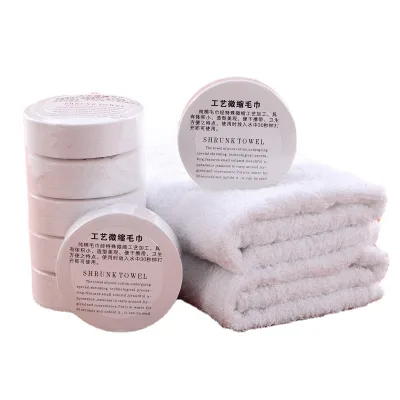


$0.01
MOQ: 100000 Pieces


Disposable Portable Soft Travel Oval Compressed Bath Towel Home Hotel Use
$0.31 - $0.33
MOQ: 10000 Pieces

Factory Wholesale Supplied Large Size Disposable Portable for Travel Compressed Towels
$2.60 - $2.80
MOQ: 20000 box/boxes


Compressed Portable Bath Towel Manufacturer Hotel Disposable Towel for Travel
$0.08 - $0.75
MOQ: 10000 Pieces


Customized Promotion Logo Disposable Compressed Bath Towel for Travel Use
$0.08 - $0.75
MOQ: 10000 Pieces
Comprehensive Sourcing Guide
Compressed Portable Travel Towel Sourcing Guide
Sourcing compressed portable travel towels requires a clear understanding of the product’s dual nature as both a hygiene item and a promotional tool. These towels are designed to expand upon contact with water, offering a compact solution for travelers, hotels, and commercial events. Buyers must distinguish between products intended for single-use disposable applications and those marketed as durable, quick-dry options for repeated use. The market offers variations in material composition, ranging from microfiber blends to pure cotton or non-woven fabrics, each presenting different performance characteristics regarding absorbency, texture, and environmental impact.
Procurement decisions should be driven by the specific end-use environment, whether it is luxury hospitality, outdoor adventure, or corporate gifting. The compressed format allows for significant space savings, making it ideal for inclusion in travel kits, amenity sets, or emergency supplies. However, the quality of the compression process and the integrity of the packaging are critical to ensuring the product arrives in usable condition. Buyers need to evaluate how the product performs after expansion, considering factors like linting, colorfastness, and drying speed, which directly influence customer satisfaction and brand perception in competitive markets.
Product Scope and Observed Listing Signals
The current market landscape for compressed towels reveals a wide range of product attributes and pricing structures. Observed listings indicate a price range from $0.01 to $2.80 USD, reflecting significant variation in material quality, packaging complexity, and order volume. Minimum order quantities (MOQs) typically span from 50 to 100,000 pieces, allowing flexibility for both small-scale testers and large-volume distributors. Many suppliers offer customization options, including custom logos, specific packaging designs, and tailored product dimensions, which are essential for brands seeking to create unique value propositions or private-label offerings.
Product descriptions frequently highlight features such as "compressed," "quick dry," and "disposable," alongside material specifications like microfiber, cotton, and non-woven fabrics. Shapes vary, with round configurations being common, and patterns often listed as solid colors or plain dyed finishes. Some listings specify gram weights between 300-400 GSM, suggesting a focus on durability and absorbency for hotel or home use, while others emphasize portability and single-use convenience. Buyers should carefully cross-reference these signals with actual product samples to verify that the listed features align with the physical product’s performance and quality standards.
Technical Specifications to Verify
Verifying technical specifications is crucial to ensuring the product meets functional requirements. Key attributes to confirm include the material composition, which directly impacts absorbency and softness. Buyers should request detailed breakdowns of fabric blends, such as the ratio of microfiber to cotton, to understand the tactile experience and drying performance. Additionally, the compressed size and expanded dimensions must be validated, as discrepancies can affect packaging efficiency and user convenience. Standard dimensions like 14*18cm are sometimes cited, but buyers should confirm if these are standard or customizable to fit specific branding or storage needs.
Packaging integrity is another critical technical aspect. The product should be securely sealed to prevent moisture ingress, which can compromise the compressed state and lead to mold or bacterial growth. Buyers should verify the packaging material, whether it is paper, carton, or individual bags, and ensure it provides adequate protection during transit. Furthermore, the folding method and compression density should be assessed to ensure the towel expands fully and evenly without tearing. Requesting samples with different packaging configurations can help identify the most robust solution for long-term storage and distribution.
Compliance and Safety Documentation
Compliance and safety documentation are non-negotiable for products that come into direct contact with skin. Buyers must request relevant certifications to verify that the manufacturing process adheres to international safety standards. Common certifications observed in this category include ISO 9001 for quality management, GMPC for cosmetic and hygiene product manufacturing, and MSDS for material safety data. These documents provide assurance that the towels are free from harmful chemicals, dyes, or contaminants that could cause skin irritation or allergic reactions.
In addition to manufacturing certifications, buyers should inquire about specific textile safety standards, such as OEKO-TEX or ISO 9073, which test for harmful substances in fabrics. While these standards may not always be explicitly listed, they are critical for products marketed as "food grade" or suitable for sensitive skin. Buyers should also verify that the dyes and inks used for custom logos are non-toxic and colorfast, ensuring they do not bleed during use. Requesting third-party lab test reports for heavy metals, pH levels, and formaldehyde content can provide additional confidence in the product’s safety profile.
Cost Drivers and Commercial Terms
Understanding the cost drivers behind compressed towel pricing helps buyers negotiate better terms and avoid hidden expenses. The primary factors influencing cost include material quality, customization complexity, and order volume. Higher GSM fabrics and natural materials like cotton typically command higher prices than synthetic non-woven alternatives. Customization, such as embossed logos or specialized packaging, adds to the unit cost but can enhance brand value. Buyers should also consider the impact of MOQs on pricing, as larger orders often result in significant per-unit discounts.
Commercial terms, including lead times and payment conditions, play a vital role in supply chain planning. Typical delivery times can range up to 30 days after order confirmation and payment receipt, which requires careful inventory management to avoid stockouts. Buyers should clarify whether shipping costs are included in the quoted price or if they are separate, and verify the Incoterms used for the transaction. Additionally, understanding the supplier’s policy on sample costs and refunds upon bulk ordering can help manage initial procurement expenses effectively.
Supplier Qualification and Quality Control
Supplier qualification is essential to mitigate risks associated with inconsistent quality and unreliable delivery. Buyers should conduct thorough due diligence on potential suppliers, verifying their business licenses, manufacturing capabilities, and export experience. Factories with established quality control processes, such as in-line inspections and final random inspections, are preferable to those lacking structured QC protocols. Buyers should also assess the supplier’s ability to handle custom orders, including their design support and prototyping capabilities, to ensure they can meet specific branding requirements.
Quality control measures should be integrated into the procurement process from the outset. Implementing a pre-production sample approval step ensures that the final product matches the agreed-upon specifications before mass production begins. During production, buyers may consider hiring third-party inspection services to monitor quality at critical stages, such as material receipt, production, and pre-shipment. Establishing clear acceptance criteria for defects, such as loose threads, misaligned logos, or packaging damage, helps maintain consistent quality standards and reduces the risk of receiving substandard goods.
Long-Term Procurement Checks
Long-term procurement success depends on continuous monitoring of supplier performance and market trends. Buyers should establish key performance indicators (KPIs) to track supplier reliability, including on-time delivery rates, defect rates, and responsiveness to issues. Regular audits and performance reviews help identify areas for improvement and strengthen the partnership over time. Additionally, staying informed about changes in material costs, regulatory requirements, and consumer preferences allows buyers to adapt their sourcing strategies proactively.
Sustainability is becoming an increasingly important factor in procurement decisions. Buyers should explore options for eco-friendly materials, such as biodegradable non-woven fabrics or recycled cotton, to align with growing environmental consciousness among consumers. Evaluating the supplier’s commitment to sustainable practices, such as waste reduction and energy efficiency, can enhance brand reputation and meet corporate social responsibility goals. By maintaining a flexible and informed sourcing approach, buyers can ensure a steady supply of high-quality compressed towels that meet evolving market demands.
FAQs
What materials are used for compressed portable travel towels?
These towels are typically made from microfiber or cotton materials. Some variants also utilize non-woven fabrics for disposable applications. The choice of material affects absorbency and texture, allowing buyers to select options suitable for hotel amenities, home use, or commercial travel kits based on specific product requirements.
Can I customize the logo on compressed travel towels?
Yes, customized logos are accepted for these products. Buyers can request custom branding to suit their business needs. This customization service allows for distinct product identification, making it ideal for hotels, travel agencies, or promotional campaigns seeking branded amenities that align with their specific corporate identity and marketing strategies.
What is the typical MOQ for compressed bath towels?
The minimum order quantity varies, with observed ranges starting from 50 units up to 100,000 units. Specific listings may indicate an MOQ of 20,000 pieces. Buyers should verify the exact MOQ with suppliers, as it depends on the material, packaging, and customization level required for the specific compressed towel order.
Are compressed towels suitable for hotel and home use?
Yes, these towels are designed for both hotel and home applications. They serve as compressed bath towels or napkins for travel. Their compact form factor makes them ideal for space-saving storage in hotels, while their functionality supports household use. They are often marketed as quick-dry or disposable options for convenience.
What certifications do compressed towel manufacturers hold?
Manufacturers may hold various certifications depending on the product type. Some products are certified as food grade, while others comply with ISO 9001, GMPC, or MSDS standards. Buyers should request specific certification documents to ensure the towels meet safety and quality requirements for their intended market, whether for personal care or commercial use.
How long is the delivery time for compressed towels?
Delivery time is typically around 30 days after order confirmation and payment receipt. This lead time allows for production and quality checks. Buyers should plan their inventory accordingly, as the timeline may vary based on order volume, customization requirements, and the specific manufacturing capabilities of the supplier in China or other origins.