Source Sports Wrist Guard for Gym, Cycling, and Outdoor Training
Explore 30 verified listings for Sports Wrist Guard options including latex, polyester, and nylon-cotton blends. Buyers can compare customization, waterproofing, and protective features to find suitable gear for various activities.
Key considerations
Products List


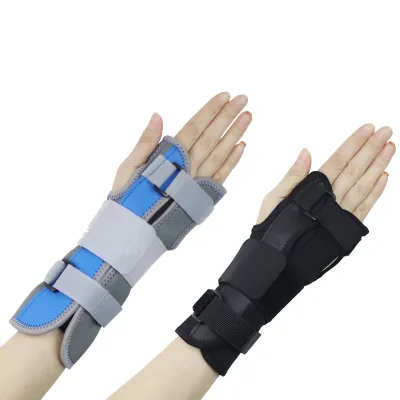
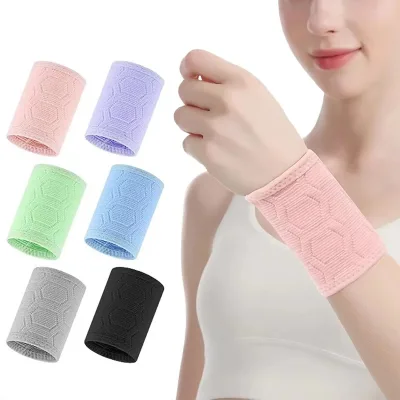
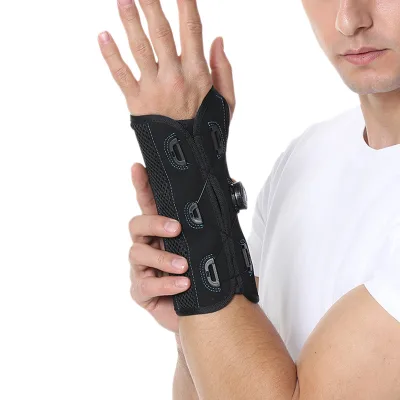


Comprehensive Sourcing Guide
Strategic Sourcing Guide for Sports Wrist Guards
The global market for sports wrist guards has expanded significantly as athletes and recreational users increasingly prioritize injury prevention and joint stability. For procurement professionals, navigating this sector requires a disciplined approach that distinguishes between general product categories and specific technical attributes. The available data indicates a diverse range of offerings, from heavy-duty protective gear to flexible support systems. This guide outlines the critical factors buyers must evaluate to ensure successful sourcing of sports wrist guards, focusing on material composition, specification consistency, and supply chain reliability.
Material Composition and Functional Performance
The foundation of any effective wrist guard lies in its material composition, which directly dictates durability, flexibility, and protective capacity. Analysis of current market listings reveals a distinct split in material preferences, primarily between synthetic polymers and natural blends. One prevalent category utilizes Latex as the primary component. Products in this segment are often characterized by their waterproof capabilities, making them suitable for environments where moisture resistance is a critical requirement. The presence of latex suggests a focus on elasticity and a snug fit, which is essential for maintaining the guard's position during high-intensity movement.
Conversely, a significant portion of the market relies on Polyester and Nylon blends. Listings explicitly cite "100% Polyester" or "Nylon & Cotton" combinations. These materials are frequently associated with "Soft" and "Flexible" product types. The functional advantage of polyester lies in its breathability and resistance to wear, while the inclusion of cotton or nylon can enhance comfort against the skin. Buyers must verify the specific material ratio, as a shift from pure polyester to a blend can alter the product's moisture-wicking properties and overall lifespan. The observed "Medium" and "Thin" thickness specifications further indicate that material choice is often balanced against the need for bulk reduction versus impact absorption.
Technical Specifications and Dimensional Standards
When evaluating sports wrist guards, technical specifications serve as the primary verification tool for product suitability. The data indicates a wide variance in sizing standards, ranging from "One Size Fit" to specific measurement ranges such as "24cm-28cm" and "54cm-63cm." This discrepancy highlights a critical procurement risk: the lack of a unified global standard for wrist guard dimensions. Buyers cannot assume that a "One Size" product will fit all demographics without verifying the actual circumference or length measurements provided by the supplier.
Thickness is another pivotal specification. The market offers both "Thin" and "Medium" variants. A "Thin" profile is generally preferred for activities requiring high dexterity, such as typing or light sports, whereas "Medium" thickness is typically associated with heavy-duty protection. Furthermore, the "Long-Lasting Anti-Fog" feature observed in certain listings suggests a specialized application, likely for athletes using protective eyewear where condensation is a concern. However, this feature is not universal; other listings explicitly state "Non-Waterproof" status, indicating that moisture resistance is a variable attribute rather than a baseline standard. Procurement teams must cross-reference the stated thickness and waterproof status with the intended use case to avoid purchasing unsuitable inventory.
Application Scenarios and Usage Context
Understanding the specific application of the wrist guard is essential for aligning product selection with end-user needs. The observed data points to a broad spectrum of applications, from "Outdoor Activities" to general "Fitness Gloves" and "Protective Gear." The "Pull-UPS" feature mentioned in some listings suggests a specific design intent for climbing or gymnastics, where grip and wrist stability are paramount. In contrast, products labeled with "Universal" use are designed for general sports and daily activities, offering a balance between protection and comfort.
The "All Seasons" designation implies that the product is engineered to perform in varying temperature conditions, likely due to the breathability of the polyester or cotton blends. However, the presence of "Waterproof" attributes in latex-based products creates a dichotomy in seasonal suitability. Waterproof guards are ideal for wet weather sports but may be less comfortable in hot, dry conditions compared to non-waterproof, breathable alternatives. Buyers should categorize their procurement needs based on the primary environment of the end-user. For instance, a supplier targeting winter sports enthusiasts would require waterproof, insulated options, while a supplier for summer fitness programs would prioritize lightweight, breathable, and non-waterproof models.
Cost Drivers and Pricing Dynamics
The pricing structure for sports wrist guards is influenced by several variable factors, including material cost, customization options, and packaging complexity. The observed price range of $0.19 to $9.99 USD reflects the extreme variance in product quality and feature sets. The lower end of the spectrum typically corresponds to basic, non-customized items made from standard polyester or nylon, often packaged in simple plastic bags. These products are likely mass-produced with minimal quality control overhead.
Conversely, the higher price points are associated with advanced features such as "Customized Packaging," "Customized Logo Accept," and specialized materials like latex. The "Carton" and "Boxed Cartoned" packaging options add to the unit cost but are necessary for retail-ready products that require protection during shipping and display. Additionally, the "Customization" attribute is a significant cost driver. Suppliers offering logo printing or tailored dimensions will command a premium. Buyers must also consider the Minimum Order Quantity (MOQ), which ranges from 1 to 3000 units. High MOQs often correlate with lower per-unit costs, but they require a larger capital outlay and inventory management capacity. The "Single gross weight" of 0.340 KG to 0.500 KG also impacts logistics costs, particularly for international shipping where weight-based freight charges apply.
Supplier Evaluation and Operational Reliability
Selecting a reliable supplier is as critical as selecting the right product. The data indicates that the primary place of origin for these products is China, with specific mentions of Hebei as a manufacturing hub. While this provides a clear geographic focus, buyers must conduct due diligence beyond location. Key evaluation criteria include the supplier's ability to handle "Customization" requests and their adherence to "Normal specifications" or specific size standards.
The payment terms observed, including TT, Western Union, Trade Assurance, and PayPal, offer varying levels of security for the buyer. Trade Assurance is particularly valuable as it provides a layer of protection against non-delivery or quality disputes. However, buyers should verify the supplier's capacity to meet the "Single package size" requirements, which vary from 20x25x30 cm to 25x20x3 cm. Inconsistent packaging dimensions can lead to inefficient container loading and increased shipping costs. Furthermore, the "Model Number" variations, such as "HW-23" or generic numerical codes, suggest a need for strict SKU management to prevent mix-ups during the ordering process. Buyers should request detailed product catalogs that clearly map model numbers to specific material and size attributes to ensure consistency across large orders.
Quality Control and Compliance Verification
Quality control in the wrist guard sector requires a rigorous verification process, particularly given the variability in material and specification claims. The data mentions "CE" certification in a low-confidence background context, meaning it should not be assumed as a standard requirement without explicit confirmation from the supplier. Buyers must actively request proof of compliance with relevant safety standards rather than relying on general market assertions.
Inspection protocols should focus on the integrity of the stitching, the elasticity of the materials, and the accuracy of the sizing. For products claiming "Protect Wrist Avoid Injuries" or "Wrist Protection Relief Wrist Pain," functional testing is essential. Buyers should verify that the "Medium" thickness guards provide adequate support without restricting blood flow, and that "Thin" guards do not compromise on durability. The "Long-Lasting Anti-Fog" feature requires specific testing to ensure it remains effective over time. Additionally, the "Color" consistency, with some listings offering "6 colors" and others stating "Picture Shows," necessitates a color matching process to ensure the final product aligns with brand expectations.
Long-Term Procurement Considerations
Sourcing sports wrist guards is not merely a transactional exercise but a strategic decision that impacts long-term brand reputation and customer satisfaction. The "Customized Packaging" and "Customized Logo" options allow buyers to build a distinct brand identity, but they also introduce complexity into the supply chain. Buyers must ensure that the supplier has the capacity to maintain these customizations over multiple production runs without compromising on quality or lead times.
The "Lead time" and "Production capacity" are critical factors that are not explicitly detailed in the provided data but must be clarified during negotiations. Given the wide range of MOQs, buyers should negotiate terms that allow for flexible ordering to manage inventory risks. The "Standard" specifications, such as "24cm-28cm" or "54cm-63cm," should be treated as fixed requirements for specific product lines, with clear communication to the supplier to prevent deviations. Finally, buyers should establish a feedback loop with end-users to monitor the performance of the wrist guards in real-world scenarios, ensuring that the chosen materials and designs continue to meet the evolving needs of the sports community. By adhering to these disciplined sourcing practices, buyers can secure a reliable supply of high-quality sports wrist guards that deliver value and safety.
FAQs
What materials are used for sports wrist guards?
Sports wrist guards are primarily made from Latex, Polyester, or Nylon and Cotton blends. Latex options offer waterproof properties, while Polyester and Nylon blends provide softness and flexibility for general fitness use.
Can I get customized packaging for these wrist guards?
Yes, customized packaging is available for sports wrist guards. Suppliers offer options ranging from simple plastic bags to boxed cartons and custom branded packaging to meet specific retail requirements.
Which thickness options are available for wrist protection?
Available thickness options include Thin and Medium variants. Thin models suit activities requiring high dexterity, while Medium thickness provides enhanced protection for heavy-duty sports and injury prevention.
What is the typical MOQ for ordering wrist guards?
The minimum order quantity ranges from 1 to 3000 units depending on the supplier and customization needs. Lower MOQs allow for small trial orders, while higher volumes often secure better per-unit pricing.
How are these wrist guards packaged for shipping?
Packaging varies from single items in OPP bags to bulk cartons or boxed cartons. Some suppliers use plastic bags combined with cartons to ensure product safety during international transport.
What are the standard size specifications for wrist guards?
Size specifications include One Size Fit, 24cm-28cm, and 54cm-63cm ranges. Buyers must verify specific measurements as sizing standards vary significantly between different product models and manufacturers.
Can I request a customized logo on the wrist guards?
Yes, customized logo acceptance is a standard service for these products. Suppliers can apply branding to the wrist guards, allowing for unique identification and brand reinforcement for end users.