Source Concrete Boom Pump Cylinder for Construction Projects
Find reliable Concrete Boom Pump Cylinder options for wet shotcrete and high-pressure applications. Compare 30 models from Chinese manufacturers, including HDT series pumps with ISO9001 certification and 1-year warranties. Evaluate specifications like 1400mm feeding height and hydraulic processes to match your project needs.
Key considerations
Products List


Concrete Pumps Parts Hydraulic Swing Cylinder Concrete Pump Plunger Cylinders for Schwing
$200.00 - $400.00
MOQ: 1 Pieces


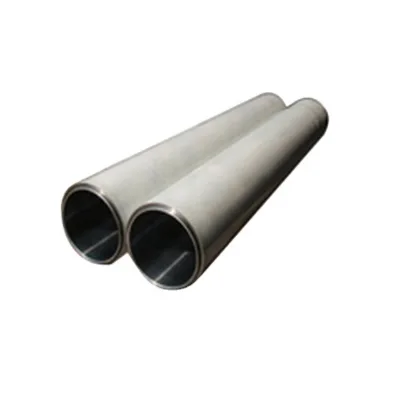

30m/ Truck Concrete Pump Concrete Boom Pump Truck/ High-Capacity Concrete Cylinder
$85000.00 - $90000.00
MOQ: 1 Pieces

Concrete Pumptruck 38m/ Concrete Boom Pump Truck/ Robust Pumping Mechanism
$115000.00 - $120000.00
MOQ: 1 Pieces


Comprehensive Sourcing Guide
Concrete Boom Pump Cylinder Sourcing Guide
The Concrete Boom Pump Cylinder serves as the critical hydraulic actuator responsible for the reciprocating motion required to move concrete through the delivery pipeline. In the observed market, these components are integral to wet shotcrete systems and various boom pump configurations, ranging from 25-meter to 63-meter reach capabilities. Buyers must recognize that these cylinders operate under high-pressure conditions, typically between 7MPa and 31.5MPa, necessitating robust construction to withstand the intense stress of continuous pumping cycles.
Procurement decisions should focus on the specific structural design, as the supply chain offers both cylinder-type and piston-style configurations to match different machine architectures. The observed listings indicate that these units are often supplied as new equipment with a standard one-year warranty, though customization is frequently available to meet specific operational requirements. Understanding whether the system utilizes a double-acting or straight-trip working method is essential for ensuring compatibility with the existing hydraulic circuit of the pump truck.
Product Scope and Observed Listing Signals
Market analysis reveals a diverse range of product models, including specific designations like the HDT5420THB-52/5 and HDT5340THB-42/4 boom concrete pumps, which dictate the cylinder dimensions and performance characteristics. The physical footprint of these machines varies significantly, with standard dimensions observed around 13,990mm by 2,500mm by 4,000mm for larger units, while smaller models may differ. Buyers should verify that the listed product model matches the exact boom length and chassis configuration required for their specific construction site constraints.
Packaging and origin data provide critical logistical signals, with products frequently originating from major manufacturing hubs such as Hangzhou, Zhengzhou, and Shandong in China. The observed shipping methods include export cartons, wooden cases, or iron boxes, depending on the specific model and customer requirements. When evaluating listings, procurement teams must confirm that the packing standard aligns with international transport regulations to prevent damage during transit, especially given the heavy and precision nature of the hydraulic cylinders involved.
Technical Specifications to Verify
Technical due diligence requires a rigorous check of the machining process and material composition, as the supplied data highlights hydraulic machining and steel construction as common attributes. The feeding height is a critical dimension, with specific models observed at 1400mm, which directly impacts the operational efficiency of the concrete intake system. Buyers must ensure that the cylinder's vibrating amplitude, noted at 1.0mm in some listings, is appropriate for the specific concrete mix design to avoid segregation or blockage during the pumping process.
Operating parameters such as working temperature and pressure ratings must be validated against the intended application environment. The observed working temperature is generally listed as normal, but the pressure range of 7MPa to 31.5MPa indicates a high-pressure system that demands precise engineering tolerances. Verification of the acting way, whether double-acting or regulated type, is necessary to confirm that the cylinder can deliver the necessary force and speed for the specific boom movement and concrete flow rates required by the project.
Compliance and Safety Documentation
Certification status is a primary indicator of manufacturing quality, with ISO9001 and CE marks appearing frequently in the product listings as evidence of adherence to international quality and safety standards. Some suppliers also reference ISOCE or specific export standards, which suggests a commitment to meeting the regulatory requirements of the destination market. Buyers should request valid certification documents to confirm that the cylinders have been tested and approved for the specific pressure and safety protocols required in their region.
Safety documentation must also address the structural integrity and operational safety of the hydraulic system, particularly given the high-pressure nature of the equipment. The standard or nonstandard classification of the product implies that some units may be custom-built, requiring additional verification of design safety factors. It is imperative to ensure that the product standard, whether listed as a specific dimension or a general export standard, aligns with the safety regulations governing heavy machinery operation in the buyer's jurisdiction.
Cost Drivers and Commercial Terms
The price range for these components is extensive, spanning from 8 USD to 400,000 USD, reflecting the vast difference between individual replacement cylinders and complete pump truck assemblies. This variance is driven by factors such as the boom length, the complexity of the hydraulic system, and the level of customization required for the specific application. Buyers must carefully distinguish between the cost of a single cylinder component and the total system cost to avoid budgetary misalignment during the procurement planning phase.
Commercial terms such as the minimum order quantity (MOQ) and warranty provisions significantly influence the total cost of ownership. The observed MOQ ranges from 1 piece to 10 pieces, offering flexibility for both single-replacement needs and fleet-wide upgrades. A standard one-year warranty is commonly offered, but the specific terms regarding after-sales service and the availability of spare parts should be clarified to ensure long-term operational support and minimize downtime costs associated with equipment failure.
Supplier Qualification and Quality Control
Supplier qualification should prioritize manufacturers located in established industrial regions like Hangzhou, Zhengzhou, and Shandong, which are known for their concentration of heavy machinery production. The presence of ISO9001 certification across multiple listings suggests a baseline level of quality management, but buyers should verify the specific scope of these certifications to ensure they cover the manufacturing of high-pressure hydraulic components. Due diligence must extend beyond the certificate to include an assessment of the supplier's production capacity and quality control protocols.
Quality control measures must be explicitly defined in the procurement contract, particularly regarding the machining process and material standards. The use of steel and hydraulic machining processes requires strict adherence to dimensional tolerances to ensure the cylinder functions correctly under high pressure. Buyers should request detailed inspection reports or third-party test results to verify that the product meets the specified standards, such as the 1399025004000mm dimensions or the specific pressure ratings, before finalizing the purchase agreement.
Long-Term Procurement Checks
Long-term procurement success depends on the availability of reliable after-sales service and the consistency of product quality over time. The observed listings confirm that after-sales service is generally available, but the specific scope of support, including technical assistance and spare part availability, must be clearly defined in the service agreement. Buyers should establish a clear communication channel with the supplier to address any operational issues that may arise during the warranty period or beyond.
Sustainability and adaptability are also key considerations for long-term procurement, as construction projects often evolve and require equipment modifications. The availability of customization options allows buyers to adapt the cylinders to changing site conditions or new concrete mix designs without replacing the entire system. Regular reviews of the supplier's performance and the product's condition are essential to ensure that the equipment continues to meet the high standards required for safe and efficient concrete pumping operations over the long term.
FAQs
What is the warranty period for concrete boom pump cylinders?
The standard warranty period for these concrete boom pump cylinders is 1 year. This coverage ensures that buyers receive reliable support for the hydraulic piston components during initial operation. After-sales service is available to assist with any maintenance needs or technical inquiries that may arise during this warranty term.
Which certifications are required for concrete boom pump cylinders?
Concrete boom pump cylinders typically require ISO9001 and CE certifications to ensure quality and safety compliance. These standards verify that the manufacturing processes meet international requirements for hydraulic equipment. Buyers should verify that the specific piston style cylinders carry these documented certifications before finalizing procurement agreements.
Can concrete boom pump cylinders be customized for specific projects?
Yes, concrete boom pump cylinders can be customized to meet specific project requirements. Manufacturers offer customization options for dimensions, pressure ratings, and structural designs. Buyers can request nonstandard specifications or specific working pressures, such as 7MPa to 31.5MPa, to ensure the hydraulic components fit their particular pump truck models.
What is the typical MOQ for concrete boom pump cylinders?
The minimum order quantity for concrete boom pump cylinders is generally 1 piece. This low MOQ allows buyers to purchase individual hydraulic components for replacement or small-scale projects. Suppliers often accommodate single-unit orders, making it easier to source specific piston style cylinders without committing to large bulk purchases.
How are concrete boom pump cylinders packed for shipping?
Concrete boom pump cylinders are packed in export cartons or wooden cases for international transport. Some suppliers use standard packages designed to protect the hydraulic components during transit. Buyers can also request packing according to detailed requirements to ensure the steel cylinders arrive without damage, especially for high-pressure piston style units.
What is the working pressure range for these cylinders?
The working pressure range for these concrete boom pump cylinders is typically 7MPa to 31.5MPa. This high-pressure capability ensures efficient hydraulic operation for wet shotcrete and boom pump applications. The double-acting piston style design allows for robust performance under varying pressure conditions during concrete placement operations.