Source pre-designed press-on nails for salons, events, and home use
Explore 16 listings of pre-designed press-on nails featuring French, design, and custom styles. Buyers can compare materials like acrylic and ABS, shapes including short round and almond, and customization options for salon or personal application.
Key considerations
Products List



Comprehensive Sourcing Guide
Strategic Sourcing Guide for Pre-Designed Press-On Nails
The global market for pre-designed press-on nails has evolved from a niche beauty accessory into a significant segment of the cosmetic and personal care industry. For B2B procurement professionals, sourcing these products requires a nuanced understanding of material composition, regulatory compliance, and supply chain logistics. The following guide provides a structured approach to evaluating suppliers and selecting products that meet specific commercial and quality standards. Buyers must navigate a landscape where product attributes vary significantly between manufacturers, particularly regarding the distinction between fingernail and toenail applications, material durability, and design customization capabilities.
Technical Specifications and Material Composition
Understanding the technical specifications of pre-designed press-on nails is the first step in ensuring product suitability for your target market. The core material composition is a primary differentiator among suppliers. Based on available industry data, the most common materials observed include Acrylic, ABS plastic, and general Plastic formulations. Each material offers distinct characteristics regarding weight, flexibility, and finish. Acrylic-based nails are often associated with a more rigid, durable structure that mimics the feel of professional salon applications, while ABS and general plastic variants may offer different levels of flexibility and cost-efficiency.
The physical dimensions and packaging specifications are equally critical for logistics planning. Observed data indicates that single package sizes can vary, with dimensions such as 14.50 x 4.50 x 2.79 cm and 10 x 7 x 6 cm being common configurations. These variations directly impact shipping costs and storage requirements. Furthermore, the gross weight per unit is a vital metric for freight calculations; examples show weights ranging from 0.027 kg for individual sets to 0.500 kg for larger bulk packages. Buyers should verify the "Single gross weight" and "Single package size" for every SKU to accurately calculate landed costs.
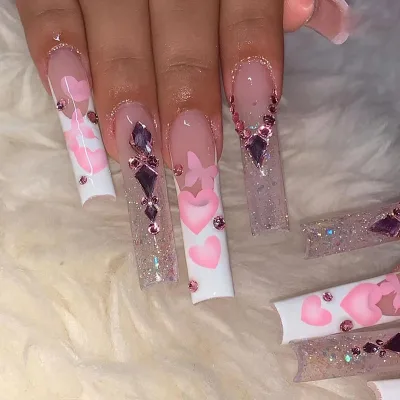
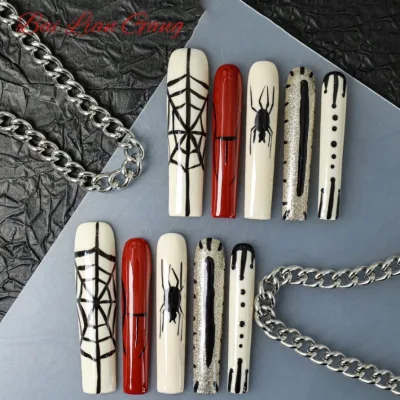
The product model and design type also define the technical scope. The market offers distinct categories such as "Carved press-on nails" and "Hand-painted press-on nails." These models often correspond to specific production techniques. Carved nails typically involve molding processes to create depth and texture, whereas hand-painted variants rely on artistic application of designs. Additionally, the "Nail Shape" is a key specification, with observed options including Short Round, Squoval, Almond, and Custom Nail Art Shapes. The "Nails length" is frequently categorized as short, which aligns with current trends favoring natural-looking, low-maintenance aesthetics.
Compliance, Certification, and Regulatory Standards
For B2B buyers, particularly those exporting to regulated markets like the European Union or North America, verifying compliance is non-negotiable. The supply chain for press-on nails must adhere to strict safety and quality standards. Based on observed product attributes, specific certifications such as CE and MSDS (Material Safety Data Sheet) are frequently cited. The presence of an MSDS certification is particularly important as it details the chemical composition of the materials used, ensuring that the product does not contain hazardous substances that could pose risks to end-users or salon professionals.
While CE certification is a common observation, buyers must treat this as a claim that requires verification against the specific batch of goods. Not every listed product in a supplier's catalog may automatically possess these certifications. It is essential to request valid documentation for the specific model numbers being procured. The "prod_standard" is noted to vary by size, indicating that compliance testing might be batch-specific or size-dependent. Therefore, procurement teams should not assume a blanket certification covers all variations of a product line.
In addition to product certifications, the origin of the goods plays a role in regulatory acceptance. Many products in this category originate from manufacturing hubs in China, specifically regions like Guangdong. While this location is a major production center, it necessitates rigorous due diligence regarding the supplier's ability to maintain consistent quality control standards that meet international requirements. Buyers should verify that the "Place of Origin" aligns with the declared certifications and that the supplier can provide traceability for the raw materials used in the manufacturing process.
Cost Drivers and Pricing Structures
The pricing structure for pre-designed press-on nails is influenced by several variable factors, including material type, design complexity, and order volume. The observed price range in the market spans from $0.60 to $500.00 USD. This wide disparity suggests that the "Pre-Designed" attribute can range from simple, mass-produced sets to highly customized, luxury items with intricate hand-painted designs. The lower end of the spectrum likely corresponds to basic plastic or acrylic sets with standard shapes, while the higher end may reflect premium materials, complex artistry, or specialized packaging.
Minimum Order Quantity (MOQ) is another significant cost driver. The observed MOQ range varies from 2 to 3000 units. This flexibility allows buyers to test the market with small orders or commit to large-scale distribution. However, higher MOQs often correlate with lower unit costs. Buyers must balance the initial capital outlay against the potential for economies of scale. Additionally, the "Selling Units" and "Packing" configurations affect the effective cost per unit. For instance, a "24 Count (Pack of 1)" configuration may have a different cost structure compared to bulk cartons containing 288 boxes.
Customization is a major factor in pricing. While "Customization" is listed as available, the extent of this service—ranging from logo placement to full design customization—will impact the final price. Suppliers offering "OEM/OEM/Free Toenails Design" services may charge a premium for the design and tooling setup. Buyers should clarify whether the customization fee is a one-time setup cost or included in the per-unit price. Furthermore, the "Supply Ability," observed at 2,000,000 boxes per month for some suppliers, indicates that high-volume orders can be fulfilled without significant lead time delays, which can indirectly affect cost through inventory management savings.
Typical Applications and Market Segmentation
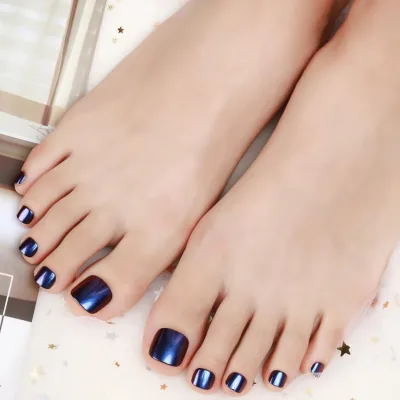
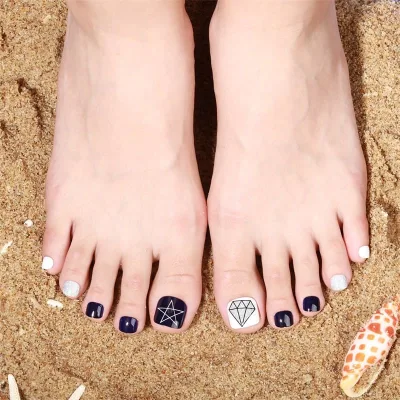
Pre-designed press-on nails serve diverse applications, extending beyond simple consumer use to professional salon environments. The "Use" attribute is primarily identified as "Finger," but the market also includes specific segments for "Toenail" applications. Products designed for toes often feature different shape specifications, such as "Custom Press On Toenails," and may include specific advantages like "Zero Pressure" and a "Natural Look" to accommodate the unique biomechanics of the foot.
The "Application" field highlights usage in "Nail Art Salon" settings. This indicates that these products are not merely disposable consumer goods but are also used as tools or inventory by professional technicians. The "Feature" attributes, such as "Easy to Wear," "Removable," and "Long Lasting," align with the needs of both DIY consumers and salon professionals who require products that can be applied quickly and removed without damaging the natural nail. The "Reusable" and "Non-damaging" features are particularly valuable for the salon market, where client retention depends on the safety and quality of the products used.
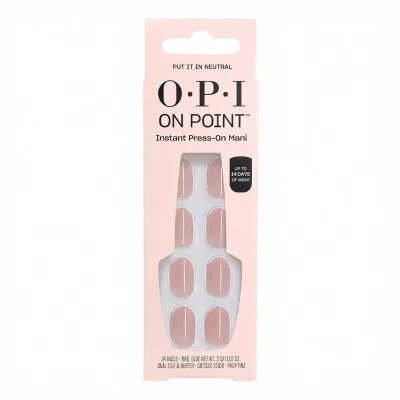
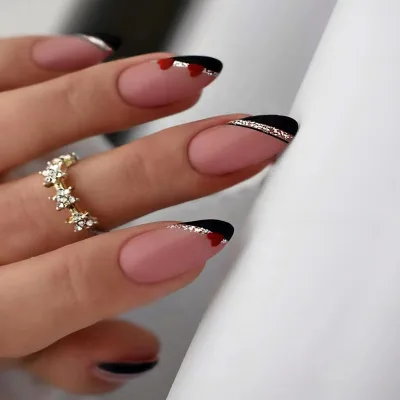
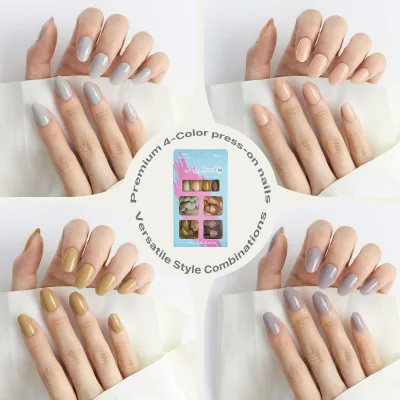
Furthermore, the "Style" and "Design" aspects cater to various aesthetic trends. Observed styles include "French," "Design," and specific color palettes like "O suzi mio-dark purple" or "Princesses rule-pink with shimmer." This variety allows buyers to target specific demographic segments, from those seeking classic looks to those interested in bold, artistic expressions. The availability of "Pre-Designed" options ensures that buyers can stock trending styles without the need for in-house design teams, provided the supplier offers a robust and frequently updated catalog.
Supplier Evaluation and Selection Criteria
Evaluating potential suppliers requires a multi-faceted approach that goes beyond price comparisons. The "Brand" name, such as Westory or Senboma, can indicate the supplier's market positioning, but buyers should prioritize the supplier's operational capabilities over brand recognition alone. Key evaluation metrics include the "Service" offerings, such as OEM capabilities and sample availability. The observation that "Free Sample Acceptable" is a common service allows buyers to physically inspect product quality before committing to a large order.
The "Port of dispatch" is another critical logistical factor. Suppliers operating out of major Chinese ports like Guangzhou, Zhongshan, Shenzhen, or Hong Kong generally offer more streamlined shipping options and established logistics networks. Buyers should verify the specific port of dispatch for their order to anticipate transit times and potential customs complexities. Additionally, the "Packing Details" provided by the supplier, such as the inclusion of nail glue, wooden stickers, and the specific carton configuration (e.g., 12 boxes in an inner, 288 in a carton), must be reviewed to ensure they meet the buyer's retail or distribution requirements.
Reliability is further assessed through the "Supply Ability" and "Lead Time" capabilities. While specific lead times are not universally fixed, a supplier claiming a supply ability of 2,000,000 boxes per month demonstrates the capacity to handle large orders. However, buyers should confirm the actual production capacity for their specific order volume to avoid delays. The "Logo" customization option also serves as a test of the supplier's flexibility and attention to detail, which are essential for private label arrangements.
Quality Control and Long-Term Procurement
Implementing a robust quality control (QC) strategy is essential for maintaining brand reputation in the press-on nail sector. Given the variation in materials and finishes, buyers should establish clear acceptance criteria for product attributes. This includes verifying the "Nail Shape" accuracy, the integrity of the "Full Cover" or "Half Cover" designs, and the adhesion quality of the included glue. The "Feature" claims of "Perfect Size Fitting" and "No" (likely referring to no damage or no breakage) must be validated through physical testing.
Long-term procurement considerations involve building a sustainable relationship with suppliers who can maintain consistency. The "Standard" for these products varies by size, meaning that QC protocols must be adaptable to different product dimensions. Buyers should request regular quality reports and consider third-party inspection services for large shipments. The "Certification" status should be re-verified periodically, especially if regulatory requirements in the destination market change.
Finally, the "Advantage" of products, such as "Zero Pressure" and "Natural Look," should be continuously monitored against customer feedback. As market trends shift, the ability of the supplier to adapt their "Design" and "Style" offerings will be crucial. Buyers should maintain open communication channels with suppliers to stay informed about new material innovations or design trends that could enhance their product portfolio. By focusing on these long-term factors, procurement professionals can ensure a steady supply of high-quality, compliant, and market-responsive pre-designed press-on nails.
Comparative Overview of Product Attributes
To assist in decision-making, the following table summarizes key observed attributes across different product categories within the pre-designed press-on nail sector. This comparison highlights the variability in specifications that buyers must account for during the sourcing process.
| Attribute Category | Fingernail Variants | Toenail Variants | Commonalities |
|---|---|---|---|
| Primary Material | Acrylic, ABS, Plastic | Plastic, Acrylic | All utilize durable synthetic materials |
| Nail Shape | Short Round, Squoval, Almond | Custom Nail Art Shape | Shapes vary by design and size |
| Coverage Type | Full Cover | Half Cover | Coverage depends on product model |
| Key Features | Easy to Wear, Removable | Zero Pressure, Natural Look | Reusable, Non-damaging |
| Packaging | 24 Count, Carton | 30pc + Glue + Sticker | Includes adhesive and accessories |
| Certification | CE, MSDS | MSDS | Safety data sheets are critical |
| Origin | China (Guangdong) | China (Guangdong) | Major production hubs in China |
| Customization | Available (Logo/Design) | Available (Design/Logo) | OEM services widely offered |
This overview underscores the importance of detailed specification checks. While many attributes overlap, the specific application (finger vs. toe) and coverage type (full vs. half) dictate the necessary technical and compliance checks. Buyers must ensure that the selected product aligns precisely with their intended market segment and usage scenario.
FAQs
What materials are used for pre-designed press-on nails?
Common materials include Acrylic, ABS plastic, and general plastic formulations. Buyers should verify the specific material for each SKU as it affects durability and weight.
Which certifications are typically available for these products?
Products often carry CE and MSDS certifications to ensure safety and regulatory compliance. Buyers must request valid documentation for specific batches as standards may vary by size.
Can I customize the design and logo for these nails?
Customization is available for designs, logos, and specific toenail shapes. Suppliers may offer OEM services, but setup fees and minimum order quantities often apply to custom requests.
What is the typical minimum order quantity for these nails?
The observed minimum order quantity ranges from 2 to 3000 units depending on the supplier. Lower MOQs allow for market testing while higher volumes often reduce unit costs.
How are the press-on nails packaged for shipping?
Packaging varies from single boxes of 24 counts to bulk cartons containing 288 boxes. Dimensions typically range from 10x7x6 cm to 14.5x4.5x2.79 cm per single package.
Where are these pre-designed nails typically manufactured?
Most products originate from manufacturing hubs in China, specifically Guangdong. Buyers should verify the port of dispatch, which often includes Guangzhou, Shenzhen, or Hong Kong.
What shapes and styles are available for pre-designed nails?
Available shapes include Short Round, Squoval, Almond, and Custom Nail Art Shapes. Styles range from French designs to hand-painted and carved variants with various color palettes.