Find Concrete Vibrator for Slabs, Columns, and Beams
Source 30 Concrete Vibrator units from verified manufacturers in China. Buyers can compare models like PV-45C and BG328, check certifications including CE and ISO9001, and review specifications such as vibrating amplitude and frequency to select the right equipment for construction projects.
Key considerations
Products List


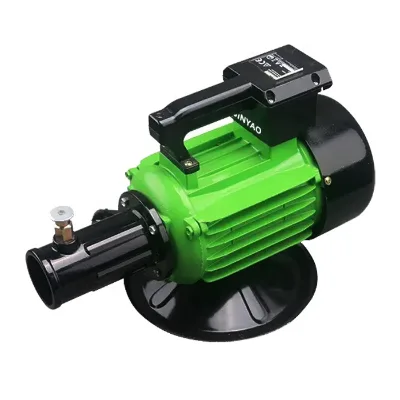
Concrete Vibrating Internal Electric Concrete Vibrator Mechanical Vibrator
$52.00 - $55.00
MOQ: 10 Pieces


High-Frequency Internal Concrete Vibrator Quick Simple Flexible Independent Operation
$460.00 - $463.00
MOQ: 10 Pieces




Comprehensive Sourcing Guide
Strategic Sourcing Guide for Concrete Vibrator Equipment
Selecting the appropriate Concrete Vibrator is a critical decision for construction projects, as the equipment directly influences the density, strength, and longevity of concrete structures. The market offers a diverse array of models, ranging from handheld units to heavy-duty wet shotcrete systems. Buyers must navigate a complex landscape of technical specifications, certification requirements, and supply chain variables to ensure they acquire equipment that meets specific project demands without compromising on safety or performance. This guide outlines the essential factors for evaluating concrete vibrators based on observed market data and standard industry practices.
Technical Specifications and Model Variations
The primary differentiator among concrete vibrators is their model designation and the specific mechanical parameters they offer. Market observations indicate a wide spectrum of model numbers, such as PV-45C, PV-45A, PV-45B, and the JYG series which includes sizes like 32MM, 38MM, 45MM, 50MM, and 60MM. These alphanumeric codes often correspond to the diameter of the vibrating head or the specific application class of the unit. For instance, the JYG series explicitly lists multiple diameters, suggesting a modular approach where the same power unit can be paired with different shaft sizes to suit various concrete pours.
The physical dimensions of the vibrating head are paramount. Specifications such as a casing outer diameter of 27mm or a flex-shaft diameter of 9.5mm are critical for ensuring the vibrator can penetrate the concrete mix effectively without causing segregation. The vibrating amplitude, a measure of the intensity of the vibration, varies significantly across available units. Observed data points include amplitudes of 1.4mm, 2.0mm, and 2.6mm. A higher amplitude generally indicates a more powerful unit capable of handling stiffer mixes or deeper pours, while lower amplitudes may be suitable for delicate or shallow applications.
Speed is another vital technical parameter. Buyers should verify the rotational speed and vibrating frequency, as these dictate the efficiency of air bubble removal. Data suggests units may operate with a rational speed of 8000rpm or a rotational speed range of 3000~3600rpm. The vibrating frequency is often measured in vibrations per minute (vpm), with observed ranges spanning from 9000 to 12500 vpm. Matching these frequencies to the specific concrete mix design is essential for achieving optimal compaction. Additionally, the structural design, such as the "Cylinder Type" mentioned in some listings, influences the durability and ease of maintenance of the internal components.
Compliance and Certification Standards
In the global construction industry, compliance with international standards is non-negotiable. When sourcing concrete vibrators, buyers must rigorously verify that the equipment carries recognized certifications. The most frequently observed certification in the current market data is ISO9001, often cited alongside specific conditions such as "New" or color variations like "Yellow" or "White." The presence of ISO9001 indicates that the manufacturer adheres to a quality management system, though buyers should confirm the specific version, such as ISO9001:2008, which appears in several product standards.
Beyond ISO9001, other critical certifications include CE, SGS, and CCC. The CE mark is essential for products entering the European market, signifying conformity with health, safety, and environmental protection standards. SGS certification provides third-party verification of product quality and safety, while CCC (China Compulsory Certification) is mandatory for many products sold within China. Some product listings also reference specific standards like "38" or "Spring or No-Spring," which likely refer to internal component specifications or safety mechanisms. Buyers should request valid certification documents for every batch of equipment purchased, ensuring that the certificates are current and issued by accredited bodies.
Cost Drivers and Pricing Dynamics
The price of concrete vibrators is influenced by a complex interplay of factors, including the model complexity, material quality, and the level of customization required. Market observations reveal a substantial price range, with unit costs spanning from approximately $0.80 to $463.00. This wide disparity suggests that the market includes everything from small replacement parts or basic accessories to fully assembled, high-performance industrial units.
Several key drivers affect the final cost. First, the customization level is a significant factor. Listings explicitly state that customization is available, allowing buyers to tailor features such as shaft length, head diameter, or packing methods to their specific needs. Custom orders typically command a premium over standard off-the-shelf models. Second, the origin of the product plays a role; units originating from Ningbo or Yanggu, Shandong, may have different cost structures compared to other regions, reflecting local labor and manufacturing costs. Third, the packaging requirements, whether standard cartons, pallets, or woven bags, can impact the total landed cost, especially for international shipping.
Buyers should also consider the Minimum Order Quantity (MOQ) when budgeting. The observed MOQ range is from 1 to 500 units. Purchasing a single unit for testing or small-scale projects will incur a higher per-unit cost compared to bulk orders. Understanding the MOQ thresholds is crucial for negotiating better pricing and managing inventory levels effectively.
Typical Applications and Operational Efficiency
Concrete vibrators are designed for specific applications, and selecting the wrong type can lead to structural failures. The market data highlights several distinct application categories. One prominent category is wet shotcrete, where the vibrating amplitude and frequency must be precisely controlled to ensure the concrete adheres properly to surfaces without slumping. Another category involves general concrete pouring, where the efficient design of the unit, described as "Easy Working," is crucial for operator comfort and productivity.
The efficiency of a vibrator is often linked to its design features. Units described as having an "Efficient Design" or "High Performance" are engineered to minimize energy loss and maximize the transfer of vibration to the concrete. The feeding height, observed at 1400mm for certain models, is a critical dimension for large-scale operations, allowing operators to work comfortably without excessive bending. Productivity metrics, such as 240m³/h, provide a benchmark for the output capacity of the equipment, helping buyers estimate the time required to complete a pour.
Safety is also a primary consideration in application. Features like "Environmental Design" and "Safety Design" indicate that the equipment is built to minimize risks to the operator and the environment. The "Long Lifetime" attribute suggests that high-quality units are designed to withstand the harsh conditions of construction sites, reducing the frequency of replacements and downtime.
Supplier Evaluation and Origin Verification
When evaluating potential suppliers, buyers must look beyond the product listing and assess the supplier's operational capabilities. The origin of the product is a key indicator of manufacturing standards. Data shows products originating from specific locations such as Ningbo and Yanggu, Shandong, as well as a general "China" origin. While these locations are known for manufacturing, buyers should verify the specific factory credentials and production capacity.
The machining process is another critical evaluation point. Listings mention processes such as "Welded Molding Machine" and "Hydraulic" machining. These processes indicate the level of automation and precision in the manufacturing line. Hydraulic processes, for instance, often imply higher precision and consistency in the final product compared to manual or semi-automated methods. Buyers should inquire about the specific machinery used to ensure the product meets their quality expectations.
Furthermore, the supplier's ability to provide custom solutions is a strong indicator of their flexibility and technical expertise. The availability of customization options, such as specific packing requirements or model modifications, suggests a supplier capable of adapting to unique project needs. Buyers should request case studies or references from previous clients to validate the supplier's track record in delivering reliable equipment.
Quality Control and Long-Term Procurement
Ensuring the long-term reliability of concrete vibrators requires a robust quality control strategy. The "Condition: New" attribute is standard, but buyers must verify that the equipment is indeed brand new and not refurbished or reconditioned. Quality control should extend to the packaging as well. Observed packing methods include "Carton and Pallet," "Cartons, Pallets, According to Your Demand," and "Packed in Carton Then N=in Pallents." Proper packaging is essential to prevent damage during transit, especially for international shipments.
For long-term procurement, buyers should consider the availability of spare parts and the ease of maintenance. Models with standardized components, such as the specific flex-shaft diameters and casing sizes mentioned, are easier to service. The "Spring or No-Spring" standard suggests variations in internal mechanisms that may affect maintenance schedules. Buyers should establish a relationship with the supplier to ensure a steady supply of replacement parts and technical support.
Finally, the total cost of ownership should be calculated, not just the initial purchase price. Factors such as the unit's energy efficiency, durability, and the cost of downtime due to repairs should be factored into the decision. By prioritizing units with high-performance attributes and verified certifications, buyers can mitigate risks and ensure a steady supply of reliable equipment for their construction projects.
Summary of Key Specifications and Standards
To facilitate quick reference, the following table summarizes the key technical and compliance attributes observed in the market data for concrete vibrators.
| Attribute Category | Specific Observations | Verification Requirement |
|---|---|---|
| Model Types | PV-45C, PV-45A, PV-45B, JYG-32/38/45/50/60, BG328, XK35 | Confirm model matches project depth and mix type. |
| Vibrating Amplitude | 1.4mm, 2.0mm, 2.6mm | Verify amplitude matches concrete stiffness. |
| Frequency/Speed | 9000 | Ensure frequency is suitable for air bubble removal. |
| Certifications | CE, ISO9001 (2008), SGS, CCC | Request valid, current certificates for all units. |
| Origin | Ningbo, Yanggu (Shandong), China | Verify factory location and manufacturing capability. |
| Packing | Carton, Pallet, Woven Bags, Custom | Confirm packaging prevents transit damage. |
| Process | Welded Molding, Hydraulic | Assess machining precision and durability. |
By adhering to these guidelines and rigorously verifying the provided data points, buyers can make informed decisions that align with their project requirements and quality standards. The Concrete Vibrator market offers a wide range of options, but success lies in the careful selection of equipment that balances technical performance, compliance, and cost-effectiveness.
FAQs
What certifications are required for concrete vibrators?
Concrete vibrators typically require ISO9001, CE, SGS, and CCC certifications. These standards ensure quality management and safety compliance for international markets, with specific versions like ISO9001:2008 often cited in product listings.
Which vibrating amplitude is suitable for stiff concrete mixes?
Higher amplitudes like 2.6mm are suitable for stiff mixes or deep pours. Lower amplitudes such as 1.4mm may be better for delicate applications, allowing buyers to match intensity to their specific concrete density requirements.
Can I customize the packing method for my order?
Yes, customization is available for packing methods including cartons, pallets, or woven bags. Buyers can request specific packaging arrangements like 'Cartons, Pallets, According to Your Demand' to suit their logistical needs.
How does the MOQ affect the unit price of vibrators?
The MOQ ranges from 1 to 500 units, significantly impacting the per-unit cost. Purchasing a single unit for testing incurs higher costs compared to bulk orders, which often benefit from economies of scale in pricing.
What is the typical rotational speed for efficient compaction?
Efficient compaction often requires rotational speeds between 3000 and 3600rpm or a rational speed of 8000rpm. These speeds, combined with frequencies of 9000 to 12500 vpm, ensure effective air bubble removal from the concrete.
Where are these Concrete Vibrator units manufactured?
Units are manufactured in locations such as Ningbo and Yanggu, Shandong, with a general origin of China. Buyers should verify the specific factory location to assess manufacturing capabilities and local labor standards.