Source Condom Packaging Foil Packing Machine for Apparel, Food, Medical
Compare 30 listings for the Condom Packaging Foil Packing Machine from verified suppliers. These units offer automatic wrapping with BOPP film, varying speeds up to 180 pieces per minute, and options for new or used conditions to suit apparel, food, and medical applications.
Key considerations
Products List


Super Quality Square Condom Packaging Machine/ Condom Packing Machine
$31000.00 - $280000.00
MOQ: 1 Set

High Quality Condom Packing Machine / Condom Foiling and Sealing Machine
$32000.00 - $280000.00
MOQ: 1 Set

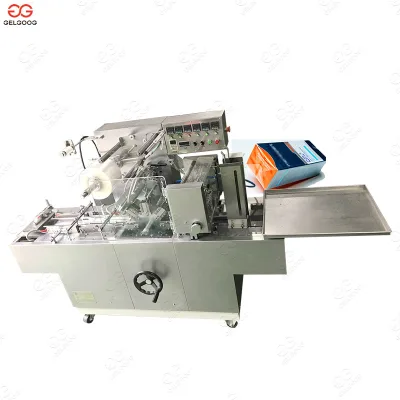
Automatic Condom Box Cellophane Packing Machine Condom Packaging Machine
$6200.00 - $7100.00
MOQ: 1 sets


BFB-II Square Condom Packaging Machine condom automatic packing machine
$20228.00 - $20229.00
MOQ: 1 Pieces

Automatic Rubber Condom Seal Foiling Pack Machine Latex Condom Packing Machine
$4500.00 - $6000.00
MOQ: 1 Pieces


Full Automatic Natural Rubber Latex Bulk Condom Sealing Foiling Packing Machine Equipment
$4500.00 - $6000.00
MOQ: 1 Pieces


Semi-Automatic Disposable Condom Packing Cooling Patch Foil Sealing Packing Machine
$4500.00 - $6000.00
MOQ: 1 Pieces

Professional Automatic Small Aluminum Foil Accuracy Sachet Condom Packing Machine
$4500.00 - $6000.00
MOQ: 1 Pieces




Comprehensive Sourcing Guide
Condom Packaging Foil Packing Machine Sourcing Guide
The global market for condom packaging foil packing machines features a diverse range of automated solutions designed for high-speed wrapping with BOPP film. Buyers observe listings indicating production speeds between 130 and 180 pieces per minute, suitable for meeting substantial volume demands in the medical and pharmaceutical sectors. These machines are typically engineered with horizontal structures and automatic grades to ensure consistent performance during continuous operation cycles.
Procurement decisions must account for the specific physical dimensions and power requirements of the equipment, as observed listings show varying voltage specifications such as 220V or 4 Wire 3 Phase 380V. The machinery often includes core components like PLCs and engines, which are critical for maintaining the precision required in wrapping sensitive medical products. Buyers should verify that the power consumption aligns with their facility's electrical infrastructure before finalizing any purchase agreement.
Product Scope and Observed Listing Signals
Current market listings reveal a wide price spectrum ranging from 3,500 to 280,000 USD, reflecting differences in automation levels, brand reputation, and included features. While some units are marketed as new with high-speed capabilities, others appear as used equipment, requiring careful inspection of their operational history and remaining lifespan. The minimum order quantity is consistently observed at one unit, allowing for flexible procurement strategies for small to medium-sized enterprises.
Buyers should note that packaging details vary significantly, with options including wooden cases, containers, or export-standard wooden packing to ensure safe transit. The observed product models, such as lp-004 and DP-CM-112704, suggest a variety of configurations available to meet specific production line needs. It is essential to distinguish between machines designed for single-item sales and those intended for bulk industrial deployment to avoid mismatched expectations.
Technical Specifications to Verify
Technical due diligence must focus on the machine's physical footprint and operational speed, as dimensions like 20007901550mm or 1.4m1m1.32m directly impact factory floor layout planning. The observed speed range of 130 to 180 pieces per minute is a key performance indicator that must be validated against actual production requirements to ensure efficiency targets are met. Buyers should confirm that the automatic grade and horizontal structure align with their existing workflow and material handling systems.
Power specifications are another critical verification point, with listings showing both 220V and 380V 3-phase options alongside a 4.5KW power rating. The machinery test report provided by some suppliers offers valuable insight into the machine's performance under load, but buyers must ensure these reports are current and relevant to the specific unit being purchased. Verifying the driven type as electric and the core components like the PLC ensures the machine meets modern automation standards.
Compliance and Safety Documentation
Certification status is a primary compliance factor, with observed listings frequently citing CE, ISO, and ISO9001 standards as evidence of adherence to international safety and quality norms. Buyers must request valid certification documents to confirm that the machine meets the regulatory requirements of their target export markets, particularly for medical and pharmaceutical applications. The presence of these certifications often indicates a higher level of manufacturing rigor and safety protocol implementation.
Safety documentation should also include details on after-sales service provisions, such as field maintenance and repair services, which are crucial for minimizing downtime in critical production environments. The warranty period, typically observed as one year, provides a baseline for manufacturer liability, but buyers should clarify the scope of coverage for core components like the engine and PLC. Ensuring that the supplier offers video technical support and online assistance adds an extra layer of security for remote troubleshooting.
Cost Drivers and Commercial Terms
The total cost of ownership is influenced by several factors, including the machine's condition, whether new or used, and the complexity of its automated features. High-speed models with advanced PLC controls generally command a premium price, while basic units may offer a lower entry point but potentially higher long-term maintenance costs. Buyers should analyze the supply ability, often listed as 100 sets per month, to gauge the supplier's capacity to fulfill orders without significant delays.
Commercial terms must clearly define the port of dispatch, with Qingdao port being a common origin point for shipments from China. Packaging details, such as the use of wooden cases or containers, affect shipping costs and insurance requirements, which should be factored into the final landed cost calculation. Buyers should also consider the marketing type and selling units, ensuring that the pricing structure aligns with their budget and procurement volume expectations.
Supplier Qualification and Quality Control
Supplier qualification requires a thorough review of the place of origin, with listings indicating production from major manufacturing hubs like Shanghai, Guangdong, and Henan. These regions are known for their industrial capabilities, but buyers must verify the specific factory's track record and quality control processes to ensure consistent product standards. The availability of local service locations in regions like Vietnam and Nigeria can significantly reduce logistical challenges for after-sales support.
Quality control measures should include a review of the machinery test report and the warranty terms provided by the manufacturer. Buyers should confirm that the supplier offers spare parts availability and field maintenance services to address any potential issues promptly. The brand name, such as GELGOOG, may indicate a specific level of market presence, but independent verification of the supplier's reputation and customer feedback is essential for risk mitigation.
Long-Term Procurement Checks
Long-term procurement success depends on the availability of comprehensive after-warranty services, including video technical support, online assistance, and spare parts supply. Buyers should establish clear communication channels with the supplier to ensure rapid response times for any technical issues that may arise after the initial warranty period expires. The ability to provide field maintenance and repair services is a critical factor in maintaining continuous production operations.
Buyers must also monitor the machine's performance over time to ensure it continues to meet the specified speed and packaging quality standards. Regular maintenance schedules should be established based on the manufacturer's recommendations to prevent unexpected breakdowns and extend the equipment's operational life. Keeping detailed records of all service interactions and maintenance activities will help in managing the asset effectively and planning for future upgrades or replacements.
FAQs
What is the production speed of the Condom Packaging Foil Packing Machine?
The production speed ranges from 130 to 180 pieces per minute. This high-speed automatic operation ensures efficient output for bulk manufacturing requirements. The machine is designed to maintain consistent performance during continuous operation, making it suitable for large-scale packaging lines.
Can the Condom Packaging Foil Packing Machine be customized?
Standard models are non-customized, but color options can be customized. The machine features a horizontal structure and automatic grade operation. Buyers should verify specific customization needs with suppliers, as most listed units are standard configurations packed in wooden cases for export.
What certifications does the Condom Packaging Foil Packing Machine have?
The machine holds CE and ISO certifications, including ISO9001. These certifications ensure compliance with international safety and quality standards. Buyers can rely on these documented credentials for regulatory approval in various global markets, ensuring the equipment meets essential operational safety requirements.
What is the warranty period for the Condom Packaging Foil Packing Machine?
The warranty period is one year. After-sales services include video technical support, online assistance, spare parts provision, and field maintenance. This comprehensive support structure helps minimize downtime and ensures long-term operational reliability for the packaging equipment in industrial settings.
How is the Condom Packaging Foil Packing Machine packed for shipping?
The machine is packed in a wooden case as an export standard. Some units are also packed in containers. This robust packaging protects the equipment during transit, ensuring it arrives in optimal condition. The standard dimensions and weight are designed for safe logistical handling and storage.
What is the power requirement for the Condom Packaging Foil Packing Machine?
The machine operates on 4.5KW power with a 4-wire 3-phase 380V 50Hz configuration. Some models may also support 220V voltage. Buyers must ensure their facility has the appropriate electrical infrastructure to support these specific power requirements for safe and efficient machine operation.