Source Concrete Removal Tile Floor Scraper for Flooring, Cleaning, and Concrete Workings
Compare 30 Concrete Removal Tile Floor Scraper options from verified suppliers in China. These tools feature stainless steel blades and wood or plastic handles for efficient tile and carpet removal in indoor and outdoor settings.
Key considerations
Products List


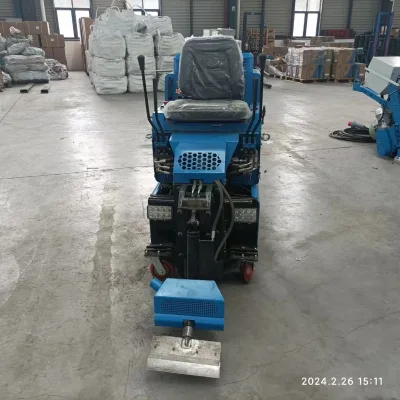
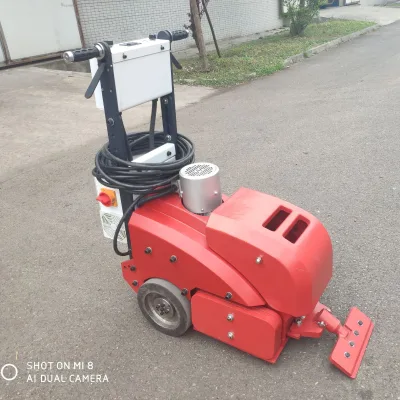
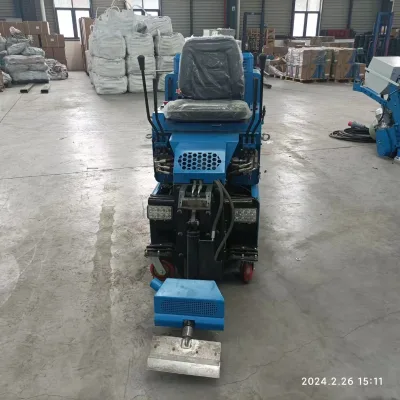
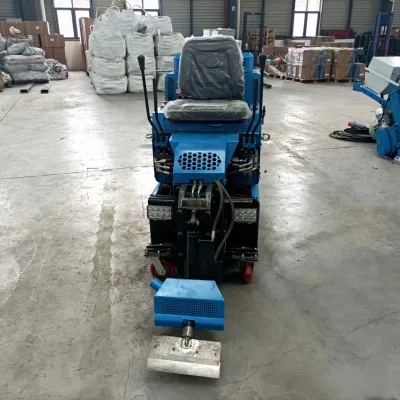
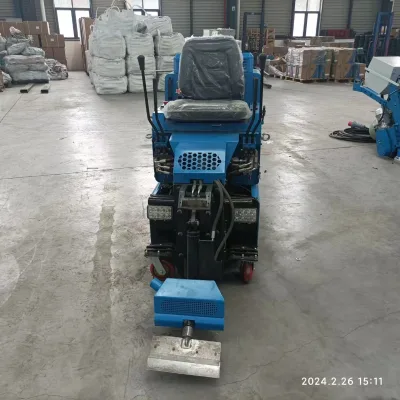
Floor Removal Machine Electric Driving Ride on Tile Scraper
$6881.00 - $12779.00
MOQ: 1 Unit
Shandong Roadway Construction Machinery Manufacturing Co., Ltd.


40m/Min Max Concrete Floor Scraper Compactor Machinery
$6881.00 - $12779.00
MOQ: 1 Pieces
Shandong Roadway Construction Machinery Manufacturing Co., Ltd.


Blade Tile Floor Scraper Tool Thinset Removal Chisel for Removing Floor Tile Thinset
$0.20 - $25.00
MOQ: 1000 Pieces



Comprehensive Sourcing Guide
Strategic Sourcing Guide for Concrete Removal and Tile Floor Scrapers
Understanding Product Variants and Core Specifications
When sourcing equipment for concrete removal and tile floor scraping, buyers must first distinguish between manual hand tools and powered machinery, as the supplied data reveals a distinct divergence in product categories under the same functional umbrella. The market offers manual implements described specifically as "Floor Scrapers" with a "Flat Trowel" type classification. These tools are characterized by a blade made of "Stainless Steel" with a "Mirror Polished" finish, designed for "Floor and Concrete Workings." The specific dimensions observed for these manual units are "12"x4", with a blade thickness of "0.7mm" and a "Flat" blade edge. The handle composition varies significantly across listings, with some models utilizing "Wood" while others specify "Zinc" or "Plastic" components, and a few entries mention "Aluminium" as a material attribute, suggesting a need for careful verification of the handle's structural integrity.
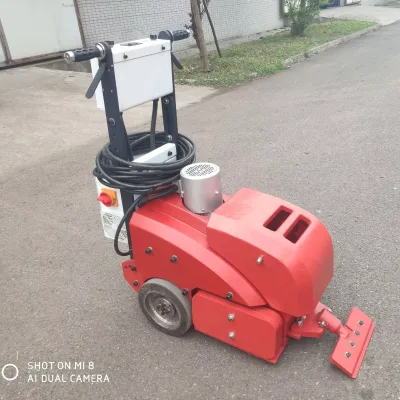
In contrast, the sourcing landscape also includes heavy-duty powered machinery designed for high-efficiency operations. These units are described with "Automatic Grade" classifications and utilize a "Hydraulic Pressure" transmission method driven by a "Hydraulic Motor." The technical specifications for these powered scrapers indicate a "Motor Speed" of "2800rpm" and a "Driving Speed" ranging from "0-40m/Min." The physical footprint of these machines is substantial, with a standard size of "1710x686x1355mm." Powering these units often involves a "48V300ah" storage battery, and the control mode is typically managed via "Handle Control" with "Stepless Speed" capabilities. The presence of "Double Cylinders" rated at "5kw" further indicates the high-torque requirements for removing hardened concrete or thick tile adhesives. Buyers must explicitly verify whether their project requires the precision of a manual "putty knife sets" model or the brute force of a hydraulic machine, as the procurement strategy, budget, and labor requirements differ drastically between these two classes.
Compliance, Certification, and Quality Verification
Navigating the compliance landscape for construction tools requires a rigorous approach to verifying certifications and standards, particularly when sourcing from international markets. The supplied product data indicates that some machinery listings carry "ISO" certification, which serves as a baseline for quality management systems. However, the absence of specific safety standards (such as CE, UL, or OSHA compliance) in the provided text necessitates that buyers actively request documentation rather than assuming compliance. For manual tools, the "Mirror Polished" blade finish is a quality indicator that can reduce friction and prevent material adhesion, but this is an observation of the finish rather than a guaranteed performance metric for all units.
Quality verification extends to the mechanical integrity of powered units. The data mentions that a "Machinery Test Report" is "Provided" for certain models, which is a critical document for validating the "High Operating Efficiency" claimed as a unique selling point. Buyers should ensure that these reports cover the specific hydraulic and electrical systems, including the "Hydraulic Motor" and "Double Cylinders." Furthermore, the "Warranty of Core Components" is listed as "1 Year" for some items, which is a standard benchmark for industrial equipment but requires clear definition of what constitutes a "core component" in the context of the specific machine. The "After Warranty Service" options, including "Video Technical Support" and "Online Support," are vital for maintaining operational continuity, especially for complex hydraulic systems that may require specialized troubleshooting.
Cost Drivers and Pricing Dynamics
The pricing structure for concrete removal and tile floor scrapers is influenced by a complex interplay of material costs, manufacturing complexity, and order volume. The observed price range in the market spans from "0.1" to "12779" USD, reflecting the vast difference between a simple manual scraper and a fully automated hydraulic machine. For manual tools, the cost is primarily driven by the "Stainless Steel" content and the finish quality, such as the "Mirror Polished" treatment. The "Customization" availability noted in the data suggests that buyers can incur additional costs for tailored blade dimensions or handle materials, which may deviate from the standard "12"x4" size.
For powered machinery, the cost drivers shift toward the hydraulic system, battery capacity, and motor specifications. The inclusion of a "48V300ah" battery and a "5kw" cylinder system represents a significant investment in power and mobility. The "Automatic Grade" and "Stepless Speed" control features add to the manufacturing complexity and, consequently, the unit price. Buyers should also consider the "MOQ" (Minimum Order Quantity) range of "1-2000" when calculating total procurement costs. While a single unit may be purchased for small projects, larger orders often benefit from economies of scale, though the specific discount structures are not detailed in the source data. The "Export Standard Veneer Packing" for machinery adds a layer of cost to ensure safe transit, which must be factored into the landed cost analysis.
Typical Applications and Operational Context
The application scope for these tools is broad, ranging from residential renovation to large-scale industrial demolition. Manual floor scrapers are explicitly noted for "Removing Tiles and Carpets" and general "Flooring" applications. Their "Multi-Used" nature allows them to fit "All in & Outdoor Work," making them versatile for various surface types. The "Flat" blade edge is particularly suited for scraping flat surfaces where precision is required without damaging the underlying substrate. These tools are ideal for tasks requiring manual dexterity and where power sources are unavailable or impractical.
Powered hydraulic scrapers, with their "Driving Speed" of up to "40m/Min," are designed for high-volume concrete removal and heavy-duty flooring work. The "High Operating Efficiency" claimed for these machines suggests they are best suited for commercial construction sites or large renovation projects where time is a critical factor. The "Hydraulic Motor" and "Double Cylinders" provide the necessary force to break through thick concrete layers or stubborn adhesive bonds that manual tools cannot handle. The "Cleaning" application mentioned in the data further implies that these machines may also be used for surface preparation prior to new flooring installation. Buyers must match the tool's capability to the specific material hardness and the scale of the project to avoid under-specifying equipment, which leads to inefficiency, or over-specifying, which results in unnecessary capital expenditure.
Supplier Evaluation and Origin Verification
Evaluating suppliers for these products requires a careful examination of their geographical origin and production capabilities. The data indicates that products originate from multiple regions in China, including "Guangdong," "Shandong," and a general "China" designation. Guangdong is a known hub for manufacturing diverse hardware and tools, while Shandong is often associated with heavy machinery and industrial equipment. The "Brand" attribute is listed as "OEM or ODM," indicating that many suppliers operate as manufacturers capable of private labeling or custom design. This is a significant advantage for buyers looking to build their own brand or source specialized equipment.
However, the variation in origin locations necessitates a thorough due diligence process. Buyers should verify the specific factory location to ensure it aligns with their quality expectations and logistical requirements. The "prod_packing" details, such as "1PCS Per Polybag" for manual tools or "Export Standard Veneer Packing" for machinery, provide insight into the supplier's attention to detail and logistics readiness. The availability of "Video Technical Support" and "Online Support" suggests that suppliers are equipped to handle remote troubleshooting, which is crucial for international buyers. When evaluating potential partners, buyers should prioritize those who can provide the "Machinery Test Report" and clearly define their "Warranty of Core Components" to ensure long-term reliability.
Long-Term Procurement and Maintenance Considerations
Sourcing floor scrapers is not merely a transactional purchase but a strategic decision that impacts long-term operational efficiency and maintenance costs. The "Condition" of the products is listed as "New," but buyers must verify the longevity of the components, particularly the "Stainless Steel" blades and the hydraulic systems. The "Mirror Polished" finish on manual blades is an indicator of quality, but regular maintenance is required to prevent rust and ensure the "Flat" edge remains sharp. For powered units, the "48V300ah" battery and "Hydraulic Motor" require specific care routines to maintain performance over the "1 Year" warranty period.
The "Customization" feature allows buyers to tailor tools to specific project needs, which can extend the useful life of the equipment by reducing wear and tear on non-specialized parts. However, custom orders may have longer lead times and higher MOQs, which must be factored into the procurement timeline. The "After Warranty Service" options, including "Video Technical Support," are essential for resolving issues that arise after the initial warranty period. Buyers should establish a relationship with suppliers who offer robust post-sales support to minimize downtime. Additionally, the "Stepless Speed" control on powered machines offers flexibility, but operators must be trained to use these features correctly to prevent premature wear on the transmission and motor components. By focusing on these long-term factors, buyers can ensure a sustainable procurement strategy that delivers value beyond the initial purchase price.
FAQs
What materials are used for the blade and handle?
The blade is made of stainless steel with a mirror polished finish, while handles vary between wood, zinc, and plastic. Buyers must verify the specific handle material for each model as options include wood or plastic depending on the listing.
Which specifications define the manual floor scraper size?
Manual units typically measure 12 inches by 4 inches with a blade thickness of 0.7mm and a flat edge. These dimensions are standard for models described as flat trowels designed for removing tiles and carpets.
Can I find powered scrapers with hydraulic motors?
Yes, powered models feature hydraulic motors with a driving speed of 0 to 40 meters per minute. These machines often include double cylinders rated at 5kw and are controlled via handle control with stepless speed capabilities.
What certifications are available for the machinery?
Some powered machinery listings carry ISO certification as a quality standard. Buyers should request the provided machinery test report to verify the high operating efficiency and core component warranty details before purchasing.
How does the price range vary between tool types?
Prices range from 0.1 to 12779 USD depending on whether the item is a manual tool or a powered machine. Manual scrapers cost less, while hydraulic units with 48V batteries and advanced controls command higher prices.
What is the minimum order quantity for these products?
The minimum order quantity ranges from 1 to 2000 units depending on the supplier and product type. Buyers can often source single manual units or larger batches of machinery based on their project scale.
Where are these products manufactured?
Products originate from regions in China including Guangdong and Shandong. Guangdong is known for hardware tools, while Shandong often supplies heavy machinery like the hydraulic floor scrapers.