Source Condenser Coil Foam Cleaner for cars, HVAC, and AC units
Find 30 verified Condenser Coil Foam Cleaner options for automotive, HVAC, and air conditioning applications. Compare specifications, prices, and MOQs from Guangzhou-based suppliers offering customizable formulas and certifications to ensure efficient cleaning performance; compare the available evidence and request quotations based on your requirements.
Updated
Key considerations
Products List
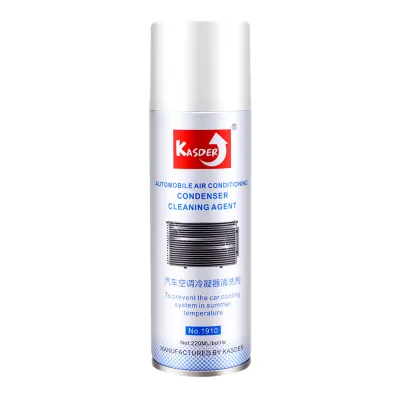
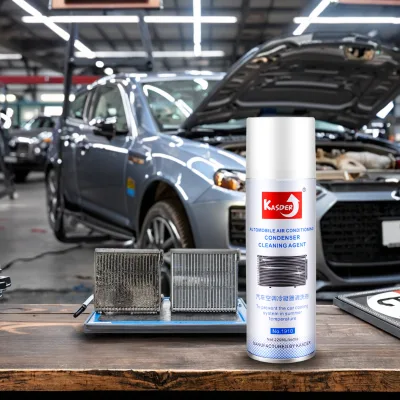
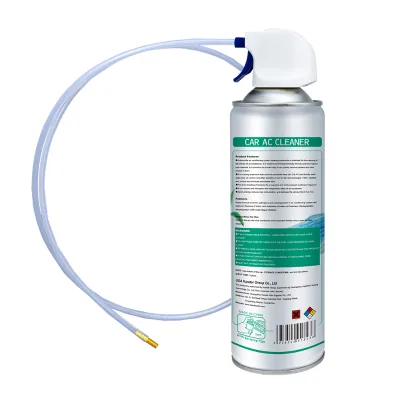
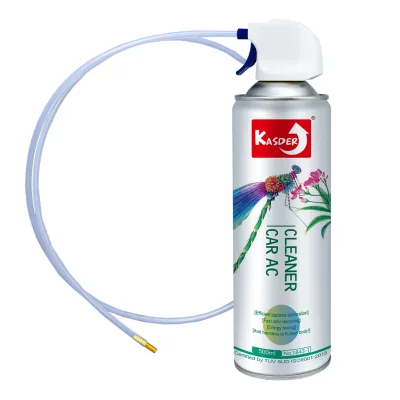
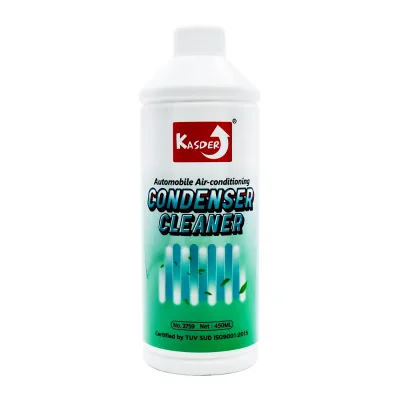
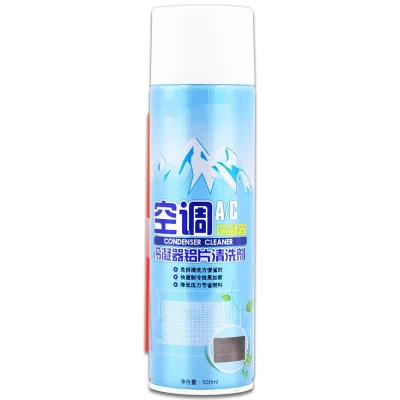

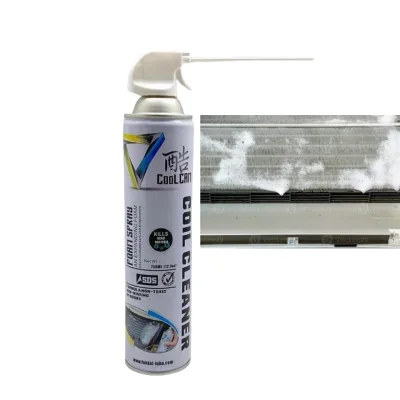
HVAC Refrigeration Super Quality Evaporator Coil Cleaner and Condenser Coil Cleaner
$0.20 - $0.40
MOQ: 1000 Pieces


Wholesale Comstar Coil King External Condenser Coil Cleaner and Brightener
$5.01 - $10.00
MOQ: 1000 Pieces
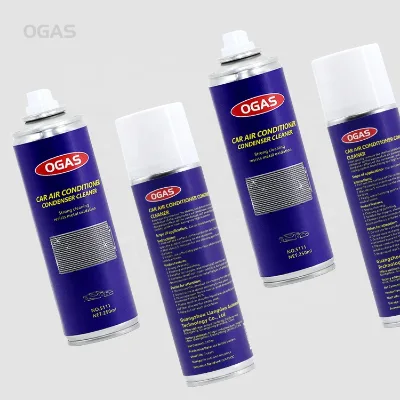
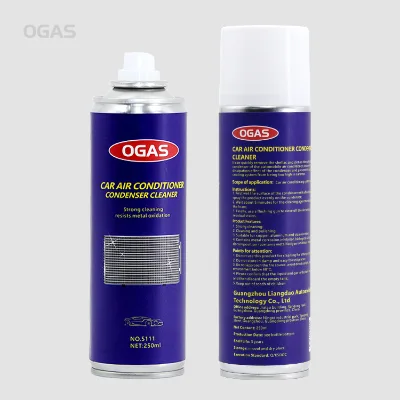
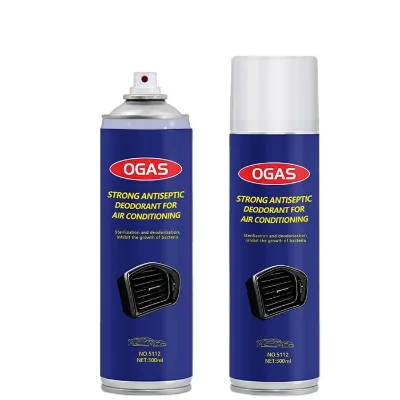
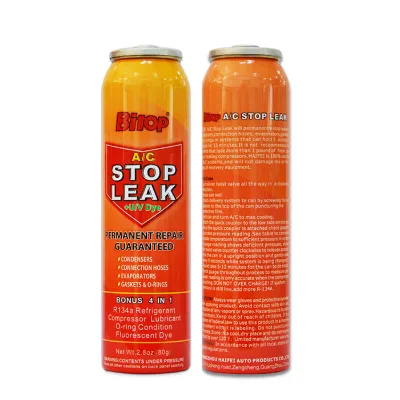
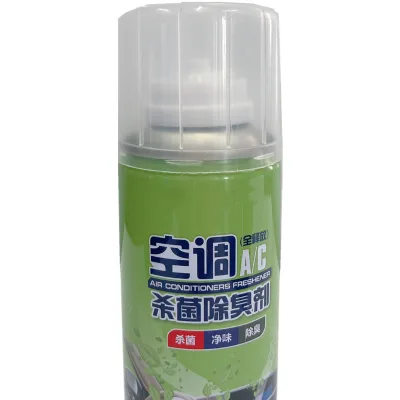


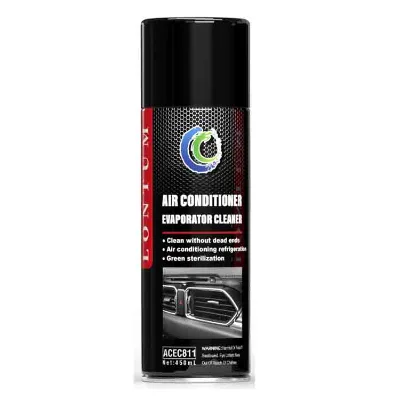
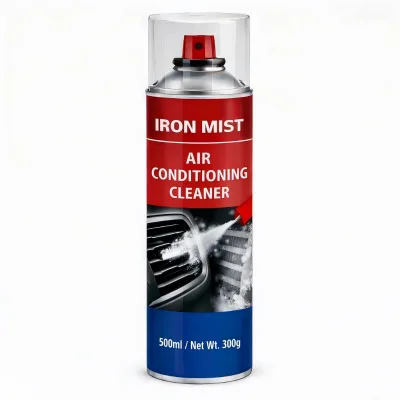

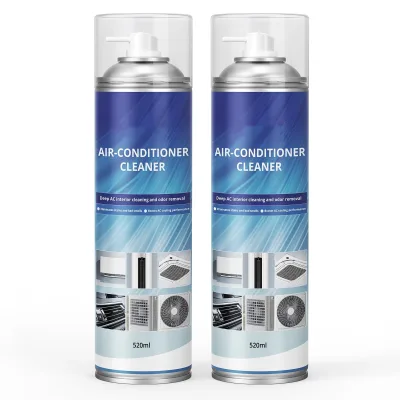
China Manufacturer HVAC Cleaner Home Air Conditioner Foaming Coil Cleaner
$0.40 - $0.80
MOQ: 6000 Pieces


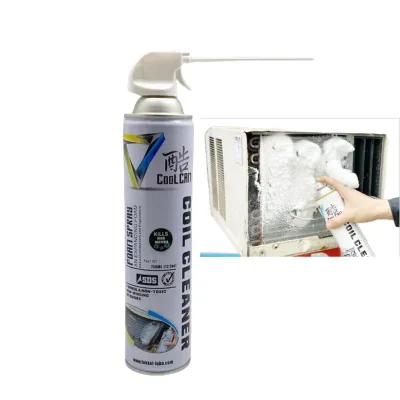
No Rinse Foaming Air Conditioner Coil Cleaner for Removing Dirt/Grease/Oil
$0.40 - $0.80
MOQ: 6000 Pieces

Comprehensive Sourcing Guide
Condenser Coil Foam Cleaner Sourcing Guide
Buyers must first distinguish between formulations designed for automotive air conditioning systems and those intended for broader HVAC applications. The observed product listings indicate specific use cases for cleaning condenser and coil units, with some items explicitly targeting car AC air conditioners while others address general HVAC cooling coils. This distinction is critical because the chemical composition required to safely remove dust and micro-organisms from delicate automotive fins may differ from the requirements for industrial cooling units.
Procurement teams should verify the specific application claims against the product name and function descriptions provided in the listing. Some suppliers offer products labeled as self-rinsing foam cleaners that claim to eliminate harmful micro-organisms without requiring a rinse step, while others focus on deep cleaning and odor removal. Understanding whether the product is a single-item spray or part of a bulk carton package helps determine the appropriate logistics strategy for the intended facility or service fleet.
Product Scope and Observed Listing Signals
The market presents a wide variance in physical specifications, with observed volumes ranging from 220ml to 500ml units. Buyers should note that some listings specify a single package size in centimeters while others define the weight or volume in milliliters, creating potential confusion during the initial selection phase. The presence of different model numbers, such as 1910 and 1843-1, suggests that manufacturers may offer distinct formulations or packaging configurations for different market segments, requiring careful cross-referencing of the product name and application details.
Commercial signals also vary significantly regarding minimum order quantities and sample availability. While some suppliers indicate an immediate stock status for samples, others specify a lead time of two to five days for sample production. The observed MOQ ranges from 24 pieces to 25,000 units, reflecting a market that serves both small-scale repair shops and large-scale industrial distributors. Buyers must align their order volume with the supplier's stated capacity to avoid delays or unexpected unit price escalations.
Technical Specifications to Verify
Technical due diligence requires confirming the dilution ratio and the specific formula type, as some suppliers offer customizable formulas while others rely on pre-defined mixtures. The observed data includes a specific dilution ratio of approximately 0.74, which may apply to certain concentrated variants, but buyers must verify if this ratio is standard across all SKUs or specific to a particular model. Additionally, the material composition is listed as both metal and surfactants, indicating that the packaging is metal while the active cleaning agents are surfactant-based, a distinction that impacts storage and handling requirements.
Performance claims such as "perfect efficient" or "super cleaning" must be validated against the product's stated features, such as being safe on A/C fins and coils. Buyers should check if the product explicitly claims to clear dust and clogged pipes or if it focuses primarily on anti-bacterial properties and odor elimination. The fragrance profile, noted as lime and citrus in some listings, may be a differentiating factor for end-users but should not be the primary driver for technical selection unless the scent is a specific requirement for the service environment.
Compliance and Safety Documentation
Safety compliance is a non-negotiable aspect of sourcing, with observed certifications including ISO9001, ISO14001, and OHSAS18001. These standards indicate that the supplier has established management systems for quality, environmental impact, and occupational health and safety, which is essential for bulk procurement. Buyers must request the specific test reports and MSDS documents to ensure the product meets the regulatory requirements of their destination market, particularly regarding volatile organic compounds and hazardous material handling.
Regulatory adherence extends to regional standards such as REACH, CARB VOC, and CA65, which are critical for products entering markets with strict chemical regulations. The presence of TUV ISO 9001:2015 certification in some listings further validates the manufacturing process, but buyers should verify that the specific batch they are purchasing carries the corresponding documentation. Without these documents, the product may face customs delays or legal liabilities, especially when used in commercial vehicles or public buildings where air quality and safety are strictly monitored.
Cost Drivers and Commercial Terms
Pricing in this category is influenced by the volume of the unit, the complexity of the formula, and the packaging configuration. The observed price range spans from 0.2 to 21.2 USD, a wide disparity that likely reflects differences in concentration, brand positioning, and order quantity. Buyers should analyze whether the lower price points correspond to smaller volumes or generic formulations, while higher prices may indicate specialized features like self-rinsing capabilities or premium certifications.
Commercial terms such as the minimum order quantity and sample lead times directly impact the total cost of ownership. Suppliers with an MOQ of 120 pieces may offer better unit economics for small businesses, whereas those requiring 2,400 or 25,000 units are better suited for large distributors. The availability of OEM services and the option to customize the formula can also affect the final cost, as bespoke solutions typically incur higher setup fees and longer lead times compared to standard off-the-shelf products.
Supplier Qualification and Quality Control
Supplier qualification should begin with verifying the place of origin, as the majority of observed listings originate from Guangzhou or Guangdong, China. This concentration suggests a mature supply chain ecosystem, but buyers must still assess the individual supplier's capacity to maintain consistent quality across batches. The presence of an "Advantage" section in listings often highlights technology support and quality assurance, but these claims should be backed by tangible evidence such as factory audits or third-party inspection reports.
Quality control processes must be explicitly defined before placing an order, particularly regarding the expiration date and storage stability. The observed expiration date of three years provides a baseline for shelf life, but buyers should confirm the storage conditions required to maintain this duration. Additionally, the service model, including the acceptance of customization and the availability of technical support, should be evaluated to ensure the supplier can respond effectively to any quality issues or formulation adjustments required during the procurement lifecycle.
Long-Term Procurement Checks
Sustaining a successful procurement relationship requires regular re-evaluation of the supplier's ability to meet evolving compliance and performance standards. Buyers should establish a schedule for reviewing updated certification documents, such as the latest ISO or REACH compliance reports, to ensure the product remains eligible for their target markets. This proactive approach mitigates the risk of supply chain disruptions caused by regulatory changes or shifts in manufacturing standards.
Performance monitoring should also include tracking the actual efficacy of the cleaner in real-world applications, comparing the observed results against the supplier's claims of deep cleaning and anti-bacterial action. If the product is used for cleaning car AC condensers or HVAC coils, the frequency of re-application and the impact on energy efficiency should be measured over time. Maintaining a record of these performance metrics allows buyers to make data-driven decisions regarding supplier retention or the need to source alternative solutions that better meet operational needs.
FAQs
What certifications do condenser coil foam cleaners typically have?
These cleaners often carry ISO9001, ISO14001, OHSAS18001, REACH, MSDS, CARB VOC, and CA65 certifications. Some products also hold TUV ISO 9001:2015 and test reports. These documents verify safety and quality standards for industrial and automotive applications, ensuring compliance with environmental and occupational health regulations during use.
How should I apply Condenser Coil Foam Cleaner?
You can spray the cleaner directly onto the condenser or coil surface. The formula is designed to clear dust and eliminate harmful micro-organisms without requiring rinsing. This self-rinsing feature makes it safe for A/C fins and coils, allowing for efficient cleaning of car AC units and HVAC systems with minimal effort.
What is the typical volume for these spray cans?
Common volumes include 220ml, 450ml, and 500ml options. The 500ml variant is often packaged with 24 cans per carton. These sizes cater to different cleaning needs, from small automotive AC units to larger HVAC systems, providing sufficient foam coverage for effective deep cleaning and odor removal.
Can I customize the formula for condenser coil cleaner?
Yes, manufacturers often accept customization requests for the formula. You can choose a pre-defined formula or request a custom blend. This service allows buyers to tailor the cleaner to specific requirements, such as fragrance preferences like lime and citrus, or specific cleaning intensities for different coil materials.
Where are these cleaners typically manufactured?
Many of these products originate from Guangzhou or Guangdong, China. This region is a major hub for manufacturing cleaning agents and automotive supplies. Buyers can source products directly from factories in these locations, benefiting from established supply chains and competitive pricing for bulk orders of condenser coil foam cleaners.
What is the minimum order quantity for these products?
MOQs vary significantly, ranging from 24 pieces to 25,000 pieces depending on the supplier and product type. Some items have an MOQ of 120 pieces, while others require 2,400 pieces. Buyers should check specific product listings to determine the exact MOQ for their desired volume and packaging configuration.