Source Consumer Electronics Drop Test Machine for School, Hospital, Lab
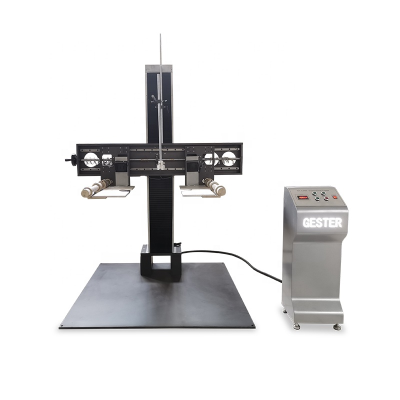
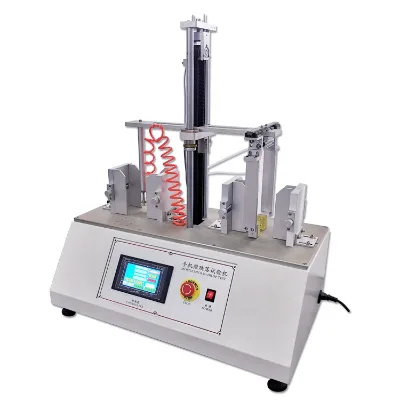
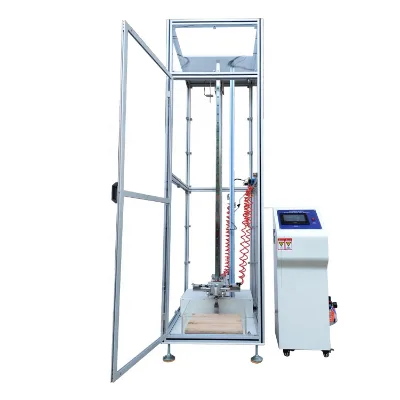
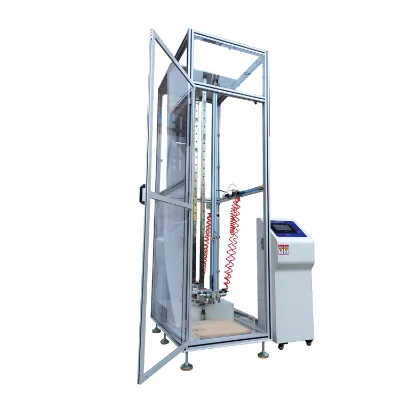
Find 30 consumer electronics drop test machines with customizable drop heights, static or electronic load options, and compliance with ISO, JIS, and GB standards. Buyers can compare models like ZH-AD-800 and LT-BZ02-D for factory, school, or hospital applications.
Key considerations
Products List


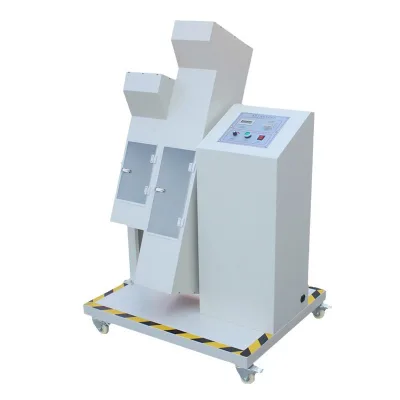
Electronic Computerized LCD Touch Screen Box Drop Testing Instrument
$3000.00 - $6000.00
MOQ: 1 Pieces


for Phone Tester Battery/Cellphone/Electronic Products Drop Test Machine
$3500.00 - $6500.00
MOQ: 1 Sets


Comprehensive Sourcing Guide
Strategic Sourcing Guide for Consumer Electronics Drop Test Machines
The procurement of drop test machines for consumer electronics requires a rigorous understanding of technical specifications, compliance frameworks, and supplier capabilities. As the electronics industry evolves, the demand for robust quality assurance equipment has intensified. Buyers must navigate a complex landscape where machine configurations vary significantly based on the specific testing requirements of the product under evaluation. This guide provides a structured approach to sourcing these critical assets, ensuring that procurement decisions are grounded in verifiable data and industry best practices rather than marketing assertions.
Understanding Technical Specifications and Machine Capabilities
The foundation of any successful procurement process lies in a precise definition of technical requirements. Drop test machines are not monolithic; they vary widely in capacity, dimensions, and control mechanisms. When evaluating potential equipment, buyers must scrutinize the maximum workpiece dimensions and weight limits. For instance, specific models in the market support a maximum workpiece diameter of up to 2000mm, while others are optimized for smaller components with a maximum diameter under 500mm. Similarly, the mass scope of the workpiece can range from less than 100kg to over 900kg, with some heavy-duty units capable of handling masses up to 1000kg or more.
The drop height is another critical parameter that dictates the machine's utility. Available configurations often feature a drop height range between 300mm and 1500mm, or specifically 40cm to 150cm, allowing for a wide spectrum of impact scenarios. The loading method is equally important; while some systems utilize static load mechanisms, others employ electronic load systems for more dynamic testing. The power supply requirements must also be verified, with common configurations operating on AC220V at 50Hz. Buyers should also consider the physical footprint of the equipment, as external sizes can vary from approximately 1400×1200×2300mm to larger configurations reaching 3300×1600×2100mm.
Control systems have become a standard differentiator in this sector. Modern units frequently feature digital control interfaces with touch-screen capabilities, offering enhanced user interaction and data logging. The display method often includes a digital height indicator, which may be an optional feature depending on the specific model configuration. Furthermore, the transmission approach, such as electric transmission, influences the smoothness and precision of the drop mechanism. Understanding these nuances ensures that the selected machine aligns with the specific testing protocols required for consumer electronics, which often involve fragile components and varying form factors.
Compliance, Certification, and International Standards
In the realm of quality assurance, compliance with international standards is non-negotiable. Buyers must verify that the drop test machine adheres to recognized certification frameworks. High-confidence data indicates that reputable suppliers often provide equipment accompanied by CE, RoHS, FCC, ISO, and SGS certificates. These certifications are not merely administrative; they validate that the machine meets specific safety, environmental, and performance criteria. For example, the CE mark ensures compliance with European health, safety, and environmental protection standards, while RoHS restricts the use of specific hazardous materials.
The operational standards against which these machines are built are equally critical. The equipment should be designed to meet standards such as ISO 2248, JIS Z0202-87, and GB/T4857.5-92. These standards define the methodologies for testing the durability of packaging and products. Additionally, design criteria often reference ISO, JIS, and Ista standards, ensuring that the testing procedures align with global best practices for logistics and product safety. Buyers should also be aware of related environmental testing standards, such as IEC 60068-2-32, which governs drop tests, although specific compliance with these should be confirmed with the supplier.
It is imperative to treat certification claims as observations that require verification rather than automatic guarantees. While the presence of ISO and SGS certificates is a strong indicator of quality, the buyer must ensure that the specific model being purchased is covered under these certifications. The standardization of the machine's production process, often noted as "Customization available" regarding standards, suggests that the equipment can be tailored to meet specific regional or industry requirements. This flexibility is vital for companies operating in multiple markets with varying regulatory landscapes.
Cost Drivers and Pricing Dynamics
The pricing of drop test machines is influenced by a multitude of factors, ranging from material quality to customization levels. The observed price range in the market spans from $1 to $20,000, reflecting the diversity in machine complexity and capacity. Several key drivers contribute to these cost variations. First, the material of construction plays a significant role; while some units may utilize standard materials, others are built with high-grade components to ensure longevity and precision. The weight of the machine itself, which can range from 100kg to over 2000kg, often correlates with the robustness of the frame and the capacity of the drop mechanism.
Customization is another major cost driver. Many suppliers offer OEM and ODM services, allowing buyers to tailor the machine to specific needs. This includes modifications to the drop height, workpiece dimensions, or control interfaces. The availability of non-standard configurations often comes at a premium compared to off-the-shelf models. Additionally, the packaging method affects the final cost; export-grade wooden cases, particularly those that are fumigation-free, add to the overall expense but are essential for international shipping.
Buyers should also consider the total cost of ownership, which includes maintenance, energy consumption, and potential downtime. While some listings describe prices as "reasonable," this is a qualitative descriptor rather than a quantitative metric. The actual cost will depend on the specific configuration, the inclusion of optional features like digital height indicators, and the level of after-sales support provided. Understanding these cost drivers allows buyers to make informed decisions that balance budget constraints with performance requirements.
Typical Applications and Industry Use Cases
Drop test machines serve a broad spectrum of applications across various industries, with consumer electronics being a primary focus. The versatility of these machines allows them to be deployed in schools, hospitals, laboratories, and factories. In the context of consumer electronics, the equipment is used to simulate real-world drop scenarios that products might encounter during shipping, handling, or everyday use. This testing is crucial for validating the durability of devices such as smartphones, tablets, and laptops.
The specific applications often dictate the required machine specifications. For instance, testing a small electronic component may require a machine with a lower drop weight and smaller workpiece capacity, whereas testing a larger device or a packaged product might necessitate a unit with a higher mass scope and greater drop height. The ability to handle workpieces with a maximum diameter of 2000mm or a mass of 1000kg expands the range of applicable products, from small handheld devices to larger electronic assemblies.
Furthermore, the testing environment can vary. In a factory setting, the machine must be robust and capable of continuous operation, while in a laboratory, precision and data accuracy are paramount. The inclusion of digital control and touch-screen interfaces enhances the usability of these machines in diverse settings, allowing for easy operation and data recording. The flexibility of the equipment to accommodate different specimen sizes, such as those ranging from 10mm to 120mm in diameter, ensures that it can be utilized for a wide array of product types.
Supplier Evaluation and Service Capabilities
Selecting the right supplier is as critical as selecting the right machine. Buyers should evaluate suppliers based on their service offerings, customization capabilities, and geographic location. Many suppliers in the industry, particularly those based in Guangdong, China, offer comprehensive services including OEM, ODM, and non-standard customization. This flexibility allows buyers to obtain machines that are specifically tailored to their unique testing needs.
The location of the supplier can impact logistics and lead times. For example, suppliers located in China may offer competitive pricing and a wide range of models, but buyers must consider the implications of international shipping. The delivery time is another key factor; typical lead times can range from 15 days after receiving the deposit, though this may vary based on the complexity of the order and the supplier's current workload. Buyers should also inquire about the guarantee period, which is often one year, to ensure protection against manufacturing defects.
When evaluating suppliers, it is essential to verify their ability to provide necessary documentation, including certificates and test reports. The presence of certifications such as CE, RoHS, and ISO should be confirmed, and the supplier should be willing to provide evidence of these credentials. Additionally, the supplier's experience with the specific type of equipment being purchased is a valuable indicator of their reliability. A supplier with a proven track record in the consumer electronics sector is more likely to understand the specific challenges and requirements of drop testing in this industry.
Quality Control and Long-Term Procurement Considerations
Ensuring the quality of the drop test machine is a continuous process that extends beyond the initial purchase. Buyers should implement rigorous quality control measures to verify that the equipment meets the specified standards and performance criteria. This includes inspecting the machine upon delivery, checking the calibration of the drop height and weight mechanisms, and verifying the functionality of the digital control systems. The use of high-quality materials, such as wooden cases for export, helps protect the machine during transit and ensures it arrives in optimal condition.
Long-term procurement considerations involve planning for maintenance, upgrades, and potential expansion. The modular nature of many drop test machines allows for future upgrades, such as adding new sensors or control interfaces. Buyers should also consider the availability of spare parts and the supplier's support infrastructure. A reliable supplier will provide timely technical support and maintenance services, ensuring that the machine remains operational and accurate over time.
Furthermore, the adaptability of the machine to changing testing requirements is crucial. As product designs evolve, the testing protocols may need to be adjusted. A supplier that offers customization and non-standard options can help buyers adapt their testing equipment to these new requirements without the need for a complete replacement. By focusing on these long-term factors, buyers can maximize the value of their investment and ensure that their quality assurance processes remain effective and efficient.
Conclusion
Sourcing a drop test machine for consumer electronics is a complex process that requires careful consideration of technical specifications, compliance standards, cost factors, and supplier capabilities. By adhering to the guidelines outlined in this guide, buyers can make informed decisions that align with their specific needs and industry requirements. The key to successful procurement lies in a thorough understanding of the available options and a commitment to verifying all claims through direct engagement with suppliers. With the right equipment and a reliable partner, organizations can ensure the highest standards of quality and durability for their consumer electronics products.
FAQs
What certifications do these machines typically have?
High-confidence data indicates these machines often come with CE, RoHS, FCC, ISO, and SGS certificates. These credentials validate safety and environmental compliance for international markets.
How can I customize the drop test machine specifications?
Customization is available for standard, specifications, and non-standard configurations including OEM and ODM services. Buyers can tailor drop heights, workpiece dimensions, and control interfaces to specific needs.
What is the typical delivery time for these units?
The standard delivery time is 15 days after receiving the deposit. This lead time applies to most models unless complex customizations require additional processing time from the factory.
Which drop height ranges are supported by these machines?
Available configurations support drop heights ranging from 300mm to 1500mm or 40cm to 150cm. This range allows for testing various impact scenarios suitable for consumer electronics durability.
Can the machine handle workpieces up to 2000mm in diameter?
Yes, specific heavy-duty models support a maximum workpiece diameter of 2000mm. Other models are optimized for smaller components with a maximum diameter under 500mm depending on the selected unit.
What power supply requirements do these machines need?
Most units operate on an AC220V power supply at 50Hz. This standard configuration ensures compatibility with common industrial power grids in the regions where these machines are manufactured.