Source Poultry Farm LED Ceiling Light for Livestock, Poultry, Agriculture
Find 30 verified options for Poultry Farm LED Ceiling Light designed for livestock farms, poultry houses, and agricultural facilities. Compare specifications including IP66 protection, 130lm/W efficiency, and 50,000-hour lifespan to select the right fixture for your operation.
Key considerations
Products List


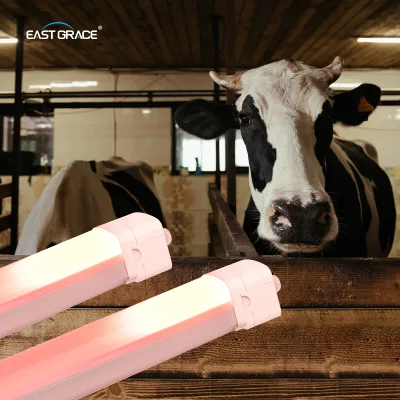
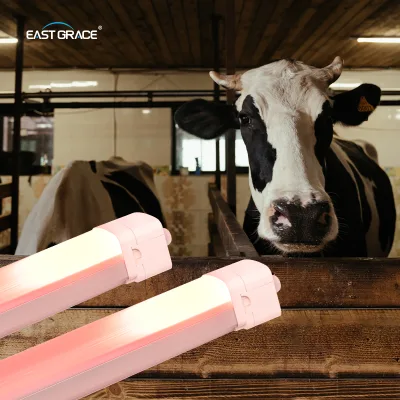
IP66 Waterproof Dimmable LED Poultry Lighting for Livestock Chicken Farm
$19.31 - $21.73
MOQ: 1 Pieces


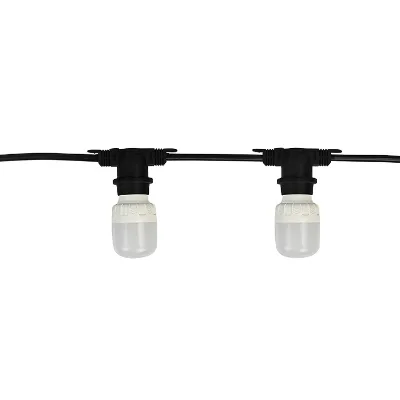
Dimmable Poultry Lamp for Chicken Growing Pig Animal Growing LED Poultry Light
$2.85 - $3.25
MOQ: 500 Pieces


Comprehensive Sourcing Guide
Strategic Sourcing Guide for Poultry Farm LED Ceiling Light Solutions
Understanding the Technical Architecture of Agricultural LED Fixtures
When sourcing LED ceiling lights specifically designed for poultry farming environments, buyers must prioritize fixtures that address the unique challenges of agricultural settings, including high humidity, ammonia exposure, and the need for consistent illumination to support bird health and growth cycles. The core product category often identified in this sector includes specialized LED Triproof Lighting and dedicated Poultry Lighting units. These fixtures are engineered with robust materials to withstand harsh conditions. A primary observation in the current market is the prevalence of Aluminum Alloy and Aluminum Housing combined with PC (Polycarbonate) covers. This material combination is critical because aluminum provides structural integrity and heat dissipation, while the PC cover offers high impact resistance and light diffusion.
The physical dimensions of these fixtures vary significantly based on the intended coverage area. Specifications observed in the market include standard sizes such as 370250mm and larger formats like 475360mm. Buyers should verify that the chosen model fits the ceiling grid or suspension system of their specific facility. Furthermore, the installation method is a key technical differentiator. Many high-performance units support both suspending and ceiling-mounted configurations, offering flexibility for retrofitting existing barns or designing new structures. The IP Rating is another non-negotiable technical attribute; for poultry environments where washing down is frequent, an IP69K rating indicates the highest level of protection against high-pressure, high-temperature water jets, while IP66 ratings offer robust protection against dust and powerful water jets. The IK rating, often seen as IK10 or IK08, further defines the fixture's resistance to mechanical impacts from falling objects or accidental collisions.
Compliance and Certification Verification Protocols
Navigating the compliance landscape is essential for ensuring that imported lighting solutions meet international safety and environmental standards. A comprehensive review of available products reveals a cluster of certifications that buyers should verify on the supplier's documentation. The most frequently cited certifications include CE, EMC, RoHS, UL, and VDE. These marks indicate compliance with European safety directives, electromagnetic compatibility, restriction of hazardous substances, and specific German safety standards, respectively. For markets requiring specific agricultural certifications, buyers must also look for ENEC certification, which is often associated with flicker-free drivers and low Total Harmonic Distortion (THD).
The electrical safety and efficiency standards are equally critical. A high Power Factor (PF) of 0.95 is a standard benchmark for modern LED drivers, ensuring efficient power usage and reducing strain on the electrical grid. Additionally, the Total Harmonic Distortion (THD) should be kept below 15% to prevent interference with other sensitive equipment in the farm. Buyers must also scrutinize the driver quality, specifically looking for "Flicker Free" claims, as flickering light can cause stress and reduced productivity in poultry. The CRI (Color Rendering Index) is another vital metric; a value of Ra>80 ensures that the light accurately renders colors, which is important for monitoring the health and condition of the livestock. The Sdcm (Standard Deviation of Color Matching) should be less than 4 to ensure color consistency across the entire facility, preventing visual confusion for the birds.
Cost Drivers and Pricing Dynamics in the Agricultural Sector
The pricing structure for poultry farm LED ceiling lights is influenced by several variables, including material quality, certification levels, and order volume. Market observations indicate a wide price range, with unit costs potentially spanning from $0.39 to $150 USD. This broad spectrum reflects the difference between basic bulb-style replacements and heavy-duty, fully integrated triproof fixtures with advanced features. The cost is heavily driven by the inclusion of specific features such as emergency backup functions, which can provide up to 3 hours of operation during power outages, and dimmability options.
Dimmable capabilities, supporting protocols like 0-10V, PWM, or DALI, add a layer of sophistication to the fixture, allowing farmers to adjust light intensity based on the age of the birds or the time of day. These advanced drivers and control systems increase the manufacturing cost but offer significant long-term energy savings. The Minimum Order Quantity (MOQ) is another significant cost driver. While some suppliers may accept orders as low as 1 unit, standard industry practice for bulk agricultural projects often involves an MOQ of 300 pieces. However, larger orders can range up to 10,000 units, which typically unlocks more favorable unit pricing. Buyers should be aware that the "Without Light Source" attribute found in some listings refers to specific housing-only products, meaning the cost of the LED driver and chips must be factored in separately for those items.
Typical Applications and Operational Scenarios
The application of LED ceiling lights in poultry farming extends beyond simple illumination; it is a tool for optimizing animal welfare and operational efficiency. These fixtures are designed for use in various agricultural settings, including livestock farms, poultry houses, and general agriculture facilities. The primary application is to provide a consistent light cycle that mimics natural daylight, which is crucial for regulating the biological rhythms of chickens and other poultry. The high luminous efficiency, often cited between 130 and 160 lumens per watt, ensures that large barns can be illuminated effectively without excessive energy consumption.
The versatility of these lights allows them to be deployed in different areas of the farm. For instance, the "LED Ceiling Bulb Light" variant is specifically noted for livestock farm applications, suggesting a form factor suitable for standard ceiling grids. In contrast, the "LED Triproof Lighting" is often preferred for areas requiring higher durability and wash-down capabilities, such as feed rooms or processing areas. The "Square" and "Garden" applications listed in some specifications indicate that these fixtures are also suitable for outdoor perimeter lighting or transitional spaces within the farm complex. The ability to suspend or mount directly on the ceiling provides adaptability for different barn heights and structural layouts. The "Anti-corrosion" and "Anti-UV" features are particularly relevant for facilities located in humid or coastal regions where salt air or constant moisture can degrade standard lighting fixtures.
Supplier Evaluation and Quality Assurance Metrics
Evaluating a supplier for agricultural lighting requires a rigorous assessment of their production capabilities and quality control processes. Buyers should prioritize suppliers who offer a warranty period of at least 2 years, with some high-quality options extending to 5 years. A longer warranty often correlates with a manufacturer's confidence in the longevity of their components, particularly the LED chips and drivers. The expected life span of these fixtures is typically greater than 50,000 hours, a figure that should be verified against independent test data or manufacturer guarantees.
When assessing a supplier, the "Customization" and "OEM" (Original Equipment Manufacturer) capabilities are vital. Many poultry farms have unique requirements regarding light spectrum, mounting hardware, or specific control interfaces. Suppliers that welcome OEM requests and offer customization can tailor the product to fit the exact needs of the facility. The packaging method, such as "Carton Packing" with specific quantities like 6 pieces per carton, is also a factor in logistics and damage prevention during transit. Buyers should verify the "Delivery Date," which is often cited as within 30 days, to ensure it aligns with their project timeline. Furthermore, the origin of the product, typically China or Shenzhen, should be considered in the context of supply chain reliability and shipping costs.
Long-Term Procurement and Maintenance Considerations
The long-term success of a poultry farm lighting project depends on the total cost of ownership, which includes energy consumption, maintenance, and replacement costs. The high lumens efficiency of 130-160 lm/W is a key indicator of energy savings, but buyers must also consider the "Emergency" function options. A 3-hour emergency backup can be a critical safety feature, preventing panic and injury to birds during unexpected power failures. The "Waterproof" and "Dust-Proof" attributes ensure that the fixtures require minimal maintenance, as they can withstand the frequent cleaning regimens necessary in poultry houses to prevent disease.
Buyers should also plan for the eventual replacement of fixtures. The >50,000-hour life span suggests a long operational life, but the "Without Light Source" attribute in some listings means that the LED module might be replaceable or integrated. Understanding the modularity of the design is essential for future maintenance. Additionally, the "Anti-corrosion" and "Anti-UV" features protect the fixture's housing and cover from degrading over time, ensuring that the light output remains consistent and the physical structure remains intact. When finalizing a procurement strategy, buyers should ensure that the supplier provides clear documentation on the "Product Standard" and "Product Model" to facilitate accurate reordering and compatibility checks for future expansions.
Comparative Analysis of Product Attributes
To assist in the decision-making process, the following table summarizes the key attributes observed in the market for poultry farm LED ceiling lights. This comparison highlights the variations in specifications that buyers should consider when selecting the most suitable product for their specific operational needs.
| Attribute Category | Specific Feature | Observed Specification / Range | Relevance to Poultry Farming |
|---|---|---|---|
| Material | Light Body Material | Aluminum Alloy / Aluminum Housing | Corrosion resistance and heat dissipation |
| Material | Cover Material | PC (Polycarbonate) | Impact resistance and light diffusion |
| Protection | IP Rating | IP69K, IP66 | Protection against high-pressure washing and dust |
| Protection | IK Rating | IK10, IK08 | Resistance to mechanical impact |
| Efficiency | Lumens Efficiency | 130-160 lm/W | Energy savings and brightness levels |
| Electrical | Power Factor (PF) | 0.95 | Grid efficiency and power quality |
| Electrical | Dimmable Protocols | 0-10V, PWM, DALI | Light control for bird cycles |
| Performance | Life Span | >50,000 Hours | Long-term maintenance reduction |
| Safety | Emergency Function | 3 Hours Option | Bird safety during power outages |
| Quality | CRI / Sdcm | Ra>80, Sdcm<4 | Color accuracy and consistency |
| Certification | Standards | CE, EMC, RoHS, UL, VDE, ENEC | Regulatory compliance and safety |
| Warranty | Duration | 2 Years to 5 Years | Manufacturer confidence and support |
| Logistics | MOQ | 1 to 10,000 PCS | Order flexibility and bulk pricing |
| Logistics | Lead Time | Within 30 Days | Project scheduling and inventory planning |
This table serves as a reference for buyers to ensure that the selected product meets the rigorous demands of a poultry farming environment. By cross-referencing these attributes with specific farm requirements, buyers can make informed decisions that balance cost, performance, and reliability.
FAQs
What certifications are available for poultry farm LED ceiling lights?
Available certifications include CE, EMC, RoHS, UL, and VDE. Some models also feature ENEC certification for flicker-free drivers and low THD. Buyers should verify specific documentation for compliance with local safety standards.
How long is the warranty period for these lighting fixtures?
The standard warranty period is 2 years, though some high-quality options extend to 5 years. This duration reflects the manufacturer's confidence in the longevity of the LED chips and drivers used in the fixtures.
Can these lights be customized for specific farm requirements?
Yes, customization is available for unique needs regarding light spectrum or mounting hardware. OEM services are welcome, allowing suppliers to tailor the product to fit the exact operational requirements of the facility.
What is the minimum order quantity for bulk agricultural projects?
The standard MOQ is 300 pieces, though some suppliers accept orders as low as 1 unit. Larger orders can range up to 10,000 units, which typically unlocks more favorable unit pricing for large-scale deployments.
How long does delivery take after placing an order?
Delivery is typically completed within 30 days of order confirmation. Buyers should verify this timeline against their specific project schedule to ensure alignment with facility construction or retrofitting deadlines.
Which IP ratings are suitable for high-humidity poultry environments?
Suitable ratings include IP69K for high-pressure washing and IP66 for robust dust and water protection. These ratings ensure the fixtures withstand frequent cleaning regimens necessary to prevent disease in poultry houses.
What is the expected lifespan of the LED poultry lighting units?
The expected lifespan is greater than 50,000 hours. This figure indicates a long operational life, reducing the frequency of replacements and lowering the total cost of ownership for the farm.