Source Cordless Heat Insulation Venetian Blinds for Living Room, Office, Bedroom
Find 30 listings for Cordless Heat Insulation Venetian Blinds suitable for living rooms, offices, and bedrooms. Buyers can compare features like UV protection, waterproofing, and customizable slat sizes from verified suppliers in China.
Key considerations
Products List


New Design Hot-Selling Zebra Blinds Venetian Roller Blinds for Decoration
$8.00 - $12.00
MOQ: 10 Pieces

25mm Cordless Aluminium Mini Window Blinds Manual Venetian Blinds
$29.00 - $33.00
MOQ: 100 Square Meters


Comprehensive Sourcing Guide
Strategic Sourcing Guide for Cordless Heat Insulation Venetian Blinds
The global market for window treatments has seen a significant shift toward energy-efficient solutions that prioritize safety and aesthetic versatility. For procurement professionals seeking Cordless Heat Insulation Venetian Blinds, the primary objective is to identify products that effectively manage solar heat gain while eliminating the safety hazards associated with traditional corded systems. This guide synthesizes observed market data and technical attributes to provide a structured approach for sourcing these specialized window coverings. The focus remains on understanding the specific configuration of slat sizes, material compositions, and operational mechanisms that define high-performance venetian blinds in the current supply chain.
Technical Specifications and Operational Mechanics
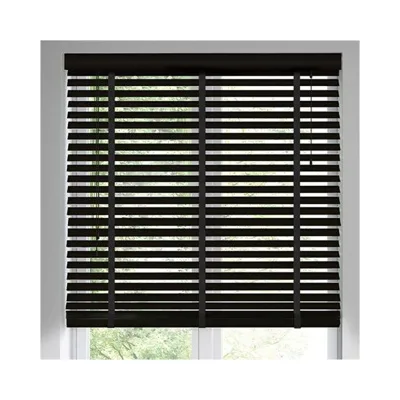
When evaluating cordless venetian blinds, the first step is to verify the mechanical architecture and physical dimensions. The core mechanism for these units often relies on a tilt-and-lift system that operates without external cords. In the observed product data, the operation is explicitly defined as "Cordless," which aligns with modern safety standards that restrict the use of looped cords in residential and commercial environments. The structural design is consistently described as "Horizontal," utilizing slats that can be tilted to control light and privacy.
A critical variable in specification is the slat width. The market data indicates a range of available slat sizes, including 12.5mm, 16mm, 25mm, 35mm, 50mm, and 89mm. For applications requiring a balance between light filtering and structural rigidity, the 1-inch (approximately 25mm) slat width is a common standard, though 1-inch and 2-inch options are both frequently observed. The length of the blinds is often standardized at 24 inches for specific sample configurations, but the "Size" attribute is frequently listed as "Customized," allowing buyers to order exact dimensions to fit specific window openings.
The material composition is another pivotal technical factor. The observed inventory includes both "Blended" and "Plastic" materials. Plastic-based blinds, often PVC, are noted for their durability and resistance to moisture, making them suitable for humid environments. The "Feature" attributes highlight "UV Protection" and "Waterproof" capabilities, which are essential for maintaining the integrity of the material under direct sunlight. Furthermore, the "Light Filtering" attribute suggests that these products are designed to diffuse light rather than block it entirely, creating a soft illumination effect while still providing a degree of privacy.
Material Composition and Functional Performance
The functional performance of venetian blinds is heavily dependent on the material used and the specific features engineered into the product. In the context of heat insulation, the material must possess thermal properties that reduce the transfer of heat from the exterior to the interior of a building. The product attributes list "Heat Insulation" as a primary function, alongside "Sound Insulation," "Dustproof," "Windproof," and "Insect Resistant" capabilities. These combined functions suggest a multi-layered approach to environmental control.
The "Feature" list also includes "Easy Clean" and "Environment" friendly attributes. For procurement, this implies that the surface treatment of the slats should resist dust accumulation and allow for simple maintenance, which is crucial for high-traffic areas like offices and living rooms. The "UV Protection" feature is particularly relevant for heat insulation, as it prevents the degradation of interior furnishings and reduces the solar heat load entering the room.
Regarding the headrail and structural components, the data indicates options for "Metal/PVC" headrails. The choice between metal and PVC can influence the overall weight and durability of the unit. Metal headrails typically offer greater structural support for wider or heavier slats, while PVC options may provide a more cost-effective solution with adequate performance for standard residential applications. The "Accessories" list includes essential components such as the "Titler," "Headrail," "Cord Lock," and "Ladder String/Tape," ensuring that the complete assembly is available for installation.
Compliance, Certification, and Safety Standards
While specific certification statuses like ISO9001 or OEKO-TEX are mentioned in background data, they are not confirmed as active attributes for every listed product. Therefore, buyers must treat these as verification targets rather than guaranteed inclusions. The procurement process should prioritize confirming that the supplier can provide documentation for relevant safety and quality standards.
The "Cordless" operation is a significant compliance factor in itself, as many regions have strict regulations regarding window covering safety to prevent strangulation hazards. The absence of cords is a direct response to these safety mandates. Buyers should request proof of compliance with local safety standards, such as those set by the Window Covering Safety Council or equivalent regional bodies.
Additionally, the "Standard" attribute is listed as "Customizable" or "Customized" across various product models. This indicates that the manufacturer is capable of adapting to specific regulatory requirements. For international procurement, it is essential to verify that the product meets the fire safety and chemical emission standards of the destination country. The "Environment" feature suggests an alignment with sustainability goals, but buyers should request specific data on the recyclability of the materials and the manufacturing process to substantiate these claims.
Cost Drivers and Procurement Economics
Understanding the cost structure of venetian blinds is vital for budgeting and supplier negotiation. The observed price range in the market spans from $2 to $118 USD. This wide variance is driven by several factors, including the material quality, the complexity of the cordless mechanism, and the degree of customization.
The "MOQ" (Minimum Order Quantity) is a significant cost driver, with observed ranges from 1 to 500 units. Some suppliers offer low MOQs of 50 sets, which is beneficial for smaller projects or sample orders, while others may require higher volumes to achieve optimal pricing. The "Customized" nature of the product often incurs additional costs, particularly for non-standard slat sizes, custom colors, or specialized headrail materials.
The "Warranty" is another economic consideration. The data consistently shows a "2 Years" or "Two Years" warranty period. A longer warranty period can indicate higher confidence in the product's durability and may reduce long-term maintenance costs. Buyers should clarify the terms of the warranty, including what is covered (e.g., mechanism failure, material degradation) and the process for claims.
Typical Applications and Usage Scenarios
The versatility of Cordless Heat Insulation Venetian Blinds makes them suitable for a wide range of applications. The "Usage" attributes explicitly mention "Living Room," "Office," "Bedding Room," "Kitchen," and "Bathroom." This broad applicability is due to the combination of heat insulation, light filtering, and moisture resistance.
In residential settings, these blinds are ideal for living rooms and bedrooms where light control and privacy are paramount. The "Simple and Elegant" and "Modern" styles observed in the product data align well with contemporary interior design trends. In commercial environments, such as offices, the "Heat Insulation" and "Dustproof" features contribute to a comfortable working environment and reduce HVAC costs.
The "Waterproof" and "Insect Resistant" features make these blinds particularly suitable for kitchens and bathrooms, where humidity and pests can be issues. The "Sound Insulation" function adds value in multi-unit residential buildings or offices located in noisy areas. The "Anti-theft" and "Windproof" attributes further enhance their utility in ground-floor applications or areas prone to strong winds.
Supplier Evaluation and Quality Control
Selecting the right supplier requires a rigorous evaluation process that goes beyond the initial product listing. The "prod_origin" is listed as "China," which is a major manufacturing hub for window treatments. However, buyers must verify the specific factory capabilities and quality control measures.
Key evaluation criteria include the supplier's ability to provide "Customized" solutions, their adherence to the "Standard" requirements, and their after-sales support. The "After-sales Service" attribute is marked as "Yeah," indicating that support is available, but the scope and responsiveness of this service should be clarified during negotiations.
Quality control should focus on the consistency of the slat sizes, the durability of the cordless mechanism, and the finish of the headrail. Buyers should request samples to test the "Easy Clean" properties and the effectiveness of the "UV Protection." Additionally, verifying the "prod_packing" method, which is listed as "Carton Box" or "Paper Carton," is essential to ensure that products arrive without damage during transit.
Long-Term Procurement Considerations
For long-term procurement strategies, buyers should consider the scalability of the supplier and the availability of replacement parts. The "Customized" nature of the product means that future orders may require re-verification of specifications to ensure consistency. The "Warranty" period of two years provides a baseline for product lifespan, but buyers should plan for potential replacements or upgrades beyond this period.
Sustainability is an increasingly important factor in procurement. The "Environment" feature suggests that the products may be designed with eco-friendly materials, but buyers should seek detailed information on the lifecycle of the product, including disposal and recycling options.
Finally, the "Customization" capability of the supplier allows for future adaptability. As design trends evolve or specific project requirements change, the ability to order custom slat sizes, colors, and headrail types ensures that the procurement strategy remains flexible. By focusing on these long-term considerations, buyers can build a resilient supply chain that delivers value over the entire lifecycle of the window treatment investment.
FAQs
What slat sizes are available for these venetian blinds?
Available slat sizes include 12.5mm, 16mm, 25mm, 35mm, 50mm, and 89mm. Buyers can also select from 1-inch or 2-inch options depending on the specific model required for their window dimensions.
How is the operation mechanism configured for safety?
The blinds operate using a cordless mechanism to eliminate safety hazards associated with traditional cords. This tilt-and-lift system ensures safe usage in homes and offices while maintaining easy control over light and privacy.
Which materials are used to construct the slats?
The slats are constructed from blended fabrics or durable plastic materials like PVC. These materials provide waterproof and UV protection features, making them suitable for humid environments like kitchens and bathrooms.
Can the product dimensions be customized for specific windows?
Yes, the product size and standard are fully customizable to fit specific window openings. Buyers can request tailored lengths and slat widths to ensure a perfect fit for residential or commercial applications.
What warranty period is provided for these window treatments?
A standard two-year warranty is provided for these venetian blinds. This coverage typically includes protection against defects in the mechanism and material, ensuring long-term reliability for the buyer.
How much is the minimum order quantity for these blinds?
The minimum order quantity ranges from 1 to 500 units depending on the supplier and customization level. Some vendors offer low MOQs of 50 sets, which is beneficial for smaller projects or sample orders.
What functions do these blinds offer for energy efficiency?
These blinds provide heat insulation, sound insulation, and UV protection to improve energy efficiency. Additional functions include dustproof, windproof, and insect-resistant capabilities for comprehensive environmental control.