Source Cordless Grass Trimmer Line for Agriculture, Packaging, and Outdoor Gear
Find and compare 30 listings for Cordless Grass Trimmer Line suitable for agriculture, packaging, and outdoor gear applications. Options include various diameters, profiles, and colors to match specific trimming needs; compare the available evidence and request quotations based on your requirements.
Key considerations
Products List


$0.10 - $0.90
MOQ: 1000 Pieces




Comprehensive Sourcing Guide
Cordless Grass Trimmer Line Sourcing Guide
Buyers must first distinguish between the power tool and the consumable line, as the supplied data reflects a mixed inventory of both. The observed listings include specific hand-held trimmer models with 36V battery systems and 7000 RPM no-load speeds, alongside various nylon trimmer lines designed for these devices. Understanding this distinction is critical because the tool specifications, such as the 300mm maximum cutting length, do not dictate the line diameter requirements for every application. Procurement teams should verify that the selected line profile matches the specific spool capacity and drive mechanism of the intended cordless unit.
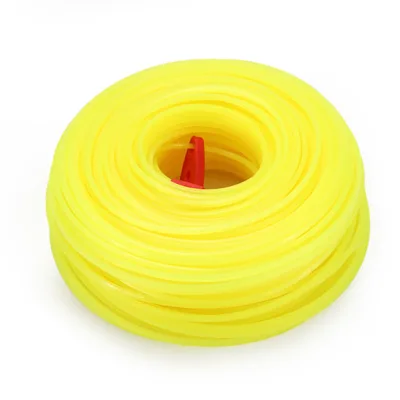
The market signals indicate a wide range of customization options, with profiles ranging from round and square to star, twist, and sawteeth shapes. While some listings specify a 2.0mm diameter for star profiles, others offer a broad range from 1.3mm to 4.0mm to suit different grass densities. Buyers should not assume a single standard applies to all inventory; instead, they must cross-reference the tool's manual with the specific line diameter and profile listed in the product data. This verification ensures compatibility and prevents mechanical issues caused by mismatched line thickness or shape during high-speed operation.
Product Scope and Observed Listing Signals
The product scope encompasses both the power source and the consumable cutting media, creating a complex sourcing landscape. Listings explicitly mention "Grass Trimmer Line" and "Nylon Trimmer Line" with specific models like ER2015SAB1 and CDGT009, indicating a diverse catalog of compatible accessories. The observed price range of 0.03 to 60 USD suggests significant variation based on packaging, such as blister donuts versus spools, and the quantity per unit. Buyers must carefully analyze whether a low unit price reflects a bulk spool or a single retail package to accurately calculate the cost per meter of usable line.
Packaging methods vary significantly, with options including color boxes, poly bags, tubes, and cartons, which directly impact logistics and shelf life. Some items are packed as 15m cards or 5lb spools, while others are offered in blister packs with specific header designs. This variation requires buyers to assess their storage capabilities and distribution channels before placing orders. A supplier offering PE bags might be suitable for industrial bulk use, whereas a color box is necessary for retail presentation, making the packaging specification a primary decision factor in the sourcing process.
Technical Specifications to Verify
Diameter and profile consistency are the most critical technical parameters for ensuring effective cutting performance. The data shows specific diameters like 2.0mm and ranges from 1.3mm to 4.0mm, alongside profiles such as round, square, star, and sawteeth. Buyers must verify that the selected line diameter matches the manufacturer's recommendation for their specific trimmer model to avoid line jamming or excessive wear. A mismatch in profile, such as using a round line in a tool designed for a star profile, can significantly reduce cutting efficiency and increase the risk of tool damage.
Length and material composition also require strict verification against the intended application environment. Listings indicate lengths of 15m or 300mm precut options, with materials specified as nylon and quality grades ranging from general to ultra. For heavy-duty agricultural use, a higher quality grade like "Professional" or "Ultra" may be necessary to withstand abrasive conditions. Buyers should confirm the exact length per spool or bag, as the "300mm or Customized Length" option implies flexibility that must be explicitly defined in the purchase order to avoid receiving incorrect quantities.
Compliance and Safety Documentation
Certification status is a primary indicator of manufacturing quality and regulatory compliance for both the tool and the line. The observed data lists ISO9001, RoHS, and combined ISO/RoHS certifications, which are essential for verifying that the products meet international safety and environmental standards. Buyers should request current certification documents to ensure that the specific batch of trimmer lines or tools adheres to these standards, particularly for export markets with strict chemical regulations. Relying solely on the listing text without verified documentation can expose the buyer to compliance risks and potential market rejection.
Safety features in the power tools, such as the self-shutdown brake and 36V battery voltage, must be documented to ensure operational safety. The "Self-shutdown" attribute suggests an automatic braking mechanism that is crucial for preventing injury during accidental activation. Procurement teams must verify that the safety mechanisms are tested and certified, as these features are often subject to rigorous safety testing protocols. Ensuring that the safety documentation is up-to-date and matches the specific model number is vital for liability protection and user safety in the field.
Cost Drivers and Commercial Terms
The observed MOQ range of 2 to 50,000 units creates a significant variance in unit economics and supply chain flexibility. Buyers with small order volumes may face higher per-unit costs, while those capable of ordering 50,000 units can leverage economies of scale to reduce the price to the lower end of the 0.03 to 60 USD range. Understanding the tiered pricing structure is essential for budgeting, as the cost per meter of line can fluctuate dramatically based on the order quantity and packaging type selected. Buyers should negotiate based on their specific volume requirements to optimize the total cost of ownership.
Packaging and customization options are additional cost drivers that influence the final commercial terms. The availability of customized sizes and profiles, along with various packing methods like tubes or spools, adds complexity to the pricing model. Suppliers may charge premiums for custom molds or specialized packaging, which must be factored into the total landed cost. Buyers should clarify whether customization fees are one-time tooling costs or recurring per-unit charges to avoid unexpected expenses during the procurement process.
Supplier Qualification and Quality Control
Supplier qualification should focus on the consistency of quality grades and the ability to meet specific customization requests. The data lists quality grades from "General" to "Ultra," indicating that suppliers offer products for different market segments. Buyers must verify that the supplier can consistently deliver the specified grade, as a "General" grade line may not perform adequately in professional agricultural settings. Establishing clear quality benchmarks and requesting samples of different grades is a necessary step to ensure the supplier can meet the performance expectations of the end-user.
Quality control processes must be validated through the supplier's adherence to the listed certifications and production standards. The presence of ISO9001 certification suggests a structured quality management system, but buyers should confirm that this applies to the specific production lines for trimmer lines. Regular audits and third-party testing of the line's tensile strength and durability are recommended to verify that the product maintains its specifications over time. Relying on the supplier's internal claims without independent verification can lead to inconsistent product performance and customer dissatisfaction.
Long-Term Procurement Checks
Sustainability and supply chain resilience are critical factors for long-term procurement success in the trimmer line market. Buyers should assess the supplier's ability to maintain consistent inventory levels and their capacity to scale production during peak demand seasons. The wide range of observed MOQs suggests that some suppliers may struggle with large orders, while others might lack flexibility for smaller, frequent replenishments. Developing a diversified supplier base can mitigate the risk of stockouts and ensure a steady supply of critical consumables for ongoing operations.
Continuous performance monitoring is essential to maintain product quality and compliance over time. Buyers should establish a feedback loop to track the performance of the trimmer lines in the field, noting any issues with durability or compatibility. Regular reviews of the supplier's certification status and adherence to safety standards will help identify potential compliance drifts early. By maintaining a proactive approach to supplier management, buyers can ensure that their procurement strategy remains aligned with evolving market demands and regulatory requirements.
FAQs
What certifications are available for nylon trimmer line?
Nylon trimmer line products typically hold ISO9001 and RoHS certifications. These standards ensure material safety and quality management compliance for international buyers. Some listings also display combined ISO and RoHS marks. Buyers should verify specific certificate documents with suppliers before placing bulk orders to confirm regulatory alignment.
Which trimmer line profiles are offered for grass trimmers?
Available profiles include round, square, star, twist, hexagon, heptagon, sawteeth, and duo core shapes. These varied geometries enhance cutting efficiency and durability for different vegetation types. Star and sawteeth profiles are particularly effective for thick weeds. Buyers can select profiles based on their specific trimming requirements and equipment compatibility.
Can I customize the diameter and length of trimmer line?
Yes, customization is available for both diameter and length. Standard diameters range from 1.3mm to 4.0mm, with options like 2.0mm or 1.3mmx15m spools. Lengths can be customized, such as 300mm precut lines or 15m continuous spools. Buyers should specify exact dimensions during the inquiry process to ensure proper fit for their trimmer models.
What packaging options exist for bulk trimmer line orders?
Packaging options include cartons, color boxes, blister donuts, poly bags, tubes, and PE bags. Specific configurations like 15m card headers or 5lb spools are also common. Precut lines may come in bags of 50 or 100 pieces. Buyers can choose packaging based on retail needs or industrial usage, ensuring product protection during shipping and storage.
What colors are available for nylon trimmer line products?
Colors include natural, white, red, yellow, green, orange, blue, black, purple, and gray. Natural and green options are common for blending with vegetation, while bright colors like red and orange improve visibility. Buyers can select colors based on aesthetic preferences or functional visibility requirements for their specific trimming environments and target markets.
What is the typical origin and quality grade of these products?
Products are primarily made in China with general to ultra quality grades. General grade suits everyday use, while commercial and professional grades offer enhanced durability. Ultra grade provides maximum performance for heavy-duty applications. Buyers should assess quality grades against their usage intensity to ensure cost-effectiveness and longevity of the trimmer line products.