Source Cordless PTC Hair Straightener for Hotel, Salon, and Household Use
Explore 30 verified listings for a Cordless PTC Hair Straightener designed for travel, salons, and home styling. Buyers can compare models with varying battery capacities, heating speeds, and plate types to find the ideal solution for wet and dry applications.
Key considerations
Products List
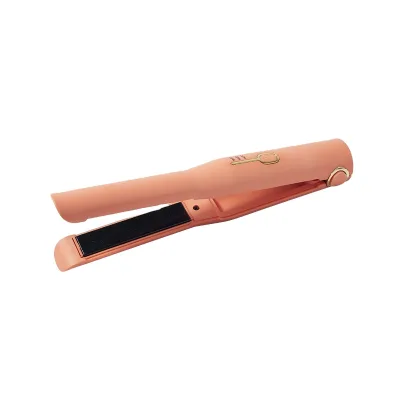


Fully Automatic Electronic Negative Ion Non Damaging and Long-Lasting Portable Hair Curler
$6.15 - $6.21
MOQ: 1000 Pieces


Negative Ion Hair Straightener Automatic Hair Curler Multi-Function Hot Air Comb
$11.60 - $12.50
MOQ: 500 Pieces


Negative Ion Cordless Portable Hair Straightening Straightener Brush Comb
$15.80 - $18.60
MOQ: 500 Pieces
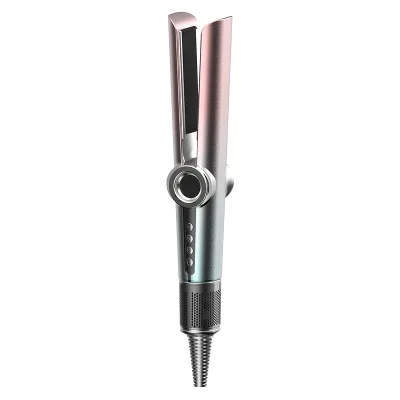

Mini Electric USB Cordless Rechargeable Hair Straightener Brush for Women
$7.85 - $8.50
MOQ: 2000 Pieces


Fasionable Electric Heating Hair Straightener Portable Hair Curler Comb
$4.80 - $5.50
MOQ: 3000 Pieces


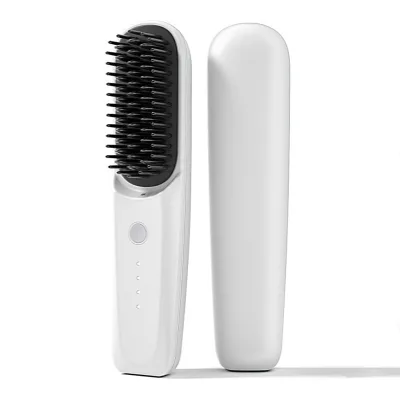


Comprehensive Sourcing Guide
Sourcing Guide for Cordless PTC Hair Straighteners
The global market for portable hair styling tools has seen a significant shift toward cordless solutions that combine mobility with professional-grade heating performance. For procurement professionals and B2B buyers, the specific niche of cordless PTC (Positive Temperature Coefficient) hair straighteners presents a unique set of technical requirements and supply chain considerations. Unlike traditional corded models that rely on a continuous power source, these devices integrate battery technology with advanced heating elements to deliver consistent thermal output without tethering the user. This guide outlines the critical factors for sourcing these products, focusing on the technical specifications, application versatility, and quality assurance protocols necessary for a successful procurement strategy.
Technical Architecture and Heating Mechanisms
The core differentiator in this product category is the heating element technology. PTC heaters are preferred in cordless applications because they possess self-regulating properties. As the temperature rises, the electrical resistance of the PTC material increases, naturally limiting the current flow and preventing overheating. This intrinsic safety feature is crucial for battery-operated devices where thermal runaway could pose a significant risk. In the observed product data, specific models utilize PTC heaters capable of reaching temperatures between 165°C and 205°C. This range is critical for effective hair straightening, as it accommodates various hair types without requiring external power sources to maintain high heat.
Power delivery in these cordless units varies, with some models designed for electrical wall charging and others featuring USB power sources for greater portability. The integration of lithium batteries is a standard specification, with observed capacities reaching up to 2400mAh. This battery capacity directly influences the operational runtime, with typical usage times reported around 40 minutes per charge. Buyers must verify the charging duration, which can range from 3 to 4 hours depending on the specific model and charger specifications. The presence of an LED display is a common feature in higher-end units, allowing users to monitor battery levels and temperature settings accurately.
The plate material also plays a vital role in the device's performance. While some models utilize ABS plastic or general plastic components for the housing, the actual heating plates often feature ceramic coatings or are made entirely of ceramic. Ceramic plates provide even heat distribution and reduce static electricity, which is beneficial for hair health. Some advanced configurations include floating plates to ensure consistent pressure and contact with the hair strands, regardless of thickness. The combination of PTC heating, ceramic plates, and adequate battery capacity defines the performance ceiling of a cordless straightener.
Operational Versatility and Application Scenarios
One of the primary value propositions of cordless PTC hair straighteners is their adaptability across diverse environments. The product attributes observed in the market indicate a broad application spectrum that includes hotel services, household use, professional hair salons, and travel scenarios. This versatility is driven by the dual capability of handling both wet and dry hair, a feature that distinguishes these tools from many traditional dry-only straighteners. The ability to style damp hair reduces the overall drying time for clients or users, making these tools highly efficient in busy salon environments or for travelers seeking quick grooming solutions.
In a hotel setting, the cordless nature of the device eliminates the need for complex wiring or extension cords in guest rooms, enhancing safety and convenience. For professional stylists, the mobility allows for styling in locations without immediate access to power outlets, such as outdoor events or mobile salon services. The "handle lock" feature observed in some models adds a layer of safety and convenience, ensuring the device remains compact and secure during transport. Furthermore, the inclusion of negative ion technology in certain models helps to smooth the hair cuticle, reducing frizz and adding shine, which is a key selling point for beauty and salon applications.
The power source flexibility further expands the application scope. Models supporting 110V to 240V voltage ranges are suitable for international travel, accommodating different regional power standards. Additionally, USB-powered variants offer an alternative charging method that can be utilized with power banks, laptops, or car adapters, making them ideal for outdoor or remote usage. The "Small Orders: Accepted" attribute in supplier listings suggests that these products are accessible for small-scale retailers or boutique hotels that do not require bulk inventory immediately, allowing for a more agile procurement approach.
Cost Drivers and Pricing Dynamics
Understanding the cost structure of cordless PTC hair straighteners is essential for effective budgeting and margin analysis. The observed price range in the market spans from approximately $2.80 to $28.87 USD, a wide variance that reflects differences in build quality, battery capacity, and feature sets. Several key factors drive these costs. First, the lithium battery is a significant cost component; higher capacity batteries, such as the 2400mAh units, naturally increase the manufacturing cost compared to smaller cells. Second, the heating element technology and plate material contribute to the price; ceramic-coated floating plates and MCH (Metal Ceramic Heater) variants are generally more expensive than basic PTC or plastic plate configurations.
The level of customization available also impacts pricing. Suppliers offering customization options for branding, color, or specific voltage plugs (UK, AU, EU, US) may charge a premium or require higher Minimum Order Quantities (MOQs). The observed MOQ range of 3 to 3000 units indicates that suppliers are flexible, catering to both small trial orders and large-scale distribution contracts. Buyers should note that while lower-priced models may be attractive for initial testing, the long-term reliability and performance of the PTC heater and battery life are critical for customer satisfaction.
Other cost drivers include the complexity of the electronic controls, such as LED displays and temperature regulation circuits, and the inclusion of after-sales services like free spare parts. The warranty period, typically observed as one year, also factors into the overall cost structure, as it represents a liability for the supplier that is often priced into the unit cost. When evaluating suppliers, buyers should request a breakdown of costs to understand the value proposition of each price point, ensuring that the selected product meets the required performance standards without unnecessary markup.
Compliance, Certification, and Safety Standards
Safety is paramount in the procurement of electrical hair styling tools, particularly those powered by lithium batteries. While specific certification statuses like CE and ROHS are often mentioned in the broader market context, buyers must verify that any specific product listing includes valid, current certifications for the target market. The absence of explicit certification data in general product descriptions does not imply non-compliance, but it necessitates rigorous due diligence. Buyers should request copies of test reports and certification documents from the supplier before placing large orders.
Voltage compatibility is another critical safety and compliance factor. The observed voltage range of 110V to 240V at 50-60Hz suggests that many models are designed for global use. However, the physical plug type must match the destination country's standards. Suppliers offering UK, AU, EU, and US plugs provide flexibility, but buyers must ensure that the specific batch ordered includes the correct plug types for their market. Additionally, the fast heating capability, reaching 205°C in 160 seconds, requires robust thermal management systems to prevent user burns or device failure.
Battery safety is a specific area of concern for cordless devices. The use of lithium batteries necessitates compliance with transportation regulations (such as UN38.3) and safety standards regarding overcharge and short-circuit protection. Buyers should verify that the supplier has implemented these safety protocols and that the products have passed relevant electrical safety tests. The "after-sales service provided: Free Spare Parts" attribute is a positive indicator of a supplier's confidence in their product's durability and their commitment to supporting the product lifecycle, which is a crucial aspect of long-term compliance and customer satisfaction.
Supplier Evaluation and Quality Control Protocols
Selecting the right supplier for cordless PTC hair straighteners requires a thorough evaluation of their manufacturing capabilities and quality control processes. The "place of origin" being Zhejiang, China, indicates a region known for a robust electronics manufacturing ecosystem. However, buyers should not rely solely on geographic reputation. Instead, they should assess the supplier's ability to provide consistent quality across batches. The "Customization: Available" attribute suggests that the supplier has the flexibility to adapt to specific buyer requirements, which is a sign of a mature manufacturing operation.
Quality control should be a multi-stage process. First, verify the raw material specifications, ensuring that the ceramic plates and PTC heaters meet the stated performance criteria. Second, inspect the battery integration and charging circuitry to ensure they function correctly and safely. Third, conduct functional tests on the finished product, including heating speed, temperature stability, and battery runtime. The observed "Usages time: 40 minutes" and "Time: 3-4 hour charge" are specific benchmarks that should be verified through independent testing or third-party inspection reports.
Suppliers that offer "Small Orders: Accepted" are often more responsive to quality feedback and willing to accommodate adjustments during the initial production run. This flexibility is valuable for buyers who need to test the market before committing to large volumes. Additionally, the "warranty: 1 Year" term indicates a standard level of commitment from the supplier. Buyers should clarify the terms of this warranty, including the process for claiming free spare parts and the logistics of handling returns or repairs. A clear and efficient after-sales support system is essential for maintaining brand reputation and customer trust.
Long-Term Procurement and Strategic Considerations
For buyers looking to establish a long-term relationship with suppliers of cordless PTC hair straighteners, strategic planning is essential. The market is dynamic, with rapid advancements in battery technology and heating efficiency. Buyers should anticipate the need for periodic product updates to stay competitive. The "Model Number" variations observed (e.g., AT09, AT02, AH6251, AT970) suggest that suppliers frequently iterate on their designs. Maintaining open communication with suppliers regarding upcoming models and technological improvements can help buyers stay ahead of the curve.
Sustainability is becoming an increasingly important factor in procurement. While specific environmental certifications were not explicitly detailed in the product attributes, buyers should inquire about the recyclability of materials, particularly the plastic housing and battery components. The use of PTC heaters, which are energy-efficient and self-regulating, aligns well with sustainability goals by reducing energy waste. Buyers should also consider the lifecycle of the product, including the availability of replacement parts and the ease of repair, which can extend the product's usable life and reduce waste.
Finally, the procurement strategy should account for the variability in market demand. The wide range of applications, from household to professional salon use, means that demand can fluctuate based on seasonal trends and economic conditions. A flexible supply chain that can handle both small and large orders is crucial. Buyers should negotiate terms that allow for scalability, ensuring that they can increase order volumes quickly during peak seasons without compromising on quality or delivery timelines. By focusing on technical specifications, compliance, and supplier reliability, buyers can build a robust sourcing strategy for cordless PTC hair straighteners that delivers value and performance.
FAQs
How fast does the PTC heater reach maximum temperature?
The heater reaches 205°C in 160 seconds for quick styling. This fast heating capability ensures efficient performance without waiting for prolonged warm-up times during use.
What battery capacity supports the cordless operation?
The device integrates a 2400mAh lithium battery for portable use. This capacity typically supports about 40 minutes of continuous usage time before requiring a recharge.
Which voltage standards are supported for international travel?
The unit operates on 110V to 240V at 50-60Hz for global compatibility. Buyers can select specific plug types including UK, AU, EU, or US to match local standards.
Can the straightener handle both wet and dry hair?
Yes, the tool features dual wet and dry functionality for versatile styling. This allows users to style damp hair directly, reducing overall drying time in salon or home settings.
What is the minimum order quantity for purchasing units?
Suppliers accept small orders with an MOQ as low as 3 units. This flexibility allows buyers to test the market or fulfill small boutique needs without large inventory commitments.
How long does it take to fully charge the battery?
A full charge requires approximately 3 to 4 hours of charging time. The device includes an LED display to help users monitor the charging status and battery level accurately.
What warranty and after-sales support are provided?
The product comes with a 1-year warranty and free spare parts service. This support ensures long-term reliability and helps maintain the device for professional or household applications.