Source Cordless Rechargeable Airbrush for Tattoo, Makeup, Art
Explore 30 listings of Cordless Rechargeable Airbrush units with varying speeds, pressures, and nozzle sizes. Buyers can compare battery capacity, feed types, and applications like tattooing, makeup, and cake decorating to find the right tool for their needs; compare the available evidence and request quotations based on your requirements.
Key considerations
Products List
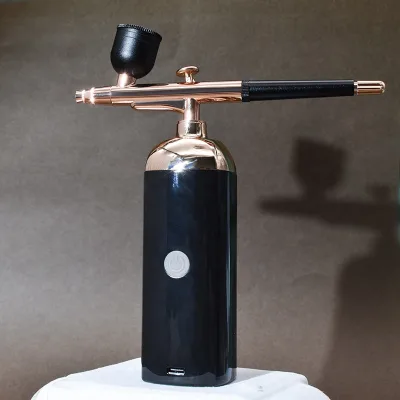
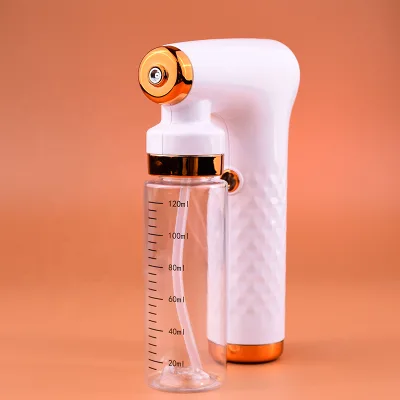
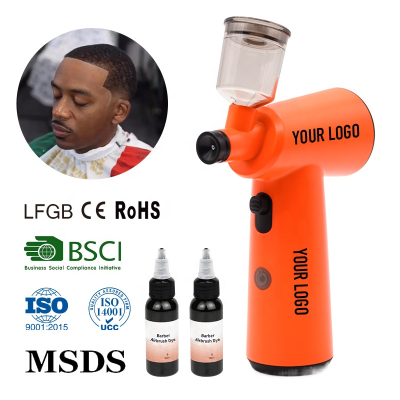
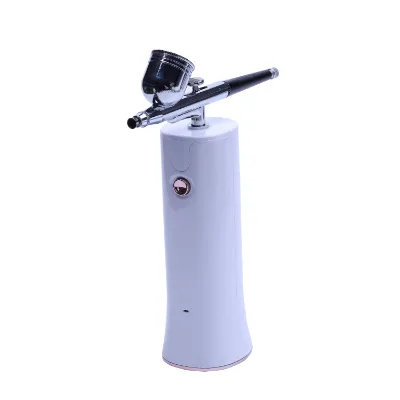
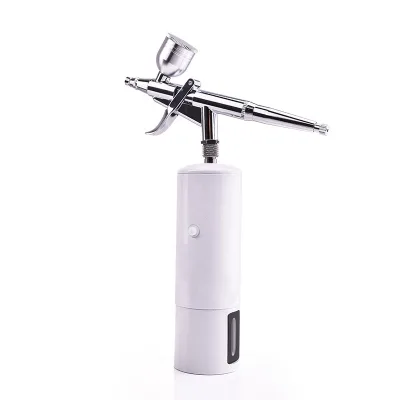
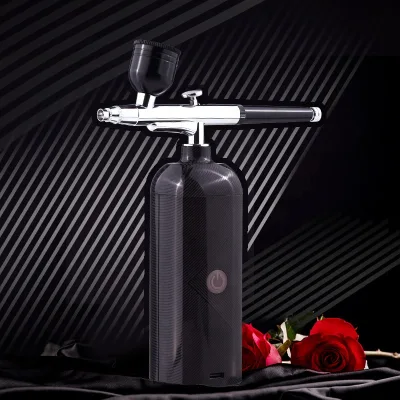
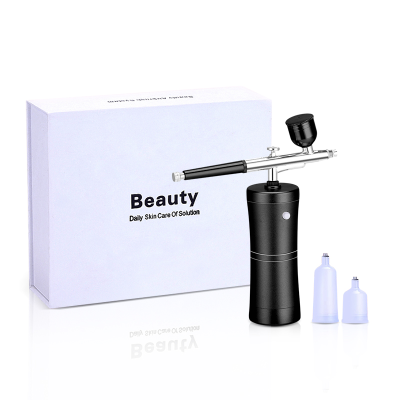


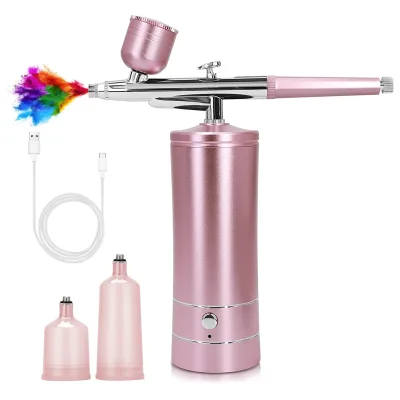
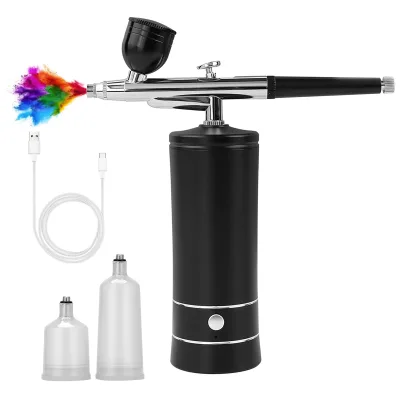


1600W 220V China Brushless Battery Electric Airbrush Paint Airless Sprayer
$100.00 - $120.00
MOQ: 1 Pieces

Rechargeable Cordless Airbrush Spray Tan Machine for Home Salon DIY Self Tan
$58.90 - $62.90
MOQ: 100 Pieces


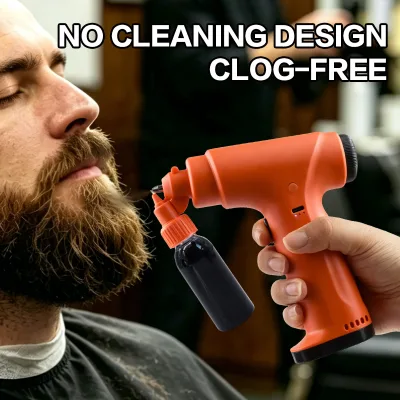
Comprehensive Sourcing Guide
Cordless Rechargeable Airbrush Sourcing Guide
Buyers evaluating Cordless Rechargeable Airbrush systems must first distinguish between portable handheld units and stationary compressor setups that offer battery backup. The observed market data indicates a strong prevalence of gravity feed designs with cup capacities ranging from 5cc to 20cc, suitable for detailed makeup, cake decorating, and fine art painting. These units typically integrate lithium batteries with voltages around 3.7V and capacities between 1200mAh and 2000mAh to ensure sufficient runtime for extended creative sessions without tethering to a wall outlet.
Procurement decisions should heavily weigh the specific nozzle diameter requirements against the intended application, as the supply chain offers options from 0.2mm to 0.5mm. While some listings suggest a maximum air pressure of 25psi, others indicate ranges as low as 2-15psi, necessitating a clear definition of the required mist fineness and flow rate before placing an order. Understanding these mechanical variances is critical for matching the tool to tasks like automotive detailing or delicate nail art, where precision and consistent airflow are non-negotiable.
Product Scope and Observed Listing Signals
The current market for cordless airbrushes presents a wide spectrum of configurations, with observed listing prices spanning from $0.40 to $120 USD, reflecting significant differences in build quality and component sourcing. Buyers will encounter products constructed from materials such as copper, ABS, and aluminum, often featuring dual-action controls or simple push-button mechanisms. The physical dimensions of single packages vary, with some units measuring approximately 19x23x6 cm while others are more compact at 20x15x15 cm, influencing shipping costs and storage logistics for bulk orders.
Sourcing signals also reveal diverse power management features, including USB rechargeable capabilities and varying speed settings ranging from two to four distinct levels. Some advanced models advertise eco-friendly features and wireless charging compatibility, while others focus on portability with a net weight as low as 0.35kg. It is essential to verify whether the listed "OEM/ODM" branding implies a custom logo capability, as many suppliers offer customization starting at a minimum order quantity of 100 units, which can significantly impact the final unit cost and lead time.
Technical Specifications to Verify
When validating technical claims, buyers must scrutinize the air flow specifications, as observed data shows units delivering between 7L/min and 8L/min, which directly impacts the speed of coverage and the texture of the finish. The maximum pressure ratings are particularly inconsistent across listings, with some products claiming up to 28psi while others cap at 18psi or even 25psi. This variance requires the buyer to request specific performance data sheets to ensure the compressor can maintain the necessary pressure for the intended medium, whether it is thick cake icing or fine automotive paint.
Verification of the nozzle diameter is equally critical, as the supply chain lists options including 0.2mm, 0.3mm, 0.35mm, 0.4mm, and 0.5mm, each suited for different viscosity levels of paint or ink. The battery capacity, often cited as 1200mAh or 2000mAh, must be cross-referenced with the power consumption, which can be as low as 2.6W, to estimate actual operational duration. Additionally, the single gross weight of the unit, ranging from 1.000 kg to 1.500 kg, should be confirmed to ensure the device remains truly portable and does not cause user fatigue during prolonged use.
Compliance and Safety Documentation
Safety documentation for electrical components in cordless airbrushes should prioritize verification of battery safety standards, given the use of lithium-ion cells with voltages around 3.7V. While some market listings mention CE certification, this should be treated as a background signal rather than a guaranteed attribute for every unit. Buyers must explicitly request test reports or certificates of conformity from the supplier to confirm that the internal circuitry and battery management systems meet the safety requirements of their target export markets, particularly regarding overcharge protection and thermal stability.
Warranty terms provide a secondary layer of assurance, with many suppliers offering a standard one-year warranty on their products. However, the scope of this warranty must be clearly defined to understand if it covers battery degradation, motor failure, or nozzle clogging issues. Procurement teams should ensure that the warranty agreement includes clear protocols for returns and replacements, as the mechanical nature of airbrushes involves moving parts like pistons and valves that are subject to wear and tear during regular operation.
Cost Drivers and Commercial Terms
The commercial landscape for these devices is influenced by the minimum order quantity, which ranges widely from single items to 2000 units, allowing for both sample testing and large-scale distribution. The price point is heavily correlated with the complexity of the control system, such as the inclusion of adjustable speed settings or dual-action triggers, and the quality of materials used in the housing and internal components. Buyers should anticipate that units with higher cup capacities or more advanced battery systems will command a premium price within the observed $0.40 to $120 range.
Lead times and shipping logistics are further determined by the customization requirements, such as the application of a customized logo, which typically requires a minimum order of 100 units. The single package size and gross weight directly affect freight costs, so consolidating orders to maximize container utilization is a key strategy for cost reduction. Additionally, the selling unit configuration, often listed as a single item, means that buyers must carefully calculate the total landed cost, including packaging and potential duties, rather than relying solely on the base unit price.
Supplier Qualification and Quality Control
Supplier qualification should focus on verifying the place of origin, with a significant concentration of manufacturers located in Zhejiang, China, a region known for its manufacturing ecosystem. Buyers must assess the supplier's ability to maintain consistency in critical attributes like the model number, which varies from BDA60700 to BDA67021B-877, ensuring that the specific configuration ordered matches the production batch. Quality control protocols should include random sampling to check for defects in the charging port, battery connection, and the smoothness of the piston movement.
Inspection criteria must also address the finish and color consistency, as products are available in black, white gold, and white purple, with potential variations in the coating quality. The supplier's capacity to provide samples with the exact nozzle diameter and air flow specifications is essential before committing to a bulk order. Establishing a clear communication channel for technical support is vital, as the complexity of the dual-action controls and battery charging systems may require ongoing assistance to resolve operational issues or to train end-users on proper maintenance.
Long-Term Procurement Checks
Long-term procurement success depends on monitoring the durability of the battery and the availability of replacement parts, such as nozzles and cups, which are critical consumables for the airbrush system. Buyers should verify the supplier's policy on spare parts availability, ensuring that components like the 0.4mm or 0.5mm nozzles can be sourced easily after the initial purchase. The warranty period of one year is a baseline, but suppliers with a track record of providing extended support or replacement batteries will offer better value over the lifecycle of the product.
Continuous evaluation of the product's performance in real-world applications is necessary to validate the initial specifications regarding air pressure and flow rate. As the market evolves, buyers should remain alert to new features such as wireless charging or improved eco-friendly materials that may emerge in subsequent product generations. Maintaining a relationship with a supplier who can adapt to changing technical requirements and provide updated model numbers will ensure that the procurement strategy remains competitive and aligned with the latest industry standards.
FAQs
What is the battery capacity for this Cordless Rechargeable Airbrush?
The battery capacity is 2000mAh for the specific model observed. Some variants listed have a 1200mAh lithium battery with 3.7V voltage. This ensures portable operation without external power sources for extended periods.
Which nozzle diameters are available for the Cordless Rechargeable Airbrush?
Available nozzle diameters include 0.2mm, 0.3mm, 0.35mm, 0.4mm, and 0.5mm. The standard size is often 0.4mm, but options range from 0.2mm to 0.5mm depending on the specific unit purchased for different application needs.
How many speed settings does the Cordless Rechargeable Airbrush offer?
The device offers multiple speed configurations including 2, 3, or 4 speed settings. Some models feature adjustable speed settings to allow precise control over air flow and pressure for various artistic or cosmetic applications.
Can the Cordless Rechargeable Airbrush be used for tattoo applications?
Yes, the product is explicitly designed for tattoo, makeup, and art painting applications. It supports dual action controls and push-button operation, making it suitable for professional cosmetic and artistic detailing tasks.
What is the maximum air pressure output of the Cordless Rechargeable Airbrush?
The maximum air pressure ranges from 18 to 25 PSI, with some models reaching up to 28 PSI. The working pressure is typically around 20 PSI, ensuring consistent mist output for detailed work.
Which materials are used to construct the Cordless Rechargeable Airbrush?
The unit is constructed from durable materials including copper, aluminum, and ABS plastic. These materials ensure longevity and resistance to wear while maintaining a lightweight profile for comfortable handheld usage during extended sessions.
What is the origin location for the Cordless Rechargeable Airbrush?
The place of origin is Zhejiang, China. This location is a known manufacturing hub for such equipment, ensuring consistent production standards and availability for international buyers seeking reliable sourcing partners.