Source Tattoo Needles for Body Art, Cosmetic, and Skin Care
Compare 26 Tattoo Needles options from China, featuring aluminum and stainless steel materials. Explore models like 1213CMLT and 0803RLLT with customizable packaging and various color choices for professional body art and cosmetic applications; compare the available evidence and request quotations based on your requirements.
Key considerations
Products List


Hot Selling Great Value Good Quality Tattoo Needle Tattoo Cartridge Needle
$5.50 - $7.99
MOQ: 100 Pieces


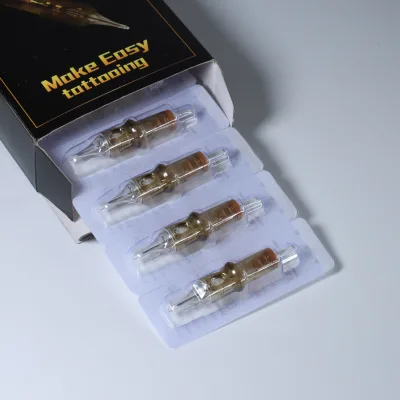


Comprehensive Sourcing Guide
Tattoo Needles Sourcing Guide
Sourcing Tattoo Needles requires a disciplined approach to verifying material integrity, precision engineering, and regulatory compliance. Buyers must navigate a market where products range from disposable single-use units to customizable sets, often originating from manufacturing hubs in China. The core challenge lies in distinguishing between generic listings and verified medical-grade instruments that meet strict hygiene and performance standards. This guide provides a structured framework for evaluating suppliers, ensuring that procurement decisions are based on observable data rather than marketing claims.
The following sections detail the critical verification steps for product scope, technical specifications, compliance documentation, commercial terms, supplier qualification, and long-term quality assurance. Each section is designed to help procurement professionals mitigate risk and secure reliable supply chains. By focusing on concrete attributes such as material composition, packaging standards, and delivery timelines, buyers can make informed decisions that align with their operational needs and regulatory obligations.
Product Scope and Observed Listing Signals
The observed product landscape for Tattoo Needles includes a variety of configurations, primarily categorized by usage in body art, cosmetic procedures, and skin care. Listings frequently highlight materials such as aluminum and stainless steel, indicating a focus on durability and corrosion resistance. Buyers should note that products are often marketed as disposable, which is a critical safety feature for preventing cross-contamination. The presence of customization options suggests that suppliers can tailor needle configurations to specific artistic or clinical requirements, offering flexibility for specialized applications.
Observed listing signals reveal a diverse range of models, including specific identifiers like 1213CMLT, 0803RLLT, and 1201RLLT, alongside standard needle designations. Color variations such as pink, blue, black, green, and red are commonly available, which may assist in quick identification during procedures. Packaging formats vary from individual blister packs to bulk carton shipments, with some listings specifying 10 to 50 pieces per box. These signals help buyers assess the supplier’s capacity to handle different order volumes and packaging preferences, ensuring that the product fits their logistical and operational workflows.
Technical Specifications to Verify
Technical verification begins with confirming the needle diameter and configuration, which are critical for precision and client comfort. Listings often reference standard diameters such as #8 (0.25mm), #10 (0.30mm), and #12 (0.35mm), which correspond to specific needle groupings like RL, RS, RM, and M1. Buyers must verify that the stated dimensions match the actual product, as deviations can affect ink deposition and healing outcomes. Additionally, model numbers such as En05 or Tc should be cross-referenced with the supplier’s technical datasheets to ensure compatibility with existing tattoo machines and power supplies.
Packaging and quantity standards are also essential technical considerations. Some listings specify 16 pieces per box, while others indicate 20 pieces per box, with individual blister packing for hygiene. The weight per box, such as 0.18kg, can impact shipping costs and inventory management. Buyers should confirm whether the needles are individually sealed or bulk-packed, as this affects sterility and ease of use. Verifying these specifications ensures that the procurement team receives products that meet their technical requirements and operational standards, reducing the risk of errors during the tattooing process.
Compliance and Safety Documentation
Compliance with international safety standards is non-negotiable for tattoo needle procurement. Buyers should request documentation for certifications such as CE and SGS, which indicate that the products meet specific health, safety, and environmental protection requirements. These certifications are crucial for ensuring that the needles are free from harmful substances and manufactured under controlled conditions. While ISO 13485 is a relevant standard for medical device quality management, buyers should verify if the supplier holds this certification or equivalent, as it reflects a commitment to consistent quality and risk management.
Safety documentation should also include information on sterilization methods and shelf-life, if applicable. Since many Tattoo Needles are marketed as disposable, buyers must ensure that the products are single-use only and come with clear labeling to prevent reuse. The presence of a dust-proof workshop, as mentioned in some listings, suggests a controlled manufacturing environment that reduces the risk of contamination. Buyers should ask for batch-specific test reports or quality assurance statements to confirm that each production run meets the declared safety standards, protecting both the artist and the client from potential health risks.
Cost Drivers and Commercial Terms
Cost drivers for Tattoo Needles include material quality, packaging complexity, and order volume. Stainless steel and aluminum components contribute to the base cost, while individual blister packing adds to the expense compared to bulk packaging. Buyers should analyze the price range of $0.17 to $17 per unit, noting that lower prices may correspond to basic configurations or larger order quantities. Minimum order quantities (MOQ) typically range from 1 to 2000 units, with some suppliers requiring 25 boxes per size, which can impact cash flow and inventory management for smaller buyers.
Commercial terms such as lead time and shipping methods are critical for supply chain planning. Listings indicate delivery times of 1-3 days for production and 5-10 days for shipping via carriers like FedEx, DHL, or UPS. Buyers should clarify whether these times are estimates or guarantees, and how they are affected by customization requests. Payment terms, return policies, and warranty provisions should also be negotiated to mitigate financial risk. Understanding these commercial dynamics helps buyers optimize their procurement strategy, balancing cost efficiency with supply reliability and operational flexibility.
Supplier Qualification and Quality Control
Supplier qualification involves assessing the manufacturer’s production capabilities and quality control processes. Buyers should verify the supplier’s production experience, with some listings claiming over 14 years in the industry, which may indicate stability and expertise. The presence of a dust-proof workshop is a positive indicator of a controlled manufacturing environment, reducing the risk of particulate contamination. Buyers should request facility audits or virtual tours to confirm that the production lines adhere to good manufacturing practices, ensuring consistent product quality and safety.
Quality control measures should include in-process inspections and final product testing. Buyers should ask for details on how defects are identified and corrected, and whether the supplier offers a quality assurance guarantee. Some listings mention "Top" quality ratings, but buyers should seek objective evidence such as statistical process control data or third-party inspection reports. Establishing a clear communication channel for quality issues is essential, allowing for rapid resolution of any discrepancies. By prioritizing suppliers with robust quality control systems, buyers can minimize the risk of receiving substandard products and maintain high standards of service for their clients.
Long-Term Procurement Checks
Long-term procurement success depends on continuous monitoring of supplier performance and product consistency. Buyers should establish key performance indicators (KPIs) such as on-time delivery rates, defect rates, and responsiveness to quality issues. Regular audits and feedback loops help identify trends and areas for improvement, ensuring that the supplier remains aligned with the buyer’s evolving needs. Building a strong relationship with the supplier can also facilitate better pricing, priority production, and access to new product developments, providing a competitive advantage in the market.
Additionally, buyers should stay informed about regulatory changes and industry best practices that may impact tattoo needle procurement. This includes updates to certification requirements, material restrictions, and hygiene standards. Periodic reviews of the supply chain, including alternative sourcing options, help mitigate risks associated with single-supplier dependency. By maintaining a proactive approach to supplier management and quality assurance, buyers can ensure a reliable supply of high-quality Tattoo Needles, supporting their business growth and reputation for excellence in the body art and cosmetic industries.
FAQs
What materials are used for these Tattoo Needles?
The Tattoo Needles are constructed from aluminium and stainless steel to ensure durability and hygiene. These materials are selected for their resistance to corrosion and ability to maintain sharpness during body art procedures. The product listing confirms both material types are available for different needle specifications.
Which certifications do the Tattoo Needles hold?
The products carry CE and SGS certifications to verify compliance with safety and quality standards. These certifications indicate that the manufacturing processes meet specific regulatory requirements for medical and cosmetic devices. Buyers can rely on these documented standards when sourcing for professional use.
How are the Tattoo Needles packaged for shipment?
Packaging options include individual blister packs, paper boxes, or standard cartons containing twenty pieces per box. Some listings specify ten pieces per box with one hundred boxes per carton for bulk orders. The packaging ensures the needles remain sterile and protected during transit to the buyer.
Can I customize the tattoo needle specifications?
Customization is accepted for various specifications including model numbers and packaging requirements. Buyers can request specific needle types like RL or RS models with defined diameters. The supplier supports OEM and ODM services to meet unique client needs for body art applications.
What is the lead time for delivery?
The delivery time ranges from one to three days for standard orders and five to ten days for shipping. Shipping methods include FedEx, DHL, and UPS to ensure timely arrival. This fast turnaround supports urgent procurement needs for cosmetic and skin care professionals.
What is the minimum order quantity for these needles?
The minimum order quantity varies from one unit up to two thousand units depending on the supplier. Some specific listings require a minimum of twenty-five boxes per size for certain configurations. Buyers should verify the exact MOQ with the vendor before placing a bulk order.
Where are these Tattoo Needles manufactured?
The products originate from China, specifically from the Zhejiang region on the mainland. The manufacturing facilities operate within dust-proof workshops to maintain high quality standards. This location allows for efficient production and competitive pricing for international buyers.