Source Waterproof Durable Tattoo Glue for Body Art
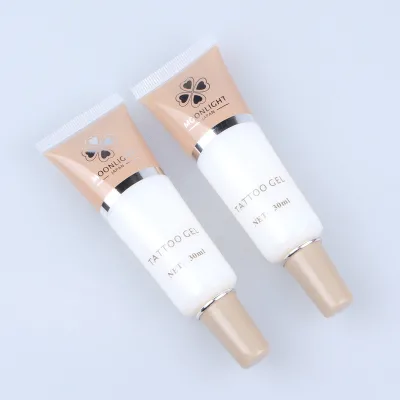
Find 30 listings for Waterproof Durable Tattoo Glue suitable for body painting, temporary tattoos, and Halloween makeup. Compare specifications from suppliers in Guangdong, China, including options with CE certification and natural plant materials for professional cosmetic studio use; compare the available evidence and request quotations based on your requirements.
Key considerations
Products List
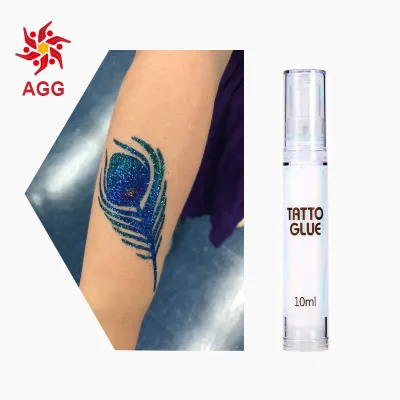
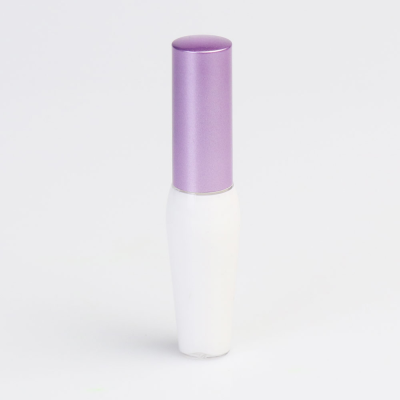
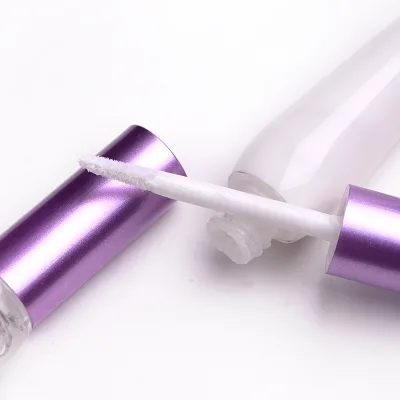
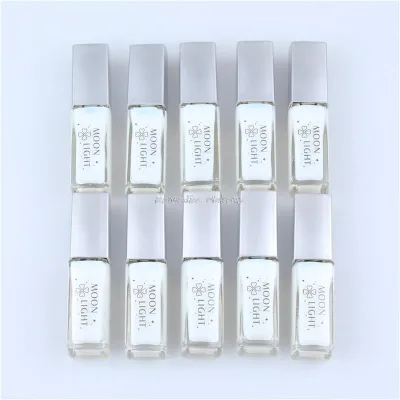



Comprehensive Sourcing Guide
Waterproof Durable Tattoo Glue Sourcing Guide
Procurement professionals must distinguish between adhesive formulations designed for temporary skin application and those intended for permanent ink retention. The supplied market data indicates a specific product category labeled as "Glitter Tattoo Glue" with a stated function of supporting temporary body art, distinct from permanent tattoo inks. Buyers should verify that the adhesive is explicitly marketed for temporary use, as the observed listings describe products with a lasting duration of 1 to 7 days rather than permanent fixation. This distinction is critical for compliance with cosmetic regulations and consumer safety expectations regarding skin contact duration.
When evaluating product listings, buyers must scrutinize the specific application claims to ensure alignment with their intended use case. The available data highlights applications such as face painting, Halloween makeup, and body painting, which require a glue that adheres glitter or stickers without causing irritation. It is essential to confirm that the adhesive is compatible with the specific materials being applied, such as paper or PVC stickers, as indicated by the observed material specifications. Misidentifying the glue type can lead to product failure or safety incidents, making precise verification of the "temporary" versus "permanent" classification a primary sourcing decision.
Product Scope and Observed Listing Signals
The current market landscape for tattoo adhesives reveals a diverse range of product attributes, including specific model numbers like ML01 and Glitter Tattoo Glue, alongside varying brand names such as OEM/ODM and Aimoosi. Buyers should note that while some listings specify a "100% Pure Natural Plant" material composition, others indicate synthetic bases like PVC or paper for the accompanying stickers. This variance suggests that the adhesive formulation itself may differ significantly between suppliers, necessitating a detailed review of the material safety data sheets to confirm the chemical composition of the glue component specifically.
Commercial signals in the listings indicate a wide range of minimum order quantities, from single units to 10,000 pieces for customized branding. This flexibility allows buyers to test market response with low-volume orders before committing to large-scale procurement. However, the presence of high MOQs for logo customization suggests that branding costs are a significant factor in the total cost of ownership. Procurement teams must balance the need for custom branding against the initial investment required, ensuring that the order volume justifies the customization fees while maintaining adequate stock levels for seasonal demand peaks.
Technical Specifications to Verify
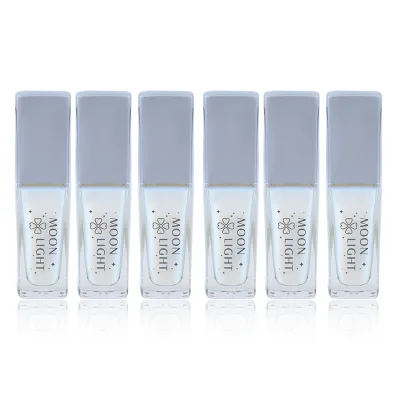
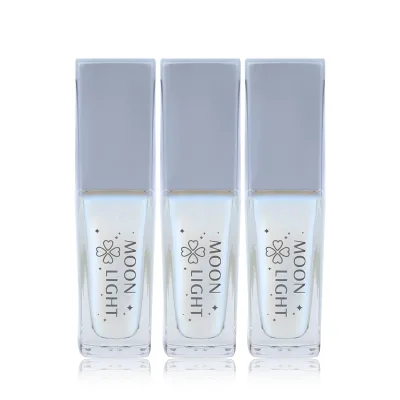
Technical verification must begin with the physical dimensions and packaging specifications provided in the product listings. Observed data includes a single package size of 20x10.5x13 cm and a gross weight of 1.650 kg for a 36-piece box, which are critical for calculating shipping costs and warehouse storage requirements. Buyers should request precise volume and weight data for the adhesive bottles themselves, as the listed capacity of 10ml per bottle may vary across different product lines. Accurate logistical data is essential for optimizing supply chain efficiency and minimizing unexpected freight expenses.
Performance characteristics such as adhesion strength and durability are paramount for a product marketed as "lasting long time." The observed listings claim a lasting period of 1 to 7 days, which serves as a baseline expectation for temporary tattoo applications. Buyers must verify that the adhesive maintains its bond under various environmental conditions, including humidity and friction, which are common in body art scenarios. It is advisable to request sample testing to confirm that the glue does not degrade prematurely or cause skin irritation, ensuring the product meets the functional requirements of the end-user.
Compliance and Safety Documentation
Safety certification is a non-negotiable requirement for any product intended for direct skin contact, particularly in the cosmetics and body art sectors. The supplied facts explicitly mention CE certification, which indicates compliance with European health, safety, and environmental protection standards. Buyers must ensure that the specific batch of tattoo glue they procure carries valid and current certification documents, as the presence of a CE mark on a listing does not guarantee that every unit in a shipment is certified. Verification of the certification scope is necessary to confirm it covers the specific adhesive formulation being purchased.
In addition to regional certifications, buyers should demand comprehensive ingredient lists and safety data sheets to assess potential allergens or irritants. While some listings claim "100% Pure Natural Plant" materials, this claim requires substantiation through third-party testing to ensure no harmful synthetic additives are present. The product is intended for adult use, but safety protocols must still account for sensitive skin types and potential allergic reactions. Procurement teams should establish a protocol for reviewing these documents before finalizing any purchase to mitigate liability risks and ensure consumer safety.
Cost Drivers and Commercial Terms
The pricing structure for tattoo glue is influenced by several factors, including the complexity of the formulation, the volume of the order, and the level of customization required. The observed price range of 0.01 to 61.36 USD reflects the disparity between basic adhesive units and premium, branded, or customized kits. Buyers must analyze the cost per unit relative to the quality of materials and the durability claims to determine the true value proposition. Low prices may indicate lower quality ingredients or reduced adhesive strength, which could lead to higher return rates and customer dissatisfaction.
Commercial terms such as minimum order quantities and customization thresholds significantly impact the total procurement cost. The data shows a customized logo MOQ of 10,000 pieces for some products and 1,000 for others, creating a tiered cost structure based on branding needs. Buyers should negotiate terms that align with their inventory turnover rates to avoid overstocking or excessive capital tie-up. Additionally, understanding the lead times associated with different order sizes is crucial for maintaining a steady supply chain, especially during peak seasons when demand for body art products surges.
Supplier Qualification and Quality Control
Supplier qualification requires a rigorous assessment of the manufacturer's production capabilities and quality control systems. The observed listings indicate origins in Guangdong, China, a region known for its manufacturing density but also for varying levels of quality consistency. Buyers should verify the supplier's history of producing cosmetic-grade adhesives and their adherence to Good Manufacturing Practices (GMP). Requesting evidence of past performance, such as client testimonials or case studies, can provide insight into the supplier's reliability and ability to meet specific quality standards.
Quality control processes must be clearly defined and agreed upon before production begins. Buyers should insist on pre-shipment inspections that verify the adhesive's viscosity, drying time, and adhesion strength against the agreed specifications. The presence of a "High" quality grade in some listings suggests a potential standard, but this must be validated through independent testing. Establishing a clear protocol for handling non-conforming goods and defining the acceptance criteria for batch releases is essential to maintain product integrity and protect the buyer's brand reputation.
Long-Term Procurement Checks
Sustaining a successful procurement relationship requires ongoing monitoring of product performance and supplier reliability over time. Buyers should implement a feedback loop with end-users to gather data on the adhesive's real-world performance, including any reports of skin irritation or premature failure. This continuous feedback mechanism allows for early detection of quality issues and provides the necessary data to drive improvements in future orders. Regular reviews of supplier performance against key metrics ensure that the partnership remains beneficial for both parties.
Market dynamics and regulatory landscapes are subject to change, necessitating a proactive approach to compliance and product updates. Buyers must stay informed about evolving safety standards and cosmetic regulations that may affect the formulation of tattoo glues. Establishing a long-term strategy that includes periodic re-evaluation of suppliers and product specifications ensures that the procurement process remains agile and responsive to new requirements. This forward-looking approach helps mitigate risks associated with regulatory changes and maintains a competitive edge in the market.
FAQs
What is the material composition of the tattoo glue?
The product is made from 100% pure natural plant materials, ensuring safety for skin application. This composition supports its use in cosmetic studios and body art. The natural base helps maintain skin health during extended wear periods for face painting and temporary tattoos.
How long does the tattoo glue last on skin?
The adhesive provides a lasting effect for 1 to 7 days depending on skin type and care. This durability makes it suitable for Halloween makeup and body painting events. Users can expect the design to remain intact for extended periods without frequent reapplication.
Can I customize the logo for bulk orders?
Yes, customized logos are available for orders meeting the minimum quantity requirements. The standard MOQ is 20 pieces, with higher thresholds like 1000 or 10000 for specific branding needs. This flexibility supports OEM and ODM requirements for various business clients.
What certifications does the tattoo glue hold?
The product holds CE safety certification, indicating compliance with relevant safety standards. This certification is crucial for cosmetic studio applications and international trade. Buyers can verify this attribute to ensure the product meets regulatory requirements for skin-contact cosmetics in their target markets.
Where is the product manufactured and shipped from?
The product originates from Guangdong, China, a major hub for cosmetic manufacturing. This location supports efficient logistics and supply chain management for global buyers. The place of origin is consistently listed as China across various product listings for this item.
What is the packaging format for the tattoo glue?
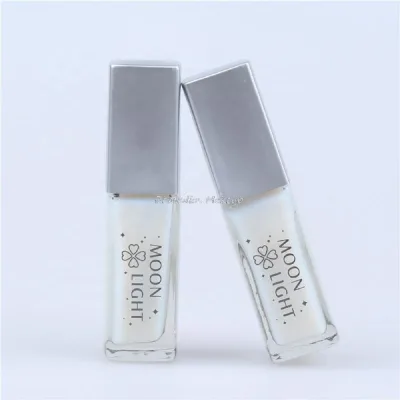
The standard packing is 36 pieces per box, with individual bottles containing 10ml of product. Single package dimensions are approximately 20x10.5x13 cm, weighing 1.650 kg gross. This format facilitates easy storage and shipping for bulk orders and retail distribution.