Source Core Spun Sheep Wool Yarn for Knitting, Weaving, Sweaters
Find 30 listings for Core Spun Sheep Wool Yarn suitable for knitting, weaving, and sweater production. Buyers can compare features like eco-friendly properties, high strength, and customization options across multiple suppliers in Ningbo and Zhenjiang.
Key considerations
Products List


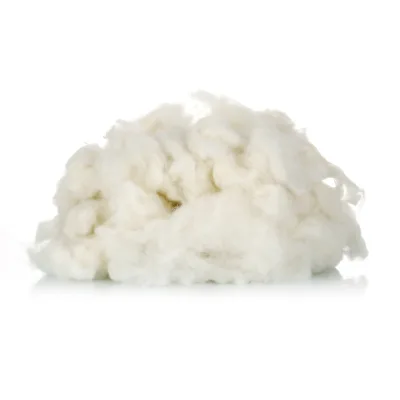
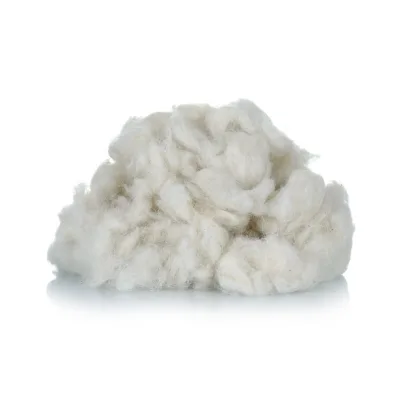
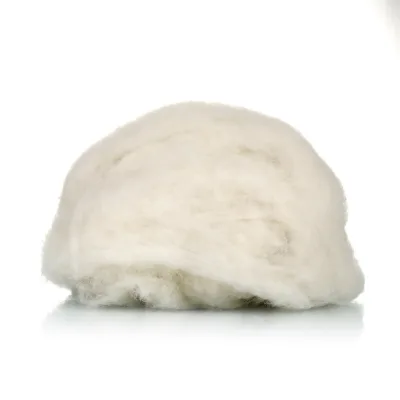
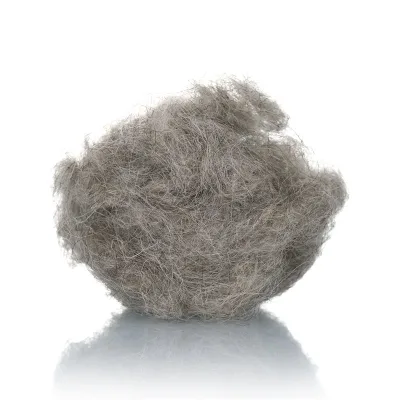


Comprehensive Sourcing Guide
Strategic Sourcing Guide for Core Spun Sheep Wool Yarn
Procuring Core Spun Sheep Wool Yarn requires a nuanced understanding of the intersection between natural fiber properties and engineered core structures. This guide synthesizes observed market data and technical attributes to assist buyers in navigating the complex landscape of yarn sourcing. The focus remains on evidence-based evaluation, ensuring that procurement decisions are grounded in verified product characteristics rather than unverified marketing claims.
Understanding Core Spun Structures and Material Composition
The term "core spun" implies a specific manufacturing technique where a core filament is wrapped with a staple fiber, or vice versa, to combine the strength of the core with the aesthetic and tactile qualities of the staple. In the context of sheep wool, this often involves a polyester or cotton core wrapped with wool or wool blends to enhance durability while maintaining the natural warmth and softness associated with wool.
Based on the available product data, the raw materials for such yarns vary significantly. Buyers must verify the specific composition, as the market lists options ranging from 100% Wool to blends involving Cotton, Spandex, or Polyester. The presence of "Wool or Blend" as a raw material attribute suggests that a single SKU may not represent a uniform product. Furthermore, the data indicates the existence of "Melange Yarn" and "Fancy Yarn" types, which may utilize core spun techniques to achieve specific visual effects like heathered colors or textured surfaces.
The fiber length is another critical technical differentiator. The supply data distinguishes between "Staple Fiber Yarn" and "Continuous Filament." Core spun wool typically utilizes staple fibers for the outer wrap to ensure the characteristic wool feel, while the core may be continuous filament for strength. Buyers should explicitly request confirmation of the fiber length for the specific core and wrap components, as this dictates the yarn's behavior during knitting and weaving. The "Ring Spun" technic is also noted in the data, which is a common method for producing high-quality staple yarns that can be further processed into core spun structures.
Technical Specifications and Performance Attributes
When evaluating Core Spun Sheep Wool Yarn, technical specifications must be scrutinized against the intended end-use application. The observed product attributes highlight a diverse range of performance features. For instance, "High Strength" is a recurring feature, which is a primary advantage of the core spun structure, as the core provides tensile strength that pure wool lacks. However, the data also lists "Low Elasticity" alongside "High-Elastic" and "Medium Elasticity." This contradiction underscores the necessity of verifying the specific elasticity profile required for the project. A sweater may require high elasticity for fit, while a heavy-duty weaving application might prioritize low elasticity and high strength.
The coarseness of the yarn is another vital specification. The market data references "Fine Yarn," "Medium Yarn," and "Textured Yarn." The "Coarseness" directly impacts the hand feel and the gauge of the knitting machine or loom. Buyers must ensure the selected yarn matches the machine specifications to avoid breakage or fabric defects. Additionally, the "Structure" is described as "Textured Yarn" in some listings, which suggests a process that adds bulk or volume, distinct from the smooth finish of a standard ring-spun yarn.
The "Number of Shares" or ply count is also a defining characteristic. The data mentions both "Single Yarn" and "Multi-Ply" configurations. Multi-ply core spun yarns generally offer better roundness and durability, making them suitable for heavy-duty applications like upholstery or outerwear. Conversely, single-ply variants might be preferred for lightweight garments where drape is critical. The "Shape" is noted as "Yarn Ball," which is the standard packaging form for knitting, but the "prod_packing" also lists "Polybags/Carton" and "PP Bag or Carton Box," indicating variability in bulk packaging that affects logistics and storage.
Compliance, Certification, and Environmental Standards
In the modern B2B textile market, compliance and environmental standards are as critical as technical performance. The product data frequently cites "Eco-Friendly" and "Recycled" as key features. While these are positive indicators, buyers must verify the specific nature of these claims. Does "Recycled" refer to recycled wool fibers, recycled polyester cores, or a blend of both? The data does not specify the percentage of recycled content, which is a crucial metric for sustainability reporting.
The "prod_standard" is listed as "customized" in several instances, with specific packing standards like "25kg/bag" or "25kg/carton" also noted. This suggests that while the physical packaging may follow standard industry weights, the material standards themselves are often negotiated per order. Buyers should not assume that a product labeled "Eco-Friendly" automatically meets specific international certifications like GRS (Global Recycled Standard) or Oeko-Tex without explicit documentation. The "prod_standard" field being "customized" implies that the supplier may adhere to different standards depending on the buyer's requirements.
Furthermore, the "Manual Process" is identified as "Bangzhen" in the data. This likely refers to a specific finishing or processing technique, but without external context, it is an observation rather than a certified standard. Buyers should request detailed process sheets to understand how this manual process impacts the final product's compliance with safety and environmental regulations. The "Condition" is consistently listed as "New," which is a basic requirement, but the "Life" attribute is described as "Long" or "Long Life," indicating durability expectations that should be validated through sample testing rather than relying solely on the listing description.
Cost Drivers and Pricing Dynamics
The pricing for Core Spun Sheep Wool Yarn is influenced by a complex interplay of material costs, processing complexity, and order volume. The observed price range in the market spans from $0.7 to $3000, a vast disparity that reflects differences in yarn count, material purity, and order quantity. The "Low Price" is listed as an advantage in some supplier profiles, but this must be contextualized against the "High Strength" and "Eco-Friendly" attributes. A low price may indicate a higher proportion of synthetic blends or lower-grade wool, whereas a higher price point likely correlates with 100% wool content or specialized core technologies.
The "MOQ" (Minimum Order Quantity) ranges from 1 to 2000 units, offering flexibility for both small-scale prototyping and large-scale production. However, the "Leadtime" is noted as "10 days" for some items, while other factors like "Customized" sizes and weights may extend this timeline. Buyers should anticipate that customizations, such as specific dyeing processes ("Yarn Dyed" or "Dyed") or unique ply counts, will impact both the cost and the lead time. The "Advantage" of "OEM" services suggests that suppliers are willing to customize the product, which often incurs additional setup costs or higher per-unit pricing compared to standard stock items.
The "prod_packing" options, including "by Air, Sea," also influence the final landed cost. Air freight is faster but significantly more expensive, while sea freight is cost-effective for large volumes but requires longer lead times. The "Weight" being "Customized" means that buyers must calculate the total volume and weight carefully to optimize shipping costs. Understanding these variables is essential for accurate budgeting and avoiding unexpected cost overruns during the procurement process.
Typical Applications and End-Use Suitability
The versatility of Core Spun Sheep Wool Yarn is evident in the diverse "Usage" categories listed in the data. These include "Knitting," "Weaving," "Hand Knitting," "Sweater Scarf," and "Sewing." The specific application dictates the required technical properties. For instance, "Sweater Scarf" applications benefit from the "Breathable" and "Moisture Absorbent" features, which are crucial for comfort in apparel. The "Anti-Pilling" feature is particularly important for garments that undergo frequent washing and wear, such as sweaters and scarves.
In industrial applications, the "High Strength" and "Abrasion Resistant" attributes are paramount. The data mentions "High Temperature-Resistant" and "Anti-Bacterial" features, which may be relevant for specialized textiles used in medical or outdoor settings. The "Anti-UV" property adds value for outdoor wear, protecting the fabric from sun damage. The "Shape" being "Yarn Ball" makes it ideal for hand knitting and small-batch production, while the "Multi-Ply" and "Continuous Filament" options are better suited for high-speed industrial knitting and weaving machines.
Buyers must align the yarn's "Feature" profile with the end product's performance requirements. For example, a product requiring "High Elasticity" would be unsuitable for a rigid weaving application, while a "Low Elasticity" yarn would fail in a stretch-fit garment. The "Pattern" options, including "Raw," "Dyed," and "Yarn Dyed," offer aesthetic flexibility, but the "Light Appearance" feature suggests that the yarn may be suitable for light-colored or pastel designs where dye consistency is critical.
Supplier Evaluation and Quality Control Protocols
Selecting a reliable supplier for Core Spun Sheep Wool Yarn requires a rigorous evaluation process. The data indicates that suppliers are located in "Ningbo, Zhenjiang" and generally "China," which are major textile manufacturing hubs. However, the "prod_origin" is sometimes listed simply as "China," so buyers should verify the specific factory location to assess logistics and potential trade barriers. The "Advantage" of "OEM" and "Low Price" should be balanced against the "Customized" nature of the product, ensuring that the supplier has the technical capability to meet specific requirements.
Quality control should focus on verifying the "Feature" claims through independent testing. While the data lists "Eco-Friendly," "Recycled," and "Anti-Pilling," these are observations that must be validated. Buyers should request test reports for "High Strength," "Breathable," and "Moisture Absorbent" properties. The "Life" attribute of "Long" or "Long Life" should be substantiated with durability test results, such as pilling resistance or tensile strength retention after washing.
The "prod_standard" being "customized" means that buyers should establish clear quality benchmarks before placing an order. This includes defining acceptable tolerances for "Coarseness," "Weight," and "Fiber Length." The "Manual Process" of "Bangzhen" should be understood in the context of quality consistency, as manual processes can introduce variability. Buyers should request samples to evaluate the "Texture," "Appearance," and "Hand Feel" before committing to a large order.
Long-Term Procurement and Relationship Management
Building a sustainable procurement strategy for Core Spun Sheep Wool Yarn involves more than just a single transaction. The "Customized" nature of the product suggests a need for ongoing collaboration with the supplier. As market demands shift, the ability to adjust "Size," "Weight," and "Material" compositions will be crucial. The "Leadtime" of "10 days" is a positive indicator of responsiveness, but buyers should confirm if this applies to all customizations or only standard items.
The "prod_packing" options, including "Polybags/Carton" and "PP Bag or Carton Box," should be standardized to ensure consistency in storage and handling. The "Number of Shares" and "Structure" should be maintained across production runs to ensure product uniformity. Long-term relationships with suppliers who offer "OEM" services can provide a competitive advantage, allowing for rapid adaptation to design changes and market trends.
Buyers should also consider the environmental impact of their procurement decisions. The "Eco-Friendly" and "Recycled" attributes are increasingly important for brand reputation. Establishing a clear supply chain traceability system will help verify these claims and ensure compliance with evolving sustainability regulations. By focusing on verified data and rigorous quality control, buyers can secure a reliable supply of high-quality Core Spun Sheep Wool Yarn that meets both technical and ethical standards.
Comparative Analysis of Yarn Attributes
To facilitate decision-making, the following table summarizes key attributes observed in the market data, highlighting the variability buyers must navigate.
| Attribute Category | Observed Variations | Procurement Consideration |
|---|---|---|
| Material Composition | 100% Wool, 100% Cotton, 100% Polyester, Wool/Blend, Cotton/Spandex | Verify exact blend ratios for performance and cost. |
| Elasticity | Low, Medium, High | Match to end-use requirements (e.g., stretch vs. stability). |
| Fiber Length | Staple Fiber, Continuous Filament | Determines texture, strength, and processing method. |
| Coarseness | Fine, Medium | Impacts fabric density and machine compatibility. |
| Ply Count | Single Yarn, Multi-Ply | Affects durability and hand feel. |
| Packaging | Polybags, Carton Box, PP Bag, Yarn Ball | Influences storage, shipping, and handling costs. |
| Origin | Ningbo, Zhenjiang, General China | Affects logistics, lead times, and trade compliance. |
| Features | Anti-Pilling, Eco-Friendly, Recycled, High Strength, Breathable | Require independent verification of claims. |
This comparative view underscores the importance of detailed specification sheets and sample testing. Buyers should not rely on general market descriptions but must demand precise data for every component of the core spun yarn. By adhering to these evidence-based practices, procurement professionals can mitigate risks and ensure the successful integration of Core Spun Sheep Wool Yarn into their product lines.
FAQs
What raw materials are used for Core Spun Sheep Wool Yarn?
The raw materials typically include wool or blends, though options also exist for 100% polyester, 100% cotton, and cotton with spandex. Buyers must verify the specific composition as listings vary between pure wool and synthetic blends depending on the supplier.
Which production techniques are available for this yarn type?
Available techniques include ring spun and textured yarn structures, with some manual processes noted as Bangzhen. The fiber length can be either staple fiber or continuous filament, allowing for different structural properties like single or multi-ply configurations.
Can the yarn be customized for specific knitting or weaving needs?
Yes, customization is available for size, weight, and patterns such as dyed, yarn dyed, or raw finishes. Suppliers also offer OEM services, allowing buyers to specify unique requirements for coarseness, elasticity, and packing formats like polybags or cartons.
What are the typical lead times and minimum order quantities?
Lead times can be as short as 10 days for standard orders, though customized items may vary. Minimum order quantities range from 1 to 2000 units, providing flexibility for both small prototypes and large-scale production runs across different packaging standards.
How does the yarn perform in terms of durability and features?
The yarn features high strength, anti-pilling, and eco-friendly properties, with some variants offering recycled content. Additional features include breathability, moisture absorption, and resistance to abrasion or high temperatures, ensuring a long life for various end-use applications.
Where are the manufacturers of this yarn located?
Manufacturers are primarily located in Ningbo, Zhenjiang, and other regions within China. Buyers should verify specific factory locations as origins are sometimes listed generally as China, which impacts logistics and shipping costs for air or sea freight.