Source Corrosion Protection Steel A-Frame for Warehousing, Logistics, and Storage
Compare 30 corrosion protection steel a-frame options featuring heavy-duty steel construction and customizable dimensions. Buyers can evaluate load capacities ranging from 8 to 10 tons, surface treatments like painted or galvanized finishes, and installation methods including freestanding or online guidance.
Key considerations
Products List
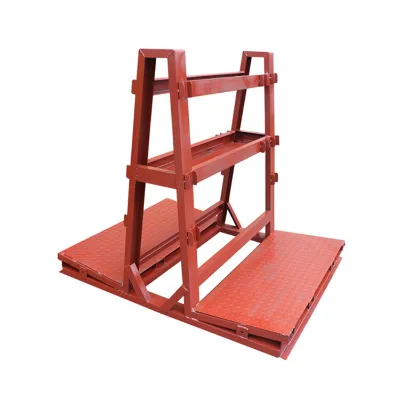
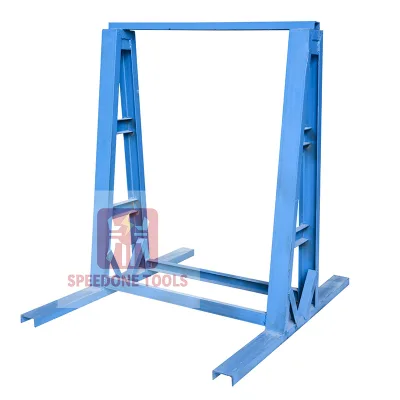
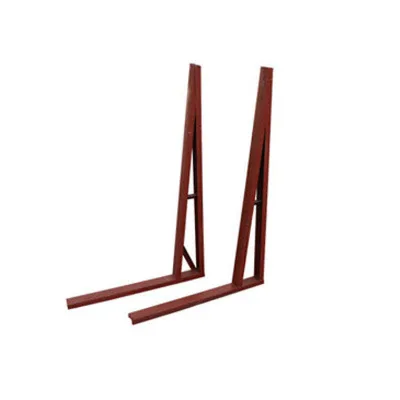


Durable Heavy Duty Steel Frame for High Rise Business Construction
$39.00 - $79.00
MOQ: 100 Square Meters


Multifunctional Steel Frame for Sturdy Industrial Applications and Projects
$25.00 - $45.00
MOQ: 100 Square Meters

Heavy-Duty Steel Frame for Customized Durable Steel Structure Designs
$40.00 - $80.00
MOQ: 300 Square Meters

Steel Construction Frame Steel Structure Steel Construction Workshop
$40.00 - $80.00
MOQ: 300 Square Meters


Steel Frame for Steel Structure Building Warehouse Metal Buildings
$30.00 - $80.00
MOQ: 100 Square Meters


Customizable Multi-Layer Steel Frame for Efficient Storage Solutions
$60.00 - $120.00
MOQ: 500 Square Meters


Comprehensive Sourcing Guide
Strategic Sourcing Guide for Corrosion Protection Steel A-Frame Structures
Understanding Technical Specifications and Structural Integrity
When sourcing corrosion protection steel A-frame structures, buyers must first establish a clear baseline of technical specifications to ensure the equipment meets operational demands. The core product category, often identified as the "A Frame Series," typically features a vertical type configuration designed for heavy-duty applications. A critical observation in the current market is the variation in material composition. While some units are constructed from standard steel, others utilize stainless steel to enhance durability in harsh environments. The specific steel types available for these structures include Q235B, ASTM A3, SS400, A516gr.70, and similar grades, which dictate the baseline mechanical properties and corrosion resistance capabilities.
Dimensional consistency is paramount for integration into existing facilities. Market observations indicate that A-frame structures often come in specific model configurations, such as the "A-frame for Package -U" or "AJ-ZB," with dimensions ranging from 1500mm by 1600mm by 1450mm to 150150145cm. The height of these units typically falls between 1450mm and 1540mm, with a layer count that can vary from single-layer setups to more complex multi-layer arrangements. The load capacity is a defining metric for selection, with observed capacities ranging from 8 tons to 10 tons. Buyers must verify that the specific model selected aligns with their maximum anticipated load requirements, as exceeding these limits can compromise structural safety.
The structural design itself is a frame structure utilizing H-section steel, connected primarily through bolt connections. This method allows for flexibility in assembly and disassembly, which is crucial for facilities that may require reconfiguration. The molding method for these steel components is typically hot-rolled, ensuring a robust grain structure that supports high-intensity usage. Furthermore, the surface treatment processes are vital for the "corrosion protection" aspect of the keyword. Observed finishes include painted surfaces and galvanized painted treatments, which serve as the primary defense against environmental degradation.
Compliance Verification and Certification Protocols
In the realm of industrial procurement, compliance is not merely a formality but a critical risk mitigation strategy. While specific certification bodies are not universally mandated for every listing, buyers must verify that the supplier adheres to recognized international standards for steel structures. The supply chain data indicates references to standards such as ISO 12944 and ISO 8501, which relate to the protection of steel structures against corrosion and the preparation of steel surfaces before painting, respectively. However, buyers should not assume that every listed product automatically possesses these certifications without explicit verification from the manufacturer.
The verification process should begin with a request for the material test reports (MTRs) corresponding to the specific steel grades used, such as ASTM A3 or Q235B. These documents confirm that the chemical composition and mechanical properties match the claimed specifications. Additionally, buyers should inquire about the specific surface treatment protocols. For instance, if a product claims "Galvanized Painted" finish, the buyer must understand the thickness of the galvanization layer and the quality of the paint system applied. The standard ISO 8501 provides a framework for evaluating the cleanliness of steel surfaces prior to coating, a step that is essential for the longevity of the corrosion protection.
It is also necessary to check for compliance with local building codes and safety regulations in the destination country. While the product origin is noted as China, the final installation must meet the structural safety standards of the importing region. Buyers should request a copy of the design drawings in CAD, Dwg, or Stl formats to have their local engineering teams review the structural integrity and load-bearing calculations. This step ensures that the "A-frame" design, whether it is the "Single sided A-frame-V" or a custom configuration, meets the specific seismic and wind load requirements of the installation site.
Cost Drivers and Pricing Variables
The pricing of corrosion protection steel A-frame structures is influenced by a complex interplay of factors, primarily driven by material costs, customization levels, and surface treatment requirements. The observed price range in the market spans from 15 USD to 1699 USD, a wide variance that reflects the diversity of product configurations and capacities. The primary cost driver is the material type; stainless steel units will inherently command a higher price point than those made from standard carbon steel like Q235B. Similarly, the thickness of the steel and the specific grade (e.g., A516gr.70 vs. SS400) will significantly impact the final cost.
Surface treatment is another major cost component. A standard painted finish is generally more affordable than a galvanized painted treatment, which involves additional processing steps to ensure superior corrosion resistance. The weight of the structure, observed at 240kg for certain models, is a direct proxy for material usage and thus a key determinant of price. Buyers should also consider the customization factor. While many suppliers offer standard models, the availability of customization for dimensions, load capacity, and color can increase the unit price due to the non-standard production runs required.
Logistics and packaging also play a role in the total cost of ownership. The standard international packing, often utilizing bubble film or specific carton dimensions like 150150145cm, adds to the shipping weight and volume. For heavy-duty units with a load capacity of 10 tons, the packaging must be robust enough to prevent damage during transit, which can increase packaging costs. Furthermore, the lead time for production, which can range from 20 to 40 days for quality assurance and production efficiency, may influence pricing if expedited shipping or rush orders are required. Buyers should request a detailed breakdown of costs to understand the proportion of material, labor, and logistics in the final quote.
Typical Applications and Operational Use Cases
Corrosion protection steel A-frame structures are versatile assets designed for a wide array of industrial applications. The primary application domain is industrial settings, where these structures serve as support frames for various equipment, storage systems, or process machinery. The heavy-duty nature of these frames makes them suitable for environments subject to high stress, such as manufacturing plants, warehouses, and logistics centers. The "A-frame" design is particularly effective for vertical storage or support, maximizing floor space while providing stability.
One specific use case involves the support of heavy machinery or piping systems. The load capacity of 8 to 10 tons allows these frames to support substantial equipment loads without deformation. The earthquake resistance feature, noted in several product descriptions, makes these structures ideal for regions prone to seismic activity, ensuring that the supported equipment remains secure during tremors. Additionally, the recyclable nature of the steel material aligns with sustainability goals in modern industrial operations, allowing for the eventual recycling of the structure at the end of its lifecycle.
The "A-frame" configuration is also utilized in outdoor applications where exposure to the elements is a concern. The corrosion protection features, including galvanized and painted finishes, are essential for maintaining structural integrity in humid or corrosive environments. In such scenarios, the "Anti-Corrosion" and "Corrosion Protection" attributes are not just marketing terms but functional requirements that prevent premature failure. The frames can also be customized for specific industry needs, such as food processing or chemical handling, where the stainless steel variant might be preferred to prevent contamination and withstand harsh cleaning agents.
Supplier Evaluation and Quality Assurance
Selecting the right supplier is critical to ensuring the quality and reliability of the corrosion protection steel A-frame structures. Buyers should evaluate suppliers based on their production capabilities, quality control processes, and after-sales support. A key indicator of a reliable supplier is the implementation of a 100% inspection protocol, which ensures that every unit leaving the factory meets the specified standards. This rigorous quality control measure helps to minimize the risk of receiving defective products that could fail under load.
The supplier's ability to provide customization is another important factor. Many buyers require specific dimensions or load capacities that deviate from standard models. Suppliers that offer OEM/ODM services and provide drawing formats in CAD, Dwg, or Stl demonstrate a higher level of technical competence and flexibility. The "Online support" and "Online Guidance" for installation are also valuable services that can reduce the complexity of the setup process, especially for buyers who may not have specialized engineering teams on-site.
When evaluating suppliers, buyers should also consider the lead time and delivery reliability. While the delivery date is often listed as "Negotiation," a supplier with a consistent production cycle of 20-40 days is generally more reliable than one with undefined timelines. The "Quality Assurance/Production Efficiency" attribute suggests that the supplier balances speed with quality, but buyers should verify this through references or past performance data. Additionally, the supplier's location, typically noted as China, should be considered in the context of shipping logistics and potential tariffs.
Long-Term Procurement and Maintenance Considerations
Procuring corrosion protection steel A-frame structures is an investment that extends beyond the initial purchase price. Buyers must consider the long-term maintenance requirements and the total cost of ownership. The surface treatment, whether painted or galvanized, will degrade over time, and the frequency of maintenance will depend on the operating environment. In highly corrosive environments, the "Anti-Corrosion" features may require periodic inspection and touch-up painting to maintain their effectiveness.
The "No Installation" or "Freestanding" nature of these units simplifies the initial setup but also means that the foundation and floor conditions must be carefully prepared to ensure stability. Buyers should plan for the long-term structural integrity by ensuring that the load capacity is not exceeded during operation. The "Heavy Duty" classification suggests that these units are built to last, but regular inspections are necessary to detect any signs of wear, such as rust or structural fatigue.
Furthermore, the customization options available allow buyers to future-proof their procurement. If a facility plans to expand or change its operational requirements, a supplier that offers "Customizable Steel Frame Structures" can provide modifications or additional units that integrate seamlessly with existing infrastructure. The "Recyclable" attribute also plays a role in long-term planning, as it ensures that the disposal of the structure at the end of its life is environmentally responsible and potentially cost-effective through recycling programs.
Summary of Key Selection Criteria
To summarize the procurement strategy for corrosion protection steel A-frame structures, buyers should focus on a holistic evaluation of technical specifications, compliance, cost, and supplier reliability. The following table outlines the key criteria that should be prioritized during the selection process:
| Selection Criterion | Key Considerations | Verification Method |
|---|---|---|
| Material & Grade | Q235B, ASTM A3, SS400, Stainless Steel | Review Material Test Reports (MTRs) |
| Load Capacity | 8 Ton to 10 Ton range | Confirm structural calculations and safety factors |
| Surface Treatment | Painted, Galvanized Painted | Inspect sample or request coating thickness data |
| Dimensions | 1500x1600x1450mm to 150x150x145cm | Verify against facility floor plans |
| Quality Control | 100% Inspection, ISO Standards | Request quality certificates and audit reports |
| Customization | OEM/ODM, CAD/Dwg formats | Review design capabilities and lead times |
| After-Sales | Online support, Installation guidance | Check service level agreements (SLAs) |
By adhering to these criteria and maintaining a disciplined approach to verification, buyers can secure high-quality corrosion protection steel A-frame structures that meet their operational needs while ensuring long-term reliability and safety. The market offers a diverse range of options, but success lies in matching the specific requirements of the application with the precise capabilities of the supplier.
FAQs
What materials are used for corrosion protection steel a-frame structures?
These structures are typically made from steel or stainless steel. Available grades include Q235B, ASTM A3, SS400, and A516gr.70 to ensure durability and corrosion resistance in industrial environments.
How much load capacity do these steel a-frame structures support?
The load capacity ranges from 8 tons to 10 tons depending on the specific model. Buyers must verify that the selected unit meets their maximum anticipated load requirements to ensure structural safety.
Which surface treatments provide corrosion protection for these frames?
Common surface treatments include painted finishes and galvanized painted coatings. These processes serve as the primary defense against environmental degradation and extend the lifespan of the steel structure.
Can these steel a-frame structures be customized for specific needs?
Yes, customization is available for dimensions, load capacity, and color. Suppliers often offer OEM and ODM services with drawing formats like CAD, Dwg, and Stl for precise engineering requirements.
What is the typical lead time for producing these steel structures?
Production efficiency and quality assurance typically require 20 to 40 days. Delivery dates are often negotiable, but buyers should plan for this production cycle when scheduling their projects.
How are these heavy-duty frames installed in industrial facilities?
Installation options include freestanding setups or online guidance support. Some models require no installation, while others may need specific foundation preparation to ensure stability under heavy loads.