Source Corrosion Proof Ground Protector Mat for Construction Roads Events
Compare 30 Corrosion Proof Ground Protector Mat options from verified Chinese suppliers. These mats feature high impact strength, anti-slip textures, and are suitable for construction, temporary roadways, and outdoor events.
Key considerations
Products List


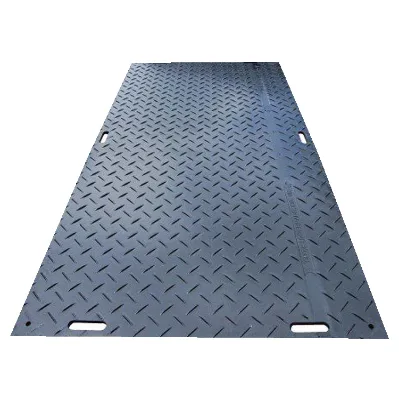
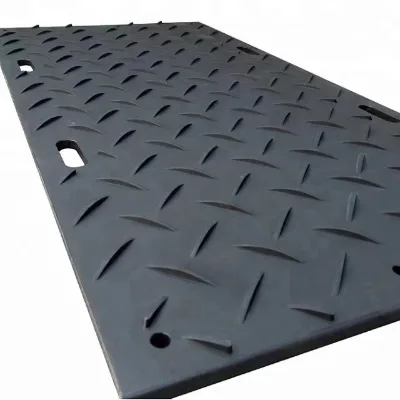
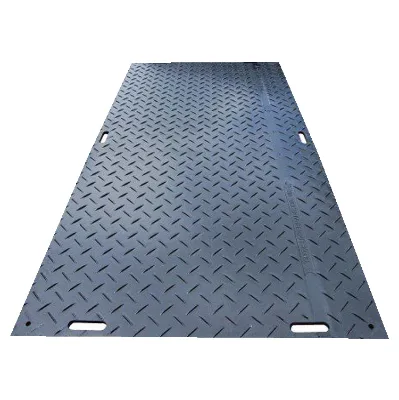
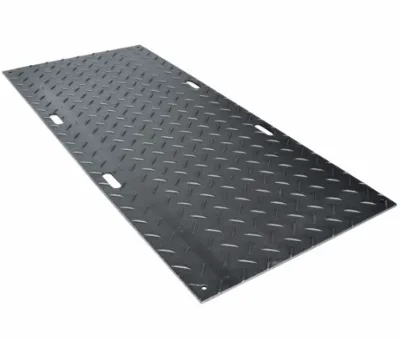
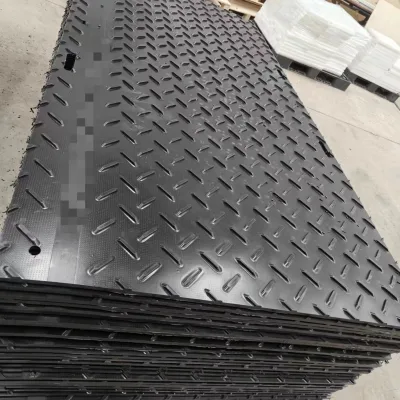
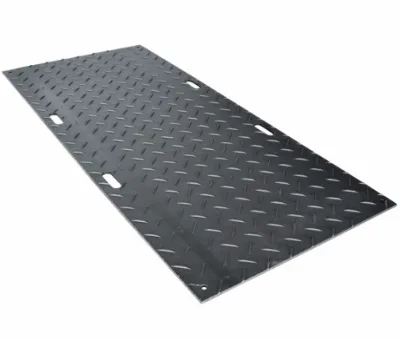


Plastic Ground Protection Mats Temporary Ground Mat Composite Road Mat
$60.00 - $90.00
MOQ: 100 Pieces


Comprehensive Sourcing Guide
Strategic Sourcing Guide for Corrosion-Proof Ground Protector Mats
Procuring corrosion-proof ground protector mats requires a rigorous understanding of material science, specific application environments, and the verification of supplier capabilities. These mats are engineered to provide a stable, durable surface in challenging conditions where traditional flooring fails. The primary objective for buyers is to identify products that maintain structural integrity against chemical exposure, physical abrasion, and extreme temperature fluctuations while meeting specific load-bearing requirements. This guide outlines the critical factors for sourcing these industrial-grade solutions, focusing on verified technical attributes and compliance standards derived from current market data.
Material Composition and Physical Properties
The foundation of any effective ground protector mat lies in its polymer composition. Market analysis indicates that high-performance mats are predominantly manufactured from Polypropylene (PP) or Polyethylene (PE). These engineering plastics are selected for their inherent resistance to corrosion, moisture, and a wide range of chemicals. When evaluating product specifications, buyers must verify the molecular weight, which serves as a proxy for the material's durability and tensile strength. High-quality mats in this category typically exhibit a molecular weight ranging between 3 Million and 9 Million. This high molecular weight contributes significantly to the material's ability to withstand heavy loads without deforming.
Physical performance metrics are equally critical. A key indicator of resilience is the breaking elongation, which measures the material's ability to stretch before failure. Reliable products demonstrate a breaking elongation of greater than 300%, ensuring they can absorb impact and flex under load without cracking. Furthermore, the density of the material is a vital parameter; observed ranges for these mats fall between 0.93 and 0.97 g/cm³. This density range suggests a balance between weight and structural strength, making the mats manageable for transport while remaining robust enough for industrial use.
Thermal stability is another non-negotiable attribute. Ground protectors often operate in environments with extreme temperature variances. Verified specifications indicate a functional working temperature range extending from -269°C to 85°C. This broad spectrum ensures the mats remain flexible and effective in cryogenic conditions as well as in high-heat industrial settings. Additionally, water absorption rates must be minimal to prevent degradation. The observed water absorption for these materials is less than 0.01%, confirming their suitability for wetland, swamp, and outdoor applications where constant moisture exposure is expected.
Technical Specifications and Dimensional Tolerances
When selecting a ground protector mat, precise dimensional specifications are essential for ensuring compatibility with existing infrastructure and machinery. The thickness of the mat is a primary driver of its load-bearing capacity. Available options typically range from 9mm to 30mm, with specific configurations such as 12.7mm, 15mm, 18mm, 19mm, and 25mm being common in standard inventory. Buyers should note that thickness tolerance is a critical quality indicator; standard tolerances are observed at +2mm/-1mm, though some manufacturers offer custom requirements based on specific project needs.
Surface characteristics play a significant role in the mat's functionality, particularly regarding safety and traction. The surface is often treated to be anti-slip and textured, with pattern heights reaching up to 5mm. This texture not only provides grip but also aids in debris shedding. The friction coefficient is a measurable metric for safety; observed values range from 0.07 to 0.15, indicating a surface that offers sufficient grip without excessive resistance. For applications requiring specific visual identification or branding, the pattern can be customized, and the mats are available in single-color options or specific styles, including traditional designs.
Packing and logistics specifications are also part of the technical evaluation. Products are typically supplied in cartons, pallets, or wooden cases to prevent damage during transit. The loading capacity for shipping these heavy-duty items is substantial, with observed capacities ranging from 60 to 120 tonnes per container or shipment. This high loading capacity is indicative of the efficiency and density of the product, allowing for cost-effective global distribution. Buyers must ensure that the chosen supplier can accommodate these packaging standards to maintain product integrity upon arrival.
Compliance, Certification, and Quality Assurance
In the B2B procurement of industrial materials, compliance with international standards is paramount. While specific certifications can vary by manufacturer, the industry generally adheres to rigorous quality management systems. Verified data points to the existence of ISO 9001:2008 and GB/T 19001-2008 standards for inspection processes, ensuring that manufacturing procedures are consistent and reliable. Additionally, some suppliers may hold ISO9001:2015 certification, reflecting updated quality management protocols. Buyers should request proof of these certifications to verify that the supplier maintains a documented quality control system.
Beyond general quality management, specific product attributes must be validated against performance claims. The mats are often described as having high-impact properties, with an observed impact strength of 131 mj/mm². This metric confirms the material's ability to resist damage from falling objects or heavy machinery. Abrasion resistance is another critical factor; the material is tested against steel, showing an abrasion value of 80 compared to a steel standard of 100, indicating superior wear resistance.
Suppliers should also provide evidence of their ability to meet custom requirements. The "prod_standard" attribute indicates that different sizes can be manufactured according to customer specifications, suggesting a flexible production line capable of adhering to unique project demands. However, buyers must verify that any custom claims regarding fireproof, rot-proof, moisture-proof, or anti-static properties are backed by independent test results. While the product attributes list these functions, the absence of specific test data in general listings means that verification through third-party laboratories is a necessary step in the procurement process.
Cost Drivers and Procurement Economics
The pricing of corrosion-proof ground protector mats is influenced by several variables, including material grade, thickness, and customization level. The observed price range in the market spans from $1.50 to $101.90 USD per unit, reflecting the diversity of products available from basic utility mats to heavy-duty, custom-engineered solutions. This wide range underscores the importance of defining precise requirements before requesting quotes. Thicker mats with higher molecular weights and specialized surface treatments will naturally command a higher price point.
Minimum Order Quantities (MOQ) are another significant economic factor. The market data indicates an MOQ range of 1 to 1000 units. This flexibility allows small-scale projects to procure necessary quantities without excessive inventory costs, while larger industrial contracts can leverage bulk purchasing power. Buyers should negotiate based on their specific volume needs, keeping in mind that higher volumes may yield better unit pricing. Additionally, the lead time and production capacity of the supplier can impact the overall cost. While specific lead times are not universally standardized, the ability to produce according to customer requirements suggests that custom orders may require additional time compared to stock items.
Packaging and shipping costs also contribute to the total cost of ownership. The use of wooden cases and pallets adds to the weight and volume of the shipment, which can affect freight charges. Buyers should consider the "Loading Capacity" of 60-120 tonnes when calculating logistics efficiency. Optimizing the order quantity to maximize container utilization can significantly reduce per-unit shipping costs. Furthermore, the origin of the product, typically China, influences the supply chain dynamics, including tariffs and transit times, which should be factored into the total procurement budget.
Typical Applications and Performance Environments
Corrosion-proof ground protector mats are designed for a diverse array of applications, ranging from construction sites to temporary event venues. The primary usage categories include industrial flooring, rubber floor covering, and exterior applications. In the construction sector, these mats are utilized for temporary roadways, providing a stable surface over soft or uneven ground. They are particularly effective in swampy or wetland areas where traditional roads cannot be established, offering a solution for heavy-duty portable roadways.
The versatility of these mats extends to commercial and sports applications. They are suitable for outdoor events, providing a safe and dry surface for attendees and equipment. The anti-slip and textured surface make them ideal for environments where safety is a priority. Additionally, the mats are used in household and commercial settings where moisture resistance and durability are required. The "Function" attributes list fireproof, soundproof, and thermal insulation capabilities, suggesting potential use in specialized environments where noise reduction or fire safety is a concern.
The material's resistance to corrosion, wear, and impact makes it suitable for harsh industrial environments. The working temperature range of -269°C to 85°C allows for use in cryogenic facilities or high-heat processing plants. The low water absorption rate ensures that the mats do not degrade when exposed to water or chemicals, making them ideal for marine or chemical processing applications. Buyers should match the specific application requirements with the mat's technical specifications to ensure optimal performance.
Supplier Evaluation and Long-Term Procurement Strategy
Selecting the right supplier involves more than just comparing prices; it requires a comprehensive evaluation of their capabilities and reliability. Buyers should verify the supplier's origin, which is typically China, and assess their production capacity to ensure they can meet demand. The availability of customization services is a key differentiator, allowing buyers to tailor the mats to specific project needs. Suppliers should be able to provide detailed specifications, including thickness, pattern, and color options, as well as evidence of their quality control processes.
Long-term procurement considerations include the warranty and guarantee provided by the supplier. Some products come with a 5-year guarantee, indicating confidence in the product's longevity. Buyers should carefully review the terms of such guarantees to understand what is covered and what constitutes a valid claim. Additionally, the supplier's ability to provide consistent quality over time is crucial. Establishing a relationship with a supplier who can maintain strict adherence to standards like ISO 9001 ensures a steady supply of high-quality mats.
Finally, buyers should consider the total cost of ownership, including maintenance and replacement costs. The high durability and wear resistance of these mats, with abrasion values and impact strengths verified by industry standards, suggest a long service life. However, regular inspection and maintenance are necessary to ensure continued performance. By focusing on verified technical attributes and maintaining a rigorous supplier evaluation process, buyers can secure a reliable supply of corrosion-proof ground protector mats that meet their specific operational needs.
| Attribute Category | Key Specifications & Observations | Verification Requirement |
|---|---|---|
| Material | PP, PE; Molecular Weight 3M-9M | Request Material Safety Data Sheet (MSDS) |
| Dimensions | Thickness 9-30mm; Tolerance +2/-1mm | Confirm custom size capabilities |
| Performance | Impact Strength 131mj/mm²; Elongation >300% | Request third-party test reports |
| Surface | Anti-Slip Textured; Friction 0.07-0.15 | Inspect physical samples for texture |
| Certification | ISO 9001:2008/2015; GB/T 19001-2008 | Verify current certificate validity |
| Logistics | Packing: Pallets/Wooden Cases; Load 60-120T | Confirm packaging for specific route |
| Warranty | Up to 5 Years Guarantee | Review warranty terms and exclusions |
FAQs
What materials are used for corrosion proof ground protector mats?
These mats are primarily manufactured from Polypropylene or Polyethylene engineering plastics. These materials offer high impact resistance and low water absorption below 0.01% for wetland applications.
How thick are the available corrosion proof ground protector mats?
Available thickness ranges from 9mm to 30mm with specific options like 12mm, 15mm, and 25mm. Tolerance is typically +2mm/-1mm, though custom sizes can be made according to requirements.
Which certifications do these industrial mats typically hold?
Verified inspection standards include ISO 9001:2008 and GB/T 19001-2008, with some suppliers holding ISO9001:2015 certification. Buyers should request proof of these quality management systems.
Can these mats be customized for specific project needs?
Yes, customization is available for different sizes, patterns, and surface textures. Suppliers can produce mats according to specific customer requirements for thickness and dimensions.
What is the working temperature range for these mats?
The functional working temperature extends from -269°C to 85°C. This broad range ensures stability in both cryogenic conditions and high-heat industrial environments.
How much does a Corrosion Proof Ground Protector Mat cost?
The observed price range in the market spans from 1.5 to 101.9 USD per unit. Pricing varies based on material grade, thickness, and customization levels.
What is the minimum order quantity for these mats?
The minimum order quantity ranges from 1 to 1000 units depending on the supplier. This flexibility allows small projects to procure necessary quantities without excessive inventory costs.