Source Corrosion Resistant Generator Radiator for Power Plants
Find Corrosion Resistant Generator Radiator options from 30 verified listings. Compare aluminum and copper models with tube-fin cores, sealed structures, and high-temperature resistance for industrial machinery and generator applications; compare the available evidence and request quotations based on your requirements.
Key considerations
Products List


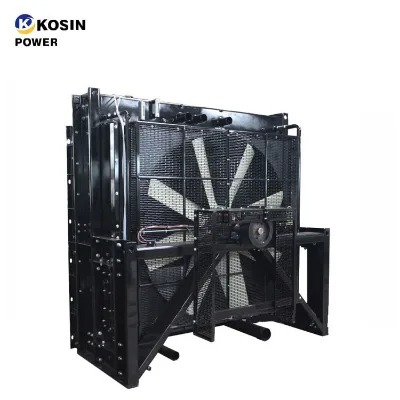
Robust Welded Generator Cooling Radiator for Mtu 20V4000 G83 20V4000 L62 Engine
$1000.00 - $1100.00
MOQ: 1 Pieces




Comprehensive Sourcing Guide
Corrosion Resistant Generator Radiator Sourcing Guide
Procuring a corrosion-resistant radiator for generator sets requires a disciplined approach to material selection and thermal management verification. Buyers must prioritize components that withstand harsh environmental conditions while maintaining efficient heat dissipation under continuous load. The core challenge lies in balancing chemical resistance against thermal conductivity, ensuring the unit does not degrade over time due to exposure to coolant additives or external atmospheric elements.
This guide outlines the critical verification steps for sourcing these specialized heat exchangers. It focuses on interpreting observed market signals, validating technical specifications against operational demands, and establishing robust quality control protocols. By adhering to these evidence-based procurement strategies, sourcing teams can mitigate the risk of premature failure and ensure long-term reliability for their generator infrastructure.
Product Scope and Observed Listing Signals
Market listings for generator radiators reveal a diverse range of configurations, primarily categorized by cooling style and core construction. Observed data indicates the presence of both water-cooled and air-cooled variants, with air-cooled models often featuring single-speed fans and ultra-low noise levels. The core type is frequently identified as tube-fin, utilizing direct-flow designs to optimize heat transfer efficiency. Buyers should note that while some listings specify aluminum bodies, others highlight copper materials, suggesting a need for careful material verification based on specific corrosion resistance requirements.
Packing and origin data provide additional context for logistics planning. Most observed products originate from China and are shipped using export-standard wooden pallets or wooden packages, with dimensions often standardized around 807060cm. Customization is widely available, allowing buyers to tailor colors, sizes, and materials to their specific engineering needs. The presence of sample acceptance policies indicates that suppliers are generally open to pre-production validation, which is a crucial step for verifying the physical quality and fit of the radiator before committing to large-scale orders.
Technical Specifications to Verify
Verifying the thermal and structural specifications is paramount for ensuring compatibility with generator systems. Key attributes to confirm include the radiator core type, such as tube-fin or wavy-fin designs, and the cooling fluid type, which may range from industrial water to alcohol-based solutions. The system type, whether open or closed, dictates the pressure requirements and material compatibility. Buyers must also verify the temperature sensor type, with digital options being common, and ensure the rated voltage matches the generator’s electrical output, typically ranging from 220V to 440V.
Performance claims such as corrosion resistance, temperature resistance, and pressure resistance must be cross-referenced with material choices. Copper and aluminum are frequently cited, each offering distinct advantages in heat transfer and weight. The application field is often specified as machinery or generator sets, requiring high-temperature resistance and good heat transfer performance. Additionally, the fan species, such as single-speed fans, should be evaluated for noise levels and airflow adequacy. Confirming these details ensures the radiator can handle the thermal load without compromising the generator’s operational integrity.
Compliance and Safety Documentation
Compliance with international standards is essential for ensuring the safety and reliability of generator radiators in global markets. Observed certifications include ISO, CE, CCC, and CSA, indicating adherence to various regional and international quality and safety regulations. Buyers should verify that the supplier holds valid certificates for the specific models being procured, as certification status can vary across product lines. These certifications often encompass electrical safety, material composition, and manufacturing process controls, providing a baseline assurance of product quality.
Beyond certifications, testing documentation is critical for validating performance claims. Suppliers frequently offer 100% water tests or air tightness tests to ensure the radiator’s integrity under pressure. These tests help identify potential leaks or structural weaknesses before deployment. Buyers should request test reports or certificates of conformity to verify that the product meets the specified pressure and temperature resistance standards. This documentation serves as a vital record for warranty claims and regulatory audits, ensuring that the radiator performs as expected in real-world conditions.
Cost Drivers and Commercial Terms
Several factors influence the cost structure of corrosion-resistant generator radiators, including material composition, customization level, and certification requirements. Copper and aluminum materials have different price points, with copper often offering superior corrosion resistance but at a higher cost. Customization options, such as specific sizes, colors, or powder coating finishes like black or silver, can also impact pricing. Buyers should consider the trade-off between standard and custom specifications to optimize costs without compromising performance.
Commercial terms such as minimum order quantity (MOQ) and warranty periods are key negotiation points. Observed MOQs range from 1 to 1000 units, offering flexibility for both small-scale replacements and large fleet procurements. Warranty periods, such as the observed 18-month coverage, provide protection against manufacturing defects. Buyers should also evaluate after-sales service provisions, including overseas support, which can reduce long-term maintenance costs. Understanding these commercial variables helps in budgeting accurately and selecting suppliers that offer the best value proposition.
Supplier Qualification and Quality Control
Supplier qualification involves assessing the manufacturer’s capability to produce consistent, high-quality radiators. Buyers should verify the supplier’s design team expertise, as professional design capabilities often correlate with better thermal efficiency and durability. The availability of customization services indicates a flexible manufacturing process, but it also requires rigorous quality control to ensure that custom orders meet the same standards as standard products. Suppliers with a history of providing overseas service are preferable, as they demonstrate a commitment to long-term customer support.
Quality control protocols should include pre-shipment inspections and material verification. Buyers should request samples to test for corrosion resistance and heat transfer performance under simulated operating conditions. The use of export-standard packaging helps prevent damage during transit, which is crucial for maintaining product integrity. Additionally, verifying the supplier’s adherence to production standards, such as ISO certifications, ensures that manufacturing processes are controlled and repeatable. Establishing a strong quality control framework minimizes the risk of receiving defective units and ensures consistent performance across all procured radiators.
Long-Term Procurement Checks
Long-term procurement success depends on continuous monitoring of supplier performance and product reliability. Buyers should track warranty claims and after-sales service responsiveness to assess the supplier’s commitment to quality. Regular audits of the supplier’s manufacturing processes and quality control systems can help identify potential issues before they impact production. Maintaining open communication with the supplier regarding any field failures or performance issues allows for collaborative problem-solving and continuous improvement.
Additionally, buyers should stay informed about advancements in radiator technology and materials. As corrosion-resistant coatings and heat transfer fluids evolve, suppliers may offer improved products that enhance efficiency and longevity. Periodic reviews of the procurement strategy, including cost analysis and supplier diversification, ensure that the organization remains competitive and resilient. By focusing on long-term relationships and continuous improvement, buyers can secure a reliable supply of high-quality generator radiators that support their operational goals.
FAQs
What materials are used for corrosion resistant generator radiators?
These radiators are typically constructed from aluminium or copper bodies to ensure durability and effective heat dissipation. The core often utilizes a tube-fin structure, while the design may include customized materials to meet specific industrial requirements. This material selection supports the corrosion resistance and temperature resistance needed for reliable generator cooling performance.
Can I customize the size and color of the radiator?
Yes, customization is available for both size and color to fit specific generator models. The product model allows for tailored dimensions, and powder coating options include black, silver, or other colors according to your requirement. This flexibility ensures the radiator integrates seamlessly into your machinery while maintaining professional design standards and aesthetic preferences.
Which certifications are provided for these generator radiators?
Certifications such as ISO, CE, CCC, and CSA are provided to ensure compliance with international standards. These credentials verify the quality and safety of the radiator components. The products undergo rigorous testing, including 100% water tests or air tightness tests, to guarantee performance and reliability for industrial applications and generator systems.
How is the radiator tested for quality assurance?
Each unit undergoes a 100% water test or air tightness test to verify integrity. This process ensures the radiator is free from leaks and can withstand operational pressure. The testing confirms the corrosion resistance and temperature resistance properties, providing confidence in the product's ability to handle high-temperature environments and maintain efficient heat transfer performance.
What is the warranty period for the radiator?
The warranty period is 18 months, covering defects in materials and workmanship. This warranty reflects the manufacturer's confidence in the product's durability and performance. Additionally, overseas service is provided to support customers, ensuring that any issues are addressed promptly. This commitment enhances the value of the radiator for long-term industrial use.
What packaging is used for shipping the radiators?
Radiators are packed in wooden pallets or wooden packages to ensure safe transit. The packaging follows export standards to protect the product from damage during shipping. This secure packaging method helps maintain the integrity of the radiator, including its corrosion-resistant coatings and structural components, ensuring it arrives in optimal condition for installation and use.