Source Corrosion Resistant Ground Rods for Power, Telecom, Construction
Find 30 Corrosion Resistant Ground Rods suitable for high voltage transmission lines, lightning protection, and grounding projects. Buyers can compare specifications like copper thickness, thread types, and earthing methods from verified manufacturers in Wenzhou, China.
Key considerations
Products List




Comprehensive Sourcing Guide
Corrosion Resistant Ground Rods Sourcing Guide
Procuring corrosion-resistant ground rods requires a disciplined approach that balances material science with practical installation constraints. These components serve as the critical interface between electrical systems and the earth, ensuring safety during fault conditions and protecting sensitive infrastructure from lightning strikes. Buyers must recognize that "corrosion resistance" is not a single attribute but a combination of material selection, surface treatment, and geometric design. The sourcing process begins with understanding the specific environmental challenges of the installation site, whether it involves high soil acidity, saline coastal conditions, or high-resistivity rocky terrain.
The market for these products is diverse, ranging from simple copper-clad steel rods to more complex threaded grounding studs and specialized earthing systems. Sourcing decisions should be driven by the intended application, such as high-voltage transmission lines, telecommunications grounding, or construction site protection. Buyers need to evaluate not just the initial cost of the rod but the total cost of ownership, which includes installation ease, long-term conductivity stability, and maintenance requirements. A robust sourcing strategy ensures that the selected ground rods will maintain their integrity and performance over decades of service.
Product Scope and Observed Listing Signals
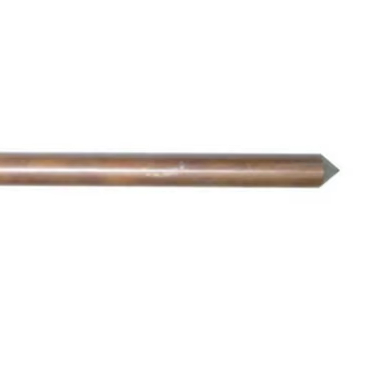
The current market landscape for corrosion-resistant ground rods includes a variety of product types, primarily centered around galvanized copper and copper-clad steel constructions. Listings frequently highlight products with specific threading options, such as M16x2100 or M20x2100 models, which are designed for secure mechanical connections in power and telecom projects. These threaded variants often feature pointed ends for easier driving into the ground and may include or exclude threads along the shaft depending on the connection method required by the local earthing system. The presence of customization options, including OEM and ODM services, indicates that many suppliers are equipped to tailor dimensions and thread specifications to unique project requirements.
Observed listing signals reveal a strong emphasis on manufacturing processes that enhance durability, such as four-dimensional continuous electroplating. This technique is often cited to ensure uniform copper thickness, with some listings specifying values like 254μS, which is critical for long-term corrosion resistance. Products are typically described with attributes like "corrosion resistant" and "stable conductivity," reflecting the core functional requirements of grounding applications. Additionally, the availability of different sizes, ranging from medium to large, and lengths such as 1.2, 1.5, 1.8, and 2.1 meters, allows buyers to select components that match the depth and resistance requirements of their specific grounding systems.
Technical Specifications to Verify
When evaluating technical specifications, buyers must prioritize the working voltage and the associated earthing method. Ground rods are categorized for use in low voltage or high voltage applications, and selecting the wrong category can lead to safety hazards or system failures. The earthing method, such as direct earthing, must align with the overall system design, whether it is a TT, IT, or TN system. Verification of the symbol and application scenario is essential, as rods intended for lightning protection may have different mechanical strength requirements compared to those used for general working earthing in industrial settings.
Material composition and physical dimensions are equally critical verification points. Buyers should confirm the base material, such as galvanized copper, and the thickness of the copper layer, as this directly impacts corrosion resistance and conductivity. The presence of threads and their specific standards, such as M12.5, M16, or M20, must be clearly defined to ensure compatibility with existing grounding hardware. Additionally, the weight of the product, which can vary significantly based on length and diameter, should be verified to calculate shipping costs and handle installation logistics. The connection type, whether threaded or otherwise, must be compatible with the clamps or connectors used in the project.
Compliance and Safety Documentation
Compliance with international and regional standards is non-negotiable for grounding products. Buyers must request documentation that confirms adherence to relevant industry grounding standards, which may include ISO certifications and specific product standards like CCC or ISOROHS. These certifications provide assurance that the manufacturing process meets quality and safety benchmarks. It is crucial to verify that the supplier can provide test reports or certificates of conformity that demonstrate the product's ability to meet general industry grounding standards, ensuring that the rods will perform reliably under fault conditions.
Safety documentation should also cover the product's performance in specific environmental conditions. Buyers should inquire about the product's resistance to corrosion and its ability to maintain stable conductivity over time. While specific test results may not always be publicly listed, suppliers should be able to provide data on how the product performs in terms of resistance to soil chemicals and moisture. Additionally, packaging standards, such as carton, pallet, or standard export packaging, should be reviewed to ensure that the products arrive at the site without damage, which could compromise their integrity and safety performance.
Cost Drivers and Commercial Terms
The cost of corrosion-resistant ground rods is influenced by several key factors, including the raw material prices of copper and steel, the complexity of the manufacturing process, and the level of customization required. Products with thicker copper plating or specialized threading may command higher prices due to the additional processing steps involved. Buyers should also consider the impact of volume on pricing, as larger orders often benefit from economies of scale. However, it is important to note that the lowest price may not always offer the best value if it compromises on material quality or certification standards.
Commercial terms such as minimum order quantity (MOQ), lead times, and payment terms play a significant role in the procurement process. Typical MOQs can range from small quantities for testing to larger volumes for full-scale projects. Lead times, often cited as 20-30 days, should be factored into project schedules to avoid delays. Buyers should also consider the logistics of transportation, whether by sea or air, and how this impacts the overall cost and delivery timeline. Clear communication regarding these terms helps in planning and budgeting for the project effectively.
Supplier Qualification and Quality Control
Selecting a qualified supplier is essential for ensuring the reliability of corrosion-resistant ground rods. Buyers should prioritize suppliers who have a proven track record in manufacturing grounding products and who offer customization services to meet specific project needs. The location of the supplier, such as Wenzhou in Zhejiang Province, China, is a common hub for such manufacturing, but buyers should verify the supplier's production capabilities and quality control processes. Requesting samples on demand is a practical step to evaluate the product's physical attributes, such as thread quality, plating uniformity, and overall build quality.
Quality control measures should be clearly defined and agreed upon before placing an order. Buyers should inquire about the supplier's inspection processes, including pre-shipment inspections and material testing. The use of advanced manufacturing techniques, such as four-dimensional continuous electroplating, should be verified to ensure consistent product quality. Additionally, suppliers should be able to provide documentation on their quality management systems, such as ISO certifications, to demonstrate their commitment to maintaining high standards. Establishing a strong relationship with a reliable supplier helps in mitigating risks and ensuring consistent supply.
Long-Term Procurement Checks
Long-term procurement success depends on regular monitoring of supplier performance and product quality. Buyers should establish key performance indicators (KPIs) to track delivery times, product consistency, and responsiveness to issues. Regular audits or site visits, if feasible, can provide insights into the supplier's manufacturing processes and quality control practices. Maintaining open communication with the supplier allows for timely resolution of any issues that may arise during the project lifecycle. This proactive approach helps in building a resilient supply chain that can adapt to changing project requirements.
Continuous evaluation of the product's performance in the field is also crucial. Buyers should monitor the condition of the installed ground rods and gather feedback from installation teams regarding ease of use and durability. This feedback can inform future procurement decisions and help in identifying any potential improvements in product design or material selection. By staying informed about industry trends and technological advancements, buyers can ensure that their grounding systems remain effective and compliant with evolving standards. This long-term perspective ensures that the investment in corrosion-resistant ground rods delivers sustained value and safety.
FAQs
What certifications do the ground rods have?
The ground rods hold CCC and ISO certifications to ensure compliance with safety standards. These certifications verify that the products meet specific industry requirements for earthing systems and lightning protection applications.
Can I request customization for these ground rods?
Yes, customization is available for these products to meet specific project needs. Buyers can request OEM or ODM services, allowing for tailored specifications while maintaining the core functionality of the grounding system.
What is the working voltage range for these rods?
These ground rods are designed for both low voltage and high voltage applications. They are suitable for use in high voltage transmission lines and various other electrical systems requiring reliable earthing solutions.
How are the ground rods packaged for shipping?
The products are packaged in cartons, pallets, or wooden crates depending on the order. This standard export packaging ensures the items remain secure during transport by sea or air to their final destination.
What is the lead time for delivery?
The typical delivery time ranges from 20 to 30 days after order confirmation. This lead time accounts for manufacturing and preparation, ensuring timely shipment of the corrosion-resistant grounding components.
Which materials are used to make these rods?
The rods are manufactured using galvanized copper to ensure durability and conductivity. This material choice provides excellent corrosion resistance and stable performance in various grounding and lightning protection scenarios.
Where are these products manufactured?
These ground rods originate from Wenzhou, Zhejiang Province, China. The manufacturing location is a known hub for electrical components, ensuring access to established supply chains and production capabilities.