Source R1 Pattern Agricultural Machinery Tyres for Tractors, Harvesters, Cultivators
Find 30 listings of R1 Pattern Agricultural Machinery Tyres designed for tractors, harvesters, and cultivators. Buyers can compare specifications like diameter, ply, and tread patterns from verified manufacturers in China.
Key considerations
Products List


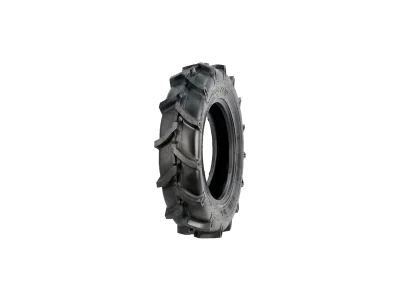


Radial Farm Tires, Tractor Radial Tires, R-1 Radial Tires, Agricultural Tires
$95.00 - $1000.00
MOQ: 20 Pieces


Agricultural Tire Farm Tire Tractor Tire Harvest Tire 14.9-26 14.9-28 R1 Pattern
$80.00 - $100.00
MOQ: 1 Pieces
Comprehensive Sourcing Guide
Strategic Sourcing Guide for R1 Pattern Agricultural Machinery Tyres
Understanding the R1 Pattern and Agricultural Utility
The R1 pattern is a foundational designation in the agricultural tyre sector, specifically engineered for general-purpose field work. This tread design features deep, widely spaced lugs that provide essential traction in soft, muddy, or loose soil conditions. When sourcing tyres for tractors, harvesters, and cultivators, the R1 classification indicates a product optimized for forward motion and torque application rather than high-speed highway travel. The observed product attributes confirm that these tyres are primarily classified under agricultural machinery usage, serving as the critical interface between heavy equipment and the ground.
Buyers must recognize that the R1 pattern is distinct from other agricultural tread types, such as R3 (turf) or R4 (industrial), which feature different lug geometries to prevent soil compaction or offer wear resistance on hard surfaces. The specific application context for R1 tyres includes primary tillage, planting, and harvesting operations where maximum grip is required to prevent wheel slip and ensure fuel efficiency. The supply data indicates that these tyres are available in various configurations, including diagonal tire designs and bias-belted constructions, which influence how the tread pattern interacts with the terrain. The diagonal construction typically offers a more flexible sidewall, beneficial for absorbing shocks in uneven fields, while the bias-belted variant may offer improved stability.
Technical Specifications and Dimensional Variability
When evaluating R1 pattern tyres, technical specifications are the primary determinant of compatibility with existing machinery. The supply data reveals a significant variance in product models, ranging from smaller dimensions like 600-14 and 7.50-16 to heavy-duty industrial sizes such as 16.9-28, 18.4-30, and 23.1L-26. This breadth of sizing necessitates precise verification of the rim diameter and section width before procurement. The observed diameter specifications fluctuate between 15-16 inches, 19-20 inches, and sizes exceeding 22 inches, indicating that a single supplier may offer a broad portfolio or that the market contains diverse product lines.
The ply rating is another critical technical attribute, with observed values of 10 and 12 plies. This metric directly correlates to the tyre's load-carrying capacity and resistance to punctures from stubble or rocks. A higher ply count generally suggests a heavier-duty application suitable for large tractors or harvesters operating under high load conditions. Furthermore, the tyre construction type varies between tube and tubeless configurations. While some models are explicitly listed as tube-type, others are designated as tubeless, requiring the buyer to verify the compatibility with their wheel rims and inflation systems. The material composition is consistently noted as rubber, specifically natural rubber in some contexts, which offers a balance of elasticity and durability essential for agricultural environments.
Compliance, Certification, and Regulatory Standards
Navigating the regulatory landscape is essential for international procurement, particularly when sourcing from manufacturers in China. The observed certification data includes a robust set of marks such as CCC (China Compulsory Certification), ISO (International Organization for Standardization), DOT (Department of Transportation), ECE (Economic Commission for Europe), and CE (Conformité Européenne). The presence of these certifications suggests that the products meet specific safety and quality benchmarks, though buyers must verify the specific version of the standard (e.g., ISO 9001) applicable to the specific batch.
The DOT certification, specifically noted as "Mk" in some records, indicates compliance with US Department of Transportation standards, which is a prerequisite for tyres intended for use in North America. Similarly, ECE certification is vital for markets within Europe, ensuring the tyres meet European safety and environmental regulations. The presence of GS (Geprüfte Sicherheit) further implies a focus on German safety standards, which are often held as a benchmark for quality. However, buyers should not assume that every listed product possesses all these certifications simultaneously. The verification process must involve requesting current, valid certificates for the specific model number and production batch to ensure that the tyres are legally compliant in the destination country.
Cost Drivers and Procurement Economics
The pricing structure for R1 pattern agricultural tyres is influenced by several variables, including size, ply rating, and the complexity of the mould. The observed price range in the market spans from $8 to $2,000, a wide spectrum that reflects the difference between small implement tyres and large, heavy-duty tractor tyres. The minimum order quantity (MOQ) also plays a significant role in unit economics, with observed ranges from 1 unit up to 900 units. Smaller MOQs allow for trial orders or the procurement of specific sizes for smaller fleets, while larger orders often unlock volume discounts.
Logistics costs are a major component of the total landed cost. The supply data indicates specific container loading capacities, such as 350 pieces per 40HC container for certain models and 400 pieces for others. This variability in container utilization depends heavily on the tyre's dimensions and packing method. Some models are listed with "Nude Packing" or "No Packing," which can reduce packaging costs but may increase the risk of damage during transit, requiring careful handling. Conversely, "Normal Packing" might offer better protection but add to the weight and volume. Buyers should calculate the cost per unit including freight, considering that larger tyres may require specialized shipping arrangements. Payment terms are typically structured as 30% T/T advance, which is a standard practice in the industry but requires financial planning on the buyer's part.
Supplier Evaluation and Manufacturing Capabilities
Selecting a reliable supplier involves more than just reviewing product listings; it requires assessing the manufacturing infrastructure and operational stability. The data points to specific manufacturing origins, such as Pingdu, Qingdao, China, and references to a "Taihao Tyre Factory." While specific supplier names should not be recommended, the existence of established factory locations in these regions suggests a concentration of industrial capability. Buyers should verify the factory's production capacity and its ability to handle custom orders, as customization is listed as an available attribute.
The acceptance of OEM (Original Equipment Manufacturer) services is a key indicator of a supplier's flexibility. Many agricultural machinery buyers require tyres branded with their own logo or specific to their equipment manufacturer's specifications. The fact that OEM is acceptable for the observed products suggests that the supply chain is capable of adapting to branding and design requirements. However, buyers must confirm the lead times associated with custom orders, as these often differ from standard stock availability. The ability to mix loads in a single container, as indicated by the "Mix Load Is Allowed" attribute, is a significant logistical advantage for buyers sourcing multiple sizes to equip a diverse fleet.
Quality Control and Long-Term Procurement Strategy
Ensuring the longevity and performance of R1 pattern tyres requires a rigorous quality control strategy. The observed attribute of "Good" wear resistance is a qualitative claim that must be substantiated through independent testing or verified through the supplier's quality assurance documentation. Buyers should request test results regarding tread depth retention, cut resistance, and heat buildup under load. The standard of "Natural Rubber" is noted, but the specific compound formulation can vary, affecting the tyre's performance in different soil types and temperatures.
Long-term procurement considerations include the consistency of supply and the availability of after-sales support. The variation in product models, such as the 15.5-38 and 13.6-38, indicates that buyers need a supplier capable of maintaining a broad inventory or a reliable production schedule to restock specific sizes. The speed rating of 10 km/h is typical for agricultural tyres, but buyers must ensure that the tyre's structural integrity can handle the operational demands of their specific machinery without premature failure. Establishing a relationship with a supplier who offers consistent quality, clear communication regarding certifications, and flexible payment terms will mitigate risks associated with equipment downtime.
Comparative Analysis of Key Product Attributes
To facilitate decision-making, the following table summarizes the key attributes observed in the market for R1 pattern agricultural tyres. This comparison highlights the diversity in specifications that buyers must navigate.
| Attribute Category | Observed Variations | Procurement Consideration |
|---|---|---|
| Tread Pattern | R1, Cross-Country | Verify suitability for specific soil conditions (mud vs. hard pack). |
| Diameter | 15-16", 19-20", ≥22" | Match precisely to wheel rim specifications to avoid fitment issues. |
| Construction | Diagonal, Bias Belted | Assess load requirements; bias-belted may offer better stability. |
| Ply Rating | 10, 12 | Higher ply counts support heavier loads and rougher terrain. |
| Certifications | CCC, ISO, DOT, ECE, CE, GS | Verify specific certifications required for the target export market. |
| Packing | Nude, Normal, No Packing | Evaluate shipping risks vs. cost savings; nude packing requires careful handling. |
| Container Load | 80-400 PCS (40HC) | Calculate optimal container utilization to minimize freight costs per unit. |
| Origin | Pingdu, Qingdao, China | Confirm factory location for logistics planning and potential site audits. |
Final Procurement Recommendations
Sourcing R1 Pattern Agricultural Machinery Tyres requires a methodical approach that balances technical compatibility, regulatory compliance, and economic efficiency. Buyers should prioritize verifying the specific model numbers against their machinery requirements, ensuring that the diameter, ply rating, and construction type align with operational needs. The wide range of certifications available in the market offers opportunities for compliance, but due diligence is required to confirm that the specific batch meets the necessary standards for the destination country.
By understanding the cost drivers, such as container loading efficiency and MOQ flexibility, buyers can optimize their procurement strategy to reduce total landed costs. Engaging with suppliers who demonstrate OEM capabilities and a commitment to quality control will ensure a steady supply of reliable tyres. Ultimately, the success of the procurement process depends on the buyer's ability to navigate the diverse product landscape, verifying that every claim regarding performance and certification is backed by tangible evidence before finalizing any purchase agreement.
FAQs
What certifications do R1 Pattern Agricultural Machinery Tyres have?
These tyres hold certifications including CCC, ISO, DOT, ECE, CE, and GS. Buyers must verify specific batch certificates for their target market, as not every listed product possesses all marks simultaneously.
Which diameters are available for R1 Pattern Agricultural Machinery Tyres?
Available diameters range from 15-16 inches up to sizes 19-20 inches and those 22 inches or larger. Precise verification of rim diameter is required to ensure compatibility with existing machinery.
Can I customize R1 Pattern Agricultural Machinery Tyres with my brand?
Yes, OEM customization is acceptable for these tyres. Buyers should confirm lead times for custom orders, as they often differ from standard stock availability and may require specific branding arrangements.
What is the minimum order quantity for R1 Pattern Agricultural Machinery Tyres?
The minimum order quantity ranges from 1 unit up to 900 units depending on the specific model. Smaller MOQs allow for trial orders, while larger orders often unlock volume discounts and better container utilization.
How are R1 Pattern Agricultural Machinery Tyres packed for shipping?
Packing options include normal packing, no packing, and nude packing. Nude packing reduces costs but increases transit risk, so buyers must evaluate handling requirements against potential savings.
What ply ratings are available for R1 Pattern Agricultural Machinery Tyres?
Observed ply ratings are 10 and 12 plies. Higher ply counts generally support heavier loads and rougher terrain, making them suitable for large tractors or harvesters operating under high load conditions.
Where are R1 Pattern Agricultural Machinery Tyres manufactured?
Products originate from Pingdu, Qingdao, China, with factories like Taihao Tyre Factory. Buyers should confirm factory locations for logistics planning and potential site audits to ensure supply stability.