Find Corrosion Resistant Horizontal Chemical Pump for Water, Slurry, and Condensate
Source 30 verified options for the Corrosion Resistant Horizontal Chemical Pump designed for water, slurry, and condensate applications. Buyers can compare specifications like head, flow, and motor power to select the ideal unit for industrial needs.
Key considerations
Products List


Horizontal Corrosion Resistant Chemical Pump with Mechanical Seal Technology
$300.00 - $2200.00
MOQ: 1 Pieces

Horizontal Centrifugal Pump Corrosion Resistant Chemical Pump for Chemical Industry
$666.00 - $9639.90
MOQ: 1 Pieces

Stainless Steel Corrosion Resistant Chemical Pump with Horizontal Design
$402.00 - $4999.30
MOQ: 1 Pieces

Single Stage Horizontal Corrosion Resistant Stainless Steel Chemical Pump
$100.00 - $1433.60
MOQ: 1 Pieces

Horizontal Centrifugal Corrosion Resistant Acid Transfer Plastic Chemical Pump
$300.00 - $1000.00
MOQ: 1 Pieces


High Quality Multistage Horizontal Centrifugal Chemical Water Pump with Competitive Price
$1274.24 - $48487.90
MOQ: 1 Pieces


Precision Clearance Control Durable Horizontal Chemical Centrifugal Pump
$800.00 - $50000.00
MOQ: 1 Pieces


High-Performance Stainless Steel Chemical Process Pump for Acid Resistance
$800.00 - $50000.00
MOQ: 1 Pieces

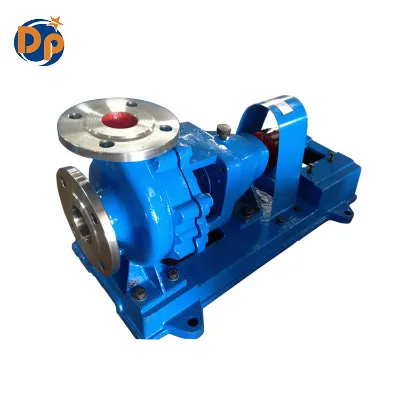


High Efficiency Chemical Transfer Pump for Corrosion Resistant Applications
$1500.00 - $50000.00
MOQ: 1 Sets

CE Certified Horizontal Chemical Pump for Corrosive Liquid Process Systems
$1500.00 - $50000.00
MOQ: 1 Sets

High Performance Corrosion Resistant Pump for Industrial Chemical Processes
$1500.00 - $50000.00
MOQ: 1 Sets

Horizontal Chemical Pump for Acid Alkali and Solvent Transfer Applications
$1500.00 - $50000.00
MOQ: 1 Sets

CE Certified Horizontal Chemical Pump for Industrial Process Fluid Handling
$1500.00 - $50000.00
MOQ: 1 Sets
Comprehensive Sourcing Guide
Strategic Sourcing Guide for Corrosion Resistant Horizontal Chemical Pumps
Understanding the Technical Architecture of Horizontal Chemical Pumps
When sourcing a corrosion-resistant horizontal chemical pump, the primary objective is to align the mechanical architecture with the specific chemical properties of the fluid being conveyed. The market offers a diverse array of configurations, but the horizontal centrifugal design remains the industry standard for applications requiring high flow rates and moderate to high heads. Based on observed product attributes, these units are frequently categorized by their mounting height, with specific models designed for suction centrifugal applications or those integrated into irrigation centrifugal systems. The horizontal orientation of the pump shaft is a critical design feature, facilitating easier maintenance and alignment compared to vertical alternatives.
The internal mechanics of these pumps vary significantly based on the impeller design. Buyers must distinguish between single-suction and double-suction configurations. Single-suction pumps are common in standard applications, while double-suction designs are often preferred for higher flow capacities and improved hydraulic balance. The impeller itself can be constructed as an open, semi-open, or closed type. Open impellers are typically utilized for fluids containing solids, whereas closed impellers offer higher efficiency for clean liquids. In the context of chemical processing, the impeller number is another vital specification; options range from single-stage pumps, which provide a straightforward pressure increase, to multistage pumps designed to achieve significantly higher heads, often exceeding 150 meters.
The driving mechanism is equally critical for chemical safety and efficiency. While motor-driven pumps are the most prevalent, magnetic drive systems are available and offer a distinct advantage for handling hazardous or volatile chemicals by eliminating the shaft seal, thereby preventing leaks. The power of the fitted motor typically ranges from 0.55 kW to 90 kW, allowing for scalability across various plant sizes. The operating speed is generally standardized at 2900 r/min or 1450 r/min, which influences the pump's head and flow characteristics. Understanding these technical variables is the first step in narrowing down the supplier pool to those capable of delivering a unit that matches the specific hydraulic requirements of the chemical process.
Material Selection and Corrosion Resistance Standards
The defining characteristic of a "corrosion-resistant" pump is the material composition of its wetted parts. For chemical applications, the medium being pumped dictates the necessary material grade. The observed data indicates that stainless steel is a primary material choice, offering robust resistance to a wide range of corrosive agents. However, cast iron is also cited as a standard material option, likely for applications involving less aggressive chemicals or where cost is a primary driver. The product standard explicitly mentions "Stainless Steel / Cast iron," suggesting that buyers must verify the specific alloy grade (e.g., 304, 316L) to ensure compatibility with the chemical's pH, temperature, and concentration.
The temperature of the conveyed medium is a limiting factor in material selection. Specifications indicate a maximum operating temperature of 80°C for certain models. Exceeding this threshold may require specialized alloys or cooling systems not present in standard configurations. Furthermore, the pump's ability to handle the medium is not limited to clean water; the data confirms suitability for liquids with physical and chemical properties, implying a need for materials that resist both chemical attack and physical abrasion. The color of the pump is noted as customizable, which is often a secondary aesthetic requirement but can be relevant for color-coding different chemical lines within a facility.
When evaluating material specifications, buyers should request detailed material certificates for all wetted components, including the casing, impeller, and shaft. The casing construction is often described as horizontal split, which allows for inspection and maintenance without disconnecting the piping. This design feature is particularly useful in chemical plants where downtime must be minimized. The combination of material choice and structural design ensures that the pump can withstand the harsh environment of chemical processing without premature failure due to corrosion or erosion.
Performance Metrics and Hydraulic Capabilities
Performance verification is essential to ensure the pump meets the operational demands of the chemical process. The flow capacity, or flow rate, is a critical metric, with observed ranges extending from 6.3 m³/H to over 400 L/min. This wide range accommodates everything from small laboratory applications to large-scale industrial processing. The head, or the pressure the pump can generate, varies significantly across different models. Some units are rated for heads between 5 and 125 meters, while others are capable of exceeding 150 meters. This distinction is vital for systems requiring high-pressure injection or long-distance piping.
The working pressure classification is listed as "High Pressure Pump" for certain models, indicating their suitability for demanding applications. The inlet diameter, a key specification for piping compatibility, ranges from 50 mm to 200 mm, with some models specifying a diameter range of 50 to 150 mm. Buyers must ensure that the pump's inlet and outlet flanges match the existing piping infrastructure to avoid costly modifications. The maximum head and capacity are interdependent; a pump designed for high head may have a lower maximum flow rate, and vice versa.
Sealing technology is another performance factor that directly impacts reliability and safety. The mechanical seal is the standard configuration observed, designed to prevent leakage of the chemical medium. In magnetic drive pumps, the seal is eliminated entirely, offering a leak-free solution. The choice between mechanical and magnetic drives depends on the volatility and toxicity of the chemical. For high-pressure applications, the integrity of the seal is paramount to prevent environmental contamination and safety hazards.
Compliance, Certification, and Quality Assurance Protocols
In the chemical industry, compliance with international standards is not merely a formality but a prerequisite for safe operation. While specific certification statuses like ISO9001 or ISO 15783 are mentioned in background contexts, buyers should treat these as benchmarks for verification rather than guaranteed attributes of every listed product. The procurement process must include a rigorous check for relevant certifications that validate the manufacturer's quality management systems and product safety.
The product origin is frequently listed as China, with specific mentions of Shanghai as a manufacturing hub. This geographical information is useful for logistics planning but does not inherently dictate quality. Buyers must rely on the manufacturer's ability to provide third-party test results and material certifications. The standard "Stainless Steel / Cast iron" mentioned in the product data serves as a baseline, but specific chemical compatibility tests should be requested to confirm that the selected material will not degrade under the specific process conditions.
Quality assurance protocols should extend beyond the factory floor to include pre-shipment inspections. The packing method, often specified as a plywood or wooden case, is designed to protect the pump during transit, but the internal protection mechanisms should also be verified. For critical chemical applications, buyers may require hydrostatic testing records or performance curve validation before finalizing the purchase. The absence of a specific supplier name in the data underscores the need for buyers to conduct their own due diligence on the manufacturer's track record and compliance history.
Cost Drivers and Procurement Economics
The cost of a corrosion-resistant horizontal chemical pump is influenced by a complex interplay of factors, including material grade, power rating, and design complexity. The observed price range in the market spans from 1 USD to 50,000 USD, reflecting the vast diversity of available units. At the lower end, simple cast iron models with standard motors may be available, while the upper end includes high-performance stainless steel units with magnetic drives and multistage configurations.
The power of the fitted motor is a significant cost driver, with options ranging from 0.55 kW to 90 kW. Higher power ratings generally correlate with increased material costs and more complex engineering. Additionally, the customization options available, such as specific impeller types or special material alloys, will add to the base price. The minimum order quantity (MOQ) observed is typically 1, allowing for flexible procurement for both small and large projects.
Lead times and shipping costs are also critical economic considerations. While specific lead times are not provided in the data, the complexity of the pump design and the availability of raw materials can impact delivery schedules. Buyers should factor in the total cost of ownership, including energy consumption, maintenance requirements, and the potential cost of downtime, rather than focusing solely on the initial purchase price. A higher initial investment in a corrosion-resistant pump with superior materials may result in significant savings over the long term by reducing replacement frequency and maintenance costs.
Supplier Evaluation and Long-Term Procurement Strategy
Selecting the right supplier is as important as selecting the right pump. Buyers should evaluate potential suppliers based on their technical expertise, manufacturing capabilities, and after-sales support. The availability of customization is a key indicator of a supplier's flexibility and ability to meet specific process requirements. Suppliers that offer a wide range of models, such as the IH, IY, IS, and GMI series, demonstrate a broad product portfolio and technical depth.
Long-term procurement considerations include the availability of spare parts and the supplier's ability to provide technical support. The pump's design, such as the horizontal split casing, should facilitate easy access to internal components for maintenance. Buyers should also consider the supplier's location, with Shanghai, China, being a notable manufacturing center, and evaluate the logistics implications of sourcing from this region.
To ensure a successful procurement journey, buyers should establish a clear specification sheet that details the required flow rate, head, material compatibility, and temperature limits. This document serves as the basis for all supplier interactions and ensures that the final product meets the operational needs of the chemical plant. By focusing on technical specifications, material quality, and supplier reliability, buyers can secure a corrosion-resistant horizontal chemical pump that delivers consistent performance and safety over its operational lifespan.
Comparative Analysis of Pump Configurations
To assist in the decision-making process, the following table summarizes the key differences between common pump configurations observed in the market. This comparison highlights the trade-offs between various design choices, helping buyers select the most appropriate unit for their specific application.
| Feature | Single-Stage Horizontal | Multistage Horizontal | Magnetic Drive | Mechanical Seal |
|---|---|---|---|---|
| Typical Head Range | 5–125 m | >150 m | Variable | Variable |
| Impeller Type | Open, Semi-Open, Closed | Closed | Closed | Closed |
| Sealing Mechanism | Mechanical Seal | Mechanical Seal | Magnetic Coupling | Mechanical Seal |
| Best For | General Chemical Transfer | High-Pressure Injection | Hazardous/Volatile Liquids | Standard Chemicals |
| Maintenance | Moderate | Higher Complexity | Low (No Seal) | Moderate |
| Flow Capacity | 6.3–400 m³/H | 6.3–400 m³/H | Variable | Variable |
This comparative analysis underscores the importance of matching the pump configuration to the specific process requirements. While single-stage pumps are suitable for general applications, multistage units are necessary for high-pressure needs. The choice between magnetic drive and mechanical seal depends heavily on the safety and environmental risks associated with the chemical being pumped. By carefully evaluating these factors, buyers can make informed decisions that optimize performance and minimize risk.
FAQs
What is the maximum head capacity for these pumps?
The maximum head capacity reaches up to 150 meters or exceeds 150 meters depending on the specific model selected. Some units are rated for heads between 5 and 125 meters, while others achieve higher pressure requirements for demanding industrial applications.
Which impeller types are available for these pumps?
Available impeller types include open, semi-open, and closed designs to suit different fluid conditions. Single-suction and double-suction configurations are also offered, with options for single-stage or multistage arrangements to optimize performance for specific chemical processes.
Can these pumps handle liquids with physical and chemical properties?
Yes, these pumps are designed to convey clean water or liquids with physical and chemical properties. They are suitable for temperatures up to 80 degrees Celsius, ensuring safe operation when handling various corrosive agents in industrial settings.
What is the power range of the fitted motors?
The fitted motor power ranges from 0.55 kW to 90 kW to accommodate various plant sizes. This scalability allows buyers to select a unit that matches their specific flow and head requirements without unnecessary energy consumption or cost.
How is the pump casing constructed for maintenance?
The pump casing is constructed as a horizontal split design to facilitate easy inspection and maintenance. This structural feature allows internal components to be accessed without disconnecting the piping, significantly reducing downtime during service operations in chemical plants.
What sealing technology is used in these pumps?
Mechanical seals are the standard configuration, though magnetic drive systems are available to eliminate shaft seals entirely. This magnetic option prevents leaks for hazardous or volatile chemicals, offering a distinct safety advantage over traditional mechanical seal designs.
Which materials are used for the pump wetted parts?
Primary materials include stainless steel and cast iron, selected based on the corrosive nature of the fluid. Buyers must verify specific alloy grades to ensure compatibility with the chemical's pH and concentration while meeting the required temperature limits.