Source Corrosion Resistant PPR Pipe Clip for Plumbing, HVAC, and Irrigation
Find and compare 30 Corrosion Resistant PPR Pipe Clip options from verified Chinese manufacturers. Evaluate specifications including PP-R material, injection molding techniques, and CE certification to select the right fittings for your industrial or residential projects.
Key considerations
Products List


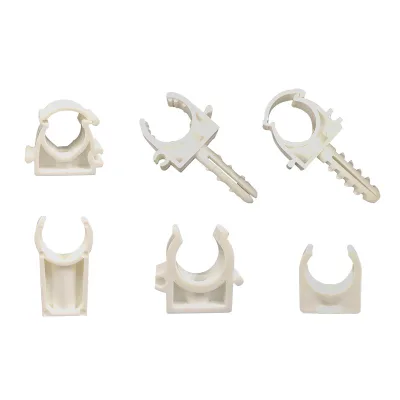


Pn20-110mm Top Quality Hot and Cold Water Health PPR Pipes Tubes Fittings
$0.03 - $0.06
MOQ: 100 Pieces
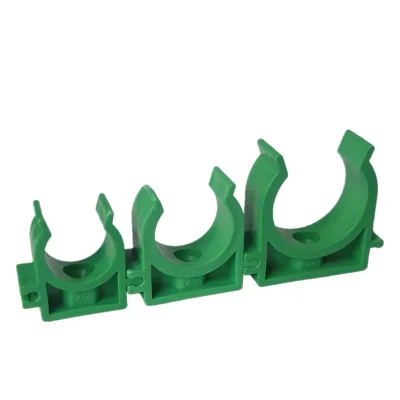


Comprehensive Sourcing Guide
Corrosion Resistant PPR Pipe Clip Sourcing Guide
Sourcing corrosion-resistant PPR pipe clips requires a nuanced understanding of material science, manufacturing standards, and supply chain logistics. Polypropylene random copolymer (PP-R) is widely recognized for its inherent chemical stability, making it an ideal material for plumbing systems that transport potable water, heating fluids, and industrial chemicals. Unlike metal fasteners that are susceptible to galvanic corrosion or rust, PPR clips maintain structural integrity over decades of exposure to moisture and varying pH levels. However, the term "corrosion resistant" in the context of plastic fittings often refers to the material’s resistance to chemical degradation rather than electrochemical corrosion. Buyers must distinguish between the base polymer properties and any surface treatments or additives that may enhance UV resistance or mechanical durability.
The procurement landscape for these components is fragmented, with manufacturers spread across major industrial hubs in China, particularly in Zhejiang and Guangdong provinces. Listings indicate a wide variance in product specifications, from basic grey clips to color-coded variants designed for specific identification purposes. The observed market signals suggest that while the core function remains consistent—securing pipes to walls or structures—there is significant variation in customization options, packaging, and certification levels. Procurement teams must navigate this diversity by establishing clear technical requirements before engaging with suppliers, ensuring that the selected clips meet both the mechanical load-bearing needs of the installation and the regulatory compliance standards of the target market.
Product Scope and Observed Listing Signals
The current market offers a diverse array of PPR pipe clips, ranging from standard round-head designs to reducing fittings and specialized models like the B28 and An17 series. Observed listings highlight a broad spectrum of colors, including grey, white, blue, green, brown, and orange, which often serve as visual indicators for pipe diameter or system type in complex installations. The material composition is predominantly PP-R, though some entries list generic "Plastic," necessitating careful verification to ensure the specified polymer grade meets the required temperature and pressure ratings. The size range extends from small diameters like 16mm up to larger industrial sizes of 160mm, covering residential, commercial, and heavy-duty industrial applications.
Packaging and origin data reveal distinct operational profiles among suppliers. Products are typically packed in plastic bags inside customized cartons or standard cartons, with origins cited in Huangyan, Taizhou, Ningbo, and Guangdong. These geographic clusters indicate specialized manufacturing ecosystems, with Taizhou being a known hub for plastic molding and hardware. The presence of brands like Sam-UK and various model numbers such as MDGK101-106 and MDCL001-010 suggests that some suppliers offer private labeling or OEM services. Buyers should note that while many products claim customization availability, the extent of this customization—whether it involves color, logo, or structural design—varies significantly and must be explicitly defined in the purchase order.
Technical Specifications to Verify
Verifying the technical specifications of PPR pipe clips is critical to ensuring long-term system reliability. The working temperature range is a primary technical parameter, with PPR materials typically rated for temperatures between -20°C and 95°C, while PVC components may have a narrower range of -15°C to 60°C. Buyers must confirm that the selected clips can withstand the maximum operating temperature of the fluid being transported, especially in hot water or heating systems. Additionally, the manufacturing technique, often injection molding for plastic clips, influences the dimensional accuracy and surface finish. Forged techniques are occasionally listed, which may apply to metal inserts or specific high-strength variants, requiring clarification to avoid material mismatch.
Dimensional compatibility and connection types are equally vital. The size range of 1/2" to 4" and 16mm to 160mm covers most standard plumbing needs, but buyers must verify the exact inner diameter and clamping force of the clip to prevent pipe slippage or deformation. The shape of the clip, whether round or reducing, affects how it interfaces with the pipe and the mounting surface. Furthermore, the lifespan of underground or buried installations is often cited as 50 years, but this claim depends heavily on soil chemistry and mechanical stress. Procurement teams should request detailed dimensional drawings and material data sheets to verify that the clip’s mechanical properties align with the specific load requirements of the installation environment.
Compliance and Safety Documentation
Compliance with international and regional standards is non-negotiable for plumbing components, particularly those used in potable water systems. The observed listings mention a variety of certifications, including CE, ISO 9001, SGS, DVGW, and WRAS. While CE marking indicates conformity with health, safety, and environmental protection standards for products sold within the European Economic Area, it does not automatically guarantee compliance with specific drinking water regulations. Buyers must verify which specific directives or standards the certification covers, such as EN 12201 for plastic piping systems or local health agency approvals for contact with drinking water. The presence of multiple certifications like ISO, DVGW, and WRAS suggests a higher level of quality assurance, but documentation must be reviewed to ensure validity and relevance to the project location.
Safety documentation also extends to material safety and environmental impact. Certifications such as RoHS and SGS indicate restrictions on hazardous substances and general quality management, respectively. For projects in regions with strict environmental regulations, buyers should inquire about the recyclability of the PP-R material and the absence of heavy metals or stabilizers that could leach into the water supply. The claim of "Anti Corrosion" and "Good Elasticity" in product attributes should be backed by test reports or material safety data sheets (MSDS). Procurement teams should ensure that all supplied documentation is current, issued by accredited bodies, and directly applicable to the specific product model being purchased, rather than generic certificates for the manufacturer’s entire product line.
Cost Drivers and Commercial Terms
The cost of PPR pipe clips is influenced by several factors, including raw material prices, customization requirements, and order volume. The observed price range of $0.01 to $150 USD reflects the vast difference between a single small clip and bulk orders of specialized or large-diameter fittings. Minimum Order Quantities (MOQs) vary widely, from 1 unit for samples to 5,000 units for bulk production, allowing buyers to scale their orders based on project size. Customization, such as specific colors, logos, or packaging, typically incurs additional setup fees and may increase the unit price. Buyers should negotiate clearly on whether these costs are included in the quoted price or billed separately to avoid hidden expenses.
Commercial terms also include delivery times and payment conditions. A standard delivery time of 30 days is common, but this can be extended during peak seasons or for customized orders. Buyers should clarify the lead time for sample approval and mass production, as delays in one phase can impact the entire project schedule. Payment terms often range from small deposits for sample orders to more structured arrangements for bulk purchases. It is advisable to use secure payment methods and to define clear penalties for late delivery or non-conforming goods. Additionally, buyers should consider the total landed cost, including shipping, insurance, and import duties, which can significantly affect the final price, especially when sourcing from distant manufacturing hubs like Zhejiang or Guangdong.
Supplier Qualification and Quality Control
Qualifying suppliers for PPR pipe clips requires a thorough assessment of their manufacturing capabilities and quality control processes. Suppliers located in industrial clusters like Taizhou and Ningbo often benefit from established supply chains for raw materials and molding equipment. Buyers should verify the supplier’s production capacity, equipment age, and quality management systems. The presence of ISO 9001 certification is a baseline indicator, but on-site audits or third-party inspections provide deeper insights into actual manufacturing practices. Questions should be directed toward how the supplier handles material batch consistency, mold maintenance, and final product inspection.
Quality control measures should include incoming material checks, in-process monitoring, and final random sampling. Buyers should request information on the supplier’s defect rate and their process for handling non-conforming products. For customized orders, the approval of pre-production samples is a critical step to ensure that color, dimensions, and functionality meet specifications. Suppliers offering free samples, as noted in some listings, provide an opportunity to physically evaluate the product’s quality before committing to a large order. Buyers should also assess the supplier’s responsiveness and communication skills, as these factors are crucial for resolving issues that may arise during production or shipping.
Long-Term Procurement Checks
Long-term procurement success depends on establishing robust relationships with suppliers who can consistently deliver high-quality products. Regular performance reviews should track metrics such as on-time delivery, product quality, and responsiveness to issues. Buyers should monitor changes in raw material prices and market conditions that may affect supply stability. Maintaining a diversified supplier base can mitigate risks associated with single-source dependencies, especially for critical components like pipe clips. It is also important to stay updated on evolving industry standards and regulations, ensuring that future orders remain compliant with new requirements.
Continuous improvement in the procurement process involves gathering feedback from installation teams and end-users regarding the performance of the clips in real-world conditions. Issues such as brittleness, discoloration, or failure under stress should be reported to suppliers for corrective action. Building a history of successful transactions and open communication fosters trust and can lead to better pricing and priority service. Buyers should also consider the supplier’s ability to innovate and offer new products that may improve installation efficiency or system performance. By focusing on long-term partnership rather than transactional buying, organizations can secure a reliable supply of corrosion-resistant PPR pipe clips that support the integrity of their plumbing infrastructure for decades.
FAQs
What certifications do corrosion resistant ppr pipe clips have?
These clips typically hold CE, ISO, Dvgw, and Wras certifications. Some products also meet SGS standards and various international codes like ANSI, DIN, and JIS to ensure compliance with global safety and quality requirements for plumbing applications.
Which materials are used for corrosion resistant ppr pipe clips?
The clips are primarily manufactured from PP-R or general plastic materials. These materials provide the necessary durability and resistance to corrosion, ensuring long-term performance in various plumbing environments without degrading over time.
Can I get free samples of corrosion resistant ppr pipe clips?
Yes, free samples are available for potential buyers to evaluate product quality. This allows customers to verify specifications and material integrity before committing to a larger order or establishing a long-term supply relationship with the manufacturer.
What is the delivery time for corrosion resistant ppr pipe clips?
The standard delivery time is approximately 30 days after order confirmation. This timeline accounts for production scheduling and logistics, ensuring that customized orders are completed and shipped efficiently to meet buyer project deadlines.
How are corrosion resistant ppr pipe clips packaged for shipping?
Products are packed with a plastic bag inside and a customized carton outside. Some items may also be shipped in standard cartons, ensuring protection during transit while allowing for flexible packaging solutions based on specific buyer requirements.
What sizes are available for corrosion resistant ppr pipe clips?
Available sizes range from 16mm to 160mm, covering various pipe diameters. Specific models also support sizes from 1/2 inch to 4 inches, providing versatile options for different plumbing system configurations and installation needs.
Which colors are available for corrosion resistant ppr pipe clips?
Clips come in multiple colors including grey, white, blue, green, brown, orange, and yellow. Buyers can often select from all available colors or specific combinations to match aesthetic requirements or color-coding standards for their projects.
Can suppliers offer customization for corrosion resistant ppr pipe clips?
Customization is available with support for OEM, ODM, and OBM services. Manufacturers can adapt product specifications, packaging, and branding to meet unique buyer needs, ensuring the final product aligns perfectly with specific project or market requirements.