Source Corrosion Resistant Polypropylene Float Switch for Water Treatment, Chemical Tanks, and Irrigation Systems
Explore 30 listings of Corrosion Resistant Polypropylene Float Switch options designed for industrial fluid control. Buyers can compare specifications like IP ratings, voltage, and mounting styles from verified Chinese manufacturers offering custom packaging and ISO certifications.
Key considerations
Products List


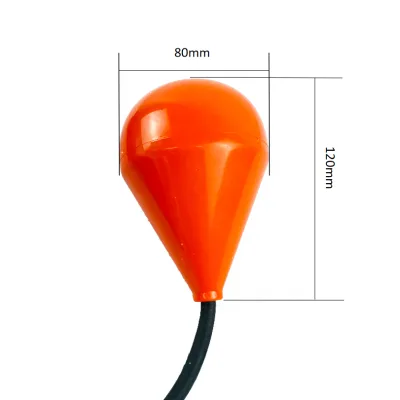
Anti Corrosion Type Float Level Switch for Chemical Resistant Application
$199.00 - $530.00
MOQ: 1 Pieces




Comprehensive Sourcing Guide
Strategic Sourcing Guide for Corrosion Resistant Polypropylene Float Switches
Technical Specifications and Material Verification
When sourcing a corrosion-resistant polypropylene float switch, the primary objective is to identify components that maintain structural integrity in aggressive chemical environments while delivering reliable switching performance. The core material selection, polypropylene, offers inherent resistance to a wide spectrum of acids, alkalis, and solvents, making it superior to metals in many industrial fluid applications. However, the supplied product data indicates a diverse range of shell materials, including steel plate and plastic, which necessitates rigorous verification to ensure the specific unit matches the "polypropylene" requirement. Buyers must explicitly confirm that the shell material is polypropylene and not merely a generic "plastic" or "steel plate," as the latter would fail in highly corrosive settings.
The operational voltage and current requirements are critical for integration into existing control systems. Observed data points to a working current of 24 VDC, which is a standard low-voltage signal for industrial automation. This low-voltage operation reduces energy consumption and enhances safety in hazardous environments. Furthermore, the output signal type is frequently listed as "Switching Type," often utilizing PNP (Three-Wires) configurations. This specific wiring architecture must be cross-referenced with the buyer's programmable logic controller (PLC) or relay inputs to prevent compatibility issues. The working temperature range is another vital specification; the available data suggests a range of -10°C to 100°C for some units, while others indicate a process temperature of -20°C to 80°C. Buyers should verify the specific temperature rating of the polypropylene variant, as the material properties can degrade if the fluid temperature exceeds the polymer's thermal limits.
The physical structure and mounting configuration also play a significant role in performance. The data highlights "Thread-in" and "Side-Mounted" assembly positions, alongside "All in One" structural designs. For polypropylene units, the thread-in method is often preferred for direct tank penetration, while side-mounted configurations are suitable for external mounting. The accuracy of the level detection is another key metric, with observed values ranging from ±3mm to ±8mm. In high-precision applications, such as chemical dosing or fuel management, the ±3mm accuracy is preferable. The range of operation, noted as >0-30m in some contexts, indicates the potential for long-distance sensing, though the specific float mechanism must be validated for the intended tank depth.
Compliance and Certification Standards
Navigating the certification landscape is essential for ensuring that the purchased float switches meet international safety and quality benchmarks. The supplied product information lists several certifications, including ISO9001, ISO, SGS, RoHS, CE, and UL. While these are listed as available attributes, buyers must treat them as observations rather than guarantees for every listed item. A compliant polypropylene float switch should ideally carry CE marking for European market access, indicating conformity with health, safety, and environmental protection standards. The RoHS certification is particularly relevant for electronic components, ensuring the device is free from specific hazardous substances, which is crucial for environmental compliance in many jurisdictions.
The ISO9001 certification, noted as a "Form:All- packaged Type" in the data, suggests that the manufacturing process adheres to quality management system standards. This is a strong indicator of consistent production quality, but it does not automatically certify the specific product's material composition. Buyers should request valid, current certificates from the supplier to verify that the specific batch of polypropylene switches has been manufactured under these quality protocols. Additionally, the presence of SGS and UL certifications adds a layer of third-party validation. UL certification, in particular, is often required for equipment used in North American industrial facilities to ensure electrical safety and fire resistance.
It is important to distinguish between product certifications and process standards. The data mentions "ISO, SGS" as product standards, while "Standard" is also listed as a general attribute. Buyers should verify that the polypropylene material itself meets specific chemical resistance standards, such as those defined by ASTM or ISO for plastics. The "Protection" structure mentioned in the data likely refers to the ingress protection rating, though the specific IP rating is listed variably as "IPSize:1 Uint" or "IPMaterial:Plastic." Buyers must insist on a clear IP rating (e.g., IP65, IP67) to ensure the switch is adequately sealed against dust and water ingress, which is critical for float switches operating in wet or submerged environments.
Cost Drivers and Pricing Dynamics
The pricing for corrosion-resistant polypropylene float switches is influenced by a complex interplay of factors, including material costs, customization levels, and certification requirements. The observed price range in the market spans from $0.50 to $530 USD, a variance that reflects the diversity of product types, from simple mechanical switches to complex electronic assemblies with high accuracy and specialized certifications. The lower end of this spectrum likely corresponds to basic, non-customized units with standard certifications, while the higher end encompasses models with advanced features, such as high-precision accuracy (±3mm), specific mounting configurations, or full compliance with multiple international standards like CE, UL, and RoHS.
Customization is a significant cost driver. The data confirms that customization is "Available" and "Customized" options exist. Customizing the length, which is listed as "5m: Length:10m" or "Customized," or altering the mounting position and wiring configuration will increase the unit cost. Buyers seeking a standard, off-the-shelf polypropylene switch will benefit from economies of scale, whereas those requiring specific lengths, unique thread sizes, or tailored output signals will incur higher per-unit costs. The Minimum Order Quantity (MOQ) also impacts the effective cost. The observed MOQ range is 0 to 1000 units. A zero MOQ allows for small trial orders, which is useful for prototyping but may result in higher per-unit pricing due to the lack of bulk production efficiencies. Conversely, an MOQ of 1000 units typically unlocks lower unit prices but requires a larger capital outlay and inventory management.
Packaging and logistics represent another layer of cost. The data lists various packing methods, including "Wooden Case," "Neutral Safe Packing," "Export Packing," and "Cartons." Wooden cases are more expensive and are typically reserved for high-value or fragile shipments, while cartons are cost-effective for standard units. The origin of the product is listed as "China," which often correlates with competitive pricing due to manufacturing scale, but buyers must factor in shipping costs, import duties, and potential lead time variations. The warranty period, observed as "1 Year," is a standard offering that can influence the total cost of ownership; a longer warranty might justify a slightly higher initial purchase price by reducing long-term replacement risks.
Typical Applications and Operational Environments
Corrosion-resistant polypropylene float switches are engineered for environments where metal components would rapidly degrade. The primary application range identified in the data includes "Power Plants," but the material properties suggest a much broader utility in chemical processing, water treatment, and wastewater management. In power plants, these switches are often used in cooling water systems, fuel storage tanks, and chemical dosing lines where the presence of acids, alkalis, or saline water necessitates non-metallic construction. The "Corrosion Resistant" feature is a defining characteristic, making these switches ideal for handling aggressive fluids that would cause rust or pitting in steel or aluminum alternatives.
The specific application also depends on the mounting and structural design. "Side-Mounted" and "Thread-in" configurations allow for installation in a variety of tank geometries. For instance, thread-in switches are commonly used in small to medium-sized tanks where space is limited, while side-mounted units are preferred for large storage vessels where external mounting is required to avoid internal obstructions. The "Float" attribute is central to the operation, with the data noting both "Float" and "No Float" options, suggesting that some models may be non-contact or utilize different sensing principles. However, for a "float switch," the presence of a polypropylene float is essential to ensure buoyancy and chemical resistance.
The working temperature range of -10°C to 100°C (or -20°C to 80°C) defines the operational envelope. This makes the switches suitable for both ambient temperature applications and those involving heated fluids, such as hot water systems or chemical reactors. The accuracy of ±3mm to ±8mm is particularly relevant in applications requiring precise level control, such as in pharmaceutical manufacturing or high-purity water systems. In these scenarios, the switch must trigger at exact levels to prevent overflow or dry-running conditions. The "Level Switch" classification confirms their primary function, but the "Magnetic Sensors" principle mentioned in the data suggests that some models may utilize magnetic reed switches or Hall effect sensors, which offer high reliability and long service life in corrosive environments.
Supplier Evaluation and Quality Assurance
Evaluating a supplier for polypropylene float switches requires a multi-faceted approach that goes beyond simple price comparison. Buyers should prioritize suppliers who can provide transparent documentation regarding their manufacturing processes and quality control measures. The presence of ISO9001 certification is a baseline requirement, indicating a commitment to quality management. However, buyers must verify that the supplier's quality control extends to the specific material properties of the polypropylene used. This includes verifying the density, tensile strength, and chemical resistance of the raw materials to ensure they meet the intended application requirements.
The "Customization" capability of the supplier is another critical evaluation point. A capable supplier should be able to accommodate requests for custom lengths, specific thread sizes, and tailored wiring configurations without compromising the integrity of the product. The data indicates that "Customization" is available, but the extent of this capability varies. Buyers should inquire about the supplier's ability to produce small batches of customized units and their lead times for such orders. Additionally, the "Warranty" of 1 Year is a standard offering, but buyers should assess the supplier's track record for honoring warranty claims and providing technical support.
Quality assurance should also encompass testing protocols. While specific test results are not provided in the data, buyers should request information on the supplier's testing procedures for electrical continuity, insulation resistance, and pressure testing. The "Measurement Accuracy" of ±3mm to ±8mm should be verified through independent testing or third-party certification. Furthermore, the "Process Temperature" range of -20°C to 80°C should be validated to ensure the switch can withstand the thermal cycling of the intended application. The "Output Signal Type" of "Switching Type" and "PNP (Three-Wires)" should be confirmed through functional testing to ensure compatibility with the buyer's control systems.
Long-Term Procurement and Maintenance Considerations
Sourcing polypropylene float switches is not merely a transactional activity but a strategic decision that impacts long-term operational efficiency. The "Warranty" of 1 Year provides a baseline for product reliability, but buyers should consider the total cost of ownership, including maintenance, replacement, and downtime costs. The "Corrosion Resistant" nature of the material significantly reduces the frequency of replacements compared to metal alternatives, leading to lower long-term costs. However, the "Float" mechanism and internal sensors may still require periodic inspection to ensure they are not affected by fouling or mechanical wear.
The "Packing" method, ranging from "Wooden Case" to "Cartons," influences the storage and handling of the units. Proper packaging is essential to prevent damage during transit and storage, which can affect the longevity of the product. Buyers should ensure that the supplier uses packaging that protects the switches from environmental factors such as humidity and dust. The "Lead Time" is another critical factor, as delays in procurement can disrupt production schedules. While specific lead times are not provided in the data, buyers should establish clear expectations with the supplier regarding delivery schedules, especially for customized orders.
Finally, the "Standard" and "Certification" compliance of the product ensures that the switches remain usable in various markets and regulatory environments. As regulations evolve, having a supplier who can provide updated certifications and compliant products is essential. The "Origin" of "China" suggests a robust manufacturing base, but buyers should be aware of potential supply chain disruptions and diversify their supplier base if necessary. By focusing on these long-term considerations, buyers can ensure a reliable supply of high-quality polypropylene float switches that meet their operational needs for years to come.
Comparative Analysis of Product Attributes
To facilitate a clearer understanding of the available options, the following table summarizes the key attributes observed in the product data. This comparison highlights the variability in specifications and helps buyers identify the most suitable options for their specific needs.
| Attribute | Observed Range/Options | Relevance to Procurement |
|---|---|---|
| Shell Material | Steel Plate, Plastic, Polypropylene (implied) | Critical for corrosion resistance; must verify polypropylene. |
| Working Voltage | 24 VDC | Standard low voltage; ensures safety and compatibility. |
| Output Signal | Switching Type, PNP (Three-Wires) | Must match PLC/Controller input requirements. |
| Accuracy | ±3mm to ±8mm | Higher accuracy required for precise level control. |
| Temperature Range | -10°C to 100°C, -20°C to 80°C | Must match fluid and ambient temperature conditions. |
| Mounting | Thread-in, Side-Mounted | Determines installation method and tank compatibility. |
| Certifications | ISO, CE, UL, RoHS, SGS | Essential for regulatory compliance and safety. |
| Customization | Available (Length, Mounting, Wiring) | Increases cost but allows for tailored solutions. |
| Warranty | 1 Year | Standard coverage; check for extended options. |
| Origin | China | Influences pricing and logistics. |
This table serves as a reference point for buyers to systematically evaluate potential suppliers and products. By cross-referencing these attributes with specific application requirements, buyers can make informed decisions that balance performance, cost, and reliability. The diversity of options underscores the importance of detailed specification review before placing an order.
FAQs
What certifications do corrosion resistant polypropylene float switches have?
Many units carry ISO, CE, RoHS, and UL certifications for safety and quality. Buyers must verify specific certificates for each batch since not all listed products automatically include every standard. Some models also meet ISO9001 quality management requirements for consistent production.
How is the working temperature range defined for these switches?
The operating temperature typically spans from -10°C to 100°C or -20°C to 80°C depending on the specific model. This range ensures reliability in various industrial environments, but users must confirm the exact rating for their fluid conditions to prevent material degradation.
Which mounting configurations are available for these level switches?
Available assembly positions include thread-in and side-mounted options to suit different tank geometries. The structure is often designed as all-in-one units, allowing flexible installation in power plants or chemical processing facilities where space constraints vary significantly.
Can buyers request customized lengths and wiring for these switches?
Yes, customization is available for length, wiring, and other specifications to meet unique project needs. Buyers should note that custom orders may affect the minimum order quantity and lead time, so early planning is essential for integration into existing control systems.
What is the typical accuracy range for these polypropylene switches?
Measurement accuracy varies between ±3mm and ±8mm depending on the specific model and application. High-precision units with ±3mm accuracy are suitable for critical dosing applications, while standard models offer ±8mm accuracy for general level monitoring in tanks.
How are these switches packaged for export from China?
Packaging options include wooden cases, neutral safe packing, export packing, and cartons based on order requirements. The choice of packaging affects shipping costs and protection levels, with wooden cases often used for fragile or high-value shipments during international transport.
What is the warranty period for these corrosion resistant switches?
The standard warranty period offered is typically one year for the purchased units. This warranty covers manufacturing defects but does not guarantee performance under all conditions, so buyers should review specific terms regarding operational limits and maintenance requirements.