Source Corrosion Resistant Precision Dosing Pump for Chemical, Water, and Fuel
Find and compare 30 Corrosion Resistant Precision Dosing Pump options from verified Chinese manufacturers. Evaluate key specifications such as flow rates up to 2040L/H, pressure ranges, and material grades like SS316 and Aluminum Alloy to select the right industrial solution for your application.
Key considerations
Products List


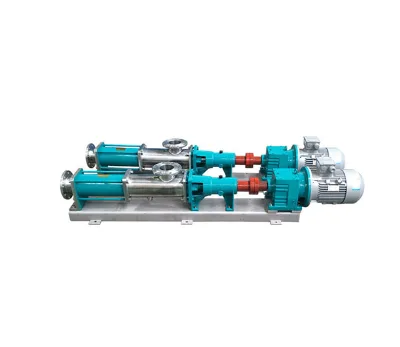
High Accuracy Digital Metering Dosing Pump with Direct Connection Design
$84.00 - $4300.00
MOQ: 1 units




Comprehensive Sourcing Guide
Corrosion Resistant Precision Dosing Pump Sourcing Guide
Selecting the right corrosion-resistant precision dosing pump requires a careful balance of chemical compatibility, flow accuracy, and mechanical durability. These pumps are critical components in industrial processes where precise chemical addition directly impacts product quality, safety, and operational efficiency. Buyers must navigate a complex landscape of material options, drive technologies, and control systems to ensure the selected unit can withstand aggressive media while maintaining metering accuracy over time. This guide provides a structured approach to evaluating suppliers and specifications, ensuring that procurement decisions are grounded in verified technical data and commercial reality.
The sourcing process begins with a clear definition of the process requirements, including the specific chemicals to be handled, required flow rates, and discharge pressures. Precision dosing pumps, often referred to as metering pumps, are designed to deliver small quantities of fluid with high repeatability. The "corrosion-resistant" attribute implies that wetted parts must be constructed from materials capable of resisting chemical degradation, such as stainless steel grades or specialized alloys. Understanding the interplay between fluid properties and pump materials is the first step in preventing premature failure and ensuring long-term reliability in demanding industrial environments.
Product Scope and Observed Listing Signals
The market for precision dosing pumps features a wide variety of models, each tailored to specific flow and pressure requirements. Observed listings indicate a broad range of capabilities, with flow rates spanning from low-volume applications of 5–60 L/H to higher-capacity units reaching up to 2040 L/H. Pressure ranges also vary significantly, with some models designed for moderate pressures of 0.5–1.0 MPa, while others are engineered for high-pressure applications up to 18 MPa. Buyers should use these observed ranges as a starting point for filtering suppliers, ensuring that the candidate pumps can meet the specific hydraulic demands of their process lines.
Material selection is a critical differentiator in this product category. Listings frequently highlight the use of Aluminum Alloy for structural components and SS304 or SS316 pump heads for wetted parts. The availability of SS316L and optional Hastelloy motor casings suggests that suppliers offer solutions for highly corrosive environments. Additionally, the presence of IP55 motor protection grades indicates a focus on durability against dust and water ingress, which is essential for outdoor or washdown-heavy industrial settings. Buyers must verify that the specific material grades listed align with the chemical compatibility requirements of their intended application.
Technical Specifications to Verify
Flow accuracy and adjustment range are paramount for precision dosing applications. Key specifications to verify include the adjustment range, which may extend from 30% to 100% of maximum capacity, and steady-state accuracy, which can be as tight as ±1%. These metrics determine how well the pump can maintain consistent dosing rates under varying load conditions. Buyers should also examine the speed options, such as 1450rpm or 2900rpm, as these influence the pump's response time and suitability for dynamic process changes. Verifying these parameters against process control requirements ensures that the dosing system can maintain the necessary chemical balance without manual intervention.
Structural and operational specifications further define the pump's suitability for specific tasks. The suction range, which can reach up to 1.5m water column, is a critical factor for installations where the pump must lift fluid from a source below its level. Ambient temperature limits, such as a maximum of +40℃, define the environmental boundaries for safe operation. Furthermore, the distinction between screw pump structures and other mechanisms affects the flow profile and pressure stability. Buyers must confirm that the pump's head range, which may span from 10 to 180m, matches the system's total dynamic head to avoid cavitation or insufficient discharge pressure.
Compliance and Safety Documentation
Certification and standard compliance are non-negotiable for industrial equipment procurement. The CE mark is a common certification observed in listings, indicating conformity with health, safety, and environmental protection standards for products sold within the European Economic Area. Buyers should request valid CE certificates and verify that the documentation matches the specific model numbers being purchased. Additionally, ISO 9001 certification for the manufacturing process suggests a commitment to quality management systems, which can be an indicator of consistent product quality and reliable supply chain practices.
Electrical and mechanical standards must also be rigorously checked. Specifications often cite SS316 pump heads and three-phase 380V/50Hz power requirements, which are standard in many industrial regions. However, buyers must confirm that the electrical specifications match their local grid infrastructure, as variations in voltage and frequency can damage motors. The presence of customized support options, including OEM, ODM, and OBM services, suggests that suppliers can adapt standard designs to meet specific regulatory or operational needs. Verifying that all compliance documents are up-to-date and model-specific protects the buyer from liability and operational disruptions.
Cost Drivers and Commercial Terms
Pricing in the precision dosing pump market is highly variable, influenced by material choices, customization levels, and order volumes. Observed price ranges span from $35 to $5000, reflecting the diversity from small, simple units to large, complex, high-pressure systems. The minimum order quantity (MOQ) typically ranges from 1 to 50 pieces, offering flexibility for both pilot projects and bulk procurement. Buyers should analyze the cost structure in relation to the required specifications, recognizing that higher-grade materials like Hastelloy or SS316L will command a premium over standard SS304 or aluminum constructions.
Shipping and lead times are significant commercial factors that impact project timelines. Standard products may be shipped within 48 hours, providing rapid deployment for urgent needs. In contrast, customized products, which may involve specific material upgrades or structural modifications, can have lead times of 30-60 days. Packaging methods, such as carton or wooden cases, also vary and can affect shipping costs and protection during transit. Buyers should factor these lead times into their procurement planning, especially for customized orders, to avoid production delays. Warranty terms, often listed as 12 months or 1 year, provide a baseline for risk mitigation but should be reviewed for coverage details.
Supplier Qualification and Quality Control
Supplier qualification extends beyond product specifications to include manufacturing capabilities and quality assurance processes. Buyers should verify the supplier's place of origin, with Jiangsu, China, being a common hub for pump manufacturing, indicating a concentration of industrial expertise. The availability of customization support, including software reengineering and structural modifications, suggests that suppliers have the engineering capacity to tailor solutions. However, buyers must ensure that these customizations are backed by rigorous testing and quality control protocols to maintain performance integrity.
Quality control measures should be explicitly discussed during the sourcing process. Buyers should inquire about factory audits, production inspection reports, and pre-shipment testing procedures. The mention of "Physical Treatment" methods may refer to surface finishing or stress-relieving processes that enhance durability. Verifying the supplier's ability to provide detailed technical documentation, including material certificates for wetted parts, is essential for ensuring compliance with industry standards. Establishing a clear communication channel for technical support and after-sales service is also crucial for long-term operational success.
Long-Term Procurement Checks
Long-term procurement success depends on the supplier's ability to provide consistent quality and reliable after-sales support. Buyers should establish a framework for periodic performance reviews, monitoring pump accuracy, seal integrity, and motor efficiency over time. The availability of spare parts, such as diaphragms, valves, and seals, is critical for minimizing downtime. Suppliers that offer comprehensive warranty coverage and responsive technical support can significantly reduce the total cost of ownership.
Continuous improvement and adaptation to changing process requirements are also key considerations. As industrial processes evolve, the need for updated control systems or modified pump configurations may arise. Suppliers with strong R&D capabilities and a history of innovation can provide valuable insights into emerging technologies and best practices. Buyers should maintain a strategic relationship with their suppliers, leveraging their expertise to optimize pump performance and extend equipment lifespan. Regular communication and feedback loops ensure that the procurement strategy remains aligned with operational goals and industry standards.
FAQs
What certifications do these dosing pumps have?
These pumps typically carry CE certification to ensure compliance with European safety standards. Additionally, many models are backed by a 12-month warranty, reflecting adherence to ISO9001 quality management principles. This combination provides buyers with confidence in both regulatory compliance and product reliability for industrial applications.
What is the maximum flow rate available?
The maximum flow rate for these units can reach up to 2040 liters per hour. For precise dosing applications, specific models offer a flow range of 7 to 180 L/H or 5 to 60 L/H. This wide range allows selection based on exact volumetric requirements for chemical or water treatment processes.
Can the pump head material be customized?
Yes, customization is available for the pump head material. Standard options often include SS316, but buyers can request SS316L or Hastelloy for enhanced corrosion resistance. This flexibility ensures the pump can handle aggressive chemicals while maintaining structural integrity and longevity in demanding industrial environments.
What is the typical lead time for orders?
Standard products are shipped within 48 hours, ensuring rapid deployment for urgent needs. For customized configurations, the lead time extends to 30-60 days. This distinction allows buyers to plan inventory effectively, choosing between immediate availability for standard models or tailored solutions for specific process requirements.
What is the minimum order quantity required?
The minimum order quantity is 1 piece, offering flexibility for small-scale testing or initial procurement. This low MOQ allows buyers to evaluate performance before committing to larger volumes. It supports agile sourcing strategies for industries requiring precise dosing without the burden of large initial inventory commitments.
What pressure range can these pumps handle?
These pumps can operate within a pressure range of 0.9 to 18 MPa for high-pressure models. Other variants support 0.5 to 1.0 MPa. The maximum pressure rating is often listed as 12 bar. This versatility allows selection based on the specific hydraulic requirements of the dosing application.