Source Corrosion Resistant Rotary Casing for Pumps, Drilling, Insulation
Find 30 verified listings for Corrosion Resistant Rotary Casing suitable for pump casings, borehole protection, and high-voltage insulation. Compare specifications, materials, and pricing from multiple suppliers to identify the best fit for your industrial needs.
Key considerations
Products List


Competitive-Cost Customized-Spec Anti-Fatigue Corrosion-Resistant Sturdy Casing & Tubing
$1000.00 - $1400.00
MOQ: 2000 Feet

Economical Thick-Walled Anti-Corrosion Abrasion-Resistant Safe Casing & Tubing
$1000.00 - $1400.00
MOQ: 2000 Feet


Economically-Priced Alloy-Material Anti-Crack Wear-Resistant Durable Casing & Tubing
$1000.00 - $1400.00
MOQ: 2000 Feet


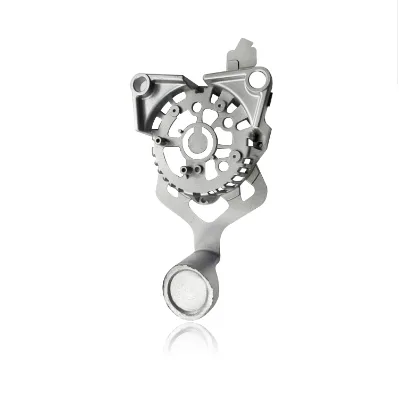


$65.00 - $110.00
MOQ: 1 Pieces
Comprehensive Sourcing Guide
Corrosion Resistant Rotary Casing Sourcing Guide
Procuring corrosion-resistant rotary casings requires a precise understanding of the specific industrial environments where these components operate, ranging from borehole protection in exploration drilling to high-pressure machinery applications. The supply market presents a diverse array of configurations, including specialized thread series and standard models like AW, BW, NW, HW, and PW, each designed to meet distinct operational demands. Buyers must navigate a landscape where materials vary from alloy steel and cast steel to specialized porcelain insulators, necessitating a clear definition of the intended use case before initiating supplier engagement.
The decision to source these components hinges on verifying that the listed product attributes align with the mechanical and chemical stresses of the target application. While some listings highlight features such as chemical hardening sand cores and thermal gravity casting methods, others focus on high-voltage insulation properties or specific pump casing standards. A successful procurement strategy involves cross-referencing the observed product models and surface treatments against the actual operational requirements, ensuring that the selected casing provides the necessary structural integrity and resistance to environmental degradation without over-specifying or under-engineering the solution.
Product Scope and Observed Listing Signals
The current market for rotary casings displays a wide spectrum of product definitions, ranging from general machinery parts to specialized exploration drill casings and high-voltage insulators. Buyers will encounter listings that specify the material as steel, alloy steel, or cast steel, with surface treatments varying from polishing and spray-painting to unprocessed states. The observed product models include specific series like Special Thread Series and customizable configurations, indicating that suppliers offer both standardized and bespoke solutions to accommodate unique project geometries and performance criteria.
Listing signals also reveal significant variation in packaging and transportation methods, with options including wooden cases, pallets, and standard bundles. These logistical details are critical for buyers assessing the total cost of ownership, as the choice between sea or air freight and the specific packing method can impact the condition of the goods upon arrival. Furthermore, the presence of attributes such as "Corrosion-Resistant: Yes" and "Operation Pressure: Atmospheric Pressure" serves as a primary filter, allowing procurement teams to quickly identify candidates that meet the fundamental durability and pressure requirements of their specific rotary systems.
Technical Specifications to Verify
When evaluating technical specifications, the primary focus must be on the material composition and the manufacturing processes employed to achieve the desired corrosion resistance. Buyers should verify whether the casing is produced using thermal gravity casting or CNC milling, as these processes directly influence the microstructure and mechanical properties of the final product. The distinction between materials like alloy steel and cast steel is paramount, as the former often offers superior strength and resistance in high-stress environments, while the latter may be more suitable for specific casting applications where cost and formability are prioritized.
Surface treatment and dimensional accuracy are equally critical verification points that determine the long-term performance of the rotary casing. Specifications such as surface roughness (Ra0) and the application of spray-paint or polishing must be confirmed against the operational environment to ensure adequate protection against corrosion and wear. Additionally, the verification of standard compliance, such as ANSI standards or specific casing series like AW/BW/NW/HW/PW, ensures that the component will fit seamlessly into existing machinery and meet the rigorous dimensional tolerances required for safe and efficient operation.
Compliance and Safety Documentation
Compliance documentation for rotary casings often centers on quality management systems and material certifications that validate the integrity of the supply chain. The presence of ISO 9001 certification is a common indicator of a supplier's commitment to consistent quality control, while specific material certifications, such as those for alloy steel, provide assurance regarding the chemical composition and mechanical properties of the raw materials used. Buyers must request these documents to confirm that the supplier adheres to recognized international standards and that the materials have been tested and verified for their intended application.
Safety and operational compliance also extend to the specific standards governing the casing's design and performance, such as ANSI standards for general machinery or specialized standards for high-voltage applications. In cases where the casing is intended for high-temperature or high-voltage environments, documentation verifying the insulation properties and voltage ratings, such as 24kV or 250A, is essential to prevent catastrophic failure. Procurement teams should ensure that all safety-related certifications, including any qualification certifications explicitly mentioned in the product data, are current and applicable to the specific model being purchased.
Cost Drivers and Commercial Terms
The cost of corrosion-resistant rotary casings is driven by a complex interplay of material costs, manufacturing complexity, and the level of customization required. Products utilizing alloy steel or specialized thread series often command higher prices due to the premium nature of the materials and the precision machining involved, such as CNC milling or thermal gravity casting. Additionally, the choice of surface treatment, whether it involves polishing, spray-painting, or leaving the surface unprocessed, significantly impacts the final unit cost, as these processes add labor and material expenses to the production cycle.
Commercial terms, including minimum order quantities (MOQ) and payment structures, vary widely across the market and must be negotiated based on the buyer's volume requirements and cash flow constraints. Observed MOQs range from single units to 2000 pieces, with some suppliers requiring a 30% deposit before production begins. Lead times, typically ranging from 5 to 10 days for standard items, can extend for customized configurations, and buyers must factor these timelines into their production schedules to avoid delays. Understanding these commercial variables is essential for developing a realistic budget and ensuring a smooth transaction process.
Supplier Qualification and Quality Control
Supplier qualification for rotary casings requires a rigorous assessment of their manufacturing capabilities and quality control protocols. Buyers should prioritize suppliers who demonstrate expertise in specific processes like machining centers and thermal gravity casting, as these indicate a capacity to produce high-precision components. The availability of customization services is another key indicator of a supplier's flexibility and ability to meet unique project requirements, allowing buyers to tailor the casing's dimensions, materials, and surface treatments to their exact specifications.
Quality control measures must be verified through the supplier's adherence to international standards and their ability to provide traceable documentation for every batch produced. The presence of certifications like ISO 9001 suggests a structured approach to quality management, but buyers should also request specific test results or inspection reports that confirm the corrosion resistance and mechanical strength of the casings. Establishing a clear communication channel for quality assurance, including the definition of acceptance criteria and the process for handling non-conforming products, is vital for maintaining the reliability of the supply chain.
Long-Term Procurement Checks
Long-term procurement success depends on establishing a robust framework for ongoing performance monitoring and supplier relationship management. Buyers should implement regular audits of the supplier's production processes and quality control systems to ensure that the corrosion-resistant properties of the casings remain consistent over time. This includes verifying that the materials and manufacturing methods have not been altered without prior notification, as even minor changes can impact the durability and safety of the components in critical applications.
Continuous evaluation of the supplier's ability to meet delivery schedules and adapt to changing market conditions is also essential for maintaining a resilient supply chain. Buyers should track key performance indicators such as lead time consistency, defect rates, and responsiveness to technical queries to identify potential risks early. By fostering a collaborative relationship with suppliers who demonstrate a commitment to quality and innovation, organizations can secure a reliable source of corrosion-resistant rotary casings that supports their long-term operational goals and minimizes the risk of supply disruptions.
FAQs
What materials are used for Corrosion Resistant Rotary Casing?
The casing is manufactured from steel, alloy steel, and cast steel to ensure durability and resistance to harsh environments. These materials provide the necessary structural integrity for machinery parts and borehole protection applications. The selection depends on specific operational requirements and pressure conditions.
Can the rotary casing be customized for specific needs?
Yes, customization is available for the casing to meet unique project specifications. Buyers can request specific configurations, sizes, and surface treatments such as polishing or spray-paint. This flexibility allows the product to adapt to various industrial applications, including high-voltage or high-temperature environments.
What certifications do the corrosion resistant rotary casings hold?
The products hold ISO 9001 and CE certifications, ensuring compliance with international quality and safety standards. These credentials verify that the manufacturing processes, including CNC milling and thermal gravity casting, meet rigorous quality control measures. This certification supports reliable sourcing for global machinery and industrial projects.
How is the rotary casing packaged for transportation?
The casing is packaged in wooden cases, pallets, or bundles to ensure safe transit. Standard packaging methods are employed to protect the product during sea or air freight. This secure packaging prevents damage and maintains the integrity of the casing until it reaches the final destination or installation site.
What is the typical lead time for ordering these casings?
The lead time is typically 5-10 days for standard orders. This timeframe allows for efficient production and quality checks before shipment. Buyers should confirm specific delivery schedules based on order volume and customization requirements to ensure timely arrival for their machinery or construction projects.
Which standards apply to the Corrosion Resistant Rotary Casing?
The casing adheres to ANSI standards and specific series like AW, BW, NW, HW, and PW. These standards define the dimensions, thread types, and material properties required for reliable performance. Compliance ensures compatibility with existing machinery parts and drilling equipment in various industrial sectors.