Source Corrosion Resistant Screw Pump for Food Chemical Water
Find 30 Corrosion Resistant Screw Pump listings from verified Chinese manufacturers. Compare specifications including cast steel materials, single or multi-screw designs, and applications in food, chemical, and sewerage treatment industries.
Key considerations
Products List


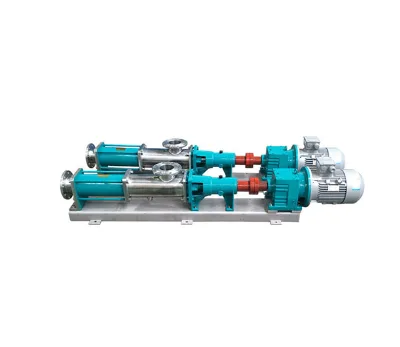


High Performance Corrosion Resistant Pump for Industrial Chemical Processes
$1500.00 - $50000.00
MOQ: 1 Sets


Comprehensive Sourcing Guide
Strategic Sourcing Guide for Corrosion Resistant Screw Pumps
Understanding Corrosion Resistant Screw Pump Technologies
When sourcing a corrosion-resistant screw pump, buyers must first navigate the distinct architectural variations available in the global market. The supply data indicates a diverse range of screw pump configurations, including single screw, double screw, and multi-screw pump designs. Each configuration offers unique advantages depending on the fluid viscosity and the specific corrosive nature of the medium being handled. The single screw pump, often characterized by a rotor and stator assembly, is frequently cited for its ability to handle abrasive and viscous fluids, while the double screw and multi-screw variants are typically engineered for higher flow rates and continuous operation in chemical processing environments.
The physical orientation of the pump shaft is another critical technical specification that influences installation and maintenance. Market listings reveal both horizontal and vertical pump shaft positions. A horizontal configuration is often preferred for space-constrained industrial floors where the pump sits parallel to the ground, whereas vertical arrangements may be necessary for sump applications or where floor space is limited but headroom is available. The material composition is paramount for corrosion resistance. The observed data highlights "Cast Steel" as a primary material for screw pump bodies, which provides a robust foundation for handling aggressive chemicals. However, for specific high-corrosion applications, buyers must verify if additional internal coatings or alternative alloy linings are available, as the base material alone may not suffice for all chemical exposures.
Technical Specifications and Performance Parameters
Selecting the correct pump requires a rigorous analysis of performance metrics and design standards. The supply chain data points to specific design standards such as Jb/Jq20104-1998, which buyers should verify against their local regulatory requirements. Furthermore, international standards like ISO and CE are frequently referenced, indicating a baseline for manufacturing quality and safety. When evaluating performance, the "No Leak" attribute is a critical observation for pumps handling hazardous or expensive fluids. Buyers should explicitly request test data or certification confirming leak-tight performance under operating pressure, as this is not a universal guarantee across all models.
Flow characteristics are another essential consideration. The data mentions "Constant Pump" flow rates, which are desirable for processes requiring steady dosing or transfer. However, the specific flow rate capacity varies significantly, with some models listing ranges from 4.03 cubic meters per day to 230.4 cubic meters per day. This wide variance underscores the importance of matching the pump model to the exact process volume. Additionally, pressure ratings are a key differentiator. The market includes "High Pressure" variants, which are necessary for long-distance transfer or systems with significant backpressure. Buyers must ensure the selected pump's pressure rating exceeds the maximum system operating pressure to prevent mechanical failure.
The outlet size is another specification that dictates compatibility with existing piping. The observed range spans from DN15 to DN500, covering everything from small laboratory dosing lines to large industrial mainlines. Dimensional standards are also noted, with some products adhering to specific physical dimensions like 1200mm in length, while others are defined by their daily throughput capacity. It is vital for procurement teams to cross-reference these dimensions with their facility's spatial constraints and piping layout before finalizing an order.
Compliance, Certification, and Safety Standards
In the realm of industrial procurement, compliance is not merely a formality but a prerequisite for operational safety and legal liability. The available product data lists several certifications, including ISO9001:2008, CE, UL, and Iqnet. These certifications serve as evidence that the manufacturing facility adheres to specific quality management systems and safety protocols. For instance, the CE marking indicates conformity with health, safety, and environmental protection standards for products sold within the European Economic Area, while UL certification is often required for equipment used in North American markets.
Safety features are also integrated into the design of these pumps. One notable attribute observed is the "Heating Jacket" associated with a safety valve. This feature is crucial for applications involving fluids that may solidify or become too viscous at ambient temperatures, ensuring the pump remains operational without clogging. The presence of a heating jacket suggests the pump is designed for complex chemical environments where temperature control is a safety and performance necessity. Buyers should verify that the heating jacket is compatible with the specific fluid being pumped and that the control systems for the jacket meet local electrical and safety codes.
Furthermore, the "International" and "DIN" standards mentioned in the product data suggest a level of interoperability and quality assurance. DIN standards, in particular, are rigorous German engineering standards that are widely respected globally. When sourcing, buyers should request copies of the specific certificates for the batch they intend to purchase, rather than relying on general manufacturer claims. The warranty period, observed as "One Year" or "1 years" in various listings, provides a baseline for the manufacturer's confidence in their product, though this should be negotiated based on the criticality of the application.
Cost Drivers and Procurement Economics
The economics of sourcing screw pumps are influenced by a complex interplay of factors, including material costs, customization levels, and order volume. The observed price range is exceptionally broad, spanning from $0.03 to $100,000 USD. This vast disparity reflects the difference between small, off-the-shelf components and large, custom-engineered industrial systems. The Minimum Order Quantity (MOQ) also varies significantly, ranging from a single piece to 10,000 units. This flexibility allows buyers to source either for immediate replacement needs or for large-scale infrastructure projects.
Customization is a major cost driver. The data confirms that "Customization" is available, with support for OEM, ODM, OBM, and even software reengineering. Customizing a pump to specific dimensions, materials, or performance requirements will inevitably increase the unit cost and lead time. Buyers must weigh the benefits of a tailored solution against the cost savings of standard models. For instance, a standard cast steel pump with a horizontal shaft may be significantly cheaper than a custom-designed vertical pump with a specialized heating jacket and high-pressure rating.
Packaging and logistics also contribute to the total cost of ownership. The product listings mention various packing methods, including "Standard Export Plywood Case," "Marine Wooden Case," and "Exporting Wooden Case Packing." For international shipping, especially to regions with strict wood treatment regulations, the type of packing can affect freight costs and customs clearance times. Additionally, the origin of the product, primarily noted as "China" and specifically "Shanghai," influences shipping costs and lead times. Buyers should factor in the potential for supply chain disruptions when sourcing from a single geographic region and consider the total landed cost, including duties and insurance.
Typical Applications and Industry Fit
Corrosion-resistant screw pumps are versatile assets deployed across a wide spectrum of industries. The data explicitly identifies applications in the "Food," "Chemical," and "Sewerage Treatment" sectors. In the food and beverage industry, the non-leaking performance and smooth flow characteristics of screw pumps are essential for handling viscous products like sauces, syrups, and dairy without damaging the product structure. The chemical industry relies on these pumps for transferring aggressive acids, alkalis, and solvents, where corrosion resistance is a matter of safety and environmental compliance.
Beyond these primary sectors, the applications extend to "Automotive Industry," "Biofuel Industry," and "Commercial Buildings." In the biofuel sector, the pumps must handle variable viscosity fluids and potentially corrosive byproducts. For commercial buildings and HVAC OEMs, screw pumps are often used in district energy systems and heating loops, where reliability and constant flow are critical. The "Irrigation" and "Drinking Water Treatment" applications highlight the pump's utility in municipal infrastructure, where long-term durability and low maintenance are key.
The versatility is further evidenced by the inclusion of "Industrial Boilers" and "Industrial Utilities" in the application list. This suggests that these pumps are integral to power generation and heavy manufacturing processes. Buyers should ensure that the specific pump model selected is not just generally suitable for their industry but is specifically rated for the chemical composition and temperature of the fluid they intend to pump. The "Family Homes" mention indicates that smaller scale versions may be available for residential applications, though this is less common for heavy-duty industrial screw pumps.
Supplier Evaluation and Quality Assurance
Evaluating a supplier for screw pumps requires a multi-faceted approach that goes beyond price comparison. The presence of certifications like ISO and CE is a good starting point, but buyers should also assess the supplier's track record in their specific niche. The data mentions "Jiechao" as a brand name, but buyers should not rely on a single brand and should instead evaluate multiple suppliers based on their technical capabilities and support infrastructure. A key factor in supplier evaluation is the availability of spare parts. The product data lists critical components such as "Rotor," "Stator," "Link Shaft," and "Rotary Shaft." A supplier that maintains a robust inventory of these parts ensures minimal downtime during maintenance.
Quality control processes should be transparent and verifiable. Buyers should inquire about the supplier's testing procedures for "No Leak" performance and corrosion resistance. While the data lists "Corrosion" as a performance attribute, it is an observation rather than a guarantee of performance in all environments. Buyers must request material test reports (MTRs) and specific corrosion resistance data for the exact alloy or coating used in the pump. Additionally, the "One Year" warranty is a standard offering, but buyers should negotiate extended warranty terms for critical applications.
The "Customized support" attribute, including software reengineering, indicates a supplier's ability to integrate the pump into complex control systems. This is particularly relevant for modern industrial facilities that rely on automated monitoring and control. A supplier that offers comprehensive technical support, including installation guidance and troubleshooting, adds significant value to the procurement process. Buyers should also consider the supplier's location; with origins in Shanghai and China, logistics and communication time zones should be factored into the project timeline.
Long-Term Procurement and Lifecycle Management
Procuring a screw pump is an investment that extends well beyond the initial purchase. Long-term considerations include maintenance schedules, energy efficiency, and the availability of upgrades. The "Constant Pump" flow rate is a feature that contributes to energy efficiency by reducing the need for throttling or variable speed drives in certain applications. However, buyers should verify the pump's efficiency curve to ensure it matches the system's operating point, minimizing energy consumption over the pump's lifespan.
The "Heating Jacket" and "Safety Valve" features, while adding to the initial cost, can reduce long-term maintenance costs by preventing clogging and ensuring safe operation under varying conditions. Buyers should plan for the periodic replacement of wear parts like the stator and rotor, which are subject to degradation over time. The availability of these parts from the supplier is crucial for maintaining operational continuity.
Furthermore, the "Standard Export Plywood Case Packing" and "Marine Wooden Case" options suggest that the pumps are designed for long-distance transport, but buyers should plan for proper storage conditions to prevent corrosion during the interim period before installation. The "International" and "DIN" standards mentioned in the data provide a framework for future upgrades and compatibility, ensuring that the pump can be integrated into evolving plant systems. By focusing on these long-term factors, buyers can optimize the total cost of ownership and ensure reliable performance for years to come.
FAQs
What certifications do corrosion resistant screw pumps typically have?
These pumps commonly carry ISO and CE certifications, with some models also featuring UL and Iqnet marks. Buyers should verify specific certificates like ISO9001:2008 for the batch they intend to purchase rather than relying on general manufacturer claims.
Which screw pump configurations are available for corrosion resistance?
The market offers single screw, double screw, and multi-screw pump designs. Single screw pumps often handle abrasive fluids, while double and multi-screw variants are engineered for higher flow rates in chemical processing environments.
How is the pump shaft positioned in these industrial units?
Both horizontal and vertical pump shaft positions are available depending on installation needs. Horizontal configurations suit space-constrained floors, whereas vertical arrangements are necessary for sump applications or where floor space is limited.
Can buyers request customization for these screw pumps?
Yes, customization is available with support for OEM, ODM, OBM, and software reengineering. Customizing dimensions or materials will increase unit cost and lead time compared to standard cast steel models with horizontal shafts.
What is the typical warranty period for these pumps?
The standard warranty period observed is one year or 1 years. This baseline reflects manufacturer confidence, though it should be negotiated based on the criticality of the specific application and fluid being handled.
Which industries commonly use corrosion resistant screw pumps?
These pumps are widely used in food, chemical, and sewerage treatment sectors. Applications also extend to automotive, biofuel, HVAC OEM, and drinking water treatment where reliability and constant flow are critical.
What is the price range for these industrial pumps?
The observed price range spans from 0.03 to 100000 USD. This vast disparity reflects the difference between small off-the-shelf components and large custom-engineered industrial systems with specialized features.