Source Corrosion Resistant Rear Bumper for Trucks Cars Marine
Compare 30 Corrosion Resistant Rear Bumper options from verified Chinese suppliers. Buyers can evaluate specifications, materials like plastic and steel, and customization features for truck, car, and marine applications.
Key considerations
Products List
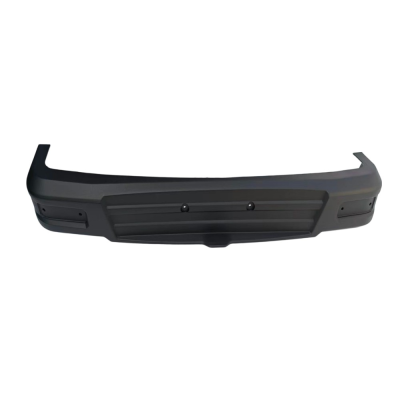


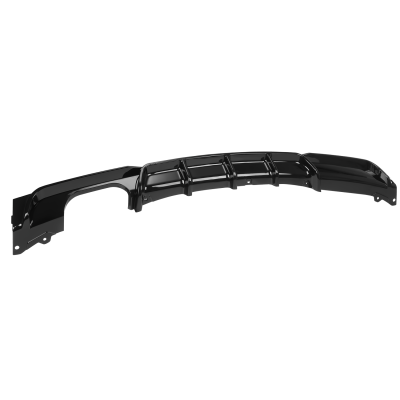


Comprehensive Sourcing Guide
Strategic Sourcing Guide for Corrosion Resistant Rear Bumpers
Procuring a corrosion-resistant rear bumper requires a disciplined approach that balances material science, supply chain logistics, and rigorous verification of supplier capabilities. The global market for automotive replacement parts is vast, yet the specific requirements for durability against environmental degradation demand precise scrutiny. Buyers must navigate a landscape where product attributes vary significantly between listings, often mixing different material classes and application scopes. This guide outlines the essential steps for sourcing high-quality rear bumpers, focusing on the evidence-based facts available in current market listings while applying trusted industry knowledge to ensure procurement success.
Material Selection and Structural Integrity
The foundation of any corrosion-resistant bumper lies in its material composition. Market observations reveal a divergence in materials used for these components, primarily ranging from plastic to steel. Plastic bumpers, often cited in listings with attributes like "prod_prop.Material: Plastic," offer inherent resistance to rust and chemical corrosion, making them a preferred choice for environments with high humidity or exposure to road salts. These components are frequently described as having a "New" condition and are available in standard colors such as black, white, or silver. The structural design of plastic bumpers often includes customization options, allowing buyers to specify dimensions that match specific vehicle models, with observed specifications including lengths of 1090mm, widths of 250mm, and heights of 155mm.
Conversely, steel bumpers present a different value proposition. Listings explicitly noting "prod_prop.Material: Steel" indicate a focus on heavy-duty applications, particularly for trucks. While steel offers superior impact resistance, its susceptibility to corrosion necessitates robust surface treatments or coatings. When sourcing steel components, buyers must verify the specific anti-corrosion processes employed, such as galvanization or powder coating, as these are not always detailed in standard product summaries. The presence of "prod_prop.Materials: Metal" in some entries suggests a composite approach, where metal structural elements might be combined with other materials like filter wood pulp paper for specific functional purposes, though this is less common for standard bumper applications. The "Structure: Floating" attribute observed in some marine-related listings highlights the need to distinguish between automotive and marine applications, as the corrosion resistance requirements for saltwater environments differ significantly from those for road vehicles.
Compliance, Certification, and Standard Verification
Ensuring that a rear bumper meets safety and quality standards is critical for liability and performance reasons. The market data indicates that suppliers often provide certifications such as "CE" and "ISO." These marks are significant indicators of adherence to international quality management systems and safety regulations. However, the presence of a certification label on a product page does not automatically guarantee that every unit in a batch meets the standard; it typically reflects the manufacturer's general compliance status. Buyers must request specific test reports or certificates of conformity for the batch being purchased to confirm that the corrosion-resistant properties have been validated.
Furthermore, the "prod_prop.prod_standard" field often lists "customizable" or specific dimensional standards like "Length: 1090mm Width: 250mm Height: 155mm." This variability underscores the importance of defining clear technical specifications before engaging with a supplier. In the context of corrosion resistance, standards may also relate to salt spray testing or humidity exposure ratings, which are not explicitly listed in the provided data but are industry norms for such components. Buyers should verify if the supplier adheres to specific OEM standards, as indicated by the "prod_prop.OEM: Support" and "prod_prop.OEM: Yes" attributes. Supporting OEM standards often implies that the part is designed to fit original equipment specifications, which can be a proxy for quality assurance. The "prod_standard: PAPER" entry in some listings appears to refer to filtration products rather than bumpers, highlighting the need for buyers to carefully filter search results to avoid irrelevant categories.
Cost Drivers and Pricing Dynamics
Understanding the cost structure of rear bumpers is essential for budgeting and negotiation. The observed price range in the market spans from $0.01 to $200,000, a vast disparity that reflects the difference between single replacement parts and bulk industrial orders or specialized heavy-duty assemblies. The "prod_prop.Selling Units: Single item" attribute suggests that many listings are priced for individual unit purchases, which is typical for repair and replacement scenarios. However, the "prod_prop.MOQ: 1" and "prod_prop.MOQ: 1-1000" ranges indicate flexibility in order quantities, allowing small businesses to start with minimal risk while larger enterprises can leverage volume discounts.
Several factors drive the final cost of a corrosion-resistant bumper. Material type is a primary driver; steel generally commands a higher price than plastic due to raw material costs and the additional processing required for corrosion protection. Customization is another significant cost factor, with "prod_prop.Customization: Available" and "prod_prop.Customized: Customized" attributes suggesting that bespoke dimensions or finishes will incur additional charges. Packaging also influences cost; options like "Carton and PP Film," "Corrugated Boxes," or "EPE and Bubble Bag" vary in expense and protective capability. The "Single gross weight: 1.700 kg" and "Single package size: 139X28X11 cm" provide concrete data for logistics planning, as shipping costs are directly tied to weight and volume. Buyers should also consider the "Supply Ability: 20000PCS/Week" as an indicator of the supplier's capacity to handle large orders without price spikes due to scarcity.
Typical Applications and Operational Context
Rear bumpers serve diverse functions across different vehicle types, and the application context dictates the required level of corrosion resistance. The data explicitly lists "Application: Truck" and "Application: Car," indicating that these components are designed for both heavy-duty commercial vehicles and passenger automobiles. For trucks, the "Position: Rear Bumper" and "Position: Front Bumper" attributes suggest that suppliers often stock parts for multiple locations, though the specific request here focuses on the rear. The "prod_prop.Marine Parts: Fender, Bumper" attribute introduces a specialized niche where bumpers are used in marine environments. In these contexts, corrosion resistance is paramount due to constant exposure to saltwater, requiring materials and coatings that exceed standard automotive specifications.
The "Purpose: for replace/repair" attribute clarifies that the primary market for these parts is the aftermarket replacement sector. This means buyers are often looking for parts that match the original equipment manufacturer (OEM) specifications to ensure a seamless fit. The "prod_prop.Model Number: 6T" and "prod_prop.prod_model: TNN-057" serve as critical identifiers for matching parts to specific vehicle models. Buyers must cross-reference these model numbers with their inventory to ensure compatibility. The "Structure: Floating" mentioned in marine listings suggests that some bumpers may have unique design features to accommodate water displacement or buoyancy, which is irrelevant for standard automotive applications but crucial for marine procurement.
Supplier Evaluation and Logistics
Selecting the right supplier involves more than just comparing prices; it requires a thorough evaluation of their operational capabilities and logistics network. The "prod_prop.Place of Origin: China" and "prod_prop.prod_origin: Shandong" or "Guangzhou, China" locations provide insight into the manufacturing hubs. Shandong and Guangzhou are known industrial centers, but buyers should verify the specific factory location to assess the supply chain reliability. The "prod_prop.Port Name: Guangzhou/Ningbo/Shanghai/Tianjin/Qingdao" listing indicates that suppliers have access to multiple major shipping ports, which is advantageous for international logistics.
Payment terms are another critical aspect of supplier evaluation. The observed "prod_prop.Payment Term: Tt, Westen Union, Paypal ..." suggests a range of financial options, from traditional bank transfers to more modern digital payment methods. Buyers should negotiate terms that protect their interests, such as using escrow services or requiring partial payments upon shipment. The "prod_prop.Warranty: 12 Months" attribute is a strong indicator of supplier confidence in their product quality. A one-year warranty suggests that the manufacturer stands behind the durability of the bumper, including its corrosion-resistant properties. However, buyers must clarify the scope of the warranty, specifically whether it covers defects in material or workmanship related to corrosion.
Quality Control and Long-Term Procurement
Implementing a robust quality control (QC) process is essential to mitigate the risks associated with sourcing automotive parts. Given the variation in materials and certifications, buyers should establish a clear QC protocol that includes visual inspections, dimensional checks, and, if possible, third-party testing for corrosion resistance. The "prod_prop.prod_packing: Carton," "Corrugated Boxes," and "EPE and Bubble Bag" options highlight the importance of proper packaging to prevent damage during transit. Damaged packaging can compromise the protective coatings on steel bumpers or the structural integrity of plastic ones.
For long-term procurement, building a relationship with a reliable supplier is key. The "prod_prop.Customization: Available" and "prod_prop.OEM: Support" attributes suggest that suppliers are willing to adapt to buyer needs, which is beneficial for scaling operations. Buyers should consider the "Supply Ability: 20000PCS/Week" as a benchmark for the supplier's capacity to meet ongoing demand. Additionally, the "prod_prop.for Sample: Contact with Our Sales" instruction indicates that sample testing is a standard part of the procurement process. Buyers should always request samples to verify the quality, fit, and corrosion resistance before committing to a large order. The "prod_prop.Original Packing: Yes" attribute further supports the idea that maintaining the integrity of the product from the factory to the end-user is a priority for reputable suppliers.
In conclusion, sourcing a corrosion-resistant rear bumper requires a meticulous approach that integrates material analysis, certification verification, cost management, and supplier evaluation. By leveraging the specific attributes observed in the market data and applying rigorous procurement standards, buyers can secure high-quality components that meet their operational needs. The diversity in materials, from plastic to steel, and the range of applications, from cars to trucks and marine vessels, necessitate a tailored strategy for each procurement project. Through careful attention to detail and a commitment to quality control, buyers can navigate the complexities of the global market and ensure the delivery of reliable, durable rear bumpers.
FAQs
What materials are used for corrosion resistant rear bumpers?
Bumpers are primarily made from plastic or steel. Plastic offers inherent rust resistance, while steel requires specific coatings for durability. Some listings also mention metal composites combined with paper materials for filtration purposes.
Which certifications do these bumpers typically hold?
Common certifications include CE and ISO marks indicating quality management compliance. Buyers should verify specific test reports for the batch to ensure corrosion resistance standards are met before finalizing orders.
Can I order custom dimensions for these rear bumpers?
Yes, customization is available for size and specifications. Standard dimensions observed include 1090mm length, 250mm width, and 155mm height, but bespoke options can be arranged through supplier sales teams.
What is the minimum order quantity for these parts?
The minimum order quantity can be as low as one single item. Some suppliers offer ranges up to 1000 units, allowing flexibility for both individual repairs and bulk commercial procurement needs.
How long is the warranty period for these bumpers?
A standard warranty period of 12 months is commonly offered. This coverage typically applies to defects in material or workmanship, though specific terms regarding corrosion protection should be clarified with the supplier.
Where are these bumpers manufactured and shipped from?
Products originate from China, specifically regions like Shandong and Guangzhou. Major shipping ports include Guangzhou, Ningbo, Shanghai, Tianjin, and Qingdao, facilitating international logistics for various buyer locations.