Source Corrugated Board Kraft Paper Box for Food, Electronics, and Gifts
Find and compare 30 Corrugated Board Kraft Paper Box options from China. Evaluate features like biodegradable materials, custom sizes, and offset printing for food, electronics, and gift packaging needs.
Key considerations
Products List


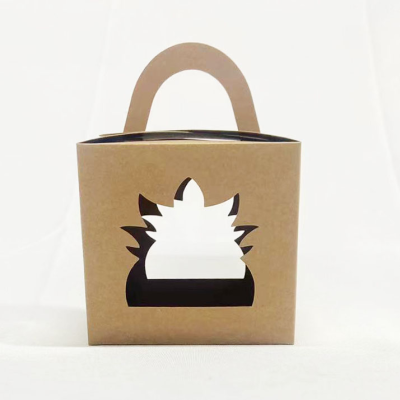


Custom Printing Logo Corrugated Kraft Paper Cardboard Box for Packaging Book
$0.22 - $0.69
MOQ: 500 Pieces


$0.20 - $0.55
MOQ: 1000 Pieces


$0.36 - $0.56
MOQ: 1000 Pieces


Comprehensive Sourcing Guide
Corrugated Board Kraft Paper Box Sourcing Guide
The global demand for sustainable packaging has elevated corrugated board kraft paper boxes to a primary choice for diverse industries, ranging from food service to electronics. These boxes leverage the structural integrity of corrugated materials combined with the natural, biodegradable properties of kraft paper to meet modern environmental standards. Buyers sourcing these items must navigate a market where customization is the norm, with suppliers offering tailored solutions for specific product dimensions, printing requirements, and functional needs. The versatility of these boxes allows them to serve as protective shipping containers, retail-ready packaging, or premium gift boxes, depending on the specific configuration of the board and the finishing processes applied.
When initiating a procurement strategy, it is critical to recognize that the market offers a wide spectrum of specifications rather than a single standardized product. Observed listings indicate that these boxes are available in various sizes, from small formats suitable for jewelry or cosmetics to larger configurations capable of holding items weighing over 1.5 kilograms. The material composition often includes recycled content or food-grade kraft paper, ensuring safety for direct contact with consumables like salads, biscuits, and bread. Furthermore, the customization capabilities extend to printing, with options for single-sided or two-sided offset printing, allowing brands to integrate logos and branding directly onto the packaging surface.
Product Scope and Observed Listing Signals
Buyers must first define the intended application to narrow down the vast array of available options, as the product scope varies significantly based on end-use. The observed market data highlights applications spanning food, electronics, apparel, cosmetics, and household goods, with specific listings catering to niche needs such as greeting cards, health care products, and beverage packaging. This diversity means that a box suitable for shipping electronic components may differ substantially in weight and structural reinforcement from a box designed for sandwich or salad packaging. Understanding these distinctions is essential before engaging with suppliers, as the material grade and surface handling requirements will differ based on whether the box needs to be biodegradable, disposable, or capable of withstanding heavy loads.
The listing signals also reveal a high degree of flexibility in physical attributes, including shape, size, and weight capacity. While square shapes are common, the market supports custom sizes and even specific model numbers like ED-40 or FP1236, indicating that manufacturers can produce bespoke dimensions rather than relying solely on standard inventory. Weight classifications observed range from under 0.5 kilograms to over 1.5 kilograms, suggesting that buyers should verify the load-bearing capacity of the corrugated board to ensure it matches their product's density. Additionally, the presence of "Customized Support" for both packing and standards implies that suppliers are prepared to adapt their production lines to meet unique logistical or branding requirements, making it vital to communicate specific needs clearly during the initial inquiry phase.
Technical Specifications to Verify
Technical verification begins with the material composition and structural integrity of the corrugated board, which directly impacts the box's durability and environmental profile. Buyers should confirm whether the material is standard kraft paper, recycled material, or specifically food-grade kraft paper, as this distinction is critical for applications involving direct food contact such as burgers, bread, or cosmetics. The surface handling process, often identified as offset printing, must be validated to ensure it meets the desired print quality and color fidelity, with options available for CMYK or Pantone color matching. It is also necessary to verify the paper type, as some listings specify corrugated paper while others may use different grades, and this choice influences the box's rigidity and resistance to moisture.
Further technical due diligence involves scrutinizing the printing specifications and physical dimensions to ensure alignment with the product's logistics and branding goals. The number of printing pages, whether single-sided or two-sided, affects the design layout and cost, while the logo printing method, such as offset printing or custom branding, determines the visual impact on the shelf. Buyers must also check the size specifications, which can range from small to middle to fully customized dimensions, to ensure the box fits the product without excessive void space or compression. Additionally, the weight of the finished box is a key specification, with observed ranges indicating that some units are lightweight for easy handling while others are robust enough for heavier items, requiring a precise match to the shipping and storage environment.
Compliance and Safety Documentation
Ensuring compliance and safety is paramount, particularly when the packaging is intended for food, health care, or cosmetic applications where direct contact with the product occurs. Buyers should request documentation verifying that the materials meet relevant safety standards, such as those for food-grade paper, which ensures the absence of harmful substances that could migrate into food items like salads or biscuits. While specific certification statuses like BSCI or ISO 9001 may appear in broader market contexts, the primary focus should be on verifying that the supplier adheres to recognized standards such as HACCP or ISO, which are explicitly mentioned in some product listings as part of their quality assurance framework.
In addition to material safety, environmental compliance is a growing requirement for modern procurement strategies, especially given the eco-friendly nature of kraft paper products. Buyers must verify claims regarding biodegradability and eco-friendliness, ensuring that the packaging aligns with sustainability goals and local disposal regulations. The use of recycled materials is a common feature in this category, but it requires confirmation that the recycling process meets specific quality and safety thresholds. Documentation should also cover the printing inks and adhesives used, confirming they are non-toxic and suitable for the intended application, whether it is for general retail, gift wrapping, or industrial shipping.
Cost Drivers and Commercial Terms
Understanding the cost drivers for corrugated board kraft paper boxes requires an analysis of material costs, customization levels, and order volumes. The price range observed in the market, typically between 0.04 and 1 USD per unit, is heavily influenced by the complexity of the design, the type of paper used, and the quantity ordered. Customization, including specific sizes, shapes, and printing requirements, adds to the production cost, as does the use of specialized materials like food-grade kraft paper or recycled content. Buyers should anticipate that higher customization levels and stricter quality standards will result in a higher unit price, while larger order volumes can help mitigate these costs through economies of scale.
Commercial terms, including Minimum Order Quantities (MOQ) and payment conditions, are critical factors in the procurement process. The observed MOQ range spans from 400 to 20,000 units, indicating that suppliers cater to both small-batch and large-scale production needs. Buyers must align their order volume with these MOQ thresholds to avoid penalties or the need to pay for excess inventory. Additionally, packing methods, such as palletized, carton, or export carton configurations, can impact shipping costs and logistics efficiency. It is essential to negotiate clear terms regarding lead times and delivery schedules, as these can vary based on the complexity of the customization and the supplier's current production capacity.
Supplier Qualification and Quality Control
Selecting a qualified supplier involves a rigorous assessment of their manufacturing capabilities, quality control processes, and track record in delivering consistent products. Buyers should verify that the supplier has the technical expertise to handle the specific requirements of corrugated board and kraft paper, including the ability to execute precise offset printing and custom sizing. The presence of "Customized Support" for both packing and standards suggests that capable suppliers can adapt to unique buyer needs, but this must be validated through sample requests and factory audits. It is also important to check the supplier's origin, as many listings indicate production in China, specifically in regions like Shanghai or Fujian, which are known for their packaging manufacturing clusters.
Quality control measures must be established to ensure that every batch of boxes meets the specified standards for strength, print quality, and material safety. Buyers should implement a system for inspecting samples for defects such as misalignment in printing, structural weaknesses in the corrugated board, or inconsistencies in the paper weight. Given the diverse applications, from electronics to food, the quality control process must be tailored to the specific risks associated with each use case. Regular audits and clear communication channels with the supplier are essential to maintain consistency and address any issues promptly, ensuring that the final product performs reliably in the supply chain.
Long-Term Procurement Checks
Establishing a long-term procurement relationship requires ongoing monitoring of supplier performance and market trends to ensure continued value and reliability. Buyers should regularly review the supplier's ability to meet delivery schedules, maintain quality standards, and adapt to changing market demands, such as new sustainability regulations or shifts in material availability. The dynamic nature of the packaging industry means that suppliers must be agile enough to incorporate new technologies or materials, such as advanced recycled content or improved printing techniques, to stay competitive. Continuous engagement with the supplier helps in identifying opportunities for cost optimization and process improvements over time.
Finally, long-term checks should include a periodic reassessment of the product specifications to ensure they remain aligned with the buyer's evolving business needs. As product lines expand or change, the packaging requirements may shift, necessitating adjustments in size, weight capacity, or printing design. Buyers should maintain a flexible procurement strategy that allows for these adjustments without disrupting the supply chain. By fostering a collaborative relationship with the supplier and maintaining open lines of communication, buyers can ensure that their Corrugated Board Kraft Paper Box sourcing remains efficient, cost-effective, and aligned with their strategic goals for years to come.
FAQs
What materials are used for these corrugated board kraft paper boxes?
These boxes are primarily made from paper, specifically kraft paper or corrugated paper. Some options utilize recycled material or food-grade kraft paper to ensure safety for various applications like food and cosmetics.
Can I request custom sizes and shapes for these packaging boxes?
Yes, customization is available for size and shape. You can choose from small, middle, or any size, with square shapes being a common option. The product standard also supports customized requirements to fit your specific needs.
What is the minimum order quantity for these kraft paper boxes?
The minimum order quantity ranges from 400 to 20,000 units depending on the specific supplier and product model. Buyers should verify the exact MOQ for their selected model, such as ED-40 or FP1236, before placing an order.
Which printing methods are available for logo and design on these boxes?
Offset printing is the standard method used for both surface handling and logo printing. You can choose single-sided or two-sided printing pages, with colors available in CMYK or Pantone to match your brand identity precisely.
Are these boxes suitable for food packaging and other applications?
Yes, these boxes are designed for food, electronics, cosmetics, and household applications. Specific models use food-grade kraft paper and meet standards like HACCP, making them safe for items like salads, biscuits, and health care products.
Where are these corrugated board kraft paper boxes manufactured?
The products originate from China, with specific manufacturing locations in Shanghai and Fujian. Buyers can source from these regions to access factories that offer customized support and various packing options like pallets or export cartons.
Do these boxes meet any specific environmental or safety standards?
Many options feature biodegradable and eco-friendly attributes, with some made from recycled material. Standards such as ISO, HACCP, and corrugated board specifications are available, ensuring the packaging meets safety and quality requirements for various industries.