Source Magnetic Closure Flip Shoe Box for Gifts, Jewelry, and Cosmetics
Find 30 Magnetic Closure Flip Shoe Box options from Chinese manufacturers. Compare custom sizes, PE-coated corrugated paper materials, and logo printing services for jewelry, cosmetics, and gift packaging needs; compare the available evidence and request quotations based on your requirements.
Key considerations
Products List


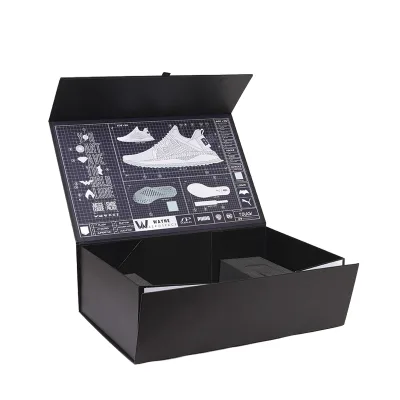

Rigid Paper Tote Portable Flip Folding Clothing Shoes Box with Magnetic Lid
$0.31 - $0.80
MOQ: 500 Pieces


Rigid Paper Portable Flip Folding Clothing Shoes Gift Box with Magnetic Lid
$0.20 - $0.50
MOQ: 1000 Pieces
Comprehensive Sourcing Guide
Magnetic Closure Flip Shoe Box Sourcing Guide
Sourcing magnetic closure flip shoe boxes requires a strategic balance between structural integrity, aesthetic appeal, and functional durability. These rigid boxes are primarily designed to protect footwear during transit while serving as a premium unboxing experience for end consumers. The magnetic closure mechanism provides a satisfying snap-shut action that enhances perceived value, making it a popular choice for luxury brands and direct-to-consumer retailers. Buyers must evaluate the interplay between the outer material finish and the internal magnetic strength to ensure the box remains secure without damaging the contents or the packaging itself.
The procurement process involves selecting from various paper types, including corrugated paper and gray paper, which offer different levels of rigidity and cost efficiency. Customization options are extensive, allowing for tailored dimensions, logo printing, and specialized finishes like offset or flexo printing. Understanding the manufacturing capabilities of suppliers is crucial, as the complexity of the magnetic insertion and the precision of the flip mechanism can significantly impact production quality. Buyers should focus on suppliers who demonstrate expertise in both structural design and high-quality surface handling to achieve a consistent, premium product.
Product Scope and Observed Listing Signals
Market listings for magnetic closure flip shoe boxes reveal a diverse range of customization capabilities and material compositions. Suppliers frequently highlight the availability of custom sizes and designs, catering to specific brand identities and storage needs. The observed product attributes indicate a strong emphasis on visual customization, with options for single-color or colorful design prints, as well as the inclusion of logos. This flexibility allows buyers to align packaging closely with their marketing campaigns and seasonal themes, ensuring that the packaging reinforces brand recognition at every touchpoint.
Material specifications vary, with some products utilizing mixed pulp or corrugated paper structures, while others specify gray paper for a more rigid feel. The presence of PE coating on certain items suggests a focus on moisture resistance, which is critical for protecting shoes in humid environments. Additionally, features such as ribbon handles, polyester or cotton ropes, and magnetic closures are commonly offered to enhance usability. Buyers should carefully review these observed signals to determine which material and functional attributes best suit their specific product requirements and logistical constraints.
Technical Specifications to Verify
Verifying technical specifications is essential to ensure the packaging meets both protective and aesthetic standards. Buyers must confirm the paper type, whether it is corrugated, gray, or mixed pulp, as this directly influences the box's rigidity and weight. The magnetic closure mechanism requires precise alignment and sufficient strength to keep the box securely closed during handling. It is also important to verify the printing method, such as offset or flexo printing, to ensure color accuracy and durability of the design. Surface handling techniques, including coating options, should be evaluated to determine the desired texture and finish.
Dimensional accuracy is another critical factor, as the box must fit the shoes snugly to prevent movement during shipping. Custom size options are widely available, but buyers should provide exact internal dimensions to avoid fit issues. The weight of the packaging, typically ranging from 1 to 1.5 kg or slightly more, impacts shipping costs and should be factored into the overall logistics plan. Additionally, the type of handle, if included, such as ribbon or rope, should be tested for durability and ease of carrying. Ensuring these technical details are clearly defined in the purchase order prevents discrepancies in the final product.
Compliance and Safety Documentation
While specific certification statuses may vary, buyers should prioritize suppliers who adhere to international safety and environmental standards. Documentation such as material safety data sheets and compliance certificates for restricted substances are crucial, especially if the packaging is intended for markets with strict regulatory requirements. Although some listings mention reach compliance, buyers must verify the current status and scope of these certifications with the supplier. Ensuring that the materials used, including adhesives and inks, are non-toxic and safe for consumer interaction is a fundamental requirement for reputable packaging.
Environmental considerations are increasingly important in the footwear industry, with many brands seeking sustainable packaging solutions. Buyers should inquire about the recyclability of the paper materials and the sourcing of pulp, such as chemical-mechanical pulp. Transparency in the supply chain regarding material origins and manufacturing processes can enhance brand credibility. Requesting third-party test reports for specific materials or finishes can provide additional assurance of compliance. Proactively addressing these documentation needs helps mitigate regulatory risks and aligns with corporate sustainability goals.
Cost Drivers and Commercial Terms
Several factors influence the cost of magnetic closure flip shoe boxes, with customization level being a primary driver. Complex designs, multi-color printing, and special finishes like embossing or foil stamping increase production costs. The choice of material also plays a significant role, with corrugated paper often being more cost-effective than rigid gray paper structures. Buyers should consider the trade-off between premium aesthetics and budget constraints, optimizing the design to achieve the desired brand impact without unnecessary expense. Volume discounts are typically available, so consolidating orders can help reduce per-unit costs.
Commercial terms such as minimum order quantity (MOQ) and sample policies are critical for budget planning. Observed MOQs range from 500 to 5000 pieces, allowing for flexibility based on inventory needs. Sample times vary, with some suppliers offering free samples for stock items, while custom samples may incur a fee and take 3-7 days to produce. Shipping methods, including express, air, and ocean freight, should be evaluated based on urgency and cost. Clear communication regarding payment terms, packaging details, and delivery schedules ensures a smooth procurement process and avoids unexpected charges.
Supplier Qualification and Quality Control
Selecting a qualified supplier involves assessing their manufacturing capabilities, quality control processes, and track record. Buyers should verify if the supplier is a direct manufacturer or a trading company, as this affects pricing and communication efficiency. Requesting references or case studies from previous clients can provide insight into the supplier's reliability and consistency. It is also important to evaluate their ability to handle custom orders, including design support and technical advice. Suppliers with in-house printing and assembly facilities often offer better quality control and faster turnaround times.
Quality control measures should be clearly defined before production begins, including inspection points for material, printing, and assembly. Buyers should specify acceptable tolerances for dimensions, magnetic strength, and print quality. Conducting pre-shipment inspections or hiring third-party inspection services can help identify defects before the goods are shipped. Establishing a clear communication channel for addressing any issues during production ensures timely resolution. Building a strong relationship with the supplier based on transparency and mutual respect fosters long-term collaboration and consistent product quality.
Long-Term Procurement Checks
Establishing long-term procurement checks ensures that the packaging continues to meet evolving brand and market requirements. Regular audits of supplier performance, including on-time delivery rates and defect percentages, help maintain high standards. Buyers should periodically review material costs and market trends to identify opportunities for cost optimization or material upgrades. Feedback from end consumers regarding the unboxing experience can provide valuable insights for future design iterations. Maintaining open communication with the supplier allows for continuous improvement and adaptation to new challenges.
Sustainability initiatives should be integrated into the long-term strategy, with a focus on reducing environmental impact. This may involve exploring recycled materials, optimizing packaging dimensions to reduce waste, or implementing take-back programs. Buyers should also monitor regulatory changes in key markets to ensure ongoing compliance. Documenting all procurement decisions and supplier interactions creates a knowledge base for future reference. By proactively managing these long-term checks, buyers can ensure that their magnetic closure flip shoe boxes remain competitive, compliant, and aligned with brand values.
FAQs
Can I customize the size and design of the magnetic closure shoe box?
Yes, custom sizes and designs are fully accepted for these boxes. The product supports OEM and ODM services, allowing you to specify exact dimensions and incorporate your logo or artwork. This flexibility ensures the packaging aligns perfectly with your brand identity and specific storage needs for shoes or other items.
What material is used to construct the magnetic closure shoe box?
The boxes are primarily constructed from corrugated paper, including E flute and F flute options. Some variants may use gray paper with a PE coating for added durability. This material choice provides a sturdy structure suitable for protecting delicate items like shoes while maintaining a lightweight profile for efficient shipping and handling.
What is the minimum order quantity for custom logo printing?
The minimum order quantity is typically 500 pieces for custom logo printing. This low MOQ allows businesses to test new designs or order smaller batches without significant upfront investment. The supplier accepts custom orders, making it accessible for small to medium-sized enterprises looking for personalized packaging solutions with specific branding requirements.
How long does it take to receive a sample of the box?
Sample production time generally ranges from 3 to 7 days. Some stock items may be provided for free, while custom samples might incur costs. This quick turnaround allows buyers to verify the quality, fit, and magnetic closure functionality before committing to a larger production run, ensuring the final product meets their expectations.
What printing methods are available for the shoe box surface?
Offset printing and flexo printing are available for surface decoration. You can choose single-color or colorful designs, including your logo or custom artwork. The boxes may feature a single-side coating or remain uncoated depending on the specific model. These options ensure high-quality visual presentation for retail display and brand recognition.
Is the magnetic closure shoe box waterproof and durable?
Yes, the boxes are designed to be waterproof, often utilizing PE coating materials. This feature protects the contents from moisture damage during storage or transit. The corrugated paper structure adds rigidity, making them durable for repeated use in shopping, daily life, or promotional contexts while maintaining their shape and protective qualities over time.