Source Recycled Paper Box with PVC Window for Electronics, Cosmetics, Household
Find 30 listings for Recycled Paper Box with PVC Window tailored for electronics, cosmetics, and household packaging. Compare customization options, printing methods, and lead times from suppliers in Dong Guan, Zhejiang, and Shanghai to find the right fit for your brand.
Key considerations
Products List


Custom Colorful Factory Cardboard Corrugated Storage Box with PVC Window
$0.35 - $1.02
MOQ: 1000 Pieces


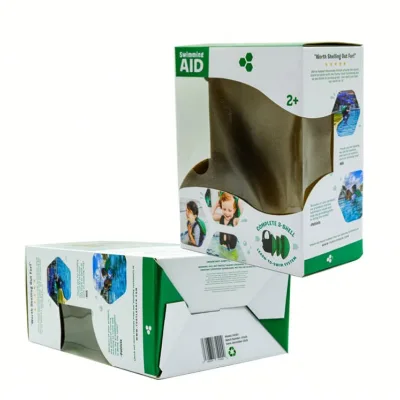
Comprehensive Sourcing Guide
Recycled Paper Box with PVC Window Sourcing Guide
Procuring packaging that combines recycled paper with a PVC window requires balancing sustainability goals with functional visibility. The observed market data indicates that suppliers often offer these units for electronic, cosmetic, and household applications, though some listings also extend to food and apparel sectors. Buyers must verify that the specific "recycled" claim aligns with the actual material composition, as the provided facts show a mix of paper and plastic materials in the same product category. This distinction is critical because a box intended for food contact may require different material certifications than one used for electronics.
The customization landscape for these boxes is extensive, with suppliers offering flexible options for dimensions, thickness, and printing pages. While some models support single-sided printing, others accommodate two-sided designs, allowing for comprehensive branding strategies. The production cycle typically ranges from one to two weeks after artwork confirmation, but lead times can vary based on the complexity of the window integration. Buyers should confirm whether the PVC window is laminated directly to the paper or inserted as a separate component, as this affects both the structural integrity and the visual appeal of the final product.
Product Scope and Observed Listing Signals
The product scope for recycled paper boxes with PVC windows spans multiple industries, including electronics, cosmetics, and general household goods. Market observations reveal that these items are frequently listed with specific model numbers, suggesting a standardized manufacturing approach despite the high degree of customization available. The material composition varies, with some listings explicitly stating paper as the primary substrate while others include plastic components, necessitating a clear definition of the "recycled" content percentage before placing an order.
Listing signals indicate that suppliers generally accept custom requests for logos, colors, and dimensions, often supporting CMYK and PMS color profiles. The surface treatment options are diverse, ranging from matte and glossy lamination to embossing and UV coating, which can significantly enhance the perceived value of the packaging. However, buyers must carefully review the application claims, as some suppliers list food and apparel alongside electronics, which may imply different regulatory requirements for the materials used in the window and the paper body.
Technical Specifications to Verify
Verifying technical specifications is paramount when sourcing boxes with PVC windows, particularly regarding the structural durability and dimensional accuracy. The observed data suggests that thickness and height are often customizable, but the structural integrity must be confirmed to ensure the window does not compromise the box's ability to protect its contents. Buyers should request detailed specifications on the paper weight and the PVC film thickness, as these factors directly influence the box's rigidity and its suitability for heavy or fragile items.
Printing and finishing specifications also require rigorous verification to ensure brand consistency and visual quality. Suppliers typically offer flexographic and offset printing methods, with support for various file formats including PDF, CDR, and AI. The surface treatment options, such as varnish or embossment, must be aligned with the desired aesthetic, and the proofing time of approximately one week should be factored into the project timeline. It is essential to confirm that the printing process does not interfere with the window area, ensuring that the product remains fully visible to the end consumer.
Compliance and Safety Documentation
Compliance and safety documentation are non-negotiable when sourcing packaging that may come into contact with sensitive products. The observed facts mention certifications such as SGS, BV, TUV, and ISO, which serve as indicators of a supplier's commitment to quality and safety standards. However, buyers must explicitly request documentation specific to the intended application, such as food-grade certification if the box is used for consumables, or specific chemical safety data for electronic components.
Material certification is a critical component of the compliance process, as the combination of recycled paper and PVC plastic introduces unique regulatory considerations. Suppliers should provide evidence that the PVC window meets relevant safety standards and that the recycled paper content is verified by a recognized third party. Buyers should also verify that the supplier adheres to the specific standards required by their target market, as regulations regarding plastic and paper packaging vary significantly across different regions and industries.
Cost Drivers and Commercial Terms
Cost drivers for recycled paper boxes with PVC windows are influenced by the complexity of customization, the volume of the order, and the specific material requirements. The observed MOQ range of 500 to 5000 units suggests that smaller orders may incur higher per-unit costs, while larger volumes can leverage economies of scale. Buyers should also consider the cost implications of additional surface treatments like UV coating or embossment, which can add to the overall production expense.
Commercial terms, including payment methods and shipping options, play a significant role in the total cost of ownership. Suppliers typically accept various payment methods such as T/T, L/C, and D/P, offering flexibility for different financial strategies. Shipping can be arranged via sea, air, or express delivery, with lead times ranging from seven to twelve working days after artwork confirmation. Buyers must factor in these logistical costs and timelines when planning their procurement strategy to ensure timely delivery and budget adherence.
Supplier Qualification and Quality Control
Supplier qualification involves a thorough assessment of the manufacturer's capabilities, production capacity, and quality control systems. The observed data indicates that suppliers are located in various regions, including Dong Guan, Zhejiang, and Shanghai, each with its own manufacturing ecosystem. Buyers should verify the supplier's experience with similar products, particularly their ability to integrate PVC windows into recycled paper boxes without compromising structural integrity or aesthetic quality.
Quality control measures are essential to ensure that every unit meets the specified standards and customer expectations. Suppliers should have a robust process for inspecting the printed logo, the alignment of the PVC window, and the overall finish of the box. The sample delivery time of seven to eight days provides an opportunity for buyers to evaluate the physical product before committing to a larger order. It is crucial to establish clear quality benchmarks and inspection protocols to minimize the risk of defects and ensure consistent product performance.
Long-Term Procurement Checks
Long-term procurement checks focus on maintaining a reliable supply chain and ensuring consistent product quality over time. Buyers should establish regular communication channels with suppliers to monitor production schedules and address any potential issues proactively. The ability of the supplier to adapt to changing market demands and maintain a steady supply of high-quality materials is a key indicator of their long-term viability as a partner.
Continuous improvement and feedback loops are essential for optimizing the procurement process and enhancing product performance. Buyers should regularly review supplier performance metrics, including lead times, defect rates, and responsiveness to inquiries. By maintaining a collaborative relationship with suppliers, buyers can drive innovation and ensure that the recycled paper boxes with PVC windows continue to meet evolving sustainability and functional requirements. This proactive approach helps mitigate risks and secures a stable supply chain for future needs.
FAQs
What materials are used for recycled paper boxes with pvc window?
These boxes are primarily made from paper or plastic materials depending on the specific model. Some products feature paper construction while others utilize plastic. The material choice varies by manufacturer and application requirements such as electronics or cosmetics.
Can I customize the size and dimensions of these boxes?
Yes, you can request custom sizes and dimensions for your specific needs. The product specifications allow for customized dimensions and thickness. Manufacturers accept custom requests to ensure the packaging fits your product perfectly.
How long does production take for custom orders?
Production cycles typically range from 7 to 15 working days after artwork confirmation. Some suppliers require one week for proofing before production begins. The exact lead time depends on the specific factory and order complexity.
What printing options are available for these packaging boxes?
Available printing methods include flexographic printing, offset printing, and watermark techniques. You can choose between CMYK or PMS colors with single or two-sided printing pages. Surface treatments like lamination or varnish are also offered.
What is the minimum order quantity for these boxes?
Minimum order quantities generally range from 500 to 5000 pieces depending on the supplier. Some vendors specify an MOQ of 1000 pieces for custom orders. Buyers should verify the specific MOQ with their chosen manufacturer before placing an order.
Which certifications do these manufacturers hold?
Manufacturers often hold certifications such as SGS, BV, TUV, and ISO standards. Product standards are frequently customized to meet specific client requirements. These certifications ensure quality and safety for applications in food, electronics, and cosmetics.
How are these boxes packaged for shipment?
Boxes are typically packed in cartons, kraft paper, or on pallets for shipping. Some suppliers offer packaging by container or according to client needs. The packaging method ensures safe transport via sea, air, or express delivery services.