Source Recyclable Kraft Paper Box with Ribbon for Electronics, Cosmetics, and Gifts
Compare 30 listings for Recyclable Kraft Paper Box with Ribbon options featuring magnetic closures and custom printing. Buyers can evaluate suppliers in Zhejiang and Shanghai for food, electronic, and apparel packaging needs with lead times of 7-10 days; compare the available evidence and request quotations based on your requirements.
Key considerations
Products List


$0.36 - $0.56
MOQ: 1000 Pieces


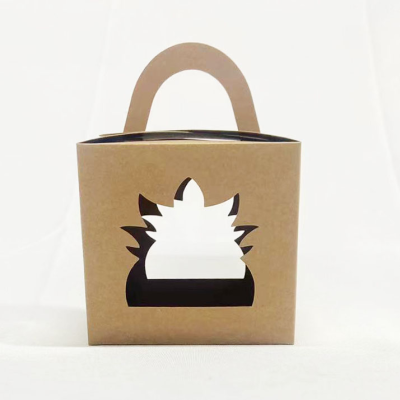


Recyclable Foldable Kraft Paper Boxes Custom Rectangular Cardboard Gift Boxes
$0.01 - $0.02
MOQ: 20000 pieces


Comprehensive Sourcing Guide
Recyclable Kraft Paper Box with Ribbon Sourcing Guide
A Recyclable Kraft Paper Box with Ribbon combines sustainable material presentation with a finished, gift-ready closure, making it a frequent choice for buyers sourcing cosmetic, jewelry, gift, health care product, and apparel packaging. Procurement teams typically encounter this category through custom folding carton and rigid-style box suppliers offering kraft paper, cardboard, and greyboard constructions with decorative closures. Because the ribbon element adds a secondary material and an assembly step, buyers should treat these boxes as a hybrid product: the paperboard specification, the ribbon attachment method, and the recyclability claim all need separate verification.
This guide walks through the full sourcing cycle for these boxes, from scoping what suppliers actually list to qualifying factories and setting up repeat-order controls. It draws only on signals commonly observed in product listings for corrugated and kraft paper packaging, such as customization availability, two-sided printing, offset and flexo printing options, and certification references like FSC, ISO, SGS, and BV. Use it as a checklist framework: confirm each point against supplier documentation rather than relying on listing text, since listed attributes describe a product family rather than a guaranteed configuration.
Product Scope and Observed Listing Signals
Listings in this category typically present the boxes under names such as folding shipping box with dividers, brown kraft boxes, corrugated packaging boxes in E flute, or cardboard paper box. Observed attributes commonly include kraft paper material, rectangular shape, magnetic closure features, two-sided printing pages, and applications spanning food, electronics, apparel, cosmetics, and household goods. Weight entries vary noticeably in listings, from lightweight units to declarations above 1.5 kilograms, which signals that the family covers both thin folding cartons and heavier rigid or corrugated constructions. Buyers should map their own product weight and dimensions against these ranges before shortlisting.
MOQ figures observed across related listings span from as low as 200 pieces up to 30,000, with some entries stating 500 pieces, while observed price points range from under one dollar to a few dollars per unit. This spread confirms that the same keyword surfaces very different product tiers. Listing models such as CP2018565624 or generic "paper boxes" identifiers should prompt buyers to request the actual specification sheet for the exact configuration, since model names alone rarely reveal flute type, board weight, or ribbon specification.
Technical Specifications to Verify
Start with the board itself. Listings reference kraft paper, corrugated, cardboard, and greyboard as possible materials, with flute options including A, B, C, E, and BE flute; E flute at roughly 2mm appears explicitly in some keywords. For a kraft box with ribbon, confirm board thickness in millimeters or points, basis weight in grams per square meter, and whether the ribbon is glued, slotted, threaded through die-cut openings, or tied manually. Each attachment method affects assembly cost, transit durability, and whether the ribbon can be removed for recycling. Request dimensional drawings in AI, PDF, or CAD formats, which suppliers commonly accept as artwork versions.
Then verify construction details that listings often leave implicit. Confirm whether the box ships flat for folding at destination or arrives set up, since folding designs reduce freight volume while rigid glued styles need master carton or pallet protection. Clarify printing approach: CMYK or solid color printing via offset or flexo, on one or both sides, and whether colors are matched to Pantone references. Ask how the ribbon color and width are specified, whether ribbon is supplied by the factory or the buyer, and what tolerance applies to ribbon placement, since inconsistent knotting or gluing is a common visual defect.
Compliance and Safety Documentation
Certification references observed in listings include FSC, BSCI, ISO9001 and ISO14001, BV, TUV, SGS, BRC, and FDA. Treat these as claims to verify, not guarantees. For FSC in particular, request the supplier's current chain-of-custody certificate number and scope, and confirm it covers the specific mill or converting site producing your boxes; a trading company may hold certification that does not extend to the actual manufacturer. If boxes will contact food, cosmetics, or health care products, ask which food-contact assessments apply to the kraft stock and any adhesives or inks used near the product surface.
Because the product is marketed as recyclable, ask the supplier to document what makes the construction recyclable in practice: uncoated or minimally coated kraft board, removable or paper-based ribbon, water-based or soy inks, and adhesive types. Some buyers request a material declaration or composition statement listing board, coating, ink, adhesive, and ribbon contents so their own sustainability teams can validate end-of-life claims. Also confirm which certifications are current by checking certificate validity dates and issuing bodies, and ask for recent third-party audit summaries where BSCI or ISO claims are central to your vendor requirements.
Cost Drivers and Commercial Terms
Pricing for these boxes is driven primarily by board type and weight, box size, print coverage, number of colors, ribbon material, and assembly labor. Observed listings show prices from roughly a cent to $2.50 per unit and MOQs from 200 to 30,000 pieces, so benchmark quotes against configurations matching yours rather than category averages. Customization is widely listed as available, but each custom element—die-cut ribbon slots, magnetic closures, Pantone matching, two-sided printing—adds tooling or setup cost. Ask suppliers to itemize tooling charges separately from unit price so future reorders can be priced without repeated plate fees.
Commercial terms observed include lead times of 7 to 10 working days after artwork confirmation, samples free of charge when stock versions exist, and shipment by sea, air, express, or truck. Confirm which lead-time figure applies to your box, since ribbon assembly and rigid construction often extend production beyond folding-carton timelines. Packaging method also affects landed cost: listings mention kraft paper bundles, master cartons, and pallets, with packing described as bundled by brown kraft paper with pallet. Ask for carton dimensions and units per carton so you can compute freight cost per piece across sea and air options.
Supplier Qualification and Quality Control
Verify manufacturing status directly. Some listings state "Manufacturer: Yes," while others originate from trading hubs such as Zhejiang or Shanghai; ask whether the entity quoting you converts the board in-house or subcontracts printing and ribbon assembly. Request evidence beyond certificates: a factory audit report or a virtual walkthrough showing die-cutting, printing, gluing, and ribbon attachment stations. For buyers with volume commitments, an on-site or third-party audit against the standards the supplier claims—ISO9001 for quality management, BSCI for social compliance—provides more assurance than certificate copies alone.
Set up quality control around the failure points specific to this construction. Define an inspection plan covering board thickness and stiffness, print color accuracy against approved proofs, glue strength at ribbon attachment points, ribbon alignment and knot consistency, and carton drop or compression performance appropriate to your shipping lane. Use a signed physical sample—often the free stock sample plus a pre-production sample in your exact specification—as the acceptance reference. Specify AQL sampling levels and defect classifications in writing before mass production, and require photo documentation of first-article output so deviations are caught before full-run packing.
Long-Term Procurement Checks
Build a reorder framework that protects consistency across production runs. Lock the approved artwork version—AI, PDF, or CAD files—under version control, and require the supplier to confirm the artwork revision number on every quotation and packing document. Maintain a specification sheet recording board supplier or grade, flute type, ribbon width and material, adhesive type, and Pantone references, and request that any material substitution be flagged and re-sampled before shipment. For seasonal or promotional volumes, confirm capacity reservations early, since 7-to-10-day lead times typically apply only after all artwork is confirmed and materials are available.
Finally, track sustainability and compliance on an ongoing basis rather than at onboarding alone. Renewal dates for FSC chain-of-custody and ISO certificates should sit in your supplier file with reminders, and annual requests for updated material declarations keep recyclability claims defensible. Monitor defect rates and returns by batch, and share inspection findings with the supplier to drive corrective actions. Periodically re-quote the same specification across the supplier base—customization is broadly offered in this category, and periodic benchmarking keeps unit pricing, tooling amortization, and freight efficiency aligned with market conditions as your volumes grow.
FAQs
Can I get free samples of recyclable kraft paper boxes?
Free samples are available for stock items only. You can request them without charge if the specific design is currently in inventory. Custom designs require a separate fee and production time before delivery to your location.
What certifications do these kraft paper boxes hold?
These boxes hold multiple certifications including FSC, BSCI, ISO9001, ISO14001, SGS, BV, TUV, and FDA. These standards ensure the materials meet safety and environmental requirements for food, electronics, and cosmetic applications globally.
How long is the lead time for custom orders?
The standard lead time is seven to ten working days after all artwork is confirmed. This duration applies to custom orders where the design has been finalized and approved by the manufacturer before production begins.
Which printing methods are available for these boxes?
Available printing methods include CMYK printing, solid color printing, offset printing, and flexo printing. You can choose from these options to apply your logo or specific color requirements using Pantone or CMYK color systems.
What is the minimum order quantity for these boxes?
The minimum order quantity is typically five hundred pieces, though some listings show ranges from two hundred to thirty thousand. Specific MOQs depend on the customization level and the specific product model selected for your order.
Can these boxes be customized with my logo?
Yes, all aspects can be customized including logo printing on the surface. You can provide artwork in AI, PDF, or CAD formats to ensure your branding is accurately applied to the kraft paper material during production.
What materials are used to make these boxes?
These boxes are made from corrugated cardboard, grey board, or kraft paper. The material options include various flute types like A, B, C, E, or BE flute to ensure durability and suitability for different product weights.