Source Cosmetic Grade Apricot Kernel Oil for Skincare
Find 30 listings for Cosmetic Grade Apricot Kernel Oil suitable for dry skin and body care applications. Compare OEM/ODM suppliers offering pure carrier oils with high purity levels and customizable packaging options for beauty formulations; compare the available evidence and request quotations based on your requirements.
Key considerations
Products List


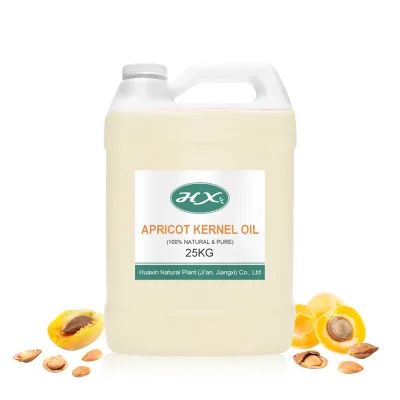
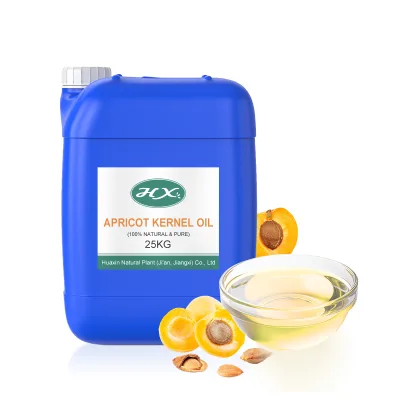
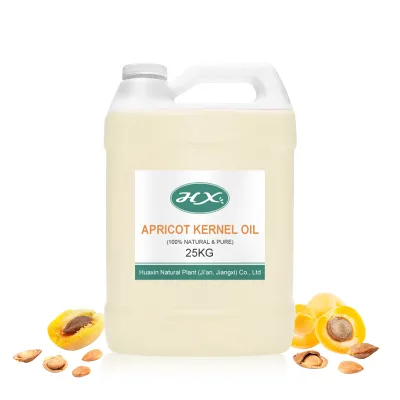
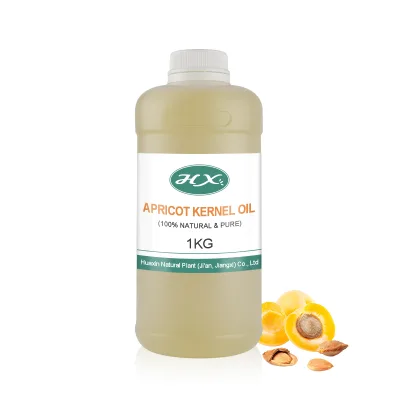


Beauty Cosmetics Hair Care Organic Coconut Oil Organic Natural Growth Hair Oil
$2.00 - $3.50
MOQ: 100 Pieces


Beauty Cosmetics Skin Care Control of Oil Anti-Hair Loss Hair Growth Oil
$2.20 - $3.00
MOQ: 100 Pieces

Beauty Cosmetics Skin Care Control Dandruff Treat Hair Loss Onion Hair Oil
$2.50 - $3.50
MOQ: 100 Pieces

Beauty Cosmetics Hair Care Moisten Control Frizz Rescue Styling Curly Gel
$2.20 - $3.00
MOQ: 100 Pieces



Comprehensive Sourcing Guide
Cosmetic Grade Apricot Kernel Oil Sourcing Guide
Procurement professionals must first distinguish between single-ingredient carrier oils and complex compound formulations when sourcing Cosmetic Grade Apricot Kernel Oil. The market data indicates a significant presence of products labeled as "Skin Whitening Body Oil" that combine apricot kernel oil with other active herbal ingredients, creating a distinct category from pure carrier oils. Buyers should verify whether the specific listing targets dry skin or all skin types, as the formulation dictates the final application scope and regulatory classification.
The observed product attributes reveal a wide variance in purity claims, ranging from 90% to 100% pure, alongside specific mentions of fatty odors and fresh scent profiles. This inconsistency requires careful scrutiny of the ingredient list to confirm if the product is a pure extraction from seeds or a blended compound designed for specific features like anti-aging or firming. Understanding this distinction is critical before initiating any commercial dialogue, as it determines the necessary technical specifications and compliance documentation required for your specific supply chain needs.
Product Scope and Observed Listing Signals
Buyers should analyze the observed listing signals to identify the specific functional claims associated with the product, noting that many entries highlight features such as whitening, dark circle reduction, and acne treatment. These claims often appear alongside the designation of the product as a "Compound Essential Oil" or a "Skin Revitalizer," suggesting that the supply may include additional active substances beyond the base apricot kernel oil. It is essential to confirm if the "Fat Smell" and "Fatty" fragrance type are inherent to the raw material or the result of added essential oils, as this impacts the sensory profile of the final cosmetic formulation.
The commercial listings frequently advertise customization options for volume, packaging, and private labeling, indicating a flexible supply chain capable of supporting OEM and ODM requirements. However, the presence of varying shelf life claims, such as 12 months versus 2 years, necessitates a direct inquiry into the specific storage methods and preservation techniques used by the supplier. Procurement teams must verify if the "Different Color" observation refers to batch variability or a specific product line, ensuring that the visual consistency required for your brand standards can be maintained across production runs.
Technical Specifications to Verify
Technical verification must begin with the raw material source, confirming that the oil is derived specifically from seeds and processed via extraction methods that align with cosmetic grade standards. The supply data mentions a "Pure Grade" separation and a "Carrot Seed Oil" standard, which creates a potential point of confusion that requires immediate clarification to ensure the product meets the specific chemical profile of apricot kernel oil. Buyers should request detailed chromatography reports to validate the amino acid composition and ensure the active substance content meets the stated thresholds of 90% or higher.
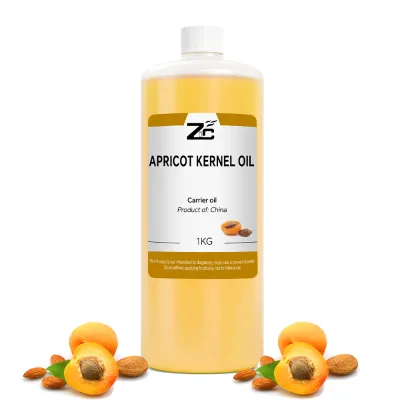
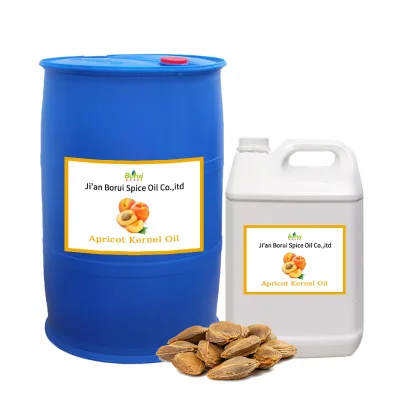
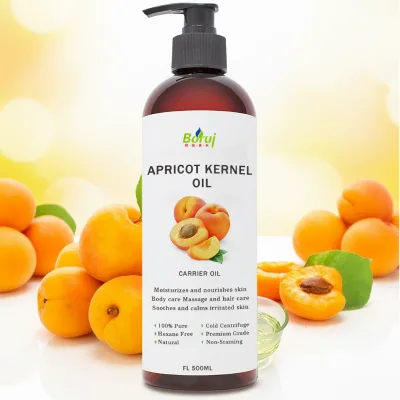
Storage and physical appearance parameters are equally critical, as the product is described as a liquid oil with a specific odor profile that may vary between fresh and fatty notes. Procurement teams must verify the exact storage method, typically normal conditions, and confirm the packaging material, which is often plastic, to ensure it does not interact negatively with the oil over its shelf life. Additionally, the single package size and bottle packing specifications should be reviewed to determine if they meet the logistical requirements of your distribution network and if the volume customization options can be scaled to your projected demand.
Compliance and Safety Documentation
Regulatory compliance is a primary concern, as the observed listings cite a diverse array of certifications including MSDS, FDA, CE, GMP, EEC, and ISO. Buyers must verify which specific certifications apply to the current batch and the manufacturing facility, as the presence of multiple labels does not guarantee that every product in the catalog meets all listed standards. It is imperative to request the most recent Certificate of Analysis (COA) and Material Safety Data Sheet (MSDS) to confirm that the product adheres to the safety regulations of your target market, particularly regarding the "Natural Herbal" active ingredients.
The origin of the product, often listed as China or specifically Jiangxi, requires a thorough review of the export compliance and traceability documentation. Procurement teams should ensure that the supplier can provide proof of origin and that the manufacturing process complies with Good Manufacturing Practices (GMP) to mitigate risks associated with contamination or inconsistent quality. Verifying the validity of these certifications with the issuing bodies is a necessary step before finalizing any purchase order, as reliance on unverified claims can lead to significant regulatory penalties and product recalls.
Cost Drivers and Commercial Terms
Cost structures in this market are heavily influenced by the degree of customization and the purity level of the oil, with MOQs ranging widely from 1 kilogram to 3000 units. Buyers should anticipate that lower minimum order quantities often come with a higher unit price, while larger volumes may unlock better pricing tiers but require significant capital commitment. The availability of private label services and customized logos adds a layer of complexity to the cost calculation, as these value-added services typically incur additional setup fees and per-unit costs that must be factored into the total landed cost.
Commercial terms must be clearly defined regarding the supply type, which is frequently listed as OEM/ODM, and the specific lead times associated with production and shipping. The observed price range of 0.5 to 30 USD suggests a high variance based on volume and specification, requiring a detailed request for quotation that breaks down costs for raw materials, processing, and packaging. Procurement professionals should negotiate clear terms for sample provision, as the availability of samples is a key factor in validating quality before committing to a larger commercial order, and should clarify payment terms to manage cash flow effectively.
Supplier Qualification and Quality Control
Supplier qualification requires a rigorous assessment of their production capabilities, specifically their ability to maintain the "Pure Grade" separation and consistent extraction methods for apricot kernel oil. Buyers should evaluate the supplier's track record in handling "All skin types" formulations and their capacity to deliver on the "Whitening" and "Anti-Aging" feature claims without compromising the integrity of the base oil. It is essential to verify if the supplier has a dedicated quality control team that performs regular testing on the active ingredients and ensures the product remains stable under normal storage conditions.
Quality control protocols must include a review of the supplier's testing procedures for purity, ensuring that the 99% or 100% pure claims are backed by independent laboratory results. Procurement teams should request a detailed quality assurance plan that outlines how the supplier manages batch-to-batch consistency, particularly regarding the odor and color variations observed in the market. Establishing a clear communication channel for quality issues and defining the rejection criteria for non-conforming products is vital to maintaining the high standards required for cosmetic grade ingredients.
Long-Term Procurement Checks
Long-term procurement success depends on establishing a robust framework for ongoing quality monitoring and supply chain resilience. Buyers should implement a schedule for periodic re-testing of the apricot kernel oil to ensure that the shelf life, whether 12 months or 2 years, is maintained throughout the product's lifecycle. Regular audits of the supplier's manufacturing processes and storage facilities are necessary to confirm that the "Normal" storage method is consistently applied and that the plastic packaging remains intact and non-reactive.
Strategic planning must also account for the potential for supply disruptions and the need to diversify sourcing options within the same category. Procurement teams should maintain a relationship with multiple suppliers who can provide the "OEM ODM Private Label Service" to ensure continuity of supply in case of unforeseen events. Finally, it is crucial to stay updated on changing regulatory requirements and market trends, as the demand for natural herbal ingredients and specific skin care benefits may evolve, requiring adjustments to the product specifications and sourcing strategy.
FAQs
What is the purity level of Cosmetic Grade Apricot Kernel Oil?
The product offers 99% to 100% pure grades, ensuring high-quality essential oil for skincare applications. It is classified as a pure carrier oil with natural herbal active ingredients. This high purity supports effective skin revitalization and moisturizing benefits for various skin types, including dry skin.
Can I get private label and OEM services for this oil?
Yes, OEM, ODM, and private label services are available for this Cosmetic Grade Apricot Kernel Oil. Buyers can customize logos, packaging materials, and bottle volumes to suit their brand needs. This flexibility allows businesses to create unique product identities while leveraging the oil's skin whitening and anti-aging features.
What certifications does the apricot kernel oil supplier hold?
The supplier holds multiple certifications including MSDS, COA, ISO, FDA, CE, GMP, and EEC compliance. These credentials verify the product's safety and quality standards for international trade. Such documentation ensures that the Cosmetic Grade Apricot Kernel Oil meets regulatory requirements for export and use in professional skincare formulations.
What is the minimum order quantity for bulk purchases?
The minimum order quantity starts at 1KG, making it accessible for small businesses and sample testing. Larger orders can scale up to 3000 units depending on specific requirements. This flexible MOQ structure supports both trial purchases and substantial bulk procurement for manufacturers seeking reliable Cosmetic Grade Apricot Kernel Oil sources.
How should the apricot kernel oil be stored to maintain quality?
Store the oil in normal conditions to preserve its freshness and efficacy. The product has a shelf life of over 12 months, with some listings indicating up to two years. Proper storage ensures the fatty fragrance and liquid oil consistency remain stable, maintaining its benefits for body care and skin whitening applications.
Is the apricot kernel oil suitable for all skin types?
Yes, the oil is formulated for all skin types, including dry skin. It functions as a skin revitalizer with nourishing and soothing properties. The natural herbal ingredients help address concerns like dark circles and wrinkles, making it a versatile choice for body and face care routines in cosmetic formulations.