Source Cosmetic Grade Acetyl Zingerone for skincare anti-aging supplements
Compare 30 listings for Cosmetic Grade Acetyl Zingerone from verified Chinese manufacturers. Buyers can review purity levels, packaging options, and shipping terms to find suitable suppliers for health care and anti-aging applications.
Key considerations
Products List


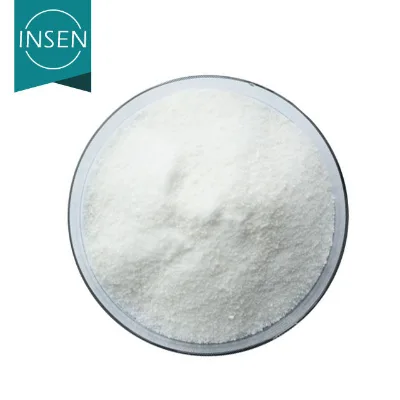


Citric Acid/Effective Alpha Hydroxyl Acid/Cosmetic Grade/Beauty Ingredients/CAS: 77-92-9
$500.00 - $600.00
MOQ: 1 Tons


Comprehensive Sourcing Guide
Strategic Sourcing Guide for Cosmetic Grade Acetyl Zingerone
Understanding the Chemical Profile and Technical Specifications
Acetyl Zingerone, chemically identified by the CAS number 30881-23-3 and also known as 4-(4-Hydroxy-3-Methoxyphenyl)-3-Buten-2-One, serves as a critical synthesis material intermediate in the formulation of high-performance cosmetic ingredients. For procurement professionals, the initial step involves distinguishing between various grades available in the market, as the core keyword "cosmetic grade" implies a specific threshold of purity and safety that differs from industrial or general chemical intermediates. The observed market data indicates that the product typically presents as a white powder, though some listings note a yellow coloration, suggesting potential variations in batch purity or oxidation states that require immediate verification.
The technical specifications for this compound are paramount. Buyers must verify the active ingredient content, as market observations range from 90% to 99% minimum purity. Specific product models, such as DR-225 and HDM-Acetyl zingerone, are associated with these variations. The standard assay for high-grade material is often cited at 98% or 99% min, which directly correlates with the efficacy of the ingredient in anti-aging formulations. It is essential to note that the resource origin is chemosynthesis, meaning the material is produced through chemical synthesis rather than extraction from natural plant sources. This distinction impacts the consistency of the supply chain and the reproducibility of the final cosmetic product's performance.
When evaluating the physical form, the appearance is consistently described as a powder, which facilitates uniform dispersion in cosmetic bases. However, the color variance between white and yellow requires a strict quality control protocol. A buyer should not assume that all listed "Acetyl Zingerone" products are identical in appearance. The packaging materials observed include PE pipes, aluminum foil bags, cardboard drums, and zip bags, which influence the stability of the powder during transit. The choice of packaging is not merely logistical but chemical; the material must prevent moisture ingress and light exposure to maintain the integrity of the active substance, which is sensitive to environmental conditions.
Compliance, Certification, and Regulatory Verification
In the cosmetics industry, compliance is not a suggestion but a prerequisite for market entry. When sourcing Acetyl Zingerone, the buyer must rigorously audit the supplier's certification portfolio. The available data points to several critical certifications, including ISO9001, GMP (Good Manufacturing Practice), Halal, and Kosher. These certifications indicate that the manufacturing facility adheres to international quality management systems and specific religious dietary standards, which can be a significant differentiator for global brands targeting diverse consumer bases.
The regulatory landscape for cosmetic ingredients is complex, and the presence of a certificate does not automatically guarantee compliance with every jurisdiction's specific regulations. Buyers must verify that the specific batch of Acetyl Zingerone meets the requirements of the target market, such as the EU Cosmetic Regulation or the US FDA guidelines. The test methods listed in the product data, including MSDS, HPLC (High-Performance Liquid Chromatography), UV, and TLC (Thin Layer Chromatography), are standard analytical techniques used to verify purity and identify impurities. However, the buyer must ensure that the supplier provides a Certificate of Analysis (CoA) generated using these specific methods for every shipment.
Furthermore, the storage requirements are a critical component of compliance. The product data specifies storage in a dry, cool place, or a dry, cool sealed container. Failure to adhere to these storage conditions during the supply chain can lead to degradation, rendering the ingredient non-compliant with safety standards. The shelf life is typically listed as two years or greater than 12 months, provided proper storage is maintained. This timeline is a contractual obligation between the buyer and the supplier; any deviation from the recommended storage environment can void the warranty and compromise the safety of the final cosmetic product.
Cost Drivers and Pricing Dynamics
The pricing of Acetyl Zingerone is influenced by a confluence of factors, including purity levels, packaging complexity, and the scale of the order. The observed price range in the market is extensive, spanning from $0.50 to $3,500. This wide variance is not indicative of a single product but rather reflects the difference between small sample quantities, bulk industrial orders, and specialized cosmetic-grade batches. The Minimum Order Quantity (MOQ) also plays a significant role in the unit cost, with observed ranges from 1 unit to 100 units.
Buyers should understand that the "cosmetic grade" designation often commands a premium over industrial grades due to the stricter quality control and certification requirements. The cost drivers include the complexity of the chemosynthesis process, the purity of the active ingredient (ranging from >90% to 99%), and the specific packaging materials used. For instance, aluminum foil bags and specialized drums offer better protection against moisture and light compared to standard cardboard drums, which may increase the unit cost but reduce the risk of product loss.
Additionally, the shipping method and terms significantly impact the total landed cost. Options such as air or sea freight, along with special shipping lines that facilitate smooth customs clearance, add to the overall expense. The lead time, observed as fast delivery within 7-10 days for fresh stock, suggests that inventory availability is a key cost factor. Suppliers with ready stock may charge a premium for immediate availability, whereas those with longer lead times might offer lower prices. Buyers must balance the urgency of their production schedule against the cost implications of expedited shipping and premium inventory.
Typical Applications in Cosmetic Formulations
Acetyl Zingerone is primarily utilized in the cosmetic industry for its functional benefits, specifically in anti-aging and healthy skin care applications. The active ingredient is recognized for its ability to support skin health, making it a valuable component in serums, creams, and lotions designed to combat signs of aging. The nutrient composition and the specific chemical structure of Acetyl Zingerone allow it to interact effectively with skin cells, promoting a healthier appearance.
The application extends beyond simple moisturization. As a synthesis material intermediate, it can be incorporated into various formulations to enhance the stability and efficacy of the final product. The "Health Care Supplement" designation also suggests potential use in oral beauty products or functional foods, although the primary focus for cosmetic grade material remains topical application. The versatility of the ingredient allows formulators to create products that target multiple skin concerns simultaneously, leveraging the anti-aging properties of the compound.
However, the application of Acetyl Zingerone is not without challenges. The color variance observed in the market (white vs. yellow) can affect the aesthetic appeal of the final cosmetic product. Formulators must ensure that the ingredient's color does not negatively impact the visual presentation of the cream or serum. Additionally, the stability of the active substance under different pH levels and temperatures must be tested to ensure that the ingredient remains effective throughout the product's shelf life.
Supplier Evaluation and Quality Control Protocols
Selecting the right supplier is a critical decision that impacts the quality and consistency of the final cosmetic product. Buyers should evaluate suppliers based on their production capabilities, quality control systems, and logistical reliability. The origin of the product, often cited as China or specifically Shaanxi, China, provides context for the supply chain but does not guarantee quality. Buyers must verify the specific manufacturing facility's capabilities and its adherence to the stated certifications.
Quality control protocols should be a central part of the supplier evaluation. The test methods mentioned, such as HPLC, UV, and TLC, must be employed by the supplier to verify the purity and identity of the product. Buyers should request detailed test reports for every batch, ensuring that the assay results match the claimed purity levels (e.g., 98% or 99%). The presence of a Certificate of Analysis (CoA) is non-negotiable, and it should be cross-referenced with the supplier's internal quality records.
Furthermore, the packaging and shipping methods are indicators of a supplier's attention to detail. The use of specialized packaging, such as aluminum foil bags or sealed drums, demonstrates a commitment to maintaining product integrity. Buyers should also assess the supplier's ability to handle customs clearance and their experience with international shipping. The availability of fresh stock and the ability to provide fast delivery within 7-10 days are significant advantages, but they must not come at the expense of quality. A reliable supplier will balance speed with rigorous quality assurance.
Long-Term Procurement Considerations and Supply Chain Stability
Sourcing Acetyl Zingerone for long-term cosmetic production requires a strategic approach that extends beyond immediate transactional needs. Buyers must consider the stability of the supply chain, the consistency of the product quality, and the potential for future regulatory changes. The shelf life of the product, typically two years, necessitates careful inventory management to prevent waste and ensure that the ingredient remains effective when used.
The customization options available for the product, such as specific packaging sizes (1kg/bag, 25kg/drum) and purity levels, offer flexibility for different production scales. However, buyers should establish clear specifications with their suppliers to ensure that the customized product meets their exact requirements. The availability of samples is a valuable resource for testing and validation, allowing buyers to assess the quality of the product before committing to large orders.
Long-term procurement also involves building a relationship with the supplier that fosters open communication and mutual trust. Regular audits, quality reviews, and feedback loops can help identify and address potential issues before they impact production. The buyer should also monitor market trends and regulatory updates to ensure that the sourcing strategy remains compliant and competitive. By focusing on these long-term considerations, buyers can secure a reliable supply of high-quality Acetyl Zingerone that supports the growth and success of their cosmetic brands.
Comparative Analysis of Product Attributes
To facilitate a clearer understanding of the variations in the market, the following table summarizes the key attributes observed in the product listings. This comparison highlights the diversity in specifications, packaging, and certifications that buyers must navigate.
| Attribute | Observation A | Observation B | Observation C |
|---|---|---|---|
| Appearance | White Powder | White Powder | Yellow |
| Purity (Assay) | 98% | 99% min | >90% |
| Packaging | PE Pipe, 1kg/Bag | Aluminum Foil Bag | Cardboard Drums |
| Certification | ISO9001, Halal, Kosher | GMP | None Listed |
| Origin | China | Shaanxi, China | China |
| Shelf Life | 2 Years | >12 Months | 2 Years Proper Storage |
| Test Method | HPLC, UV, TLC | MSDS | HPLC UV Tlc |
| Application | Anti-Aging, Healthy | Health Care Supplement | Industrial |
This table underscores the importance of verifying specific attributes against the buyer's requirements. The variation in color and purity levels necessitates a rigorous testing protocol to ensure that the selected product meets the stringent standards of Cosmetic Grade Acetyl Zingerone. By carefully analyzing these attributes, buyers can make informed decisions that align with their quality and compliance objectives.
FAQs
What is the typical purity level for Cosmetic Grade Acetyl Zingerone?
The typical purity level ranges from 98% to 99% minimum for high-grade material. Buyers must verify the specific assay results, as some listings indicate content greater than 90% or exactly 99% depending on the product model and manufacturer standards.
How should Cosmetic Grade Acetyl Zingerone be stored to maintain quality?
It must be stored in a dry, cool place or a dry, cool sealed container to prevent degradation. Adhering to these conditions is essential to maintain the two-year shelf life and ensure the ingredient remains safe for cosmetic formulations.
Which certifications are commonly available for acetyl zingerone manufacturers?
Common certifications include ISO9001, GMP, Halal, and Kosher, indicating adherence to international quality and religious dietary standards. Buyers should request valid certificates to ensure the manufacturing facility meets specific regulatory requirements for global markets.
Can buyers obtain samples of Cosmetic Grade Acetyl Zingerone before bulk orders?
Yes, samples are available for testing and validation prior to committing to large orders. This allows buyers to assess the physical appearance and purity levels, which may vary between white powder and yellow powder depending on the batch.
What packaging options are available for shipping acetyl zingerone?
Packaging options include PE pipes, aluminum foil bags, cardboard drums, and zip bags to ensure stability. The choice of material is critical to prevent moisture ingress and light exposure, which could compromise the integrity of the active substance during transit.
What is the typical lead time for shipping fresh stock of acetyl zingerone?
Fast delivery is typically available within 7 to 10 days for fresh stock ready for shipment. This rapid turnaround is possible when suppliers maintain inventory, though shipping terms and customs clearance processes may influence the final arrival date.
Which chemical specifications define the identity of acetyl zingerone?
The product is defined by CAS number 30881-23-3 and the chemical name 4-(4-Hydroxy-3-Methoxyphenyl)-3-Buten-2-One. These specifications confirm the identity of the synthesis material intermediate used in anti-aging and health care supplement applications.