Source Cosmetic Storage Box for Home, Exhibition, and Travel
Compare 30 Cosmetic Storage Box options featuring acrylic, leather, and PU materials with customizable sizes and styles. Buyers can evaluate specifications for home organizers, exhibition displays, and professional travel use across various models.
Key considerations
Products List

Desktop Cosmetic Plastic Storage Box Makeup Organizer Plastic Storage Box
$1.50 - $2.50
MOQ: 1000 Pieces


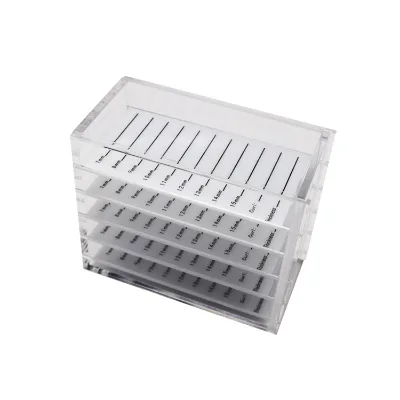


$0.25 - $2.12
MOQ: 5000 Pieces


Comprehensive Sourcing Guide
Strategic Sourcing Guide for Cosmetic Storage Boxes
Navigating the global market for cosmetic storage solutions requires a disciplined approach that balances aesthetic requirements with rigorous functional specifications. The category of cosmetic storage boxes encompasses a diverse array of products, ranging from rigid acrylic organizers to soft, portable PU leather cases. For procurement professionals, the primary challenge lies in distinguishing between generic storage containers and specialized units designed for specific retail, exhibition, or personal use cases. This guide outlines the critical technical, compliance, and operational factors necessary for sourcing high-quality cosmetic storage boxes without relying on unverified supplier claims.
Technical Specifications and Material Analysis
The foundation of any successful procurement strategy begins with a precise understanding of material composition and physical dimensions. The market offers distinct material profiles, each serving different functional needs. Acrylic is a prevalent choice for rigid, transparent, or semi-transparent storage units, offering durability and a modern aesthetic suitable for home organizers or retail displays. In contrast, PU leather and genuine leather options provide a softer, more luxurious feel, often featuring specific hardness ratings such as "Medium Soft" or "Partial Hard" to ensure the box maintains its shape while remaining portable.
Dimensions are equally critical, as they dictate storage capacity and logistics efficiency. Standardized sizes observed in the market include compact units measuring approximately 8.563cm, ideal for lipstick or small item storage, while larger exhibition or professional cases may reach dimensions like L25W12.5H18cm or even L17W12H34cm. Thickness specifications, such as 3mm for certain acrylic models, are vital for ensuring structural integrity. Buyers must verify that the selected product matches the intended load, whether for displaying cosmetics in a supermarket, organizing items at home, or transporting professional kits during travel.
Furthermore, the shape and structural design vary significantly. Options include horizontal square configurations, box types, and specialized shapes designed for specific product lines. Features such as single-open mechanisms or button fasteners add functional complexity that must be aligned with the user's workflow. When evaluating technical specs, procurement teams should prioritize products that explicitly state their standard dimensions and material thickness to avoid discrepancies in the final delivery.
Compliance, Certification, and Safety Standards
In the B2B sector, compliance is not merely a formality but a prerequisite for market access and brand safety. While specific product listings may reference various certifications, buyers must independently verify the validity of these claims. The industry often references standards such as CE, SGS, SEDEX, and ISO9001. These designations indicate adherence to specific quality management systems, social compliance, and safety protocols. However, the presence of a standard like ISO9001 on a product page does not automatically guarantee that every unit in a shipment meets the criteria; it typically refers to the supplier's manufacturing system.
Safety standards for cosmetic packaging are particularly important when the product is intended for direct contact with beauty products or for use in environments with strict hygiene regulations. Buyers should request current, verifiable test reports from independent laboratories rather than relying on self-declared compliance. Additionally, environmental standards and anti-theft features, or the lack thereof, must be clearly documented. Some products are explicitly marked as "Not Antitheft," which is a crucial detail for high-value inventory management in retail settings.
When assessing suppliers, the origin of the product plays a significant role in compliance expectations. Products originating from Mainland China are common in this sector, and buyers should ensure that the supplier can provide documentation proving adherence to both local manufacturing standards and the import regulations of the destination country. Verification of these standards should be a non-negotiable step in the supplier qualification process.
Cost Drivers and Pricing Dynamics
Understanding the cost structure of cosmetic storage boxes is essential for budgeting and negotiation. The observed price range in the market spans from $0.01 to $36, a wide variance that reflects differences in material quality, customization levels, and order volume. The primary cost drivers include the raw material type, with acrylic and leather generally commanding higher prices than basic plastics. Customization is a significant factor; products offering custom logos, OEM services, and tailored dimensions will inherently cost more than off-the-shelf items.
Minimum Order Quantity (MOQ) is another critical determinant of unit cost. The market exhibits an MOQ range from 1 to 10,000 units. Lower MOQs, such as 1 or 10 units, are often associated with higher per-unit costs due to the setup overhead for small batches. Conversely, larger orders of 10,000 units typically benefit from economies of scale, reducing the unit price. Buyers must balance their inventory needs with cash flow constraints to determine the optimal order size.
Packaging standards also influence the final landed cost. Products shipped in cartons with specific quantities per carton (e.g., 10 pieces per carton) and defined gross weights (e.g., 5.2kg per carton) affect shipping logistics. Buyers should calculate the total cost of ownership, including freight, duties, and handling, rather than focusing solely on the ex-factory price. The complexity of the design, such as brocade embroidery or specific "Guofeng" (Chinese traditional) styles, can also add to the manufacturing cost due to the labor intensity involved.
Typical Applications and Usage Scenarios
Cosmetic storage boxes serve a wide spectrum of applications, ranging from domestic organization to professional and commercial use. The intended usage dictates the required durability, aesthetic, and functional features. For home organizers, the focus is often on compactness and style, with products designed to fit on vanity tables or in drawers. These units frequently feature "Horizontal Square" shapes and are marketed for their ability to organize cosmetics neatly.
In the commercial sector, the requirements shift towards display and durability. Products used in exhibition shows, specialty stores, and supermarkets must be robust enough to withstand frequent handling and capable of attracting customer attention. Features like "Indoor" display placement and specific dimensions ensure they fit standard shelving units. Professional users, such as makeup artists, require portable solutions that can withstand travel. PU leather cases with "Medium Soft" hardness and button fasteners are ideal for this demographic, offering protection and ease of transport.
The gender-specific design is another consideration. While some products are marketed specifically for female users, others are designed as unisex, suitable for a broader audience. Understanding the end-user profile is crucial for selecting the right product. For instance, a box intended for a luxury retail display may require a "Brocade Embroidery" finish to match a high-end brand identity, whereas a basic supermarket organizer might prioritize functionality and cost-efficiency over decorative elements.
Supplier Evaluation and Verification
Selecting the right supplier is a multifaceted process that goes beyond price comparison. Buyers must evaluate a supplier's capability to meet specific customization needs, such as custom logos and OEM services. The availability of customization is a key differentiator, with some suppliers offering fully customized solutions while others provide only non-customized, standard products. This distinction is vital for brands looking to maintain a unique identity.
Verification of the supplier's production capacity and quality control processes is essential. Buyers should request evidence of their ability to handle large volumes, given the observed MOQ range up to 10,000 units. The supplier's origin, typically Mainland China for this category, should be verified against the buyer's import requirements. Additionally, the supplier's track record in meeting lead times and maintaining consistent quality across batches must be assessed.
Communication and responsiveness are also key indicators of a reliable partner. Suppliers who provide clear, detailed specifications regarding materials, dimensions, and standards are more likely to deliver products that meet expectations. Buyers should avoid suppliers who are vague about their capabilities or who make unverified claims about performance and certifications. A thorough due diligence process, including sample requests and factory audits if possible, is the most effective way to mitigate sourcing risks.
Quality Control and Long-Term Procurement
Implementing a robust quality control (QC) strategy is fundamental to ensuring that cosmetic storage boxes meet the required standards. QC should cover material integrity, dimensional accuracy, and finish quality. For acrylic products, checking for scratches, bubbles, or incorrect thickness is necessary. For leather and PU products, inspecting the stitching, fastener strength, and color consistency is critical. The hardness rating, whether "Partial Hard" or "Medium Soft," must be verified to ensure the product performs as intended under stress.
Long-term procurement considerations involve building a sustainable relationship with suppliers who can consistently deliver high-quality products. This includes establishing clear communication channels for addressing defects and ensuring that the supplier can scale production as demand grows. Buyers should also consider the environmental impact of the materials used and the supplier's commitment to sustainable practices.
Finally, maintaining a clear record of specifications and standards for each order is essential for future reference and quality assurance. By documenting the exact models, dimensions, and materials used in successful transactions, buyers can streamline the reordering process and ensure consistency in their product offerings. This disciplined approach to quality control and supplier management will ultimately lead to a more efficient and reliable supply chain for cosmetic storage solutions.
FAQs
What materials are used for cosmetic storage boxes?
Common materials include acrylic, PU leather, and genuine leather. Acrylic offers rigidity for home organizers, while PU and leather provide softer, portable cases with varying hardness levels like partial hard or medium soft.
Can I customize the logo and dimensions of these boxes?
Yes, customization is available for logos and dimensions. Many suppliers accept OEM requests and offer custom sizes, though some standard models like the OU-AN334 may have fixed specifications such as 8.5*6*3cm.
What certifications do Cosmetic Storage Box manufacturers typically hold?
Manufacturers often hold standards like CE, SGS, SEDEX, and ISO9001. These certifications indicate adherence to quality management and safety protocols, though buyers should verify specific test reports for individual shipments.
How does the minimum order quantity affect pricing?
MOQ ranges from 1 to 10,000 units, significantly impacting unit cost. Lower quantities like 1 unit often cost more due to setup overhead, while larger orders benefit from economies of scale and lower per-unit prices.
Which dimensions are suitable for lipstick storage?
Compact units measuring approximately 8.5*6*3cm are ideal for lipstick storage. Larger models, such as those at L25*W12.5*H18cm, are better suited for professional kits or exhibition displays requiring more capacity.
Are these boxes waterproof and suitable for indoor use?
Many cosmetic storage boxes are designed to be waterproof and intended for indoor display. Features like button fasteners and specific shapes ensure they protect contents while fitting standard shelving in homes or stores.