Source Cosmetic Sample Pouch for Cosmetics, Skincare, and Sunscreen
Find 30 Cosmetic Sample Pouch options from verified suppliers. Compare features like moisture proof, recyclable, and disposable materials for cosmetics, skincare, and sunscreen applications with customizable sizes and MOQs; compare the available evidence and request quotations based on your requirements.
Key considerations
Products List


Custom Cosmetic Sample Pouch Sealed Packaging Plastic Foil Bag Small Skin Care Bag
$0.10 - $0.30
MOQ: 10000 Pieces
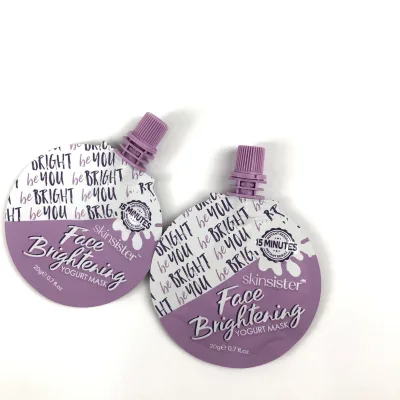


Customized Whole Sale Promotion Make up Cosmetic Package Bag Pouch Case Hand Bag
$0.30 - $0.80
MOQ: 3000 Pieces


Somewang Plastic Pouch Bag Cosmetic Cream Skincare Refillable Trial Samples
$0.01 - $0.05
MOQ: 30000 Pieces

Hot Sale Large Capacity Travel Zipper Storage Pouch Corduroy Makeup Cosmetic Bag
$1.12 - $1.35
MOQ: 500 Pieces


Comprehensive Sourcing Guide
Cosmetic Sample Pouch Sourcing Guide
The Cosmetic Sample Pouch market offers diverse packaging solutions tailored for skincare, sunscreen, and chemical applications. Buyers observe a wide range of product attributes, including multicolor options and custom printing capabilities that allow for distinct brand identity. These pouches are frequently designed as stand-up bags or upright bags, utilizing materials like polypropylene or laminated structures to ensure product integrity during transit and storage.
Procurement decisions must account for varying minimum order quantities, which range significantly from 500 pieces to 30,000 pieces depending on the supplier and specific customization needs. While some vendors offer free samples to validate quality, the production lead times typically span 15 to 25 days. Understanding these commercial variables is essential for aligning inventory planning with production schedules and managing cash flow effectively.
Product Scope and Observed Listing Signals
Buyers should verify that the selected pouches meet specific functional requirements such as moisture proofing, shock resistance, and antistatic properties. The observed product listings indicate that these bags are often designed for disposable use and may feature bio-degradable or recyclable characteristics, which are increasingly important for sustainability goals. The shape and style, ranging from simple sachets to complex stand-up pouches, must align with the viscosity and volume of the cosmetic product being packaged.
Material composition is a critical signal, with listings showing options like food-grade PE, laminated materials, and composite structures involving PET, VMPET, or aluminum layers. These material choices directly influence the barrier properties and shelf life of the cosmetic sample. Procurement teams must ensure the raw materials, such as polypropylene or specific laminates, are compatible with the product formulation to prevent chemical interactions or leakage during the sample distribution phase.
Technical Specifications to Verify
Technical verification begins with confirming the sealing method and handle design, as heat seal integrity is paramount for preventing leaks in liquid or cream samples. Buyers must check that the specified models, such as the WY-02-05 or similar skincare bag variants, support the required size customization to accommodate different sample volumes. The standard layering, often cited as PET/VMPET/PE/AL/PA/CPP, dictates the barrier performance against light, oxygen, and moisture, which must be validated against the specific stability needs of the cosmetic formula.
Dimensional accuracy and structural integrity are equally vital, with many suppliers offering custom sizes to fit specific branding or dispensing requirements. The production process, often described as composite packaging, requires scrutiny to ensure the layers are bonded correctly without delamination. Buyers should request physical samples to test the tensile strength and seal durability, ensuring the pouch can withstand the rigors of shipping and handling without compromising the product inside.
Compliance and Safety Documentation
Safety documentation is non-negotiable when sourcing packaging for cosmetic applications, particularly those intended for direct contact with skin or sensitive formulations. While some listings mention ISO certifications, buyers must explicitly request valid certificates to confirm that the manufacturing facility adheres to recognized quality management systems. It is crucial to verify that the materials used, such as food-grade plastics or specific laminates, comply with relevant regional safety standards for cosmetic packaging to avoid regulatory hurdles.
Environmental compliance is another key area, with many suppliers highlighting features like recyclability and bio-degradability. Procurement teams should demand third-party test reports or declarations of conformity to substantiate these environmental claims, as marketing these attributes without proof can lead to reputational risk. Additionally, verifying that the printing inks and adhesives used in the customized designs are non-toxic and safe for cosmetic contact ensures the final product meets global safety expectations.
Cost Drivers and Commercial Terms
Cost structures for cosmetic sample pouches are heavily influenced by the complexity of the material layers and the extent of customization required. High-performance laminates with aluminum or metallized layers generally command higher prices than standard polypropylene options, while custom printing and unique bag styles add further expense. Buyers must analyze the trade-off between material costs and the desired barrier properties to optimize the budget without compromising product protection.
Commercial terms, including minimum order quantities and lead times, vary widely and significantly impact the total cost of ownership. Some suppliers require orders as low as 500 pieces, while others set thresholds at 10,000 or 30,000 pieces, affecting unit pricing and inventory holding costs. Lead times of 15 to 25 days must be factored into the supply chain timeline, and shipping methods, whether by sea, air, or road, will add variable logistics costs that differ based on urgency and destination.
Supplier Qualification and Quality Control
Supplier qualification requires a thorough assessment of their production capabilities and quality control protocols, especially given the diverse origins of listed products from regions like Guangdong and Jiangxi. Buyers should verify the supplier's capacity to handle custom orders and their track record in producing specific bag types like zipper bags or stand-up pouches. A robust quality control system is essential to ensure consistency in seal strength, print quality, and material thickness across large production runs.
Quality control checks should extend to the packaging and shipping process, as the final product must arrive in pristine condition. Listings indicate various packing methods, from carton boxes to paper packing, which must be sufficient to protect the pouches during transit. Buyers should implement incoming quality inspections to verify that the received goods match the agreed specifications, including color accuracy, size dimensions, and the absence of defects like pinholes or weak seals.
Long-Term Procurement Checks
Establishing a long-term partnership requires regular performance reviews to ensure the supplier consistently meets quality and delivery expectations. Buyers should monitor key performance indicators such as defect rates, on-time delivery percentages, and responsiveness to custom requests. Continuous communication regarding material availability and potential supply chain disruptions helps mitigate risks and ensures a stable supply of cosmetic sample pouches for ongoing marketing campaigns.
Future-proofing the procurement strategy involves staying informed about evolving material standards and sustainability trends in the packaging industry. As regulations tighten and consumer preferences shift toward eco-friendly options, suppliers must demonstrate their ability to adapt their product lines accordingly. Regular audits and collaborative discussions on innovation will help maintain a competitive edge and ensure the packaging solution remains aligned with the brand's long-term strategic goals.
FAQs
What materials are used for cosmetic sample pouches?
Cosmetic sample pouches are typically made from plastic, laminated materials, or food-grade materials. Common raw materials include polypropylene and PE plastic. Some options feature composite packaging structures like PET/VMPET/PE/AL/PA/CPP for enhanced barrier properties and durability during shipping and storage.
Can I customize the size and color of these pouches?
Yes, customization is available for both size and color. Buyers can request custom sizes to fit specific product volumes and choose from multicolor options or custom color matches. This flexibility ensures the packaging aligns perfectly with brand identity and specific cosmetic sample requirements.
What is the typical MOQ for these cosmetic pouches?
The minimum order quantity varies by supplier and product type. Observed MOQs range from 500 pieces to 30,000 pieces. Some suppliers offer lower MOQs of 1,000 or 1,0000 pieces, while others require higher volumes. Buyers should confirm specific MOQs with their chosen manufacturer.
How long does production take for custom orders?
Production lead times generally range from 15 to 25 days. This timeframe allows for material sourcing, printing, and manufacturing of custom cosmetic sample pouches. Buyers should plan their procurement schedule accordingly to ensure timely delivery, especially for large volume orders requiring specific customization.
Are free samples available for cosmetic sample pouches?
Free samples are often available for potential buyers to evaluate quality and design. Suppliers may provide samples of skincare sachets or stand-up pouches to help assess material feel and print accuracy. Buyers should contact suppliers directly to request samples and confirm any associated shipping costs.
What features do these cosmetic pouches offer?
These pouches offer features such as moisture proofing, shock resistance, and antistatic properties. Many are disposable and recyclable, with some options being bio-degradable. These characteristics ensure product protection, ease of use, and alignment with sustainability goals for cosmetic brands seeking eco-friendly packaging solutions.