Source Cosmetic Tranexamic Acid for Skin Care, Medicine, and Food
Find 30 listings for Cosmetic Tranexamic Acid from China. Compare suppliers offering 98-99% purity white powder in 1kg or 25kg packaging. Verify ISO, FDA, and GMP certifications for use in health care, food, and beauty products; compare the available evidence and request quotations based on your requirements.
Key considerations
Products List


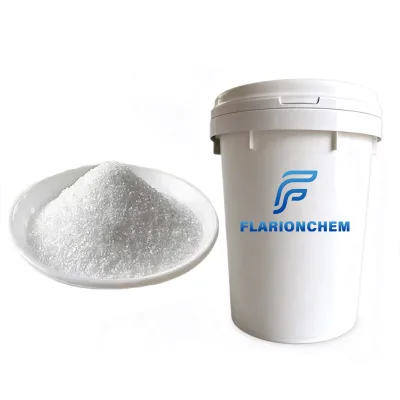


Wholesale Price Acid Tranexamic Txa Tranexamic Acid Powder Cosmetic Grade
$62.00 - $79.10
MOQ: 5000 kg


Comprehensive Sourcing Guide
Cosmetic Tranexamic Acid Sourcing Guide
Sourcing Cosmetic Tranexamic Acid requires careful attention to purity grades and application-specific formulations. Buyers must distinguish between pharmaceutical-grade intermediates and those specifically processed for topical beauty products. The market offers various packaging options, ranging from small aluminum foil bags for samples to large drums for industrial use. Understanding these distinctions is critical for ensuring the raw material meets the stringent quality standards required for skin-lightening and anti-inflammatory cosmetic formulations.
Procurement teams should verify the physical state and appearance of the powder before placing orders. Most listings describe the product as a white powder, which is the standard expectation for high-purity tranexamic acid. However, some entries may list liquid states or different models, indicating potential variations in formulation or concentration. Buyers need to confirm that the received material matches the specified CAS number and assay methods to avoid discrepancies in final product efficacy and stability.
Product Scope and Observed Listing Signals
The observed market signals indicate a wide range of product models and origins, primarily sourced from China. Listings show variations in model numbers such as WG-SA-05, WELLGREEN-TAP, and SENTIAN-Tranexamic Acid, suggesting different supplier branding or internal coding systems. These identifiers help buyers track specific batches and verify consistency across reorders. The presence of multiple origin locations, including Shanxi and Shaanxi provinces, highlights the geographic concentration of manufacturing capabilities in this sector.
Price and minimum order quantity (MOQ) signals vary significantly across suppliers. Observed prices range from low-cost entry points to higher tiers, reflecting differences in purity, packaging, and service levels. MOQs can start as low as one kilogram for samples or small trials, scaling up to ten thousand units for bulk contracts. Buyers should use these signals to segment suppliers into sample providers, small-batch manufacturers, and large-scale producers, aligning their procurement strategy with their current production volume needs.
Technical Specifications to Verify
Verification of purity is a primary technical requirement for Cosmetic Tranexamic Acid. Listings frequently cite purity levels of 98% or 99%, which are critical for ensuring consistent performance in skincare applications. Buyers must request detailed assay reports, often utilizing High-Performance Liquid Chromatography (HPLC) methods, to confirm these percentages. Discrepancies in purity can lead to inconsistent results in final cosmetic products, affecting both efficacy and consumer safety.
Packaging specifications also require close scrutiny to prevent contamination and ensure shelf stability. Common packaging formats include one-kilogram aluminum foil bags and twenty-five-kilogram drums or cartons. The choice of packaging depends on the order quantity and storage conditions. Buyers should verify that the packaging materials are suitable for long-term storage in cool, dry places, as indicated by supplier recommendations. Proper sealing is essential to maintain the integrity of the white powder and prevent moisture absorption.
Compliance and Safety Documentation
Compliance with international standards is non-negotiable for cosmetic raw materials. Suppliers often provide certifications such as ISO9001, GMP, and FDA approval, which indicate adherence to quality management and manufacturing practices. Buyers must verify the validity of these certificates and ensure they cover the specific product model being purchased. Documentation like MSDS (Material Safety Data Sheets) is also crucial for safe handling, transportation, and storage procedures within the supply chain.
Additional certifications such as Halal, Kosher, and EEC compliance may be required depending on the target market and brand positioning. These certifications demonstrate that the product meets specific religious or regional regulatory requirements. Buyers should request copies of these certificates during the qualification phase. Ensuring that all necessary documentation is in place before shipment helps avoid customs delays and ensures that the final cosmetic products can be legally sold in the intended regions.
Cost Drivers and Commercial Terms
Several factors influence the final cost of Cosmetic Tranexamic Acid, including purity, packaging, and order volume. Higher purity grades and specialized packaging, such as individual aluminum foil bags, typically command higher prices. Buyers should analyze the cost per kilogram across different MOQs to identify the most economical purchasing strategy. Understanding these cost drivers allows for better budget forecasting and negotiation with suppliers.
Commercial terms such as sample availability and shipment timelines also impact procurement planning. Many suppliers offer small samples, ranging from ten to twenty grams, allowing buyers to test quality before committing to larger orders. Shipment times are often cited as around five days, indicating relatively quick turnaround for standard items. Buyers should clarify these terms in writing to ensure alignment on delivery expectations and sample costs, which may or may not be refundable against bulk orders.
Supplier Qualification and Quality Control
Qualifying suppliers involves more than just reviewing certifications; it requires assessing their production capacity and quality control processes. Suppliers with monthly capacities of five thousand kilograms or more are better suited for large-scale procurement. Buyers should inquire about their internal testing protocols and how they handle batch-to-batch consistency. A robust quality control system ensures that the tranexamic acid meets the specified purity and appearance standards consistently.
Site audits or third-party inspections can provide additional assurance of supplier reliability. Buyers should verify that the supplier’s facilities adhere to GMP standards and maintain proper storage conditions. Checking references from other cosmetic manufacturers can also provide insights into the supplier’s performance and customer service. Establishing a strong relationship with a qualified supplier reduces the risk of supply chain disruptions and ensures a steady flow of high-quality raw materials.
Long-Term Procurement Checks
Long-term procurement success depends on regular performance reviews and continuous verification of supplier compliance. Buyers should conduct periodic audits of supplier certifications and quality reports to ensure ongoing adherence to standards. Monitoring changes in regulatory requirements, such as updates to FDA or EEC guidelines, is essential for maintaining compliance. Proactive management of these checks helps mitigate risks and ensures that the sourced materials remain suitable for their intended cosmetic applications.
Building a diversified supplier base can enhance supply chain resilience. Relying on a single source may expose buyers to risks such as production delays or quality issues. By maintaining relationships with multiple qualified suppliers, buyers can ensure continuity of supply and leverage competition for better terms. Regular communication with suppliers about market trends and product innovations can also provide opportunities for improving product quality and reducing costs over time.
FAQs
What certifications are available for Cosmetic Tranexamic Acid?
Available certifications include FDA, ISO, GMP, EEC, CE, Halal, and Kosher. These documents verify compliance with safety and quality standards required for medicine, health care products, and food applications. Buyers should request specific certificates based on their regional regulatory needs before placing orders.
How is Cosmetic Tranexamic Acid typically packaged for shipment?
Products are commonly packed in 1kg aluminum foil bags or 25kg drums. Some listings also offer 25kg cartons or 1kg bags. This flexible packaging supports various order quantities, ranging from small samples of 10g to bulk industrial shipments, ensuring product integrity during transport.
What is the minimum order quantity for Cosmetic Tranexamic Acid?
The minimum order quantity typically starts at 1kg for most suppliers. However, some vendors may accept orders as low as 1 unit or up to 10,000 units depending on the specific product model. Buyers should confirm the exact MOQ with the manufacturer to align with their procurement budget.
Can Cosmetic Tranexamic Acid be customized for specific needs?
Yes, customization is available for this product. Manufacturers can adjust specifications to meet unique requirements for dermal system applications or beauty products. Buyers should discuss their specific needs regarding purity, assay methods, or packaging to ensure the final product matches their intended use case effectively.
Where is Cosmetic Tranexamic Acid manufactured and shipped from?
Manufacturing originates from regions like Shanxi and Shaanxi in China. Products are shipped via ordinary goods trucks with a typical lead time of 5 days. The origin location influences logistics planning, and buyers should verify the specific factory location to ensure reliable supply chain management for their orders.
What is the shelf life of Cosmetic Tranexamic Acid powder?
The shelf life is generally 2 years or 24 months when stored correctly. Products should be kept in a cool, dry place to maintain their white powder appearance and 98% purity. Proper storage conditions are essential to preserve the antioxidant effectiveness and ensure the material remains suitable for cosmetic raw materials.