Source Cotton Rope Decorative Basket for Home, Hotel, and Laundry
Explore 30 listings for Cotton Rope Decorative Basket options suitable for home decoration, hotel use, and laundry storage. Buyers can compare models like 01, 07, and 10, noting variations in size, material such as plant fiber or cotton rope, and customization services including custom logos.
Key considerations
Products List


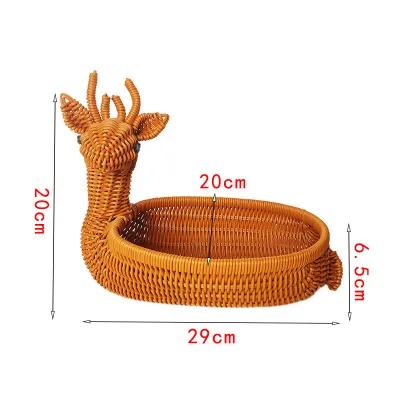
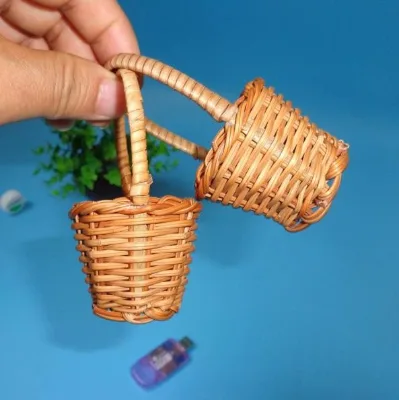
Comprehensive Sourcing Guide
Strategic Sourcing Guide for Cotton Rope Decorative Baskets
Understanding Material Composition and Structural Integrity
When sourcing cotton rope decorative baskets, the primary distinction lies in the specific material composition, which directly dictates the product's durability, aesthetic appeal, and functional application. Based on available market data, the core material for these items is frequently identified as cotton or cotton rope, often combined with plant fiber elements to enhance structural rigidity. The sourcing process must begin by verifying the exact blend, as some listings specify "Cotton Rope" as the main material, while others list general "Fabric" or "Plant Fiber." This variation is critical because pure cotton rope offers a softer, more pliable texture suitable for hanging storage, whereas plant fiber blends often provide the stiffness required for rigid storage baskets used in kitchens or living rooms.
Buyers must scrutinize the production method listed in supplier specifications. High-quality decorative baskets are often described as "Pure Handmade," a process that implies a higher degree of craftsmanship and potential variability in the final product compared to machine-woven alternatives. This manual process is frequently associated with "Eco-Friendly" and "Safety" advantages, as it avoids synthetic glues or harsh chemical treatments. However, the sourcing team must confirm the finishing process. Many products in this category are listed as "Not Coated," which preserves the natural texture and color but may leave the fibers more susceptible to moisture or staining. If a specific coating is required for durability, this must be explicitly requested, as the default state for many of these baskets is an uncoated, natural finish.
Technical Specifications and Customization Parameters
The technical specifications of cotton rope baskets vary significantly based on the intended application, ranging from small cosmetic organizers to large laundry hampers. A comprehensive understanding of these parameters is essential for aligning product selection with logistical needs. The market data indicates a wide range of sizes, with specific dimensions provided for small, medium, and large variants. For instance, specific models list dimensions such as Small: 1810cm, Medium: 2112cm, and Large: 24*14cm, while other categories reference a standard size of 35 inches. This discrepancy highlights the necessity of verifying the exact model number (e.g., Model 01, 02, 04, 07, 10, 13) to ensure the physical dimensions match the buyer's spatial requirements.
Customization is a dominant feature in this category, offering buyers significant flexibility. Suppliers frequently accept "Custom Size" requests, allowing for tailored dimensions that fit unique retail displays or storage solutions. Furthermore, the "Custom Logo" capability is widely available, with options for OEM (Original Equipment Manufacturer) services accepted. This allows brands to imprint their identity directly onto the rope or the packaging. The production model often supports "Foldable" designs, which is a critical specification for logistics. Foldable baskets can be shipped flat, significantly reducing volumetric weight and shipping costs, before being expanded by the end-user. The "Hanging Type" attribute is another specific technical feature to consider for vertical storage solutions in gardens or kitchens.
Cost Drivers and Procurement Economics
The economics of sourcing cotton rope baskets are influenced by several distinct factors, including material costs, labor intensity, and order volume. The observed price range in the market spans from $0.45 to $11.21 USD, a variance that reflects differences in size, complexity, and material quality. The lower end of this spectrum typically corresponds to smaller, simpler designs or those produced with higher volumes, while the upper end reflects larger, handcrafted items with intricate weaving patterns or custom branding.
Minimum Order Quantity (MOQ) is a significant cost driver. While some suppliers may accept orders as low as 2 pieces for sampling, standard commercial MOQs are often set at 200 pieces. This threshold is crucial for buyers to plan their inventory and cash flow. Orders exceeding the MOQ may benefit from economies of scale, but the lead time also becomes a factor. The standard delivery time for these products is reported as 30-45 days. This lead time accounts for the time required for the "Pure Handmade" production process, which cannot be rushed without compromising quality. Buyers must factor this duration into their supply chain planning, especially if the baskets are intended for seasonal promotions or specific retail windows.
Payment terms are another economic consideration, with "T/T" (Telegraphic Transfer) being the standard method. This requires buyers to understand the financial implications of upfront payments versus progress payments. Additionally, the packaging method, typically "Carton," affects the cost per unit. With a standard packing quantity of 24 pieces per carton, buyers must calculate the total carton count to optimize container loading and minimize freight expenses.
Compliance, Safety, and Environmental Standards
In the B2B procurement of textile-based products, compliance and safety are paramount. The "Eco-Friendly" and "Safety" attributes frequently cited for cotton rope baskets suggest that these products are generally free from harmful chemicals, particularly when they are uncoated and made from natural fibers. However, buyers cannot assume compliance based on marketing claims alone. The sourcing team must verify that the cotton and plant fibers used are sourced from reputable suppliers who adhere to environmental standards.
Since the products are often "Not Coated," the risk of chemical off-gassing or heavy metal leaching is lower compared to painted or plastic-coated alternatives. Nevertheless, for markets with strict regulations, such as the European Union or North America, buyers should request specific test reports regarding flammability, formaldehyde content, and heavy metals. The "Custom Size Accepted" standard implies that the manufacturing process is flexible, but this flexibility must not compromise safety certifications. If the baskets are intended for use in food storage or areas with high hygiene requirements, the "Kitchen" and "Home Decoration" applications necessitate a verification of food-safe material standards.
Furthermore, the "Plant Fiber" and "Cotton" materials are biodegradable, which aligns with global sustainability trends. Buyers should inquire about the specific origin of the raw materials to ensure they do not conflict with any labor or environmental regulations in the country of origin, which is listed as Shandong, China. Verifying that the production facilities adhere to local labor laws and environmental protection standards is a critical step in the supplier evaluation process.
Typical Applications and Market Segmentation
Cotton rope decorative baskets serve a diverse range of applications, making them versatile products for various retail sectors. The primary use cases identified include "Laundry," "Hotel," and "Home" environments. In the residential sector, these baskets are utilized for organizing "Sundries, Food, Tools, Socks, Cosmetic, Ornaments," demonstrating their utility in living rooms, bedrooms, and kitchens. The "Storage Basket" and "Planter" classifications indicate that these items are also used for gardening purposes, specifically for "Flowers/Plants" in "Home Gardening" scenes.
The "Hanging Type" attribute suggests a specific niche for vertical storage solutions, ideal for small apartments or bathrooms where floor space is limited. The "Foldable" feature makes these baskets particularly attractive for the hospitality industry, where storage needs may fluctuate seasonally, and space efficiency is crucial. The "Natural Color" option appeals to buyers seeking a minimalist or rustic aesthetic, while the ability to accept custom logos allows for branding opportunities in corporate gifting or hotel amenities.
Supplier Evaluation and Quality Control Protocols
Evaluating suppliers for cotton rope baskets requires a rigorous approach to ensure consistency and quality. Given the "Pure Handmade" production method, there is an inherent risk of variation between units. Buyers should establish clear quality control protocols that define acceptable tolerances for weave tightness, color consistency, and dimensional accuracy. The "Carton" packing standard should be inspected to ensure that the baskets are protected during transit, preventing crushing or deformation.
When assessing suppliers, the "OEM Service Accepted" and "Custom Logo Accepted" capabilities should be verified through sample production. This allows the buyer to evaluate the supplier's ability to handle customization without compromising the structural integrity of the rope. The "Shandong, China" origin suggests a concentration of textile manufacturing, but buyers should not rely solely on location. Instead, they should request factory audits or video tours to confirm the working conditions and the actual production capabilities.
Quality control should also focus on the "Finishing" process. Since many products are "Not Coated," the edges of the rope should be securely finished to prevent fraying. Buyers should request pre-shipment samples to test the durability of the handles and the stability of the base. For "Foldable" models, the mechanism for folding and unfolding must be tested to ensure it does not weaken the structure over repeated use.
Long-Term Procurement and Supply Chain Resilience
Long-term procurement of cotton rope baskets involves more than just securing a single order; it requires building a resilient supply chain. The 30-45 day lead time necessitates advanced planning and inventory management. Buyers should consider maintaining a buffer stock to mitigate potential delays caused by raw material shortages or production bottlenecks. The "200PCS" MOQ is a significant threshold, so buyers planning to scale their operations should ensure they have the storage capacity and sales velocity to absorb these initial volumes.
Sustainability is a growing concern in the textile industry. Buyers should prioritize suppliers who can provide traceability for their cotton and plant fiber sources. This not only ensures compliance with environmental standards but also enhances the brand value of the final product. The "Eco-Friendly" advantage should be leveraged in marketing, but it must be backed by verifiable data.
Finally, the flexibility of the "Custom Size" and "Custom Logo" options allows for product differentiation in a competitive market. However, buyers must balance customization with standardization to maintain cost efficiency. Establishing a long-term partnership with a supplier who understands the nuances of handmade production can lead to better pricing, consistent quality, and a more responsive supply chain. By focusing on these strategic elements, buyers can successfully navigate the complexities of sourcing cotton rope decorative baskets and build a robust product line.
FAQs
What materials are used for cotton rope decorative baskets?
These baskets are primarily made from cotton, cotton rope, or plant fiber. Some listings specify fabric as the main material, while others highlight pure handmade production methods using natural fibers for an eco-friendly finish.
Can I customize the size and logo of these baskets?
Yes, suppliers accept custom sizes and offer OEM services for logo customization. You can request specific dimensions like 35 inches or standard models, and most vendors allow custom logos to be applied to the rope or packaging.
What is the typical lead time for manufacturing these baskets?
The standard delivery time ranges from 30 to 45 days. This duration accounts for the pure handmade production process and ensures quality control before the products are packed in cartons and shipped from the origin.
Are these baskets suitable for laundry and hotel use?
Yes, the baskets are designed for usage in laundry, hotels, and homes. They serve as storage for sundries, food, tools, socks, cosmetics, and ornaments, making them versatile for various organizational needs in different environments.
What is the minimum order quantity for these products?
The standard minimum order quantity is 200 pieces, though some suppliers may accept orders as low as 2 pieces for sampling. This threshold helps buyers plan their inventory while allowing flexibility for initial testing.
Do these baskets come in foldable designs?
Yes, many models feature a foldable style to save space during shipping and storage. These foldable baskets can be shipped flat and expanded by the end-user, making them ideal for logistics and space-constrained areas.
How are these baskets packaged for shipment?
The products are typically packed in cartons with a quantity of 24 pieces per carton. This packaging standard ensures protection during transit while optimizing container loading for efficient freight logistics from the manufacturing location.