Source Cotton Short Sleeve Shorts Set for fitness, cycling, and yoga
Compare 30 verified listings for Cotton Short Sleeve Shorts Set options suitable for ball sports, racing, and gym activities. Buyers can evaluate customization, material blends, and sizing standards across multiple product models.
Key considerations
Products List


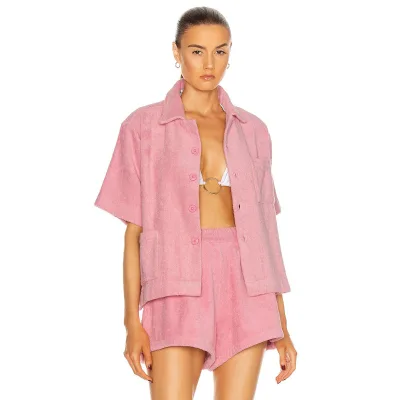
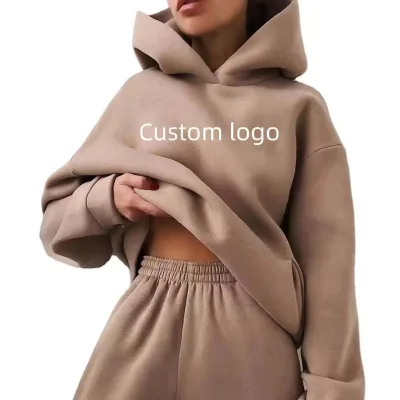
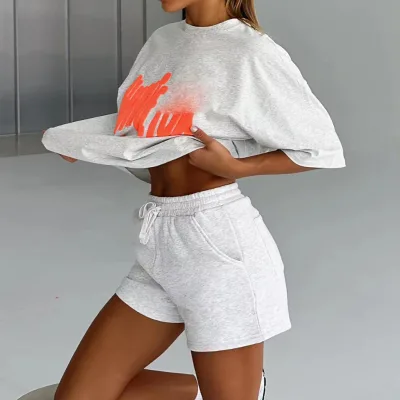
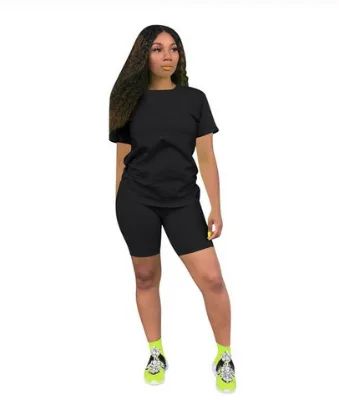
Unisex Custom Summer Casual Set: 100% Cotton Short-Sleeve T-Shirt Sports Shorts
$8.99 - $10.99
MOQ: 1 Pieces

Girls' Summer Pure Cotton Short Sleeved Shorts 2025 New Breathable Set Casual Two-Piece Set
$3.12 - $3.26
MOQ: 100 Pieces







Comprehensive Sourcing Guide
Strategic Sourcing Guide for Cotton Short Sleeve Shorts Sets
Understanding Product Variants and Technical Specifications
When sourcing a Cotton Short Sleeve Shorts Set, buyers must first navigate the diverse technical specifications available in the current market. The core keyword implies a specific configuration, yet the actual product landscape includes variations that range from casual leisure wear to high-performance athletic gear. Based on observed market data, the material composition for these sets is not monolithic. While the primary interest is cotton, the supply chain frequently offers blends such as Polyester/Cotton or custom fabric options to enhance durability and moisture management. A specific product model, identified as JS-F2090, represents a category where customization is available, allowing buyers to tailor the fit and finish to their specific brand requirements.
The technical attributes of these sets vary significantly by intended use. For general leisure and casual applications, the texture is often described as light, providing comfort for all-season wear. In contrast, sets designed for specific sports like cycling, racing, or track and field may prioritize elasticity and breathability. The "Touch" attribute for many of these items is noted as elastic, which is crucial for active movement. Furthermore, the construction details differ; some models feature a round neck and short sleeves, while others may be categorized as suits or hoody styles. The presence or absence of buttons is another critical specification to verify, as some sets are designed without buttons for a streamlined look, while others may include them for functional adjustments.
Size standardization is another area requiring careful attention. The market offers a wide range of sizing, from specific models like JS-F2132 and JS-F1289 to broader categories labeled as "Multiple Size" or "All." Standard sizing conventions often include S, M, L, XL, and XXL, ensuring a fit for various demographics. However, buyers should also be aware of models that cater specifically to adults or those with custom sizing capabilities. The production origin is predominantly China, which influences the supply chain dynamics and shipping logistics. Understanding these technical distinctions is the first step in aligning the product with the target market's expectations.
Compliance, Certification, and Quality Standards
Ensuring compliance and verifying quality standards are paramount when sourcing apparel, particularly items that come into direct contact with the skin. The market data indicates that certain products adhere to recognized standards such as SGS, which serves as a benchmark for quality assurance. While background information often references certifications like OEKO-TEX or GOTS, buyers must exercise caution and verify these claims directly with the supplier rather than assuming their presence based on general market trends. The "Quality Level" for many high-end sets is explicitly marked as High, suggesting a focus on premium materials and construction.
For buyers concerned with chemical safety and textile integrity, the verification of material composition is essential. While the core keyword specifies cotton, the actual supply often includes blends or custom fabrics. If a buyer requires 100% Cotton, this must be explicitly confirmed in the product specifications, as some listings offer Polyester/Cotton blends or custom fabric options. The "Label" attribute often allows for customization, which can be a vehicle for including compliance tags or care instructions that meet specific regional regulations.
The production process itself is subject to various standards. The "Technics" used in manufacturing, such as printed methods, can impact the final product's durability and safety. For instance, Silk Screen Printing is a common method observed in the market, but buyers should inquire about the inks used to ensure they meet environmental and safety standards. Additionally, the "Standard" attribute for sizing (S, M, L, XL, XXL) must be consistent with the target market's expectations to avoid returns and customer dissatisfaction. Buyers should request test reports or certificates of analysis to confirm that the materials and finishing processes meet the required safety thresholds for their specific destination market.
Cost Drivers and Pricing Dynamics
The pricing structure for cotton short sleeve shorts sets is influenced by a complex interplay of factors, including material costs, customization levels, and order volume. The observed price range in the market spans from $1.80 to $25.00 USD, reflecting the vast difference between basic, unbranded items and premium, highly customized sets. Several key drivers contribute to this variance. First, the material composition plays a significant role; 100% Cotton sets typically command a higher price point than Polyester/Cotton blends due to the cost of raw materials and the perceived value of natural fibers.
Second, the level of customization is a major cost determinant. Products that offer "Custom" color options, "Customized" labels, or specific model numbers like 2022063003 often involve additional setup costs and lower economies of scale. The availability of customization allows buyers to create unique products but inevitably increases the unit cost compared to standard, off-the-shelf inventory. Furthermore, the "Quality Level" of the product directly correlates with price. High-quality items that undergo rigorous testing and use superior finishing techniques will be priced at the upper end of the spectrum.
Order volume, represented by the Minimum Order Quantity (MOQ), also significantly impacts the final price. The observed MOQ range is broad, spanning from 1 to 1000 units. Buyers placing small orders, perhaps for sampling or testing the market, may face higher per-unit costs. Conversely, larger orders that meet higher MOQ thresholds can leverage bulk discounts, bringing the price closer to the lower end of the observed range. The packing method, whether it is a single item in a PP bag or 50 pieces per carton, also affects logistics costs, which are often factored into the final price. Understanding these drivers helps buyers negotiate effectively and budget accurately for their procurement needs.
Typical Applications and Usage Scenarios
The versatility of cotton short sleeve shorts sets makes them suitable for a wide array of applications, ranging from casual daily wear to specialized athletic activities. The market data highlights a diverse range of usage scenarios, including ball sports, racing, cycling, fitness, track and field, water sports, gym workouts, yoga, dancing, and tennis. This breadth of application underscores the importance of selecting the right product variant for the intended use case. For instance, sets designed for "Fitness" or "Sports Wear" often feature breathable materials and elastic touches to accommodate high-intensity movement.
In the leisure sector, the "Product Type" is often categorized as "Leisure," focusing on comfort and style rather than high-performance metrics. These sets are ideal for summer wear, as indicated by the "Season" attribute, and are designed to be comfortable and light. The "Style" attribute often aligns with "Sport" or general casual aesthetics, making them versatile for various social settings. For buyers targeting the adult demographic, the "Age Group" specification is crucial, as some models are specifically designed for adults while others may cater to different age groups.
The "Suit" category represents a more formal or coordinated approach, where the shorts and top are designed to match perfectly. This is particularly relevant for brands looking to sell complete outfits. The "Type" attribute further clarifies the product's nature, distinguishing between pants, hoody styles, and traditional shorts sets. Understanding these applications allows buyers to tailor their sourcing strategy to specific market segments, ensuring that the products they procure meet the functional and aesthetic needs of their target customers.
Supplier Evaluation and Production Capabilities
Evaluating suppliers requires a deep dive into their production capabilities, customization options, and sample policies. The market data indicates that customization is widely available, with many suppliers offering "Custom" colors and "Customized" labels. This flexibility is a significant advantage for buyers looking to build a unique brand identity. However, the ability to customize does not guarantee quality; buyers must assess the supplier's track record and technical expertise. The "Samples" attribute shows that most suppliers accept sample requests, with a typical "Samples Time" of two weeks. This timeline is a critical factor in the product development cycle and should be factored into the overall procurement schedule.
When evaluating a supplier, buyers should verify their production models and standards. Specific model numbers like JS-F2090, JS-F2132, and JS-F1289 indicate established product lines with defined specifications. Suppliers offering these models likely have the infrastructure to produce them consistently. The "prod_packing" attribute, which includes options like "Carton" or "1PCS/PP Bag, 50PCS/Carton," also reflects the supplier's logistics capabilities. A supplier that offers flexible packing options is better equipped to handle different shipping requirements and cost structures.
Furthermore, the "Origin" of the products, predominantly China, suggests a mature supply chain with access to a wide range of materials and labor. However, buyers should not assume that all suppliers from this region offer the same level of quality. Due diligence is required to verify the supplier's quality control processes and their adherence to standards like SGS. The "Quality Level" of High suggests that some suppliers prioritize excellence, but this must be confirmed through direct communication and sample evaluation.
Quality Control and Long-Term Procurement Considerations
Implementing a robust quality control (QC) strategy is essential for maintaining product integrity and customer satisfaction. Given the diverse range of materials and finishes, buyers should establish clear QC checkpoints throughout the production process. This includes verifying the material composition, checking the stitching and finishing details, and ensuring that the sizing standards (S, M, L, XL, XXL) are consistent. The "Technics" used, such as printing methods, should be inspected to ensure they meet durability and safety requirements.
For long-term procurement, building a sustainable relationship with suppliers is key. Buyers should consider the supplier's ability to scale production, their responsiveness to customization requests, and their commitment to quality. The "Samples Time" of two weeks indicates a relatively quick turnaround, which is beneficial for agile procurement strategies. However, buyers must also plan for potential delays and ensure that lead times are clearly defined in their contracts.
Long-term considerations also include the potential for product evolution. As market trends shift, buyers may need to adapt their product offerings to include new styles, materials, or features. The availability of "Custom" options and the range of "Usage" scenarios suggest that the market is dynamic and responsive to changing consumer needs. By maintaining a flexible sourcing strategy and fostering strong supplier relationships, buyers can ensure a steady supply of high-quality cotton short sleeve shorts sets that meet the evolving demands of their customers.
Comparative Analysis of Product Attributes
To facilitate decision-making, the following table summarizes key attributes observed in the market for cotton short sleeve shorts sets. This comparison highlights the variability in specifications and helps buyers identify the features most relevant to their specific needs.
| Attribute Category | Observed Variations | Key Considerations for Buyers |
|---|---|---|
| Material | 100% Cotton, Polyester/Cotton, Custom Fabric | Verify exact composition; 100% Cotton may cost more but offers breathability. |
| Season | Summer, All, Spring/Autumn | Match seasonality to target market climate; "All" implies year-round versatility. |
| Size Standard | S, M, L, XL, XXL, Multiple Size, All | Ensure sizing aligns with target demographic; check for custom sizing options. |
| Usage | Fitness, Ball Sports, Leisure, Gym, Yoga | Select based on intended activity; athletic use requires higher elasticity/breathability. |
| Customization | Color, Label, Model, Packing | High flexibility available; confirm lead times and MOQ for custom orders. |
| Quality Level | High, Standard | Request quality reports; "High" level implies stricter QC and better materials. |
| Origin | China | Verify supplier location and logistics capabilities; check for export compliance. |
| Packing | 1PCS/PP Bag, 50PCS/Carton, Carton | Assess packing efficiency and cost implications for shipping. |
This comparative analysis underscores the importance of detailed specification review. Buyers should not rely on general descriptions but must verify each attribute against their specific requirements. The diversity in options allows for tailored sourcing strategies but requires careful evaluation to ensure the final product meets the desired standards of quality, functionality, and cost-effectiveness. By systematically addressing these factors, buyers can navigate the complex landscape of cotton short sleeve shorts sets with confidence and precision.
FAQs
What customization options are available for cotton short sleeve shorts sets?
Customization is available for color, labels, and specific product models. Buyers can request custom colors and customized labels to match brand identity, with sample times typically taking two weeks for approval before full production begins.
Which materials are used in cotton short sleeve shorts sets?
Materials include 100% Cotton, Polyester/Cotton blends, or custom fabric options. While the core keyword implies cotton, actual listings often feature blends to enhance durability, so buyers must explicitly confirm the material composition required for their order.
What is the minimum order quantity for these sets?
The minimum order quantity ranges from 1 to 1000 units depending on the supplier. Small orders starting at one unit are accepted for sampling, while larger bulk orders may leverage lower per-unit costs within this broad MOQ spectrum.
Can I find products with SGS certification for these sets?
Yes, certain products adhere to the SGS standard for quality assurance. Buyers should verify this specific standard directly with suppliers, as it serves as a benchmark for quality assurance in the supply chain for these apparel items.
How are these sets typically packed for shipping?
Packing options include single items in PP bags or 50 pieces per carton. Some listings specify carton packing, while others offer flexible packaging like 1PCS/PP Bag combined with 50PCS/Carton to suit different logistics requirements.
What sizes are available for cotton short sleeve shorts sets?
Sizes range from S to XXL, including specific models with multiple size options. Standard sizing conventions cover S, M, L, XL, and XXL, ensuring a fit for various demographics, though some models may offer all sizes or custom sizing.
Where are these cotton short sleeve shorts sets manufactured?
The products originate from China, which influences supply chain dynamics. This location provides access to a mature supply chain with diverse materials, but buyers must conduct due diligence to verify quality control processes specific to each supplier.