Source Cotton Socks for babies, sports, and indoor use
Compare 30 listings of Cotton Socks available for babies, sports, and indoor use. Buyers can review specifications including size, thickness, and features like anti-slip and thermal properties to find suitable options.
Key considerations
Products List


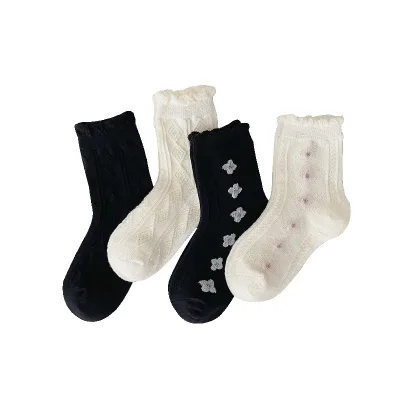
Comprehensive Sourcing Guide
Strategic Sourcing Guide for Cotton Socks in the B2B Market
Sourcing Cotton Socks requires a disciplined approach that balances material authenticity, functional performance, and supply chain reliability. The market offers a diverse range of products, from basic ankle socks for infants to specialized knee-high options for sports and outdoor activities. Buyers must navigate a complex landscape where product attributes vary significantly between suppliers. This guide outlines the critical factors for evaluating cotton sock suppliers, focusing on verified specifications, compliance standards, and cost structures derived from current market observations.
Technical Specifications and Material Verification
The foundation of any successful cotton sock procurement lies in verifying the material composition and physical dimensions. While the core keyword is "cotton," the specific application dictates the required blend and construction. In the current market, cotton is a primary material, often cited as a key attribute for breathability and comfort. However, buyers must distinguish between pure cotton and cotton blends, as the latter often includes synthetic fibers to enhance durability or elasticity.
When evaluating technical specifications, attention must be paid to the product model and size definitions. Market data indicates a wide range of model identifiers, such as BAT-B09, BAT-B12, and DL-WS-109, which often correspond to specific design iterations. Size specifications are equally critical and vary from standard S/M/L sizing to fully customized dimensions. For instance, some listings specify exact weight and length metrics, such as a Small size weighing 160.5g with dimensions of 3512.2 cm, while a Large size weighs 171g at 3612.5 cm. Other entries list "Any Size" with a weight of 35g, suggesting a different product category, possibly for infants or specific athletic uses.
The thickness and style of the sock are equally important for functional performance. Observations show a prevalence of "Normal" thickness, suitable for everyday wear in Spring and Autumn seasons. However, specific models are designed for Winter use, implying a thicker construction or different insulation properties. Style variations include Ankle, Knee, and Stockings, with some products offering a "Middle" height. The "Tall" height category suggests specialized designs for specific fashion or functional needs. Buyers should verify that the selected model matches the intended seasonal use and height requirement to avoid mismatches in performance.
Compliance, Certification, and Safety Standards
Compliance is a non-negotiable aspect of B2B procurement, particularly for products worn directly against the skin. The market data reveals a mix of certifications and standards that suppliers may claim. Verified certifications include CE and ISO, which are critical for market access in various regions. Additionally, SGS certification is explicitly mentioned, indicating that third-party testing for quality and safety has been conducted.
Buyers must be cautious regarding the interpretation of standards. While some sources reference OEKO-TEX and GOTS, these are listed as low-confidence background information and should not be assumed as guaranteed attributes without direct verification from the supplier. Similarly, ISO 9001 is mentioned in background contexts but requires confirmation. The most reliable standard observed is the SGS certification, which serves as a robust indicator of quality control.
Safety features are also a key differentiator. Products are often marketed with features such as Anti-Slip, Anti-Bacterial, and Thermal properties. These claims should be validated through the supplier's test reports. For example, the "Anti-Slip" feature is crucial for socks intended for indoor or outdoor use, particularly for babies or the elderly. The "Eco-Friendly" attribute suggests a focus on sustainable manufacturing processes, which aligns with growing global demand for environmentally responsible products. Buyers should request specific test results for these claims to ensure they meet regulatory requirements in their target markets.
Cost Drivers and Pricing Structures
Understanding the cost drivers for Cotton Socks is essential for budgeting and negotiation. The observed price range in the market spans from $0.32 to $3.00 USD, reflecting significant variation based on material quality, design complexity, and order volume. This wide range indicates that price is not a linear function of the product but is heavily influenced by the specific attributes of the item.
The Minimum Order Quantity (MOQ) is a primary cost driver. The observed MOQ range extends from 0 to 2000 units, with a specific data point noting an MOQ of 50 pieces for certain models. Lower MOQs, such as 50 pieces, are often associated with customized orders or smaller batch productions, which may carry a higher per-unit cost. Conversely, larger orders typically benefit from economies of scale, reducing the unit price. Buyers must balance the need for inventory flexibility with the cost efficiency of bulk purchasing.
Additional cost factors include customization services and packaging requirements. The market indicates that customization is available, including OEM and ODM services, which can increase the unit cost due to the setup and design work involved. Packaging options also vary, with some suppliers offering a single pair with a brand paper card and polybag, while others provide polybags and safe carton boxes. The choice of packaging can impact the final landed cost, especially for international shipping. Buyers should request detailed quotes that break down the cost of the product, customization, and packaging to ensure transparency.
Typical Applications and Use Cases
Cotton Socks serve a multitude of applications, ranging from everyday wear to specialized athletic and medical uses. The diversity in product attributes supports this wide range of applications. For instance, socks designed for babies often feature "Baby Socks" as a gender category and may include "Anti-Slip" features for safety. These products are typically smaller in size and weight, with specific dimensions like the 35g weight observed in some listings.
Sports and outdoor activities represent another significant application area. Models labeled as "Sports socks" often include features like "Thermal" and "Breathable" properties, making them suitable for high-intensity activities. The "Indoor, Outdoor" usage ambient suggests versatility, allowing these socks to be used in various environments. Knee-high styles are common for sports, providing additional support and coverage.
The "Winter" season designation points to applications in colder climates, where thermal insulation is paramount. These socks may differ in thickness and material blend compared to those designed for Spring and Autumn. Additionally, the "Disposable" feature mentioned in some listings suggests a specific niche, possibly for medical or hygiene-related applications where single-use products are required. Understanding the specific use case is vital for selecting the right product specifications and ensuring the socks meet the functional requirements of the end-user.
Supplier Evaluation and Service Capabilities
Evaluating suppliers requires a focus on their service capabilities and operational transparency. The market data highlights several key service attributes, such as "You Can Find Us Any Time," indicating a commitment to responsive customer support. This level of service is crucial for resolving issues related to order tracking, quality disputes, or customization requests.
Customization is a major differentiator among suppliers. The availability of OEM and ODM services allows buyers to tailor products to their brand specifications. However, buyers must verify the supplier's capacity to handle these requests efficiently. The "Free Sample" policy, described as acceptable and negotiable, is a valuable tool for evaluating product quality before committing to a large order. Buyers should leverage this opportunity to test the physical attributes of the socks, including material feel, stitching quality, and the effectiveness of features like anti-slip grips.
Location is another factor in supplier evaluation. The data points to origins in China, specifically Nanchang, Jiangxi Province. While this provides a geographical context, buyers should also consider the supplier's logistics capabilities and lead times. The "New" condition of the products suggests that suppliers are focused on delivering fresh inventory, which is essential for maintaining brand reputation.
Quality Control and Long-Term Procurement Considerations
Maintaining consistent quality is the cornerstone of long-term procurement success. The "Good Quality" attribute is frequently mentioned, but buyers must define what this means in the context of their specific needs. Quality control should encompass material consistency, dimensional accuracy, and the durability of features like anti-slip coatings. The "Non-Folding" and "Non-Tilted" attributes suggest a focus on maintaining the structural integrity of the socks during production and packaging.
Long-term procurement considerations include the stability of the supply chain and the ability to scale. The wide range of MOQs and the availability of customization suggest that suppliers can adapt to changing demand. However, buyers should establish clear quality assurance protocols to ensure that every batch meets the agreed-upon standards. Regular audits and sample testing can help maintain this consistency.
The "Polybag" and "Safe Carton Box" packaging options indicate a focus on protecting the product during transit. Proper packaging is essential for preventing damage and ensuring that the socks arrive in pristine condition. Buyers should also consider the environmental impact of packaging materials, especially if they have sustainability goals.
Comparative Analysis of Product Attributes
To facilitate decision-making, the following table summarizes key product attributes observed in the market. This comparison helps buyers identify the most suitable options based on their specific requirements.
| Attribute Category | Specific Observations | Implications for Buyers |
|---|---|---|
| Material | Cotton, Eco-Friendly | Verify blend ratios; ensure "Cotton" is not a marketing term for blends. |
| Size & Weight | S/M/L, Any Size, 35g to 171g | Match weight to application; confirm dimensions for custom orders. |
| Style & Height | Ankle, Knee, Stockings, Tall, Middle | Select based on seasonal needs and target demographic (e.g., Baby vs. Adult). |
| Season | Spring/Autumn, Winter | Winter models likely have higher thermal properties; verify thickness. |
| Features | Anti-Slip, Anti-Bacterial, Thermal, Disposable | Request test reports for specific claims; ensure features align with use case. |
| Certification | CE, ISO, SGS | Prioritize suppliers with SGS; verify CE/ISO for target market compliance. |
| Packaging | Polybag, Brand Paper Card, Carton Box | Assess packaging for protection and branding needs; consider eco-options. |
| Customization | Available, OEM/ODM Welcome | Confirm lead times and costs for custom designs; request samples first. |
Final Procurement Strategy
Successful sourcing of Cotton Socks requires a methodical approach that prioritizes verified data over marketing claims. Buyers should begin by defining their specific needs regarding material, size, and function. Next, they must rigorously evaluate suppliers based on their certification status, quality control processes, and service capabilities. The wide range of prices and MOQs necessitates careful negotiation to balance cost and volume.
By focusing on the technical specifications and compliance standards outlined in this guide, buyers can mitigate risks and build a reliable supply chain. The availability of customization and the diverse range of product attributes offer significant opportunities for differentiation. However, the ultimate success of the procurement effort depends on the buyer's ability to verify claims and maintain high standards throughout the supply chain. Continuous monitoring of supplier performance and regular quality checks will ensure that the sourced Cotton Socks meet the expectations of the end-user and the brand.
FAQs
What certifications do Cotton Socks typically have?
Verified certifications include CE, ISO, and SGS. Buyers should prioritize suppliers with SGS certification as a robust indicator of quality control, while treating OEKO-TEX and GOTS as unverified background claims requiring direct confirmation.
How much do Cotton Socks cost per unit?
The observed price range spans from 0.32 to 3 USD. This variation depends on material quality, design complexity, and order volume, with lower MOQs like 50 pieces often carrying higher per-unit costs due to customization.
Can I order custom sized Cotton Socks?
Customization is available with sizes ranging from standard S/M/L to fully customized dimensions. Some listings specify exact weight and length metrics, while others offer any size based on specific buyer requirements.
Which materials are used for Cotton Socks?
Cotton is the primary material, often cited for breathability and comfort. Buyers must distinguish between pure cotton and blends, as the latter may include synthetic fibers to enhance durability or elasticity for specific seasonal uses.
What are the minimum order quantities for socks?
The MOQ range extends from 0 to 2000 units, with specific models requiring 50 pieces. Lower MOQs are often associated with customized orders or smaller batch productions, while larger orders benefit from economies of scale.
Where are these Cotton Socks manufactured?
Products originate from China, specifically Nanchang, Jiangxi Province. Buyers should consider the supplier's logistics capabilities and lead times alongside the geographical context to ensure reliable supply chain performance.
What features do winter Cotton Socks offer?
Winter models feature Thermal properties and may differ in thickness compared to Spring and Autumn options. These socks are designed for colder climates, often incorporating Anti-Slip and Anti-Bacterial features for safety and hygiene.